Healthcare costs in the United States have become a driving force behind a growing wave of relocation abroad. Employer-sponsored family health insurance plans now average nearly $27,000 annually, and the average 65-year-old retiring in 2025 can expect to spend roughly $172,500 on medical expenses over the course of retirement, even with Medicare in the picture. Faced with those numbers, more Americans than ever are looking past their own borders for care that costs less and, in many cases, arrives faster.
This isn’t a fringe movement anymore. A record number of U.S. citizens left the country in 2025, and healthcare access sits near the top of the list of reasons why. Some cities have become genuine hubs for this shift, combining internationally accredited hospitals, English-speaking medical staff, and price tags that would seem almost unbelievable back home. Here are six overseas cities where that pattern is playing out most visibly.
1. San José and Escazú, Costa Rica

Costa Rica’s Central Valley has quietly become one of the most trusted healthcare destinations for American retirees, and San José along with the upscale suburb of Escazú sits at the center of it. CIMA Hospital in San José holds Joint Commission International accreditation and staffs many US-trained specialists, while the national CAJA system provides comprehensive coverage to legal residents at minimal cost. Private insurance for comprehensive coverage runs between $1,200 and $2,000 a year, a fraction of comparable US premiums.
Escazú and neighboring Santa Ana have built out serious infrastructure to support this influx, including private security services and gated communities that give newcomers peace of mind alongside their medical access. The country’s pensionado residency program only requires $1,000 in guaranteed monthly income from Social Security or a pension, which makes the legal pathway to living there refreshingly simple. Add in Costa Rica’s reputation as a top medical tourism hotspot, where a dental crown runs $350 to $600 compared to around $1,200 in the US, and it’s easy to see the appeal.
2. Guadalajara and the Lake Chapala Area, Mexico

Mexico remains one of the most accessible healthcare destinations for Americans simply because of geography, and Guadalajara has emerged as a favorite among those settling in for the long term. The Hospital Ángeles chain operates 28 facilities nationwide with modern equipment and US-trained doctors, and in the nearby Lake Chapala area, Hospital San Javier and Hospital Country 2000 in Guadalajara, just thirty minutes away, offer care that expats consistently praise. Public healthcare through IMSS is available to residents for around $500 a year, though wait times run longer than the private system.
The scale of cross-border medical activity here is hard to overstate. An estimated 1.2 million Americans cross into Mexico annually for medical or dental care, and prescription medications are often available at 50 to 80 percent below US prices. Retirees drawn to Lake Chapala’s lakeside climate get the added benefit of a well-established American and Canadian expat community that has already mapped out which doctors, pharmacies, and specialists work best for foreigners.
3. Lisbon, Portugal

Lisbon has become something of a poster child for Americans chasing both lifestyle and lower healthcare bills in Europe. Once residents register with Portugal’s national health service, the SNS, they gain access to a system where consultations typically cost between five and ten euros and many chronic disease treatments are free. Doctors and medical specialists in Portugal’s public hospitals are more likely to speak English than administrative staff, which still smooths the process considerably for newcomers.
Most Americans pair the public system with private insurance for faster specialist access, and the cost difference from US plans is dramatic. Comprehensive private coverage typically runs between 80 and 150 euros a month, and even premium international plans rarely exceed 300 euros. Private hospital chains such as CUF and Luz operate throughout Lisbon and are popular with expats who want shorter wait times without leaving the city.
4. Kuala Lumpur, Malaysia

Malaysia has long attracted international residents thanks to its modern cities, relatively affordable cost of living, well-regarded healthcare system, and established expat communities, and Kuala Lumpur sits right at the heart of that reputation. The city combines genuinely modern hospital infrastructure with a cost of living low enough that a comfortable lifestyle, healthcare included, can run somewhere between $1,200 and $1,800 a month.
What sets Kuala Lumpur apart from many other budget-friendly destinations is that it doesn’t force a trade-off between affordability and quality. Americans moving there are increasingly prioritizing long-term livability rather than just chasing the cheapest possible location, and Kuala Lumpur’s private hospital sector, along with its large English-speaking population, makes that balance easier to strike than in most Southeast Asian cities.
5. Panama City, Panama
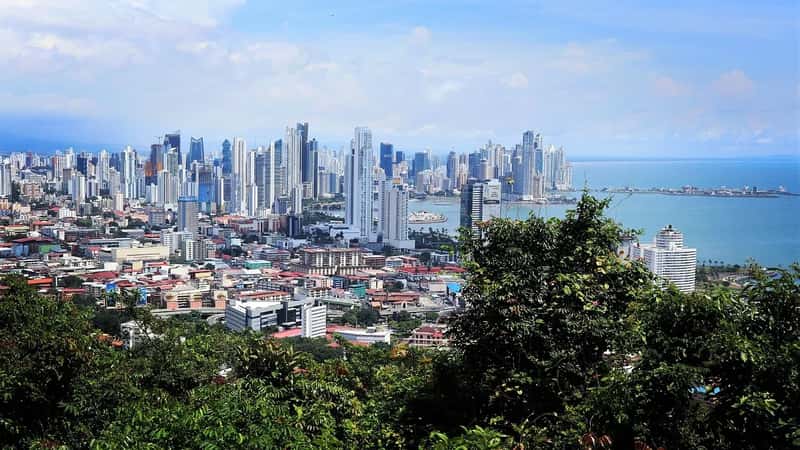
Panama City continues to attract expats seeking a lower cost of living, established expat communities, and convenient access to the United States, and healthcare access plays a real role in that pull. Modern infrastructure, the use of the US dollar as legal tender, and established residency pathways continue to make Panama an appealing option for many US citizens considering a move abroad.
The dollar-based economy removes a layer of financial uncertainty that comes with currency conversion in other destinations, which matters a great deal when budgeting for ongoing medical needs. Panama City’s private hospitals cater heavily to the expat population, and the short flight time back to the US, often just a few hours, gives retirees the comfort of knowing home isn’t far if a specialist visit back in the States is ever needed.
6. Bangkok, Thailand

Bangkok is the destination most associated with the term medical tourism, largely because of Bumrungrad International Hospital, a 580-bed facility that treats over 1.1 million patients annually from 190 countries. Bumrungrad was the first hospital in Asia accredited by Joint Commission International back in 2002, and it has been reaccredited five times since. More than 200 doctors on staff were trained in the United States, which eases a lot of the anxiety Americans feel about seeking treatment overseas.
Beyond the flagship hospital, Thailand ranks among the top five countries globally for JCI-accredited facilities, giving patients real choice across price points and specialties. Bangkok’s cost advantage on procedures like joint replacements and cardiac care is well documented, often running a fraction of comparable US pricing, and the city’s deep experience serving international patients means dedicated coordinators, translated paperwork, and streamlined scheduling are simply part of how the system operates.
Why This Trend Isn’t Slowing Down

The pattern across all six cities is remarkably consistent: internationally accredited hospitals, meaningfully lower costs, and enough English-language support to make the transition manageable. Portugal, Mexico, Panama, Costa Rica, Spain, Greece and Thailand regularly appear in 2025 and 2026 surveys as leading options, with criteria that blend affordability, healthcare quality, safety, climate and ease of residency. That overlap isn’t a coincidence. It reflects where infrastructure, government support for medical tourism, and expat demand have all converged at once.
None of this means the decision to relocate is simple or risk-free. Distance from family, unfamiliar insurance systems, and the emotional weight of leaving home all factor into the equation. Still, for a growing number of Americans watching healthcare costs climb every year, the math increasingly points overseas, and these six cities represent where that math currently works out best.
Weighing the Move

None of these cities offer a perfect substitute for the US healthcare system, and each comes with its own trade-offs around language, distance, and how public versus private coverage actually functions day to day. What they do offer is a combination of accredited care, lower costs, and established support networks that make the leap far less daunting than it once was.
For Americans who have already crunched the numbers on premiums, deductibles, and retirement healthcare projections, the appeal of these destinations isn’t about escaping quality care. It’s about finding it somewhere the bill doesn’t threaten to undo decades of savings.