Giving up a U.S. passport is not a decision anyone makes lightly. It usually follows years of thinking through tax filings, banking headaches, and the simple math of where a fixed income stretches furthest. Once that step is behind someone, the next question tends to be practical rather than political: where can a modest nest egg actually fund a comfortable, sustainable life abroad.
That question has different answers depending on climate preference, healthcare needs, and how close someone wants to stay to family in North America. Still, a handful of countries consistently show up in cost of living data and retiree visa programs as places where a former American, now holding whatever passport they carry, can live well on far less than a U.S. retirement budget would allow.
Nicaragua
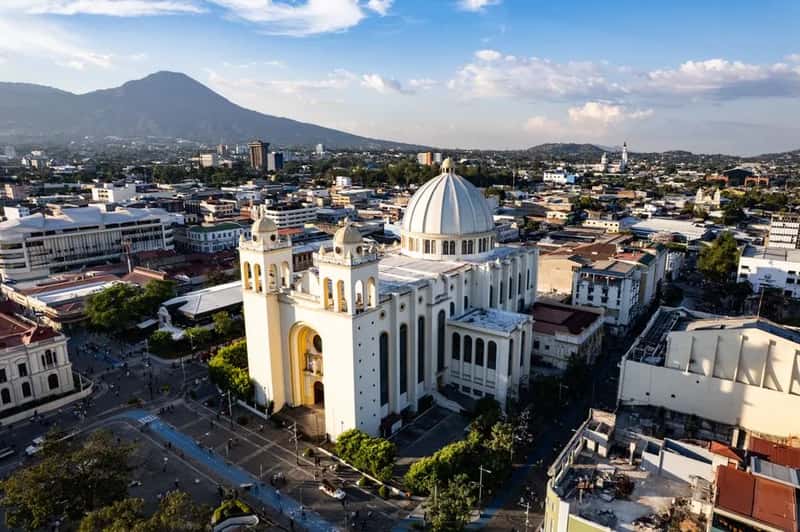
Nicaragua has quietly become one of the least expensive places in the Western Hemisphere for anyone rebuilding a retirement plan from scratch. Most relocation and expat resources in 2025 and 2026 suggest that a single person living modestly but comfortably in a city like Managua, Granada or León can expect to spend roughly nine hundred to thirteen hundred dollars per month including rent, utilities, and groceries. That figure covers a full lifestyle, not just the basics, in a country where local wages sit far below what most retirees are used to spending.
The financial appeal goes beyond rent and food. There is no tax on income earned outside of Nicaragua, which matters for anyone drawing a pension or investment income from abroad. The country’s Pensionado program is one of the easiest and cheapest available, and while healthcare in smaller towns can be limited, the national system is ranked among the top half of all healthcare systems worldwide, seventy first out of one hundred ninety one according to the World Health Organization.
Cambodia

Cambodia rarely tops glossy retirement lists, yet it belongs near the front for anyone counting dollars carefully. It is often cited as one of the cheapest places to retire, with low living costs and easy long-term visas, where a modest budget of around one thousand to twelve hundred dollars can cover the basics for a single person, though healthcare and infrastructure trail behind Thailand or Malaysia. Phnom Penh, Siem Reap, and the coastal town of Kep each offer a different flavor of that affordability.
What keeps Cambodia appealing is how little friction there is in staying long term. The country’s EOS retirement extension of a tourist visa requires being fifty five or older with some proof of funds, and it is known to be very laid back, with many expats simply paying an agent to handle it. Unlike countries with complex paperwork and strict income requirements, Cambodia’s ER visa extension is accessible, renewable, and does not require frequent border runs. For someone who no longer carries a U.S. passport and wants fewer bureaucratic surprises, that simplicity counts for a lot.
Vietnam

Vietnam has built a reputation as one of Southeast Asia’s better value destinations, and the numbers back it up. Hanoi is home to as many as one hundred thousand expats, with low rent, fresh local food, and affordable healthcare, making it a solid choice for anyone on a frugal budget, with one retiree reporting a monthly cost of under eighteen hundred dollars. Smaller cities and coastal towns often come in even lower than the capital.
Danang has developed its own following among long-term expats looking for beach access without big city prices. Vietnam living costs can start from around eight hundred dollars a month, with Danang reaching as low as six hundred. The tradeoff for that affordability is a residency system that still leans on renewable visas rather than a dedicated retirement category, so most retirees plan around periodic renewals rather than a single long-term permit.
Ecuador

Ecuador has held its place as a South American value leader for years, and little has changed on that front. The country’s notably low cost of living makes it an ideal retirement destination in South America, offering retirees a diverse yet affordable lifestyle. Cuenca gets most of the attention, but coastal towns and smaller Andean cities offer their own versions of the same value.
Residency is also relatively straightforward for anyone with a stable pension or investment income. The country runs a Pensioner Visa program that requires proof of a stable income, making it ideal for retirees with a sufficient nest egg looking for a cheap place to settle. Many retirees live comfortably on fifteen hundred dollars or less in cities like Cuenca or along the coast, and the retiree visa itself only requires around eight hundred dollars a month in income. The added convenience is currency risk, since the government uses the U.S. dollar as its official currency, meaning American expats never need to convert their money into a local currency.
The Philippines
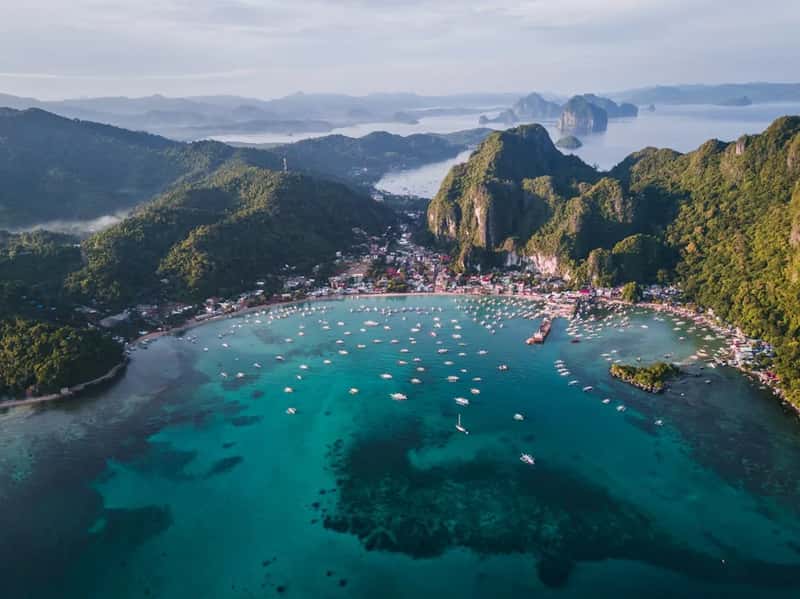
The Philippines has long attracted retirees drawn to its English fluency, warm climate, and relatively low cost of daily life. Living costs typically fall between one thousand and two thousand dollars a month, with locations such as Dumaguete, Cebu, Roxas, and Baguio offering different balances of climate, infrastructure, and community. Coastal towns tend to run cheaper than Manila, sometimes by a wide margin.
What makes the country stand out administratively is how easy it is to stay without committing to a formal retirement visa. Visitors can extend a tourist visa for up to thirty six months without applying for a retirement visa, and after that period simply do a visa run and start the process over, which is why very few expats in the Philippines bother getting one. That flexibility appeals to retirees who value not being locked into a single bureaucratic track for decades.
Colombia

Colombia has moved from an emerging destination to a mainstream one, particularly in Medellín’s temperate valley. Medellín is slightly pricier than some regional neighbors but still very affordable, with some calling it the best cost of value city thanks to its eternal spring climate. Smaller cities like Manizales or coastal Santa Marta tend to run noticeably cheaper.
Residency for retirees runs through a specific income-based visa category. To stay more than one hundred eighty days a year, foreign retirees need a visa, and the most common option is the M-11 Visa, granted to those receiving a fixed monthly income from a pension, Social Security, or another regular source. Costs have crept up recently, since Colombia’s overall living costs rose to around one thousand dollars a month due to peso strength and a substantial minimum wage increase, though it remains competitive against most of Western Europe or North America.
Panama
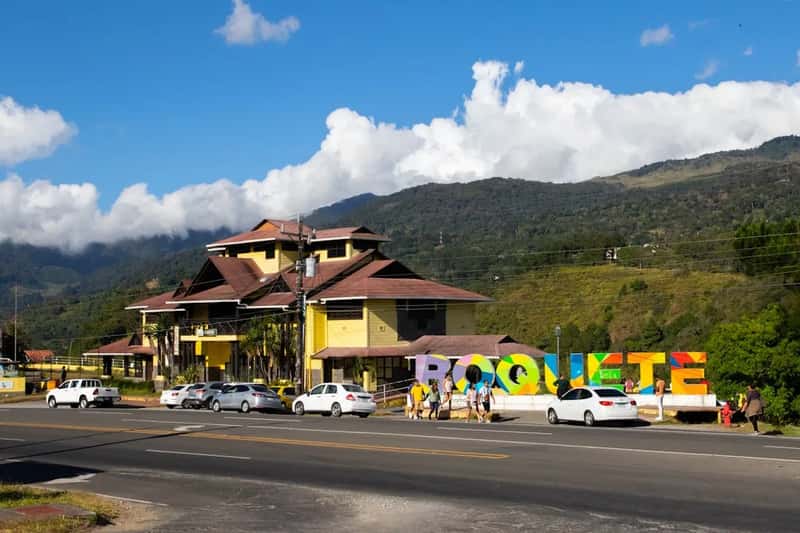
Panama’s highland town of Boquete has become something of a case study in how far a retirement budget can go outside a country’s capital. The town has around twenty thousand residents, roughly thirty five hundred of them expats from all over the world, drawn by its mountain setting. Typical monthly costs for expats range from about one thousand to twenty two hundred dollars depending on lifestyle, and a frugal expat may live on less than one thousand.
Panama’s broader appeal comes from its retiree-specific residency program and its dollarized economy. The country’s Pensionado plan is a well-known way to offset the cost of living as a retiree, offering some of the most considerable benefits available anywhere in the region. Panama’s broad acceptance of the U.S. dollar for everyday transactions greatly simplifies the adjustment for expats, which matters even more for someone who has just given up their U.S. passport and wants one less variable to manage.
Choosing among these seven usually comes down to climate preference, proximity to family, and how much bureaucracy someone is willing to tolerate for a residency permit. Each country listed here offers a documented, income-based path to long-term residency that does not depend on holding any particular nationality, which is precisely what matters most once a U.S. passport is no longer part of the equation.