Walk into almost any hotel room today and you will still find the same tired lineup: a stocked minibar, a landline phone nobody plans to touch, and a little tray of toiletries wrapped in plastic. For years these extras were treated as proof of a good stay. Now they are quietly becoming the reason guests choose a different property altogether.
Traveler habits have shifted fast since the pandemic, and hotels are noticing which “perks” actually get used versus which ones just sit there collecting complaints. Some of these changes are driven by cost, some by privacy concerns, and some by simple convenience. Here is a closer look at the amenities losing favor with modern guests, and why.
Stocked, Marked-Up Minibars
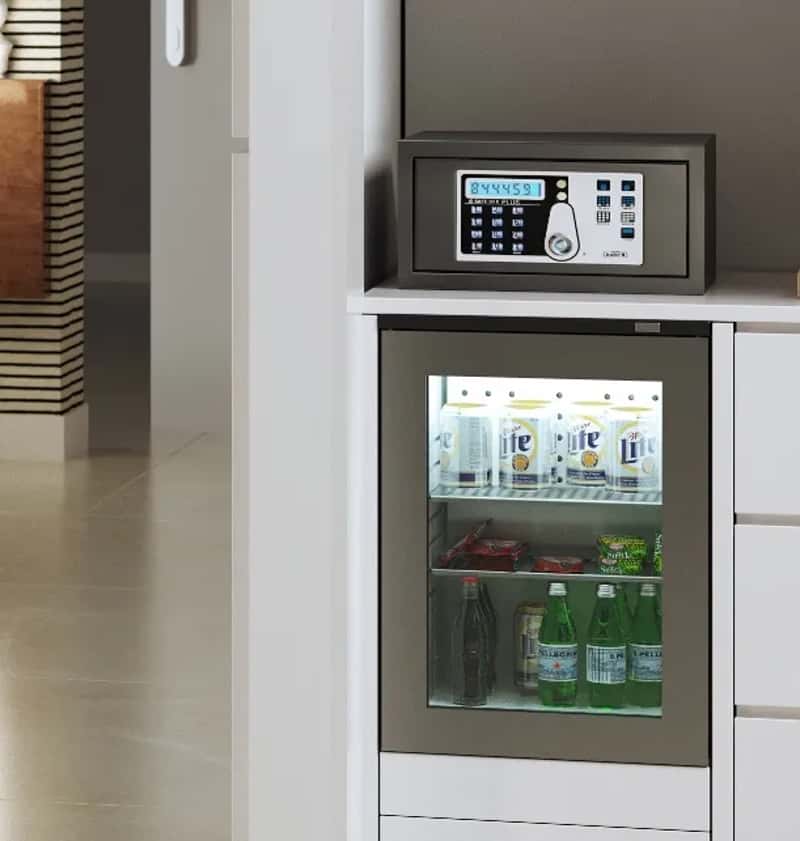
The classic minibar, once considered a hallmark of a well-appointed room, has lost most of its appeal. Smart minibar provider Bartech Systems estimated that only about a third of guests use a minibar if it’s available to them, with an average daily transaction of $12.[1] That is a steep markup for a candy bar or a small bottle of wine, and travelers have caught on.
Rather than restocking pricey snacks nobody buys, many hotels are pivoting entirely. Chains have shifted their focus toward contactless lobby marketplaces, hotel bars, and delivery app partnerships, with Wyndham teaming up with DoorDash, Marriott partnering with Uber Eats, and Hilton naming Grubhub its go to delivery service.[1] Guests increasingly prefer an empty fridge they can stock themselves over a curated selection of overpriced treats.
Mandatory Resort and Destination Fees

Few charges generate more frustration than the resort fee, a mandatory add on that guests cannot decline no matter how little they use the included perks. Resort fees average around $43 per night in 2026, meaning a five night stay can add roughly $215 to a bill before taxes are even factored in.[2] As of last year, federal rules now require these charges to be disclosed upfront rather than buried at the final checkout screen.
The frustration peaks in destinations like Las Vegas, where most major Strip hotels now charge between $45 and $55 per night in resort fees before tax, adding roughly $220 in fees alone on a four night stay.[3] Travelers have responded by comparison shopping more carefully, favoring loyalty programs that waive the charge, and increasingly choosing smaller independent properties that skip the fee altogether.
Automatic Daily Housekeeping

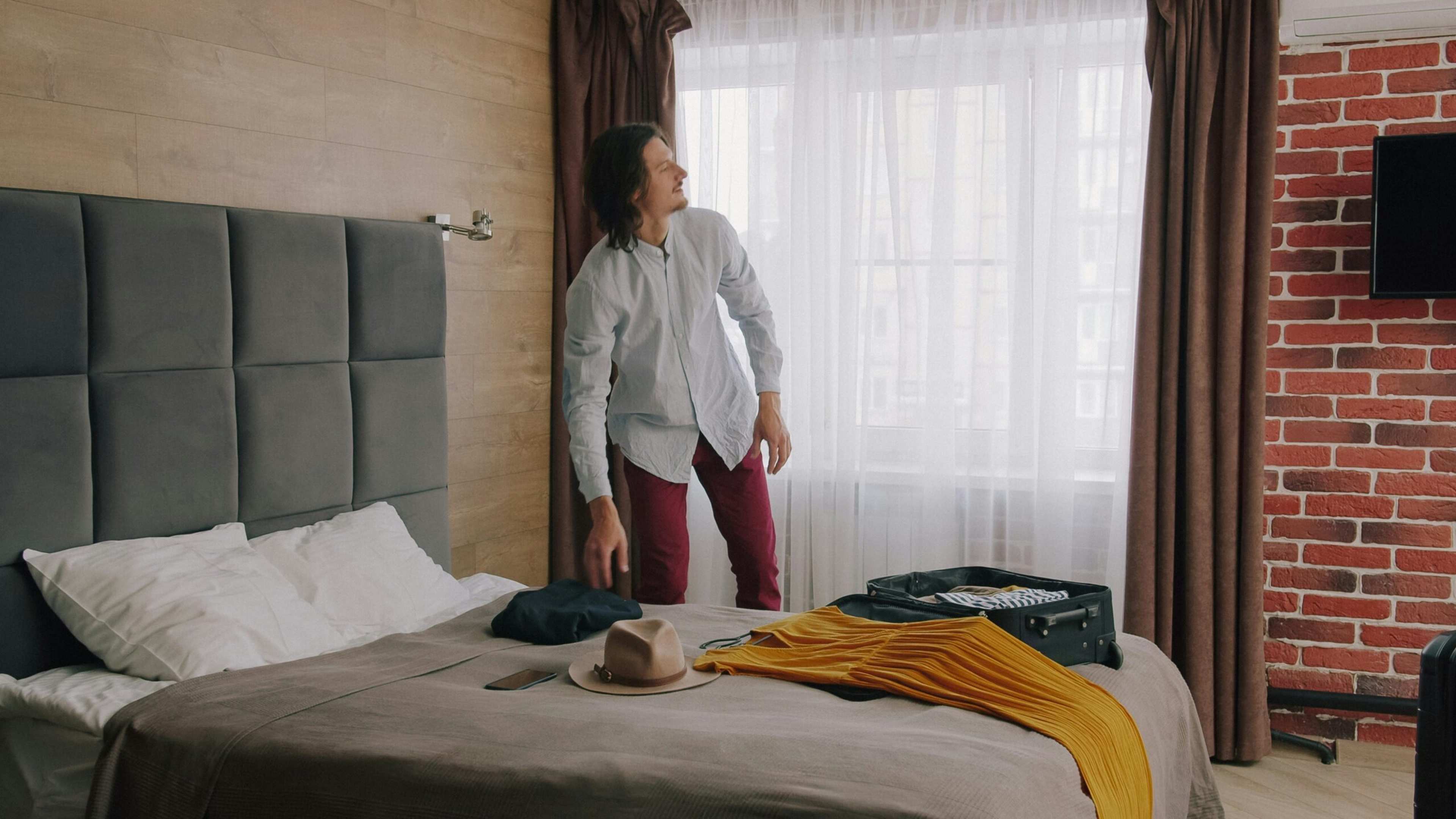
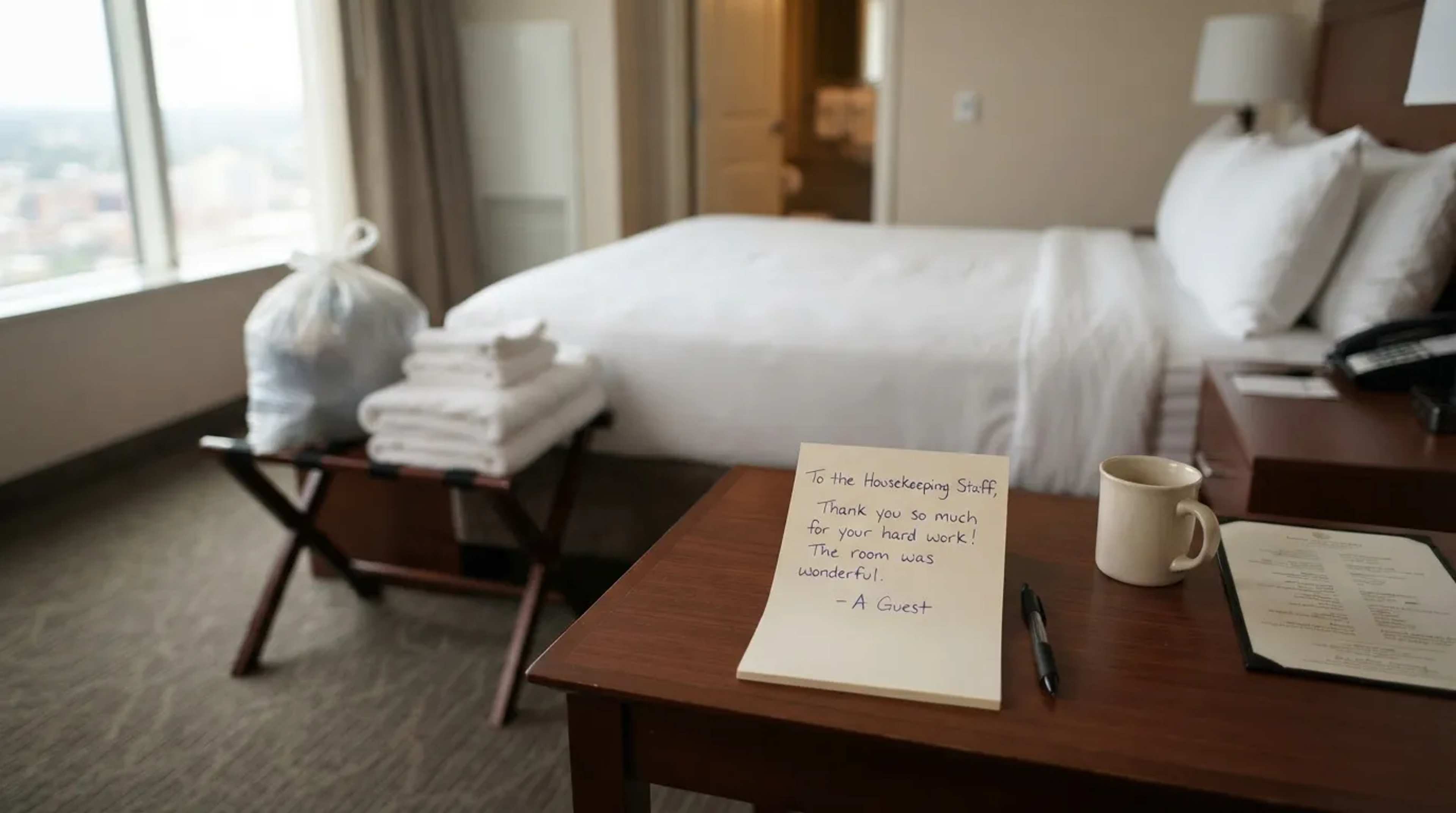
The idea that a stranger enters your room every day whether you ask for it or not no longer sits well with many travelers. Major brands responded by flipping the default. Hilton announced it was moving to an opt-in model for daily housekeeping at its non-luxury U.S. properties, and other brands with similar policies now include Marriott International, Wyndham Hotels and Resorts, and Extended Stay America.[4]
Part of the appeal is simply peace of mind. Many guests feel less comfortable with someone entering their rooms after checking in, viewing it as a potential security risk they would rather minimize, while others simply want privacy and feel disturbed by staff knocking on the door.[5] Hotels that let guests choose when, or whether, their room gets serviced tend to score better on comfort and control.
Single-Use Plastic Toiletry Bottles
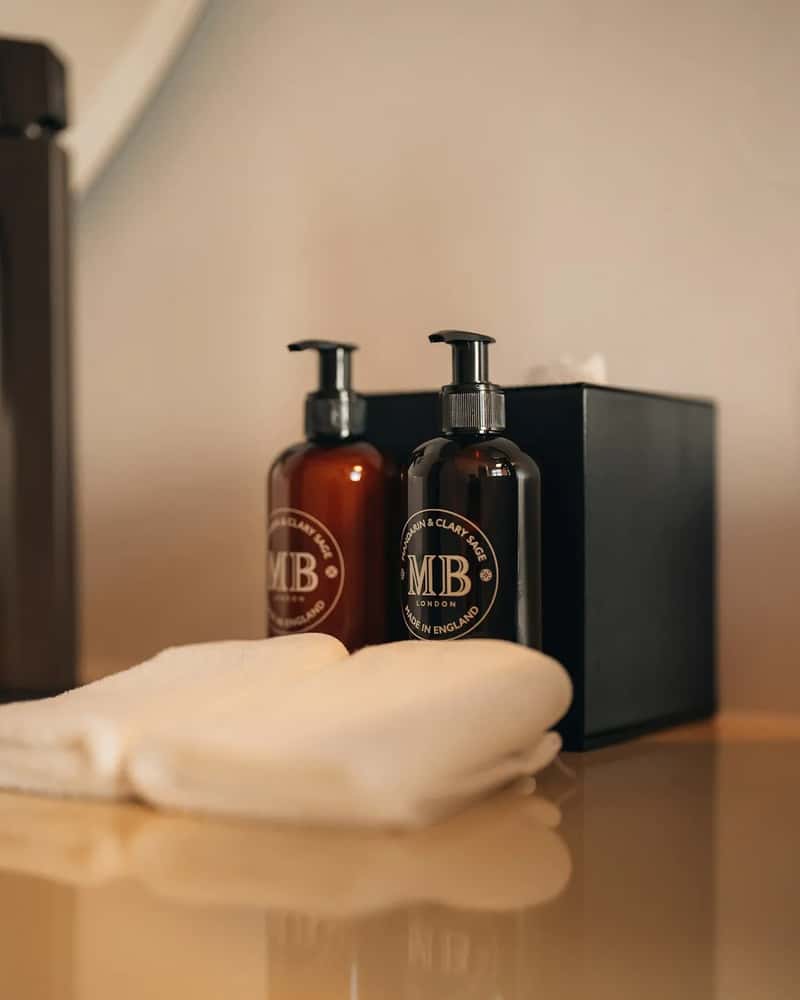
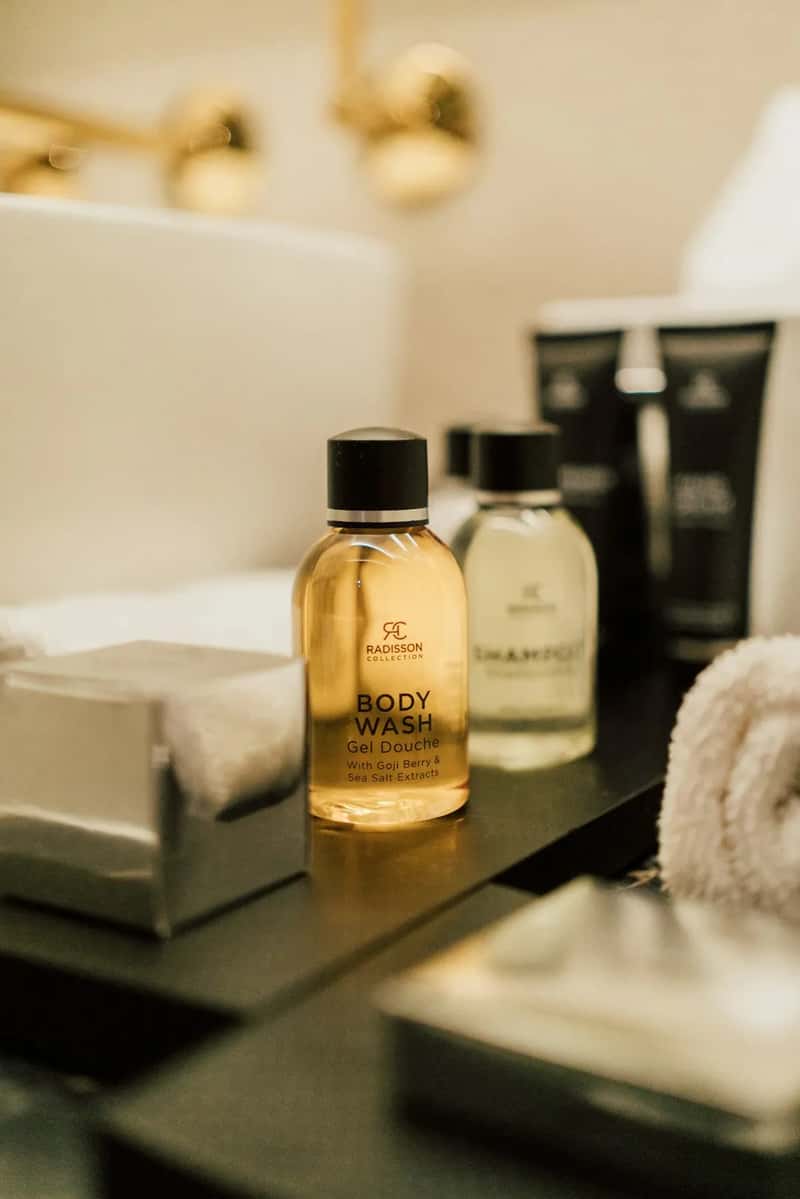
Tiny plastic shampoo bottles used to feel like a small luxury. Now they read as clutter and waste to a growing share of travelers. Some of the biggest names in the industry, including Best Western, Marriott, and the owners of Holiday Inn and Crowne Plaza, have moved to reduce the use of amenity bottles in their properties.[6]
Wall-mounted refillable dispensers have replaced the little bottles at a growing number of properties, cutting both plastic waste and restocking costs. This shift lines up with a broader sustainability push across the industry, as hotels weigh eco-conscious guest preferences against the operational expense of green upgrades. Guests rarely miss the tiny bottles once they are gone.
In-Room Landline Telephones
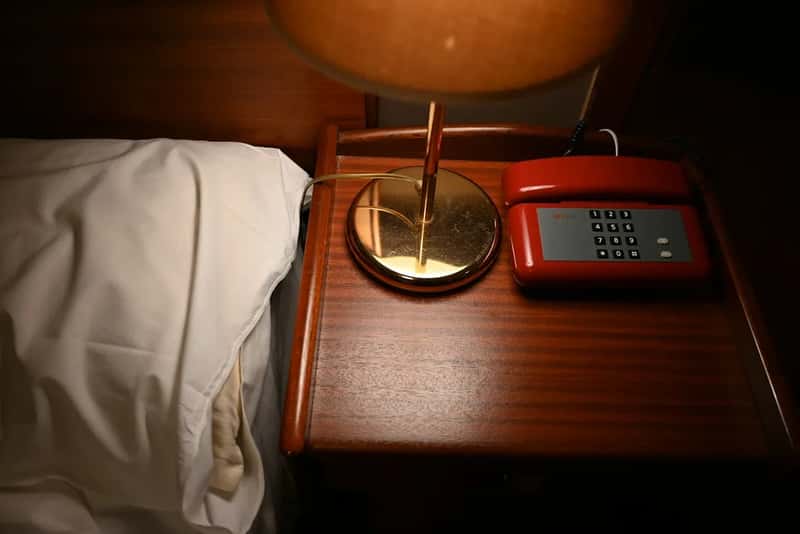
The hotel room phone sits on the nightstand mostly untouched these days, a relic from an era before everyone carried a mobile device loaded with apps. It is often listed as one of the perks bundled into a resort fee, alongside things like Wi-Fi, pool access, fitness center use, local phone calls, and sometimes parking or a daily newspaper.[3] Few guests would notice, let alone complain, if the phone disappeared entirely.
What travelers actually want instead is control through their own device. A simple, opt-in messaging system or an app that lets guests book amenities, receive reminders, and request service without replacing people where they matter tends to boost satisfaction significantly.[7] Calling the front desk from a corded phone feels almost old-fashioned when a quick text or app tap gets the same job done faster.
Printed Daily Newspapers
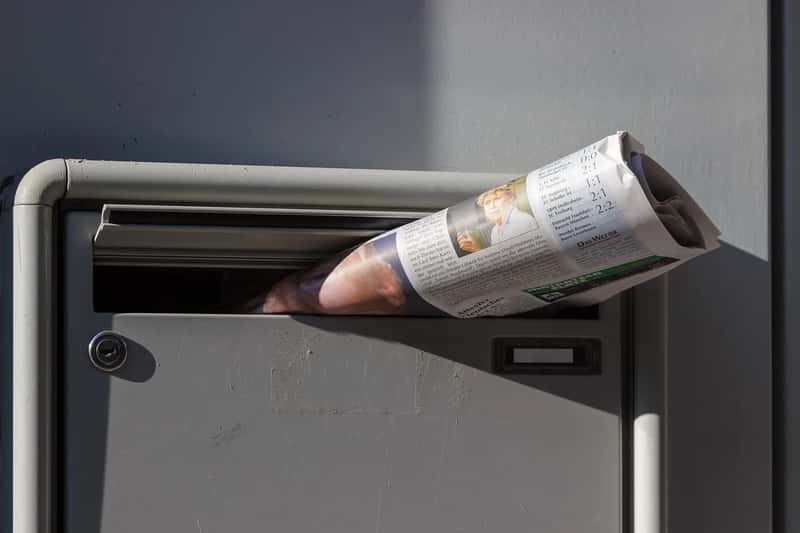
Delivering a physical newspaper to the door each morning made sense when that was how most people caught up on the news. Today it mostly goes straight into the recycling bin unread. It remains one of the amenities occasionally tucked into resort fee packages, right alongside phone calls and towel service, even though almost nobody asked for it in the first place.
Hotels are gradually swapping the paper for digital alternatives instead. A clear in-room or digital guide to services and local offerings has taken over the role that a printed newspaper or compendium used to play.[7] Guests get faster, more relevant information on their phones anyway, making the paper feel like an unnecessary extra cost passed along in the fees they already resent.
Paid Bottled Water in the Room
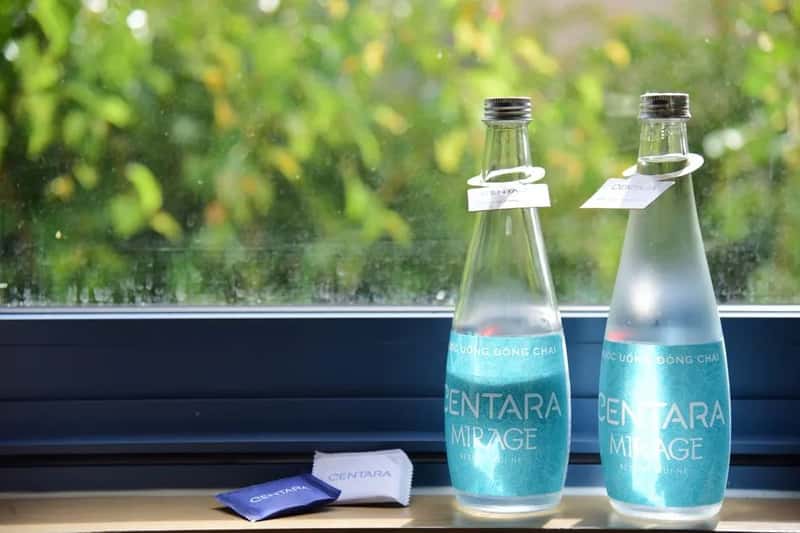
Charging six or eight dollars for a small bottle of water placed suggestively on the desk has always struck many guests as a cheap trick rather than a real amenity. The tide is turning against it. Wi-Fi, parking, and bottled water are increasingly moving to the complimentary side of the ledger rather than being billed separately.[8]
Part of the pushback comes from awareness that this exact item often gets double billed. Resort fees can add $25 to $70 per night, often covering things like Wi-Fi, gym access, or bottled water that guests may never actually use.[9] Travelers who already pay a mandatory fee that supposedly includes water are understandably annoyed to find a second charge waiting on the nightstand.
The Bottom Line
The pattern across all seven amenities is consistent: guests are rejecting extras that feel forced, overpriced, or simply outdated, in favor of choice, transparency, and lower total costs. Minibars, resort fees, forced housekeeping, plastic toiletries, landline phones, printed newspapers, and paid bottled water all share the same problem, they cost more than they are worth to the traveler actually paying for the room.