Ask someone in their sixties what a trip should cost, and you’ll likely get a number that sounds almost old fashioned compared to what younger travelers report paying. Yet the reality of 2026 travel pricing has caught up with even the most careful planners, forcing budget conscious retirees to rethink what “affordable” really means.
The numbers tell an interesting story. Older travelers are still finding ways to see the world without draining their savings, but the strategies behind those numbers reveal just how deliberate this generation has become about where every dollar goes.
What a typical trip actually costs right now
Industry data from AARP puts the picture in fairly plain terms. The average senior traveler spends between $3,000 and $5,000 per trip[1], a range that covers everything from a modest domestic getaway to a more involved international itinerary. That figure isn’t a hard ceiling, of course, since a weekend visiting grandchildren costs far less than a two week tour through Europe.
What stands out is how central travel remains to retirement spending decisions overall. AARP found that 86% of surveyed adults age 50 and older ranked vacations among their top three discretionary spending priorities for 2026, ahead of entertainment such as dining out and concerts.[2] That ranking matters because it shows travel isn’t treated as an afterthought once the budget is drafted. It’s often one of the first things planned for, not the last.
Why annual travel budgets keep climbing

Looking at spending across a full year rather than a single trip paints an even clearer picture. Baby boomers average four to five trips per year and spend around $6,600 on travel annually, though they don’t all spend that much per trip.[3] That distinction is important. A handful of shorter, cheaper trips can add up to a similar total as one big vacation, just spread out differently.
Some surveys show even higher totals among wealthier boomer households. One 2025 report found that travel budgets soared more than 30% to $5,915 per person overall, with baby boomers expecting to spend $12,462[4]. Budget minded travelers in their sixties tend to sit well below that ceiling, favoring value over splurge, but the trend of rising overall travel spending touches nearly everyone in this age group.
Domestic trips still deliver the best value

For many retirees, staying inside U.S. borders remains the surest way to control costs. A week long domestic trip is genuinely achievable under $1,000 per person when travelers choose mid tier cities like Pittsburgh, Asheville, or San Antonio over New York and San Francisco.[3] These cities offer walkable downtowns, historic charm, and lower hotel rates without sacrificing much in the way of culture or food.
Savannah rounds out the list of favorites for similar reasons. Savannah, Georgia, San Antonio, Texas, and Asheville, North Carolina consistently rank as top domestic choices for seniors, offering walkable areas, rich culture, and relatively low costs compared to major coastal cities.[5] None of these destinations require a car heavy itinerary or premium airfare to reach, which keeps the whole trip within a modest range.
Stretching the dollar overseas

International travel doesn’t automatically mean higher costs, especially in parts of Southeast Asia that remain popular with retirees on fixed incomes. In Chiang Mai, Thailand, street food runs one to three dollars per meal, and a decent hotel room costs six to twelve dollars per night, meaning a two week trip for one person can cost well under $700, excluding flights.[5] Vietnam offers a similar value proposition, with a comfortable daily budget of $30 to $40 covering a clean guesthouse or budget hotel, three meals, local transportation, and entry to most attractions[5].
Many older travelers choose to see these regions through organized tours rather than solo backpacking. Group tours generally offer better per person value than solo travel for international destinations, with group rates on transportation, accommodation, and guided experiences typically 20 to 35% lower than equivalent solo bookings.[5] Companies such as Road Scholar have built entire businesses around this preference, pairing lower costs with the kind of structured itinerary that removes much of the guesswork from unfamiliar countries.
Cruise pricing for the budget minded
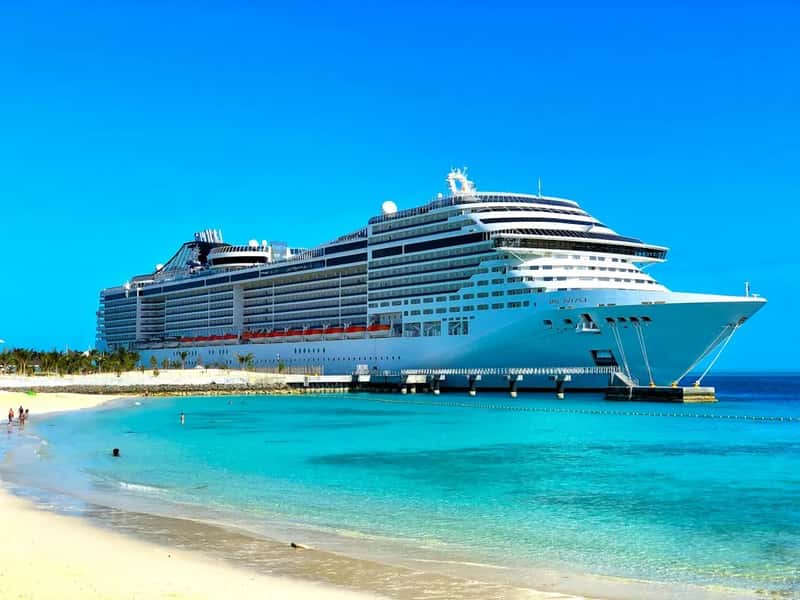
Cruising remains one of the more predictable ways to budget a vacation since meals, entertainment, and lodging are bundled into one fare. The spread in pricing is wide though. A seven night cruise can range from budget friendly options starting around $400 per person to luxury voyages exceeding $3,000 per person, depending on the destination, cruise line, and cabin type.[6] Choosing an interior cabin on a shorter itinerary keeps a trip firmly on the low end of that scale.
Age based discounts add a little more room in the budget. MSC Cruises offers up to 10% off for passengers aged 65 and older on select sailings.[7] AARP membership adds another layer of savings on top, with cruise fares often running 5 to 15% less for members, plus onboard credit typically between $50 and $300[8]. For a retiree comparing several cruise lines, those combined discounts can shift a trip from a splurge into something genuinely affordable.
Getting there without overspending

Flights remain the single biggest wildcard in any travel budget, and older travelers have learned to work around peak pricing whenever possible. Travelers over 60 can fly midweek for 20 to 30% less, travel during shoulder season for 20 to 40% savings, stay longer for weekly discounts, and use senior discounts unavailable to working age travelers.[9] None of these tricks require special access, just flexibility with dates.
Rail travel offers its own version of this savings pattern. Amtrak travelers aged 62 and older are eligible for a 15% discount on the lowest available rail fare on most Amtrak trains.[10] For retirees traveling regionally rather than crossing an ocean, that discount can make train travel noticeably cheaper than driving once gas, tolls, and parking are factored in.
Where the lodging discounts really add up

Hotels represent one of the largest single line items in any trip, which is why senior rates matter so much to a tight budget. Hotel senior rates typically run 10 to 20% below standard pricing, while airlines may offer 5 to 15% off select fares.[11] Some chains go considerably further than that baseline. Hyatt offers senior discounts of up to 50% off for guests aged 62 and older.[10]
AARP membership acts almost like a master key across many of these lodging deals. AARP members aged 50 and older can save up to 35% on travel in 2026, including a membership rate that saves up to 25% on hotels like Hilton, Radisson, and Wyndham.[12] Given that the membership itself costs little more than a coffee run for the year, the return on a single hotel stay often covers the fee many times over.
Budgeting for travel insurance

Insurance is easy to overlook when tallying up a trip budget, yet it becomes more relevant with age, particularly for anyone managing an existing health condition. A senior in their late sixties traveling for two weeks internationally can expect to pay $150 to $400 for a comprehensive policy with pre existing condition coverage.[5] That range depends heavily on the destination and the level of medical coverage chosen.
For travelers heading somewhere with limited local medical infrastructure, skipping this expense to save money rarely pays off in the long run. Emergency medical evacuation alone can run into tens of thousands of dollars without coverage, which is why most financial guides treat travel insurance as a fixed cost rather than an optional add on. Budget travelers in their sixties increasingly build this line item into the trip total from the very beginning rather than treating it as an afterthought.
How often today’s 60s travelers hit the road

Trip frequency says almost as much about spending habits as the price tag on any single vacation. Older travelers expect to take an average of 3.9 trips in 2026, and their recent behavior suggests that number could climb further since adults 50 and older planned 3.6 trips for 2025 but ultimately took 4.2.[2] A busier travel calendar doesn’t necessarily mean a bigger overall budget, since many of those extra trips are short regional visits rather than costly international journeys.
This pattern lines up with how the generation compares to younger travelers as well. Adults 60 and older took an average of 4.2 leisure trips in 2025, more travel frequency than most millennials.[13] Spreading a fixed annual travel budget across more, smaller trips has become one of the quieter but more effective strategies for staying within a comfortable spending range.
The bottom line

Budget travelers in their sixties aren’t spending less because they want less from their trips. They’re spending smarter, favoring shoulder season flights, senior discounted hotels, and destinations where a modest daily budget still buys a comfortable stay. The result is a generation that travels frequently, plans further ahead than most, and treats every discount as worth asking about rather than assuming it doesn’t apply to them.