Ski season doesn’t have to mean draining a bank account on Alpine hotel rooms and eye-watering lift passes. Across the Balkans, Central Europe, and even the Caucasus mountains, there’s a whole tier of ski towns where a season pass, a warm bed, and a decent plate of food cost a fraction of what skiers pay in Aspen or Zermatt. Industry price trackers like the FOREX Ski Index, which benchmarks resorts against Sälen in Sweden, consistently point to the same handful of destinations when the question turns to real affordability.
What follows is a gallery of seven towns where winter living stays genuinely within reach, whether you’re renting an apartment for the season or just stretching a modest travel budget across months of snow. These aren’t glossy postcard resorts with five-star chalets. They’re working ski towns where the infrastructure keeps improving each year while prices, refreshingly, have not caught up with their Western European neighbors.
1. Popova Šapka, North Macedonia
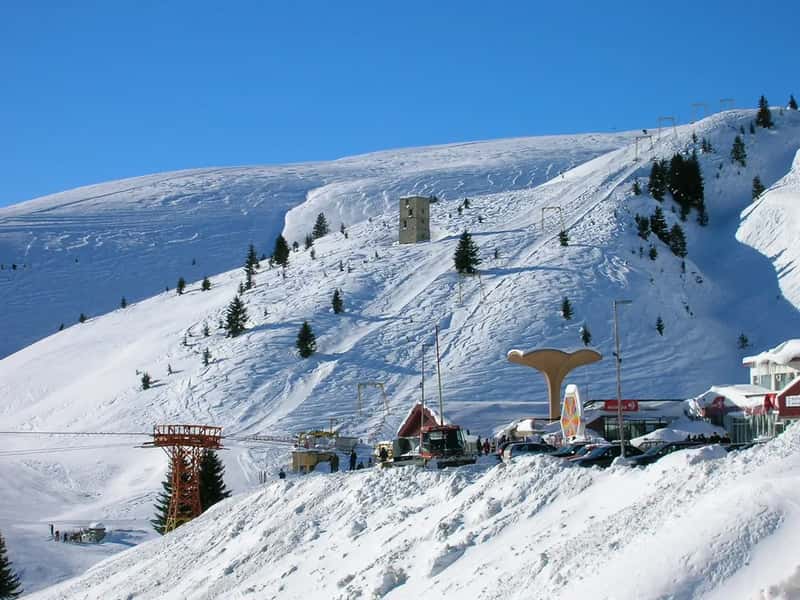
Tucked into the Šar Mountains near Tetovo, Popova Šapka rarely shows up on international ski itineraries, yet it consistently tops the affordability charts among European resorts. Popova Shapka in North Macedonia and Kopaonik in Serbia are the cheapest ski resorts in the FOREX Ski Index 2026. That ranking compares lift passes, gear rental, and food and drink costs across the continent, and Popova Šapka comes out on top for a reason: it’s a modest, unpretentious resort that never built the marketing machine that inflates prices elsewhere.
Winter living here suits people who want low overhead more than luxury amenities. Small guesthouses and family-run apartments dominate the accommodation scene, and daily expenses like meals and transport stay well below what you’d pay in Austria or Switzerland. It’s a quiet choice, but for skiers building a season around cost control rather than glamour, that quiet is part of the appeal.
2. Kopaonik, Serbia
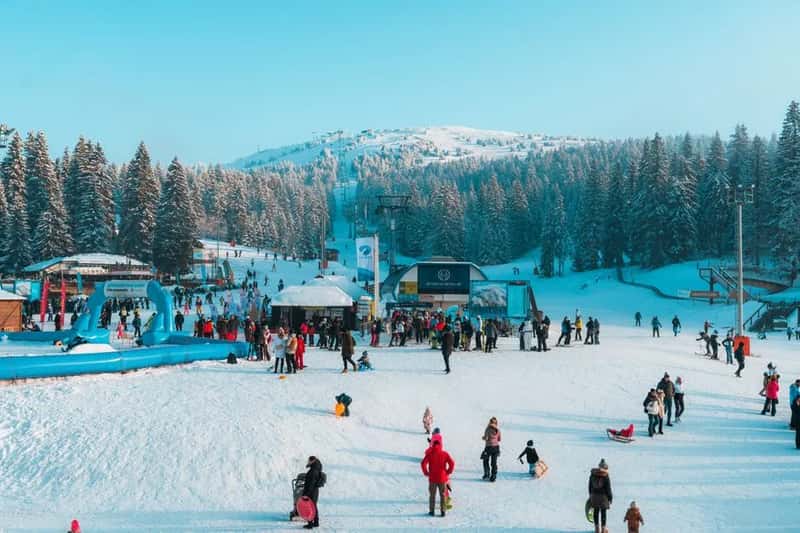
Serbia’s largest ski area shares the top spot in that same affordability index, and it brings considerably more terrain to the table than its Macedonian neighbor. Popova Shapka in North Macedonia and Kopaonik in Serbia are the cheapest ski resorts in the FOREX Ski Index 2026, with Brezovica, Kosovo’s largest ski resort, in third place. Kopaonik sits inside a national park, which keeps development somewhat controlled while still supporting a genuine ski town with hotels, rental shops, and a functioning après-ski scene.
The resort draws heavily from domestic and regional skiers rather than international package tourists, and that local orientation keeps prices grounded. Apartment rentals for extended winter stays remain reasonable compared to almost anywhere in the Alps, and the mountain’s elevation gives it a fairly reliable snow season. For anyone comfortable navigating a resort that speaks more Serbian than English, Kopaonik offers real value.
3. Brezovica, Kosovo
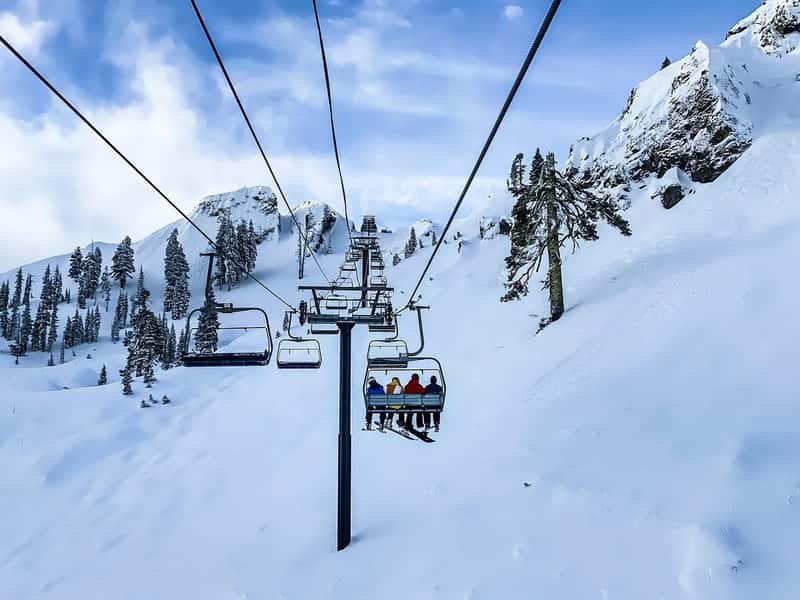
Brezovica is the wildcard on this list, a resort with dramatic natural terrain and infrastructure that has struggled for years to catch up with its potential. In third place is Brezovica, Kosovo’s largest ski resort. Its lift system is dated compared to newer Balkan competitors, but that’s precisely why costs stay so low. There’s little premium built into prices when the amenities themselves remain basic.
For skiers prioritizing budget over polish, Brezovica delivers big mountain scenery in the Šar range at prices that undercut nearly every resort in Western Europe. Living costs in the surrounding villages are modest by regional standards, and food, transport, and rentals all come in cheap. It’s not a place for skiers who need modern gondolas and heated boot rooms, but for value hunters willing to rough it a little, the terrain justifies the trip.
4. Bansko, Bulgaria
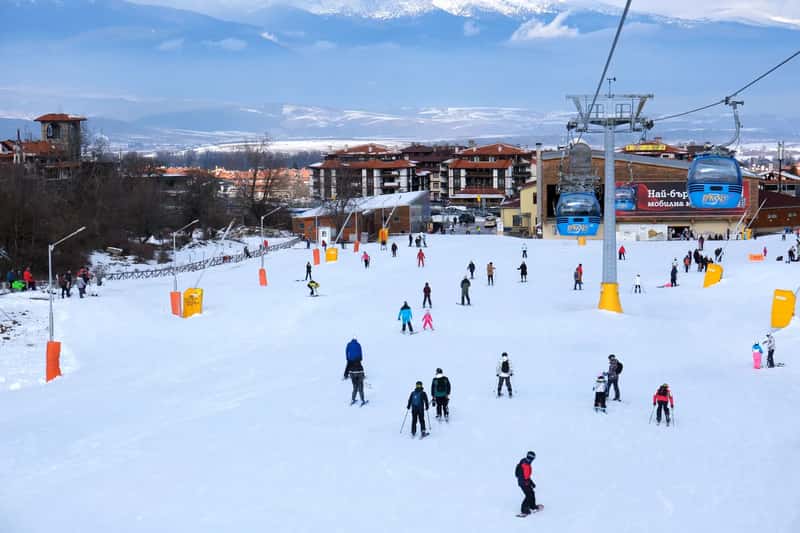
Bansko has built a reputation as Europe’s budget ski capital, and the numbers back it up. Lift tickets aren’t dirt cheap on their own, with a six day pass for the 2025-26 season setting skiers back around €341, but that’s not where the real savings happen. Accommodation is exceptionally cheap, food and drink prices are low, think €2.50 pints, and ski hire and lessons cost a fraction of what you’d pay in France or Switzerland. For a full winter, Bulgaria’s resort operator has priced a seasonal lift pass for adults at roughly 869 euros for the 2025-26 season, a figure that would barely cover a week in some Alpine resorts.
The town itself has grown into a genuine remote-work and ski-living hub, with a lively bar scene and modern gondola infrastructure feeding the slopes. The après ski scene is lively, if a little rough around the edges, and while it’s not a resort for endless mileage, it’s hard to beat for budget-conscious skiers who want reliable conditions and a buzzing atmosphere. The 2025-26 season runs from early December through mid-April, giving winter residents a long stretch of skiable months for their money.
5. Poiana Brașov, Romania
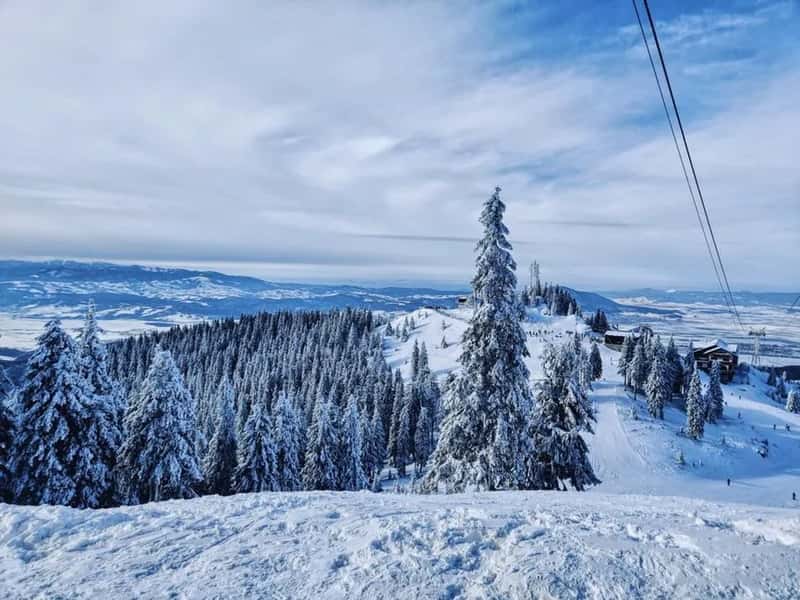
Romania’s ski scene centers on the Carpathian resort towns near Brașov, a historic Transylvanian city with a genuine year-round population and a much lower cost base than most Alpine gateway towns. Research comparing ski passes and accommodation across Europe found that Brasov, Romania is the cheapest, though the difference from other budget contenders isn’t huge. That makes it a strong pick for anyone weighing multiple cheap destinations against each other.
Because Brașov functions as a full city rather than a purpose-built resort, winter residents get access to normal grocery prices, public transport, and rental housing that isn’t inflated purely for tourists. Poiana Brașov itself, the ski area just outside town, offers modern lifts and a manageable slope network for intermediate skiers. The combination of city-level living costs and mountain access nearby is what makes this corner of Romania so appealing for a budget winter.
6. Jasná, Slovakia
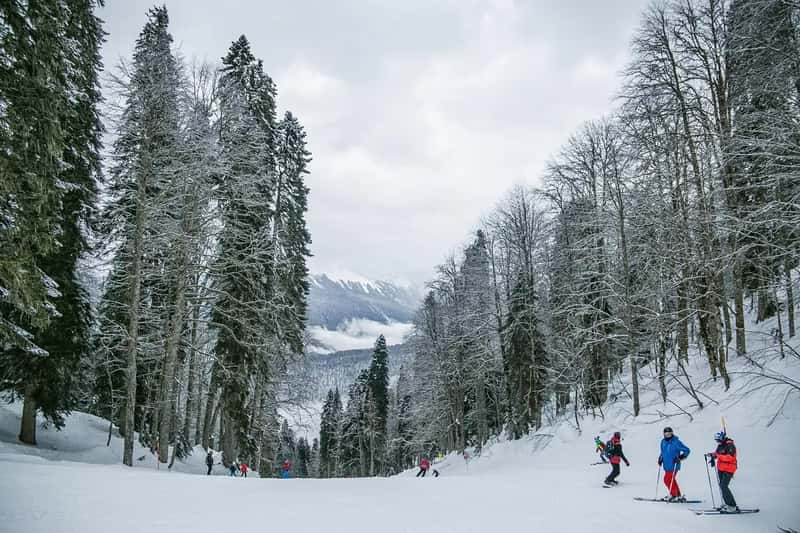
Jasná has quietly become one of Central Europe’s best value propositions, blending real Alpine-style infrastructure with prices that stay well below Austrian or Swiss norms. Jasná is the largest and most developed ski resort in Slovakia, set in the Low Tatras mountains, offering modern lift infrastructure, reliable snowmaking, and terrain that comfortably rivals better-known Alpine resorts. That’s a notable claim for a resort still considered a budget destination.
Beginners and intermediates are especially well served here, with wide pistes and long, flowing runs, while advanced skiers find steeper sections and freeride zones when conditions cooperate, and prices remain the resort’s biggest draw. Winter housing in the surrounding Liptov region tends to run cheaper than comparable ski towns in Austria or northern Italy, and the resort’s modern lift system means skiers aren’t sacrificing quality for affordability. It’s a solid middle ground for anyone who wants Alpine-grade skiing without the Alpine-grade bill.
7. Gudauri, Georgia
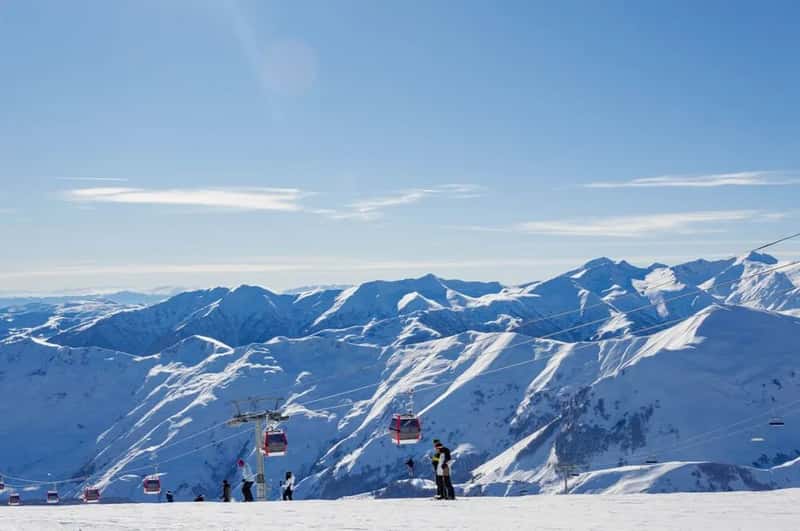
Perched high in the Greater Caucasus along the Georgian Military Highway, Gudauri offers some of the cheapest genuine ski infrastructure anywhere in the world. A daily adult ski pass costs around 70 lari, roughly 25 US dollars, providing full access to modern Doppelmayr lifts and gondolas across the entire resort. That’s a striking price for lift access that includes contemporary cable car systems rather than aging rope tows.
Housing costs match the pattern. Hostels start from around 15 dollars a night, with hotels running between 50 and 80 dollars and premium options from 150 dollars. The resort sits at elevations between roughly 2,200 and 3,279 meters, which keeps the snow season long and reliable from late December through mid-April. For skiers willing to travel a bit further off the beaten path, Gudauri delivers high-altitude terrain and modern lifts at prices that would be unthinkable in the Alps or Rockies.
Finding Value Without Sacrificing the Slopes
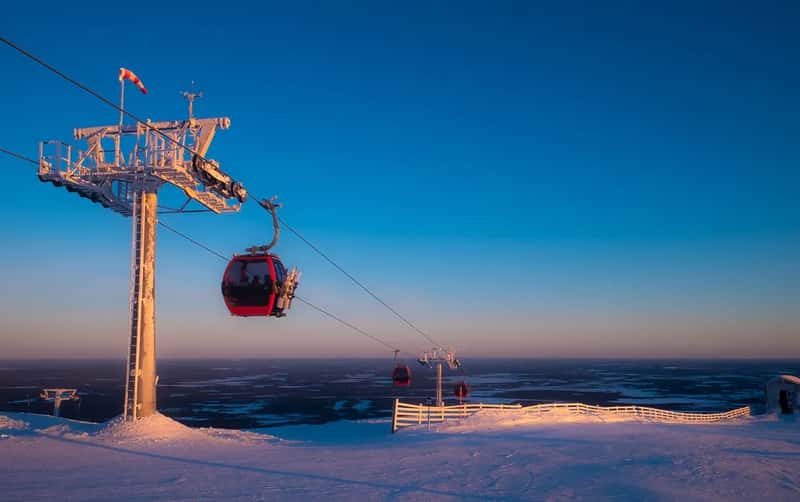
What connects these seven towns isn’t just low prices, it’s the fact that affordability hasn’t come at the total expense of quality. Bansko and Jasná both run genuinely modern lift systems, Gudauri’s Doppelmayr gondolas rival anything in Western Europe, and even the more rustic options like Brezovica and Popova Šapka offer real mountain terrain rather than glorified bunny slopes. The common thread is geography: all seven sit outside the traditional Alpine core, in regions where labor, land, and hospitality costs simply run lower.
For anyone planning a winter built around skiing rather than just a week’s vacation, these towns represent a different way to think about the sport. A season pass, an apartment, and a stack of grocery receipts can add up to less in Bansko or Gudauri than a single week might cost in Aspen or St. Anton. The mountains don’t care where the money comes from, and neither does the snow.