Most financial advisors will tell you to keep rent under a third of your paycheck. The study defines “comfortable” as needing only 30% of your income to cover housing costs, as is commonly recommended by financial experts.[1] That guideline works fine in plenty of places. In a handful of cities around the world, though, the math has stopped making sense entirely, and rent has drifted so far past local pay that a single year of housing can eat up the equivalent of ten or more months of an average worker’s income, sometimes more.
Reports from Deutsche Bank, Numbeo, Mercer and other cost of living researchers keep flagging the same small cluster of markets. In fact, in certain places, average net salaries are not enough to cover the rent for a one-bedroom apartment in the city centre, according to Deutsche Bank Research Institute.[2] These are cities shaped by concentrated wealth, land scarcity, or a rental market built for foreign buyers and executives rather than the people who actually staff the shops, offices, and restaurants there. Here are seven of them.
Monaco: A Rental Market Built for Someone Else’s Paycheck
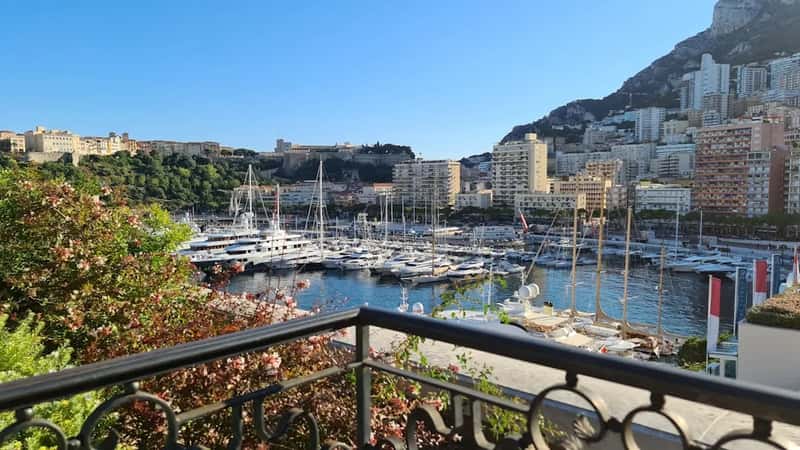
Monaco is tiny, glamorous, and almost entirely disconnected from ordinary wage math. One of the smallest sovereign states in the world, Monaco tops the list of places with the most expensive apartments for rent, with a rent index that comparison website Numbeo has ranked as the world’s highest.[3] Given the principality’s size, there is barely any housing stock left over once the ultra wealthy have claimed their share.
What makes Monaco stand out isn’t just the price tag, it’s who the market is actually pricing for. Much of the local workforce, from hospitality staff to shop clerks, earns wages that would need to be stretched across many, many months just to cover a single month’s lease in the city itself. That gap between resident income and resident rent is really the whole story here, and it’s a pattern the rest of this list echoes in different forms.
Hong Kong: A Housing Squeeze Decades in the Making
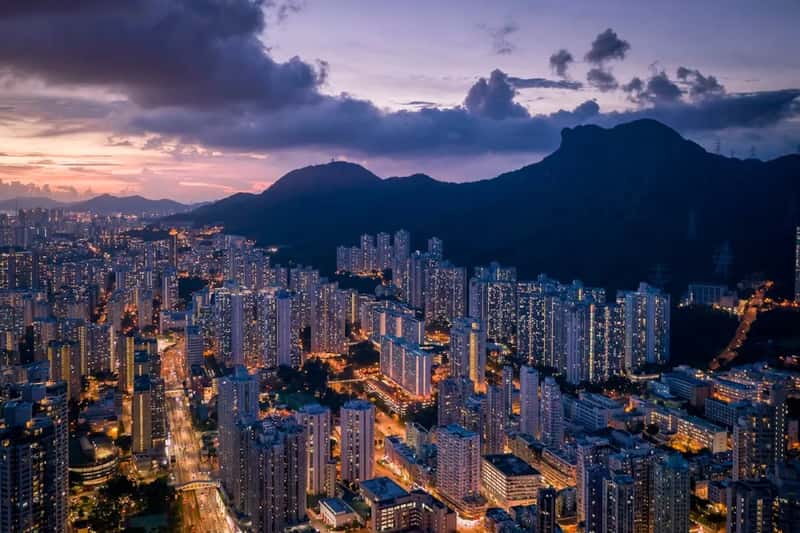
Hong Kong’s housing costs have been a fixture of global rankings for years. According to Mercer’s 2024 cost-of-living data, Hong Kong, Singapore and Zurich are the costliest cities for international workers, with Southeast Asian cities leading the overall list and Hong Kong holding the top position.[4] Limited land, dense population, and heavy investment demand have kept prices climbing even through periods when local wages barely moved.
One widely cited comparison found that Hong Kong’s rents were estimated by CBRE to be about 7 percent below New York’s, yet they are more unaffordable because Hong Kong’s median income is just 35 percent of New York’s, according to calculations based on government data.[5] A separate UBS analysis of the ownership side of the market found something similarly stark: a “skilled worker” needed 22 years of income to afford a 60-square-metre flat, up from 12 years a decade earlier, with salaries staying largely flat since 2008.[6] Renters face a lighter but related version of that same squeeze.
Luanda, Angola: Oil Wealth, Ordinary Wages
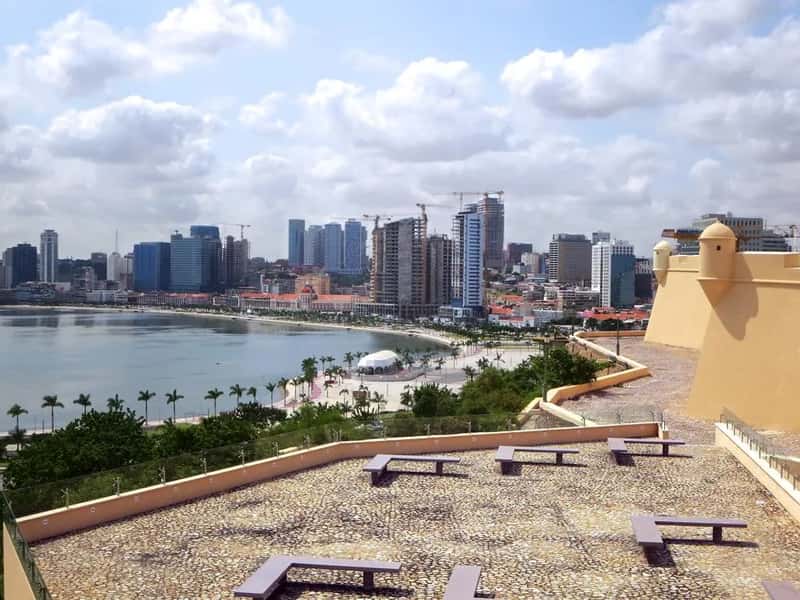
Luanda rarely makes headlines outside of cost of living reports, but when it does, it’s usually near the top. The world’s second most expensive city for renters has at times been Luanda, Angola, where apartments have been priced far above equivalent units in New York.[3] The city’s small pool of secure, executive-grade apartments caters mostly to oil industry expatriates and international staff, which pushes headline rents into territory that has little to do with everyday Angolan pay.
That disconnect is the point. A typical local salary in Angola sits nowhere near the rents charged in the compounds and gated apartment blocks that dominate Luanda’s upper rental tier. It’s a market shaped almost entirely by a narrow band of high earners, which leaves the rest of the working population effectively locked out of the formal rental sector altogether.
Lagos, Nigeria: Paying a Year’s Rent Before You’ve Moved In
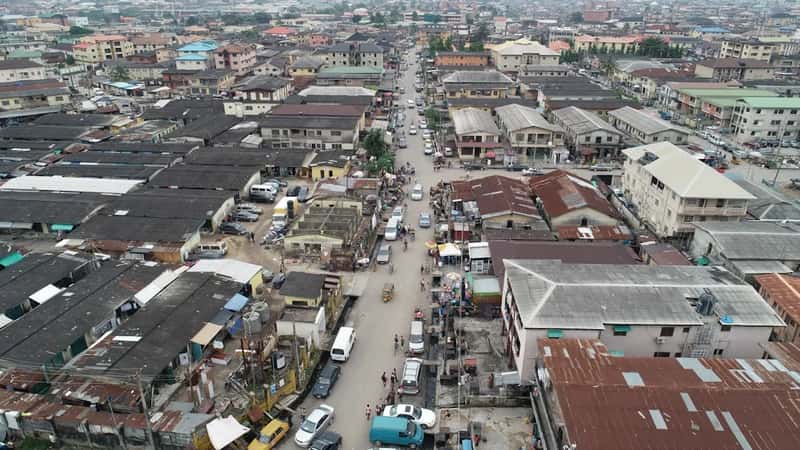
Lagos adds its own twist to the affordability problem: tenants there are often expected to pay well in advance. Middle-to-high-income housing can cost between $5,000 and $40,000 a year, and one reporter was asked for between $11,000 and $22,000 for a two-bedroom apartment with electricity in a good neighborhood like Victoria Island.[7] For a city where formal average wages are a fraction of that, the sums involved are simply out of reach for most residents without pooling family resources or taking on debt.
The upfront payment structure makes things harder still. The practice of paying rent in advance in Lagos also reflects the difficulty landlords often face in collecting rents.[7] Add in the geography, a coastal city built on limited land much like New York, and you get intense competition for a shrinking supply of decent units, which keeps prices climbing well beyond what typical local salaries can support.
Bogotá, Colombia: When Rent Outpaces the Paycheck Entirely
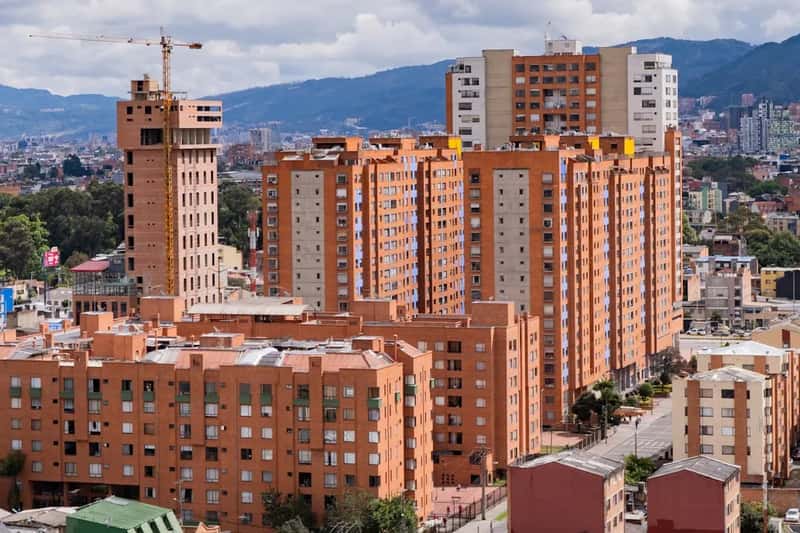
Bogotá shows up in global surveys as one of the clearest cases of rent simply overtaking income. Among cities where the salary does not cover the rent, Bogotá’s ratio has been recorded at 120 percent.[8] That figure comes from a broad comparison of net monthly pay against one-bedroom city center rents, and it means the average renter’s entire paycheck disappears into housing before a single other expense is paid.
Run that percentage across twelve months and the arithmetic gets uncomfortable fast. If rent alone consumes more than a full month’s salary every month, a year of housing costs works out to well over ten of an average worker’s monthly paychecks, which is exactly the kind of imbalance that pushes families toward shared housing, informal arrangements, or long commutes from cheaper outlying neighborhoods.
Mexico City, Mexico: Rents Reshaped by Outside Demand
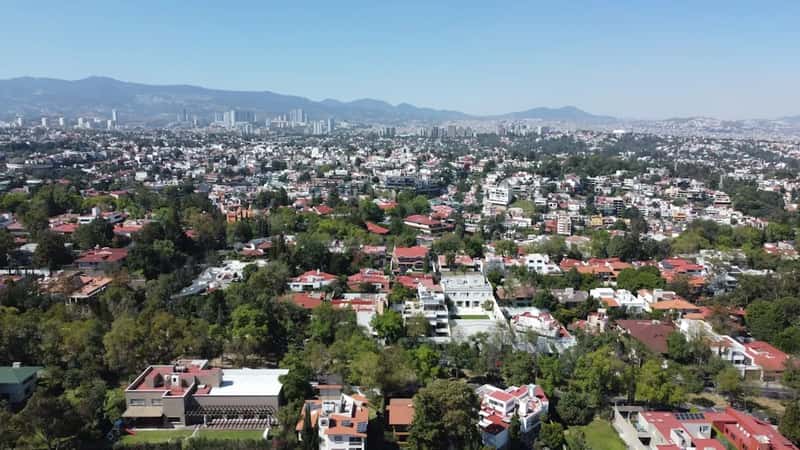
Mexico City lands close behind Bogotá in the same comparison. Mexico City’s rent-to-salary figure came in at 118 percent, meaning local net pay again falls short of covering the monthly lease on a typical central apartment.[8] Neighborhoods like Roma and Condesa have drawn considerable attention in recent years for rising rents, with many observers pointing to an influx of remote workers and short-term visitors as one contributing pressure on asking prices in those specific pockets.
That pressure doesn’t spread evenly across the city, but it does ripple outward. As landlords in fashionable districts chase higher rents from visitors and transplants, nearby areas absorb some of the overflow demand, and the gap between what a typical Mexico City salary can support and what apartments actually rent for keeps widening in the most desirable corners of town.
São Paulo, Brazil: A Quieter Version of the Same Problem

São Paulo’s numbers look less extreme than Bogotá’s or Mexico City’s, but the underlying issue is identical. São Paulo’s rent-to-salary ratio was measured at 102 percent, still enough to mean the average net salary doesn’t fully cover the average central rent.[8] Brazil’s broader income inequality plays a role here too, since a relatively small share of high earners can support premium rents in central neighborhoods while the median wage sits well below what those units cost.
The result is a rental market with two speeds. Central, well connected areas near business districts stay priced for a smaller pool of professional tenants, while much of the workforce commutes in from more affordable outer zones, a pattern that shows up in cities across Latin America but has been especially well documented in São Paulo’s case.