Packing up a life in the United States and starting over somewhere new sounds romantic until the paperwork arrives, the small talk disappears, and the grocery store closes at a time that makes no sense. Every year, surveys of expats around the world quietly track which countries actually deliver on the fantasy of easy relocation and which ones leave newcomers feeling like permanent outsiders. Based on recent data from InterNations Expat Insider surveys and firsthand accounts from Americans who have made the leap, a handful of countries consistently show up as the toughest places to feel truly settled, regardless of how beautiful the scenery or how strong the paycheck.
Kuwait
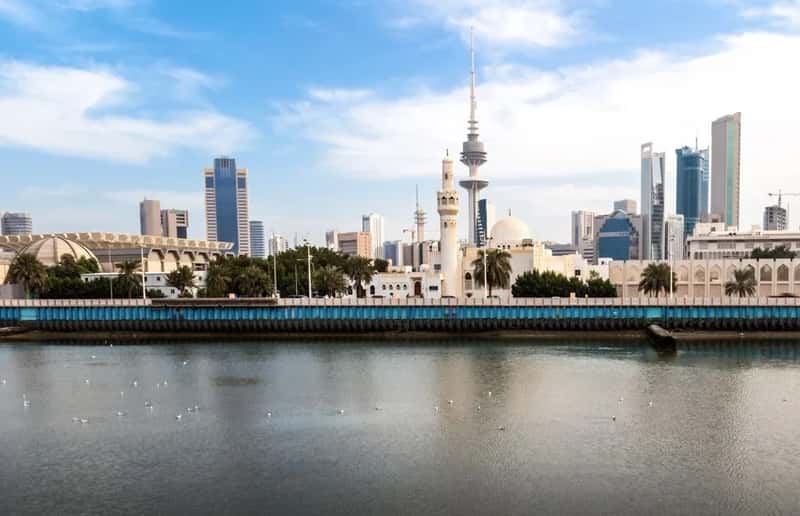
Kuwait has built a reputation that InterNations data confirms year after year. Kuwait finishes 46th out of 46 in Ease of Settling In, putting it dead last in the 2025 survey. The numbers behind that ranking are not subtle either, since its subcategory scores are just as severe: 46th for Culture & Welcome, 46th for Local Friendliness, and 40th for Finding Friends.
What makes this especially notable is how long the pattern has held. InterNations says Kuwait has ranked last in this index every year since the survey began in 2014, except once in 2017. The lived experience backs up the statistics too, with around 44% of expats saying they did not feel at home there, compared with 23% globally, while 37% said they did not feel welcome, versus 18% worldwide. For Americans used to friendly small talk with strangers, that gap can feel isolating fast.
Norway
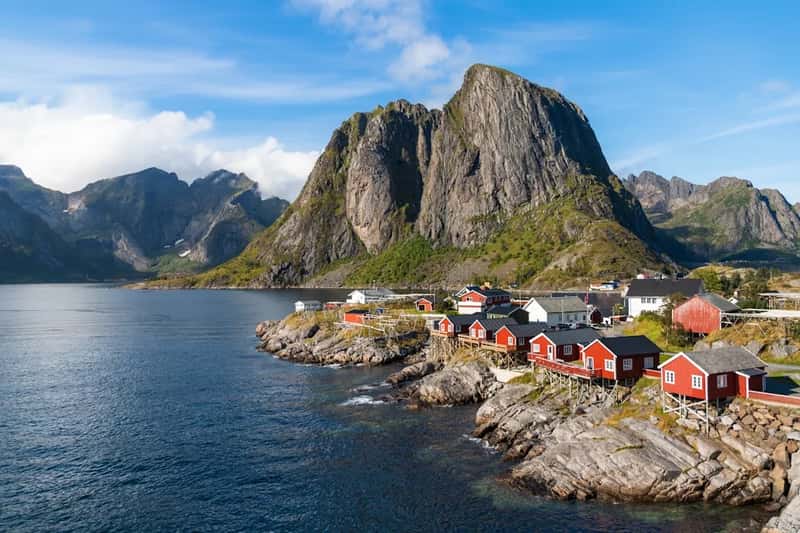
Norway rarely makes anyone’s list of unfriendly countries on paper, but the survey data tells a more complicated story. Norway ranks 45th for Ease of Settling In, making it the second-worst country in the 2025 results, with subcategory scores of 45th for Culture & Welcome, 43rd for Local Friendliness, and 44th for Finding Friends. That spread across nearly every measure suggests the difficulty is not a single sore spot but something more systemic.
This is not a one-year fluke either. InterNations says Norway has now landed in the bottom 10 for six straight years, and the report points to cultural adjustment as a particular struggle. Americans who move there often describe a country that is safe, efficient, and scenic, yet socially closed in ways that take years to crack rather than months.
Germany

Germany’s paperwork culture is legendary among expats, and recent survey results back up the frustration. In the overall ranking, with lower rankings indicating better performance and higher rankings indicating worse performance, Germany placed 30th out of 31 countries in 2025. Much of the trouble traces back to administrative friction, since in places like Germany, outdated systems have not fully caught up with the digital age, and one expat account described how nothing is available in English, and very little is digitalized, so emails often go unanswered.
Cost of living has compounded the frustration too. Rents in German cities are up 44 percent compared to 2016, and it’s easier to get a German passport now, though the process itself remains slow. On top of the bureaucracy, Americans often note the strict social norms, since many stores, restaurants, and businesses close on Sundays, especially in countries like Germany, and this strict separation between work and rest time challenges American expectations of constant availability.
Switzerland

Switzerland offers a strange contradiction for newcomers: pristine infrastructure paired with a wall of social reserve. On the settling-in dimension, Switzerland ranks 39th, among the worst for the third time in a row. This is not a new phenomenon either, since a similar survey years earlier found Switzerland polled 61st out of 67 nations in terms of friendliness to foreigners.
Daily life there runs with a precision that can feel both impressive and alienating to Americans. Switzerland can surprise Americans with how clean, orderly, and expensive daily life feels, with trains running with impressive precision and quiet hours taken seriously in many apartment buildings, making efficiency feel like part of the national personality. That order extends to social circles too, which tend to stay closed to outsiders long after the paperwork is sorted.
Japan

Japan draws Americans in with its culture and safety, then confronts them with a social rulebook that takes years to fully learn. Japan presents Americans with perhaps the most comprehensive culture shock through its intricate social rules, and the Japanese metro system operates on unspoken rules where people do not speak loudly if at all and everyone maintains strict personal space. For newcomers used to casual chit chat, this quiet formality can feel like being permanently on the outside of a conversation.
Even small gestures carry different weight there. In Japan and South Korea, tipping might even be seen as insulting, and this revelation often catches American travelers off guard, especially when their attempts at generosity are met with confusion or offense. The indirectness runs deeper than etiquette too, since expats there commonly describe struggling with communication styles built around reading between the lines rather than saying things outright.
South Korea
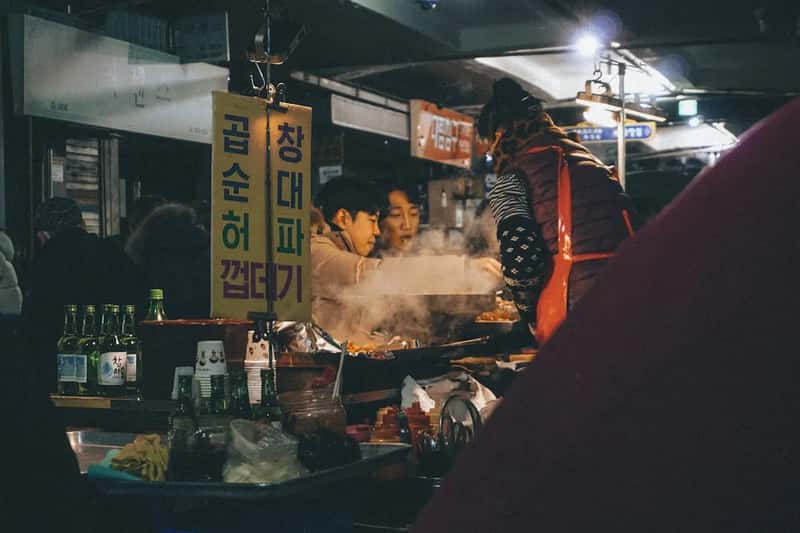
South Korea has climbed fast on nearly every modern convenience metric, yet expats still rank it among the toughest places to settle. South Korea (44th), Türkiye (45th), and Kuwait (46th) make up the bottom 3 in the 2025 Expat Insider survey. Part of the strain comes from cost, since expats there struggle with personal finance, housing, and medical costs relative to other destinations.
The social terrain adds another layer of difficulty for Americans. South Korea can feel futuristic in one moment and deeply traditional in the next, and Americans are often surprised by the social rules around age, respect, and group etiquette, where a simple dinner can involve layers of custom, from how drinks are poured to who starts eating first. Getting those details wrong will not usually cause offense, but it does make newcomers acutely aware of how much unwritten protocol governs daily interactions.
Türkiye

Türkiye sits at the bottom of recent rankings largely because of how demanding working life there proves to be for foreigners. South Korea, Türkiye, and Kuwait make up the bottom 3, and expats are in particular agreement that working in these countries is tough, with all three ranking in the bottom 10 of the Working Abroad Index, as well as the bottom 3 spots for Work Culture & Satisfaction. That combination of professional friction and cultural distance makes it a harder landing spot than its history and hospitality might suggest.
Americans drawn to Türkiye for its food, geography, and lower cost of living often find the adjustment curve steeper than expected once the honeymoon phase passes. The bureaucratic side of daily life, from residency permits to banking, tends to move at a pace that clashes with American expectations of speed and predictability. Even with a genuinely warm culture on the ground, the systems surrounding expat life there have consistently scored poorly among people who have actually lived through them.
What Makes Adjustment Hard in the First Place

Across all seven countries, two threads keep repeating: language friction and the slow build of genuine friendship. Two factors decide social integration more than any ranking: language friction, since in countries where daily life is hard without the local language expats report more isolation and slower integration, while where English goes further or locals are patient, newcomers settle faster. Loneliness tends to peak early too, before routines and friendships have time to form.
None of this means these countries are bad places to live. It means the emotional cost of moving there is real and well documented, not just a personal failing of someone who did not try hard enough. A place can be safe, efficient, scenic, and easy to admire while still proving socially difficult for people trying to build an actual life there. For Americans weighing a move abroad, that distinction between admiring a country and actually settling into one is worth taking seriously before the moving boxes get packed.