Most of us grew up with a world map that felt fixed, as if every border had been settled decades ago. That’s not quite true. In the last few decades, a handful of nations have formally stepped onto the world stage for the first time, some through referendums, others through decades of armed struggle or negotiated settlements. Their stories are surprisingly recent, and several are still working out what independence actually means in practice.
South Sudan: the world’s youngest recognized nation
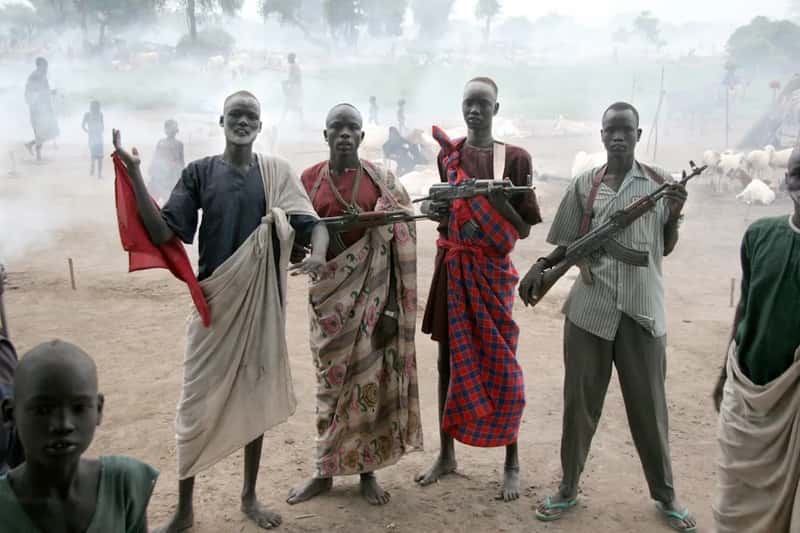
South Sudan holds the distinction of being the most recently formed country with broad international recognition. South Sudan gained its independence from Sudan on 9 July 2011, becoming the world’s youngest nation. The split followed a referendum in which the vast majority of southern Sudanese voted to separate from the north, closing out decades of civil conflict.
Kosovo: independence without a UN seat
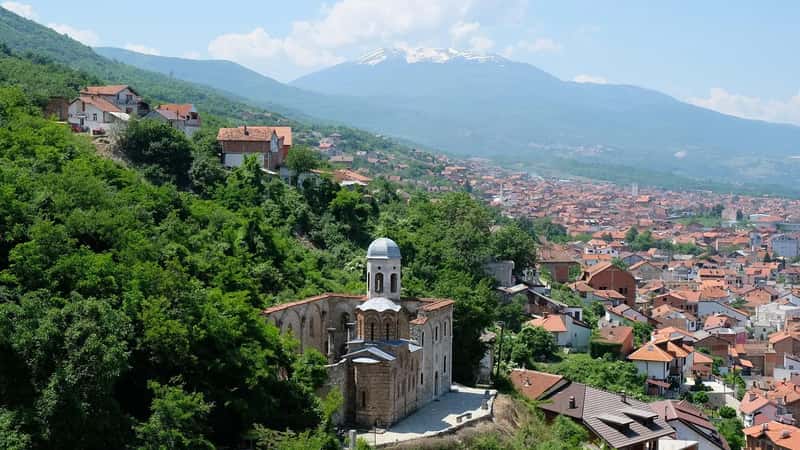
Kosovo is the second youngest nation by declaration date, though its story is complicated by the fact that not everyone agrees it’s a country at all. On February 17, 2008, Kosovo formally declared independence from Serbia, following years of UN-administered transition after the 1999 NATO intervention. It remains, as of 2026, the youngest partially recognized state in Europe.
Recognition has grown steadily but never became universal. As of 2026, the number of UN member states that have formally recognized Kosovo’s independence is approximately 115, representing a clear majority of the 193 UN members. Still, Kosovo cannot join the United Nations because three of the P5 permanent Security Council members recognize Kosovo while Russia and China oppose recognition and have used the Council framework to block UN membership. Serbia’s continued refusal to accept the split keeps the dispute alive, even as more countries, including Sudan in 2025, add their names to the list of recognitions.
Montenegro: a peaceful split from Serbia
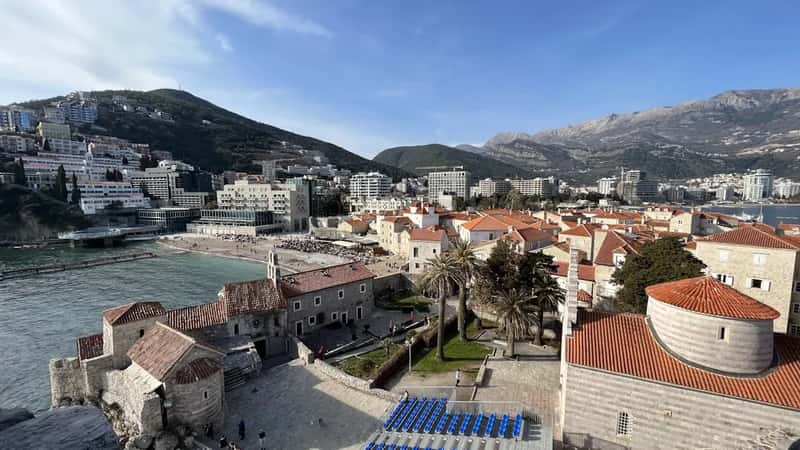
Montenegro’s independence came through the ballot box rather than conflict, which makes it something of an outlier on this list. In a referendum held on May 21, 2006, 55.5 percent of Montenegrins voted to end the federation of Serbia and Montenegro, and on June 3, 2006, Montenegro declared its independence, which was recognized by the Serbian parliament two days later. The margin was razor thin, clearing the required threshold by just half a percentage point.
Two decades on, the country has built a fairly stable path forward. Montenegro has preserved peace, consolidated its international subjectivity, joined NATO, and advanced further than any other Western Balkan country in negotiations with the European Union. Montenegro marked its twentieth anniversary of independence in May 2026, and EU officials have signaled it is now the frontrunner among Balkan candidates for eventual membership, with talk of accession possibly finalizing around 2027 or 2028.
Serbia: independence as the union’s successor state
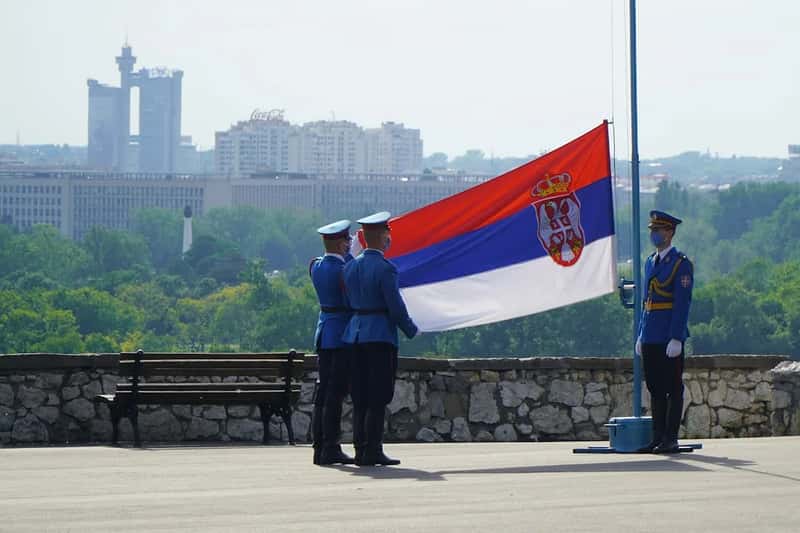
Serbia’s case is a little unusual, since it didn’t break away from anything in the traditional sense. Instead, when Montenegro voted to leave their joint federation in June 2006, Serbia became the automatic legal successor to the State Union of Serbia and Montenegro, effectively gaining full independent statehood in its own right for the first time since the union was formed in 2003.
Before that, Serbia had spent years as part of larger federations, first Yugoslavia and later the short lived union with Montenegro. The 2006 split gave Belgrade a fully sovereign, standalone government and its own seat at the United Nations, separate from any federal partner. It’s a quieter kind of independence story, born more from bureaucratic dissolution than dramatic upheaval.
Timor-Leste: the first new nation of the 21st century
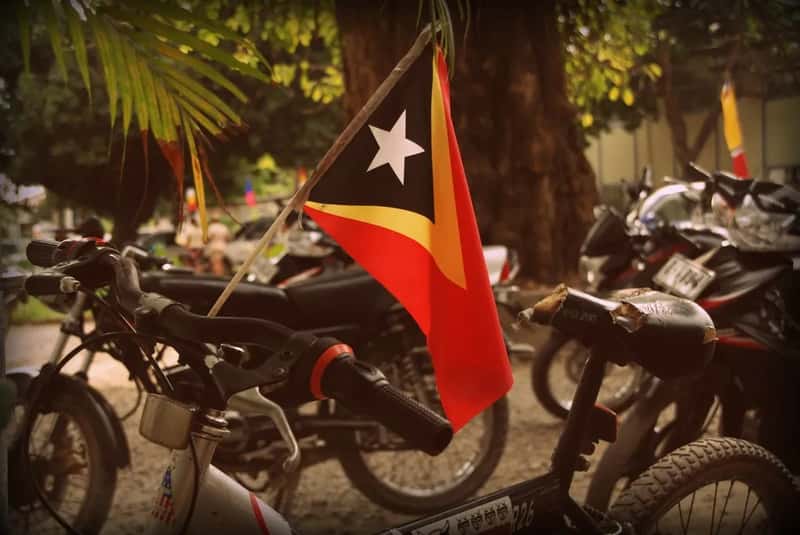
Timor-Leste, also known as East Timor, holds a symbolic title of its own. UN peacekeepers eventually restored order, and on 20 May 2002, Timor-Leste became the first new sovereign state of the twenty-first century. That milestone followed a 1999 referendum and a brutal period of violence after Indonesian forces and allied militias responded to the vote for separation.
The path since independence has been slow but steady. Timor-Leste’s accession to ASEAN on October 26, 2025 marked a meaningful milestone for a country that has struggled to expand and diversify its economy since gaining independence in May 2002. It became the bloc’s eleventh member and, notably, its first new entrant in almost 25 years, a sign of how far the young nation has come even as economic challenges remain significant.
Palau: independence through a compact with the United States
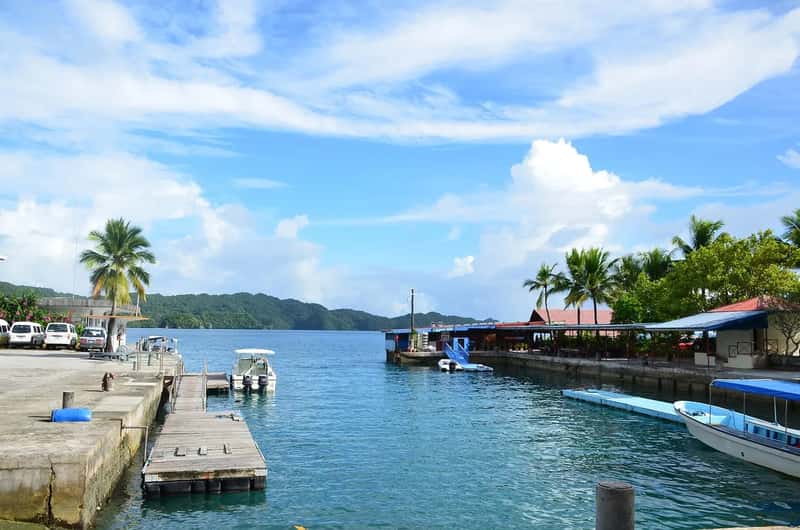
Palau’s path to sovereignty looked nothing like the others on this list. Rather than a revolution or a clean break from a colonial ruler, this small Pacific island nation negotiated its way to independence through a Compact of Free Association with the United States, which took effect on October 1, 1994. The arrangement gave Palau full self-governance while keeping close defense and financial ties to Washington.
With a population that remains under twenty thousand people, Palau is one of the smallest sovereign states in the world. Its independence didn’t come from severing ties completely but from redefining them, trading direct US administration for a partnership model that still shapes its foreign policy and economy today. The compact has been renewed and updated over the years, most recently reaffirming financial assistance well into the 2020s.
Eritrea: independence after decades of armed struggle
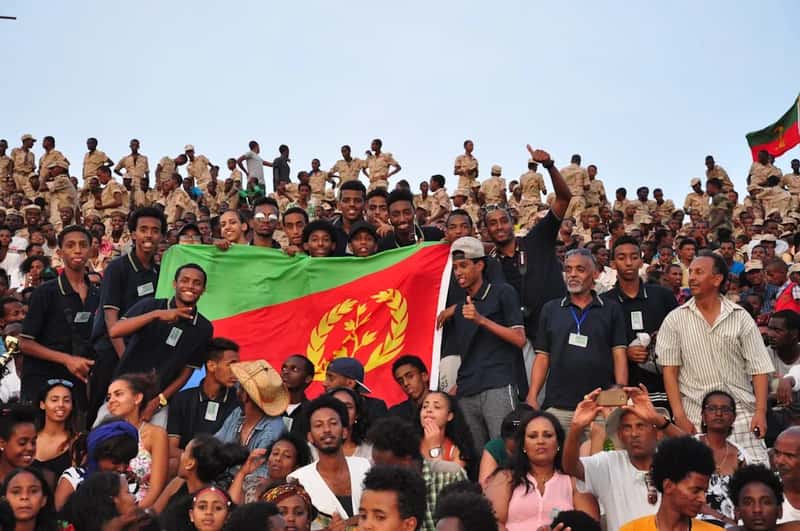
Eritrea’s independence in May 1993 came after one of the longest liberation wars in modern African history, a conflict with Ethiopia that stretched back roughly three decades. A UN-supervised referendum saw an overwhelming majority of Eritreans vote for separation, formalizing what armed fighters had already achieved on the battlefield the year before.
Unlike some other nations on this list, Eritrea’s post-independence period has been marked by tight, centralized governance rather than democratic experimentation. There have been no national elections since independence, and the country remains one of the more isolated states internationally. Even so, its founding in 1993 still ranks among the more recent examples of a country achieving full, uncontested sovereignty recognized by the entire international community.
Final thoughts

Looking at these seven cases together, a pattern emerges: independence rarely arrives cleanly. Some nations, like Montenegro, got there through ballots and diplomacy. Others, like South Sudan and Eritrea, paid for it with decades of war. Kosovo shows that even a formal declaration doesn’t guarantee universal acceptance, while Timor-Leste and Palau prove that international integration can take just as long as the independence struggle itself. The map isn’t finished changing, and these seven stories are a reminder that sovereignty is often less of an event and more of an ongoing negotiation.