Thirty dollars barely covers an appetizer and a glass of wine in many American or European cities these days. Yet in a surprising number of places around the world, that same amount could feed a family for days, or represent a meaningful slice of someone’s entire monthly paycheck. The gap between what a meal costs and what people actually earn tells a quieter, more revealing story about global inequality than headline exchange rates ever could.
This isn’t a list of the cheapest countries to eat in, exactly. It’s a look at places where the arithmetic of daily life makes a $30 dinner feel less like a treat and more like an event, something you’d plan around rather than order on a whim.
Vietnam

Street food culture in Vietnam is so deeply embedded that dining out rarely means spending much at all. Cost of living in Vietnam is, on average, 61.5% lower than in United States. A proper sit-down meal at a mid-range spot, complete with air conditioning and an English menu, typically runs a fraction of what a similar experience costs back home. Mid-range restaurants in Vietnam charge VND 100,000 to 250,000, or roughly $4.11 to $10.29 per meal, offering comfortable seating and broader menu selections.
Locals and long-term residents tend to eat even more frugally than tourists do. Two people can enjoy a full local-style meal of rice or noodles, meat, vegetables, and a couple of draft beers for less than $5, while ordering one deluxe hamburger, fries, and a bottle of imported beer at a Western-style restaurant will cost between $8 and $11. A couple can live comfortably in Ho Chi Minh City or Hanoi for well under $1,300 a month, which puts a $30 dinner squarely in splurge territory rather than a routine Tuesday night out.
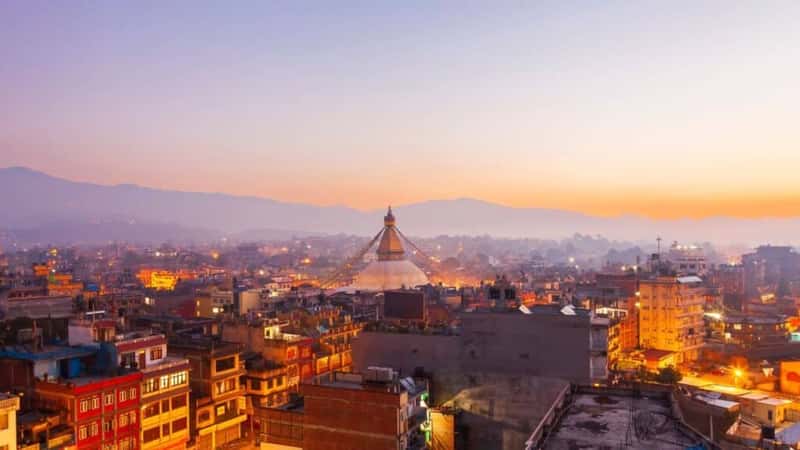
Nepal

Nepal’s wage structure makes the math especially stark. The minimum wage for workers in Nepal was increased by thirteen percent in mid-2025 and set at NPR 19,550, or about US$141 per month. That figure covers rent, food, transportation, and everything else for an entire month, so a single $30 restaurant bill represents a meaningful chunk of a worker’s total income.
Average earnings across the formal sector aren’t dramatically higher. The average gross monthly salary in Nepal is Rs32,000, approximately $234.43 USD. Against that backdrop, a $30 meal isn’t just a nice dinner, it’s closer to a week’s worth of take-home pay for many households, which explains why most dining out in Nepal happens at humble teahouses rather than anywhere resembling a Western-style restaurant.
India
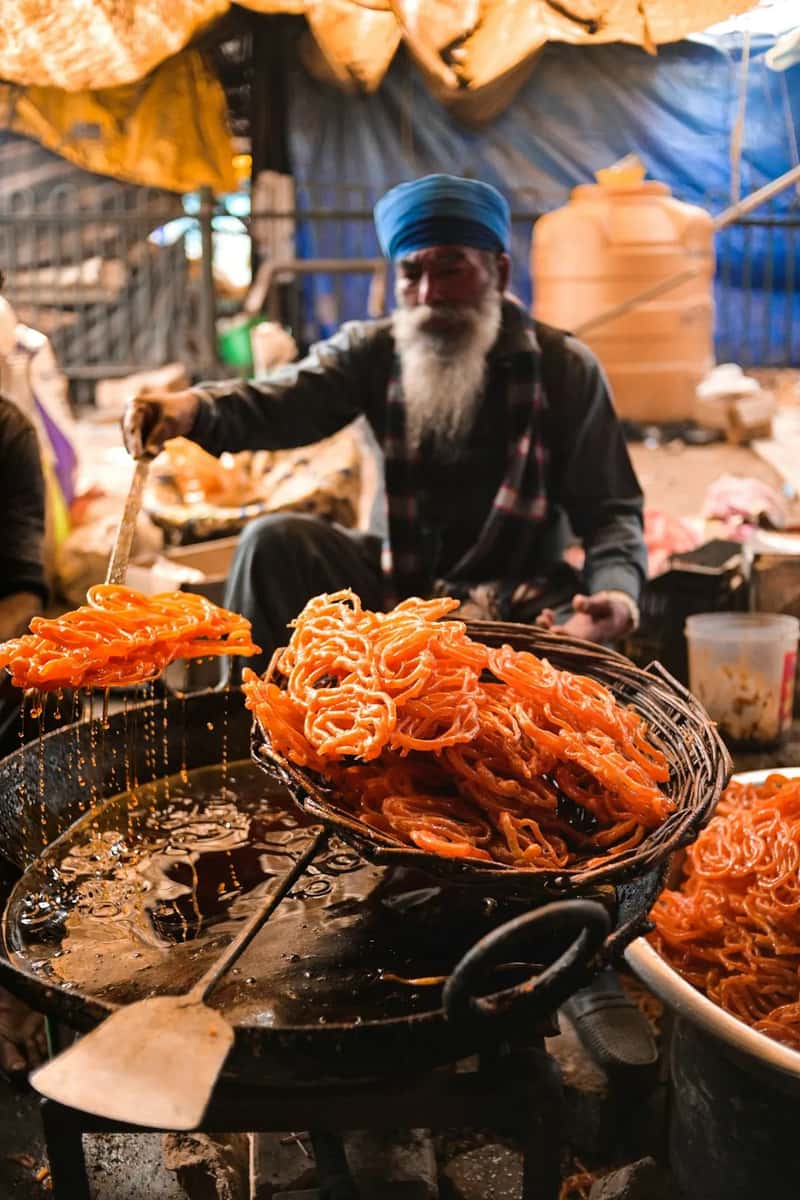
India’s food scene ranges from ten-rupee street snacks to five-star hotel dining, but the everyday reality for most residents sits firmly on the affordable end. A meal at an inexpensive restaurant in India costs approximately £2, while a three-course meal for two people at a mid-range restaurant costs around £9. That’s a combined total for two people that barely edges past what a single $30 meal would cost elsewhere.
Wages help explain why. The average monthly net salary after tax in India is currently around £317. A casual sit-down meal at a local eatery often lands around 150 to 300 INR, or roughly 2 to 4 USD, which means a $30 tab could easily cover a week of regular meals for someone living on an average local income.
Bolivia
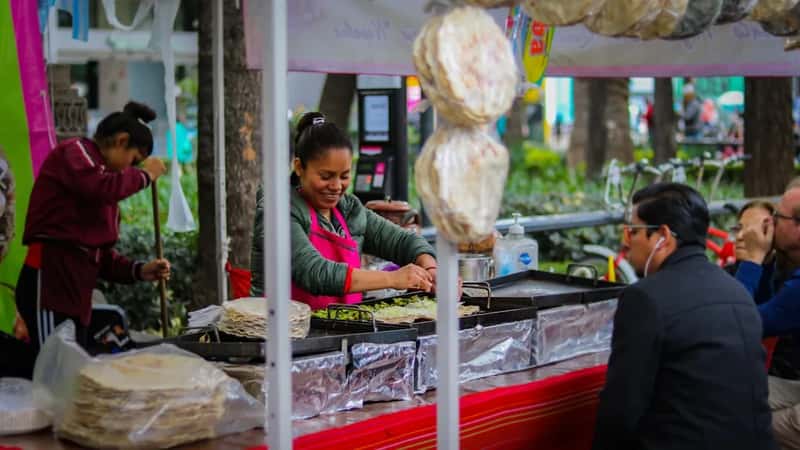
Bolivia consistently ranks among the most affordable countries in South America, and its restaurant prices reflect that. A meal at an inexpensive restaurant in Bolivia costs approximately $3, while a three-course meal for two people at a mid-range restaurant costs around $19. Even a genuinely upscale night out for two rarely brushes up against the $30 mark.
Wages track closely with those low prices. The average monthly net salary after tax in Bolivia is currently around $445. Higher-end dining does exist, and a mid-range restaurant meal can run anywhere from $15 to 30 dollars, but for most Bolivians that upper range represents an occasional celebration rather than a casual weeknight decision.
Egypt
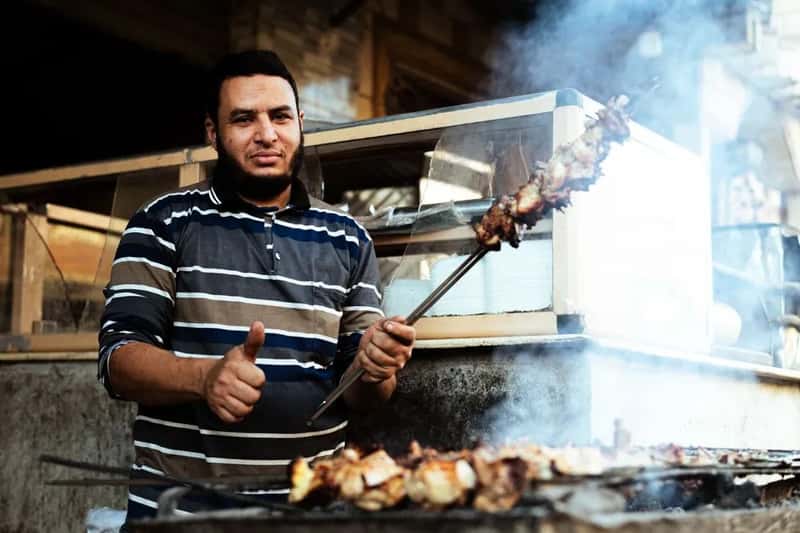
Egypt’s currency troubles over the past few years have made imported goods pricier, but everyday dining has stayed remarkably cheap in dollar terms. A meal at an inexpensive restaurant in Egypt costs approximately £3, while a three-course meal for two people at a mid-range restaurant costs around £14. That’s a full dinner for a couple at a price well below a single $30 meal.
Local wages remain modest even after recent adjustments. The average salary in Egypt is about 200 to 300 American dollars per month. A $30 restaurant bill in that context can represent roughly a tenth of someone’s entire monthly income, which is why most Egyptians reserve restaurant dining for special occasions and lean on home-cooked meals and street food otherwise.
Ethiopia

Ethiopia stands out because eating out simply isn’t part of the everyday routine for most residents. According to the statistics, a very low percentage of the salary is spent on eating out, and restaurants remain concentrated in Addis Ababa and a handful of tourist areas. Even so, prices at the modest end stay low, with a meal at an inexpensive restaurant costing approximately $4.
Salaries make eating out an infrequent luxury rather than a habit. The average monthly net salary after tax in Ethiopia is currently around $199. A $30 dinner, especially the kind that edges toward the mid-range three-course meals that can cost around $40 for two people, would eat up a sizable share of an entire month’s earnings for most working Ethiopians.
Indonesia
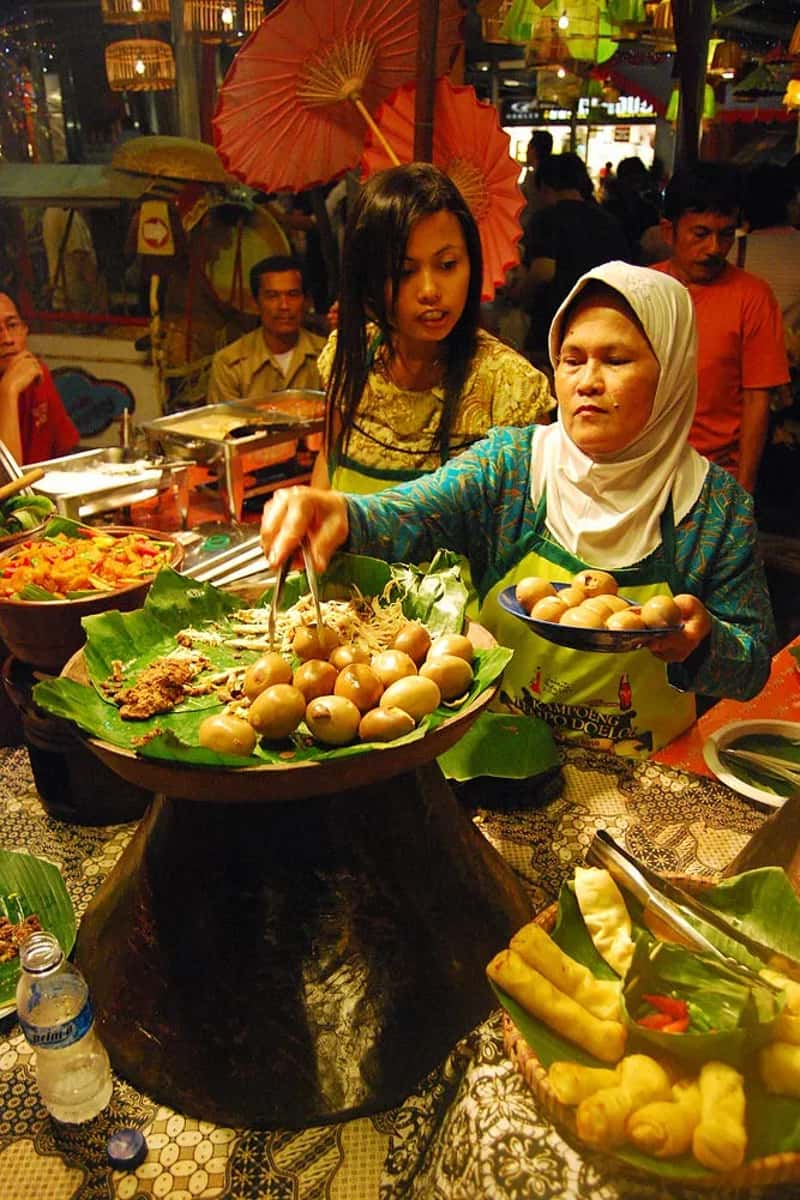
Indonesia’s warung culture, the small family-run eateries scattered across every neighborhood, keeps everyday food costs remarkably low. A plate of nasi goreng or a bowl of soto at a local warung typically costs just a dollar or two, and even a proper sit-down meal at a casual restaurant rarely climbs past five or six dollars. Regional minimum wages vary widely across the archipelago, but many workers outside Jakarta earn somewhere in the low hundreds of dollars per month.
That gap between income and imported or Western-style dining is what makes a $30 meal feel unusual rather than routine. A dinner at that price point, the kind found at international hotel restaurants or upscale spots in Bali and Jakarta, sits well above what most Indonesian households would spend on food in several days combined. It’s less about scarcity of good food, since Indonesian cuisine is genuinely excellent at every price tier, and more about the sheer distance between local wages and imported-style pricing.
What this actually tells us

None of this means these countries are lacking in good food. If anything, the opposite is often true, since some of the most memorable meals happen at plastic-stool street stalls rather than white-tablecloth dining rooms. What these numbers really highlight is how differently the idea of “affordable” translates depending on where you happen to be standing when you check the bill.
For travelers, this gap is mostly good news, since it means real value and genuine culinary richness without the price tag that similar experiences would carry elsewhere. For residents, it’s more of a daily calculation, one where a $30 splurge isn’t casual at all but something weighed against rent, transportation, and everything else competing for the same modest paycheck.