Every year, a steady stream of Americans quietly pack up and settle somewhere new, drawn by lower living costs, warmer weather, or simply a different pace of life. What surprises many first-time movers is how much the actual paperwork varies from one country to the next. Some nations still treat residency as a straightforward transaction, while others have tightened the rules in ways that catch newcomers off guard.
Understanding which countries still offer a realistic, well-marked route to permanent status can save months of confusion and thousands of dollars in legal fees. The seven destinations below stand out in 2026 for combining reasonable requirements with a genuine, documented path from arrival to long-term legal residency.
Panama
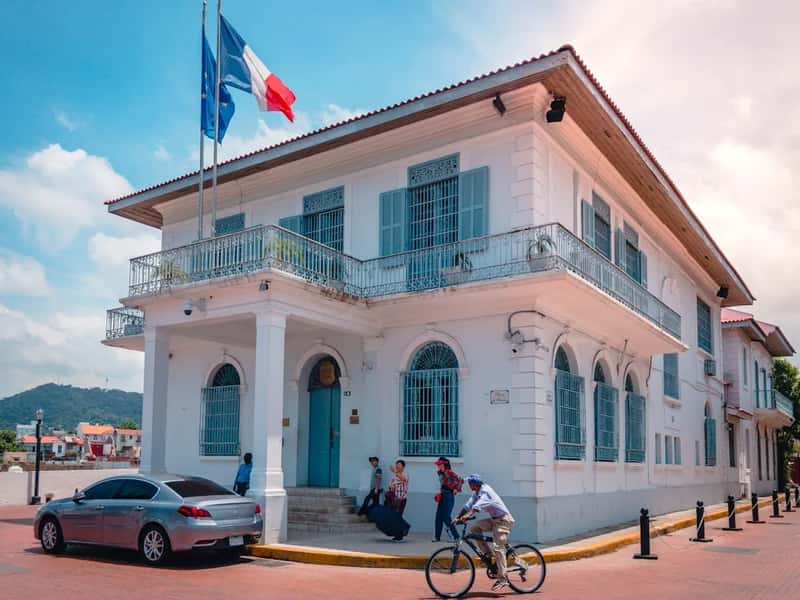
Panama’s Friendly Nations Visa has long been the go-to option for Americans, and it remains workable even after the government tightened the rules in 2021. The visa no longer hands out instant permanent residency for a small bank deposit, and applicants now qualify through one of three economic solvency routes: a qualifying real estate investment of at least 200,000 dollars, a three year fixed term bank deposit of the same amount, or a valid Panamanian employment contract. That structure still counts as accessible compared to programs that demand double or triple that sum elsewhere in Latin America.
Once the two year provisional residency period elapses, holders can apply for full permanent residency, and after five years of that status, they become eligible for citizenship and a Panamanian passport. Panama also runs on a territorial tax system, meaning foreign income, pensions, and investments are generally left untouched by local tax authorities. Add in a dollarized economy and a large existing expat community, and it is easy to see why this small isthmus nation keeps topping relocation shortlists.
Mexico
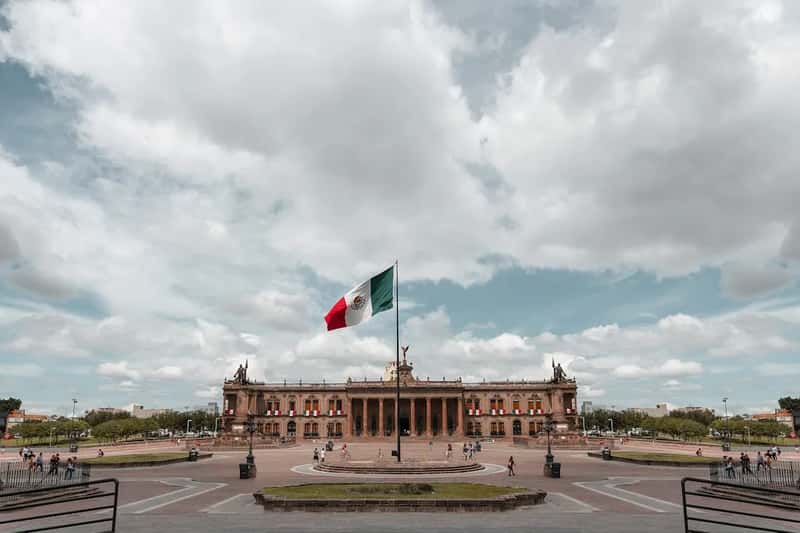
Mexico remains the simplest on-ramp for most Americans, largely because of geography and sheer familiarity. More than 820,000 US citizens already live there, making it the largest American expat community anywhere in the world, so the practical infrastructure for moving is already built. That existing network, from English-speaking real estate agents to established relocation firms, smooths out a process that can feel intimidating elsewhere.
The standard route starts with a Temporary Resident Visa, valid for anywhere from 180 days to four years and requiring proof of sufficient income or savings, and permanent residency is often granted after four years on that temporary status, or sooner through family connections. It is worth noting that Mexican tax residents are taxed on worldwide income, so the appeal here is really about ease of entry rather than a tax break. Still, for someone testing the waters of living abroad, few countries offer a gentler learning curve.
Paraguay
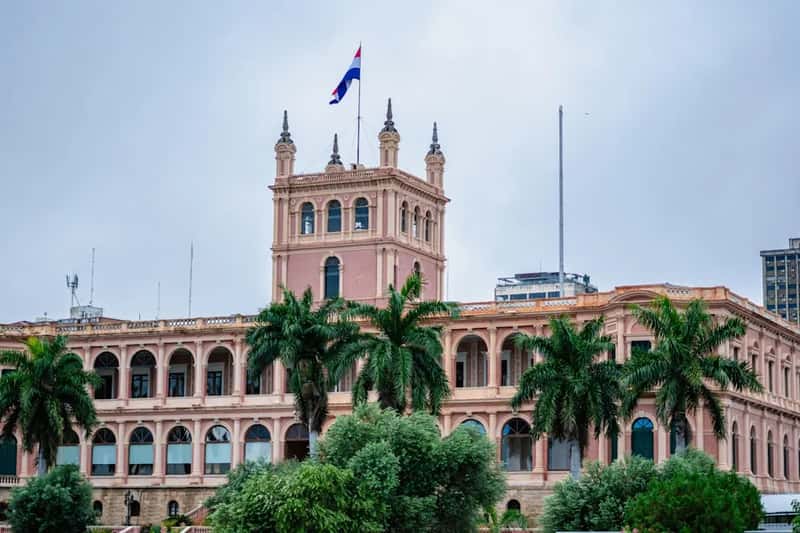
Paraguay rarely gets the attention that flashier destinations receive, but its residency system is arguably the most forgiving in South America. Residency packages have started around 2,290 dollars with no bank deposit or investment required since a 2022 law change, and citizens of most countries worldwide are eligible to apply, with no universal minimum income threshold at the temporary stage. For applicants who prefer a faster, investment-based route, a newer option changes the math considerably.
Under the 2026 Paraguay Investor Pass, direct permanent residency is available starting from as little as 70,000 dollars through the Productive SUACE track, with real estate or financial instrument routes set at 200,000 dollars. From there, citizenship by naturalization becomes possible after three years of permanent residency, under Article 148 of the Paraguayan Constitution. Combined with a territorial tax system that leaves foreign income untouched, it is a quietly compelling option for people who do not need name recognition, just a workable plan.
Uruguay
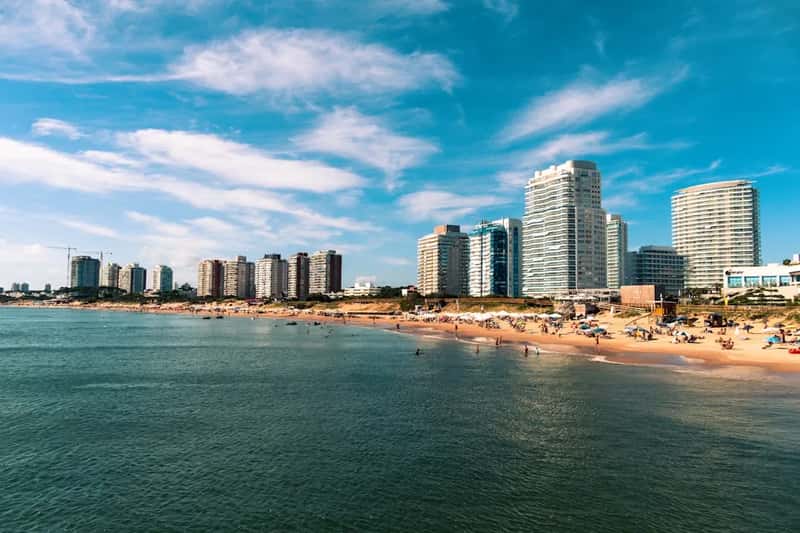
Uruguay does something few countries bother with anymore: it lets qualified applicants skip the temporary stage entirely. If you already meet the requirements, you can apply directly for permanent residency without doing a temporary stint first, which shortens the entire process considerably. That single feature puts it ahead of most neighbors, where a multi-year waiting period before permanent status is standard.
The catch is less about residency itself and more about the country’s separate tax incentives. The old real estate path that once cost 590,000 dollars is gone, and the current options for the tax exemption track include 183 days of physical presence per year, two million dollars in real estate, or 100,000 dollars annually for eleven years into the National Innovation Fund. Ordinary citizenship, separate from that tax benefit, becomes available after three years of legal residence for married applicants or five years for single ones. In other words, getting your foot in the door is not the hard part in Uruguay, it is deciding how deeply you want to integrate financially once you are there.
Ecuador

Americans arrive in Ecuador visa free with a tourist stamp typically valid for 90 days, giving newcomers a real window to explore before committing to paperwork. From there, most people move onto a temporary resident visa through the worker, rentista, retiree, or investor categories, depending on their situation. Long term residency now requires a higher monthly income threshold of 1,458 dollars, reflecting a 2026 adjustment that pushed the bar up from previous years.
Permanent residency itself becomes available after 21 months of holding temporary residence, which is a relatively short runway compared to many European programs. Full citizenship is a separate, more demanding step that involves a civics interview conducted largely in Spanish, so most Americans treat permanent residency as the practical endpoint rather than a stopover. For retirees on a fixed income who can clear the monthly threshold, Ecuador still offers one of the more direct paths on this list.
Portugal

Portugal’s D7 visa, often called the Passive Income Visa, has become the default choice for Americans who want a European base without the steep investment thresholds of a golden visa. As of January 2026, the minimum passive income requirement sits at 920 euros per month, or roughly 11,040 euros annually, a figure indexed to the Portuguese minimum wage. That threshold rises by half for an accompanying spouse and by nearly a third for each dependent child, so families need to plan the math carefully before applying.
The road to permanent status has stayed consistent even as citizenship rules shifted. After five years of legal residency, D7 holders can apply for permanent residence in Portugal. However, applicants should know that citizenship now takes longer than it used to. Portuguese citizenship became available after ten years of legal residence for most applicants under a new law that came into force in May 2026, up from the previous five year requirement, with seven years still applying to nationals of Portuguese speaking countries. Permanent residency, in other words, remains the quicker and more attainable goal for most Americans considering the move.
Costa Rica

Costa Rica has built its reputation over decades as one of the friendliest retirement destinations in the hemisphere, and much of that reputation rests on its long-running Pensionado program. The core idea has stayed simple for years: applicants who can show a stable pension income of roughly 1,000 dollars a month qualify for temporary residency, with a Rentista option available for those relying on other guaranteed passive income at a higher threshold. Investors have their own route as well, generally tied to a real estate or business investment in the country.
What makes Costa Rica appealing is less about speed and more about predictability. Temporary residency typically converts into permanent status after a few years of maintaining the original qualifying conditions, a structure that has remained fairly stable even as neighboring countries have adjusted their own rules. For Americans who value a well-tested system with an established expat community already in place, that consistency counts for a lot.
Final Thoughts
None of these seven countries hand out permanent residency for free, and every program comes with its own trade-offs between cost, waiting time, and long-term tax exposure. What they share is a level of clarity that is becoming harder to find elsewhere, a defined set of steps that an ordinary applicant can actually follow without hiring an army of consultants. Rules do shift, sometimes significantly within a single year, so anyone seriously considering a move should verify current thresholds directly with an immigration attorney or the relevant consulate before making a decision. For now, though, these destinations remain the clearest routes on the map for Americans looking to put down roots somewhere new.