In much of the Western world, a wedding is a single afternoon, an exchange of vows, a dinner, maybe a dance floor that empties out by midnight. In plenty of other places, though, that idea would sound almost rushed. Marriage is treated less like an event and more like a season, with separate days set aside for henna, music, feasting, processions, and blessings before the couple is even considered fully married.
These extended celebrations aren’t about excess for its own sake. They reflect deep cultural values around family, community, and the idea that joining two people also means joining two households, two lineages, and sometimes two entire villages. Here are seven countries where a wedding is rarely just one day, and often stretches into a full week of ritual and celebration.
1. India
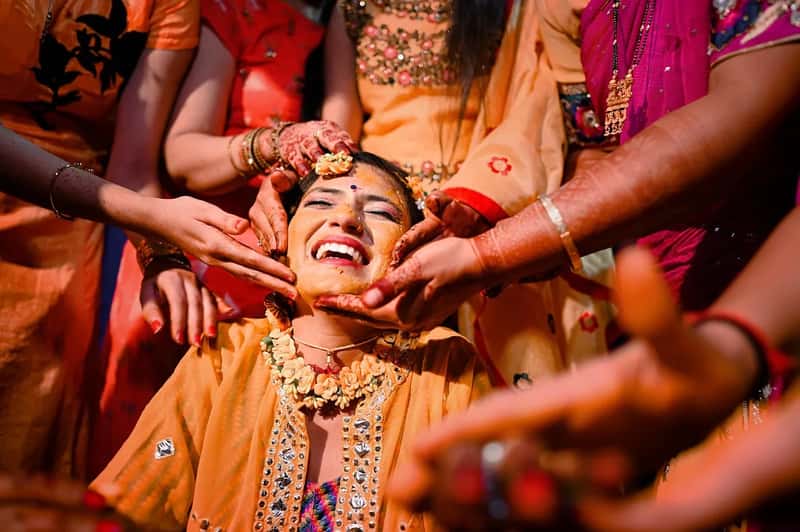
Ask almost anyone who has been to one, and they’ll tell you an Indian wedding is not a single event but an arc of celebrations. An Indian wedding is rarely a single afternoon. It is a three to seven-day arc of music, color, and ritual that brings two families into one. The exact length depends heavily on region and community, since North Indian weddings often span a week with Mehndi, Sangeet, and multiple rituals, while South Indian weddings may last just one or two days.
The pre-wedding events alone can eat up several days on their own. The most common structure begins with Mehndi, a Henna Night typically held two to three days before the wedding, featuring intricate henna designs, music, dancing, and joyful gatherings, followed by Sangeet, a musical celebration where both families come together to sing and dance. Regional variations add even more color to the picture, since Gujarati weddings often include several days of rituals such as Garba nights, with celebrations sometimes lasting up to a week, while other communities keep things noticeably shorter.
2. Morocco
Moroccan weddings are famous for taking the idea of “celebrating for days” almost literally. A typical Moroccan wedding includes multiple ceremonies and celebrations that span anywhere from three to seven days, with each day dedicated to specific rituals and traditions, and typically lasting anywhere from three to seven days of continuous festivities. The reasoning behind this isn’t just tradition for tradition’s sake. It reflects genuine cultural values, since these extensive celebrations reflect the culture’s emphasis on hosting and welcoming, which explains why Moroccan weddings traditionally involve large guest lists and elaborate festivities.
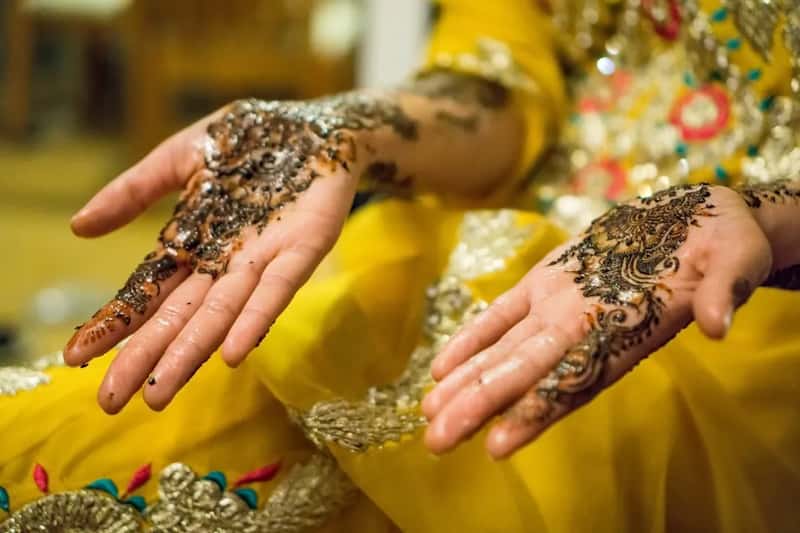
The individual days each carry their own meaning and mood. The second day is often dedicated to the Henna ceremony, a vibrant female gathering where the bride wears a green kaftan and a henna artist adorns her hands and feet with intricate designs. Brides traditionally change outfits repeatedly throughout the festivities, and the celebration includes the breathtaking seven dress changes of the bride, a detail that alone hints at just how drawn out these events are meant to be. Even as urban couples trim things down, today’s couples might compress a seven-day wedding into three, but they rarely sacrifice the rituals that matter most: the hammam, the henna, the amaria process.
3. Pakistan
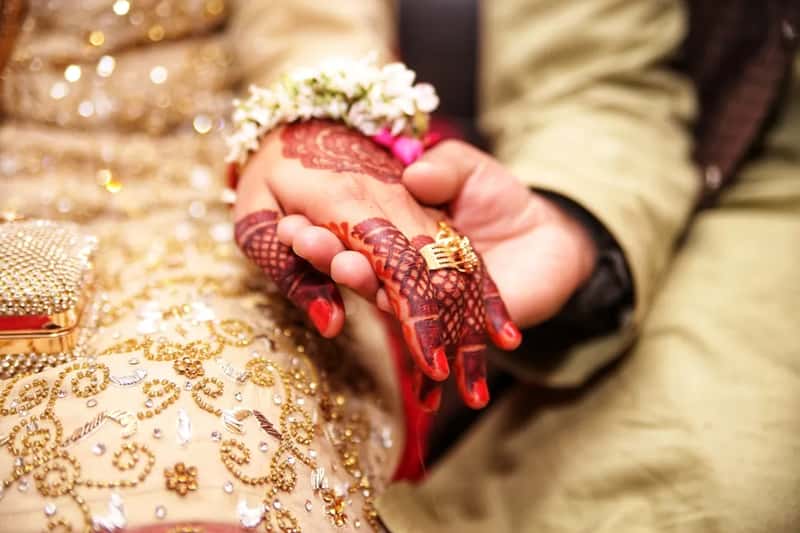
Pakistani weddings share deep roots with their Indian neighbors, and the multi-day structure shows it clearly. A typical Pakistani wedding can run for three to seven days, with the main events being the Mehndi, Nikkah, Barat, and Walima. Each of those events has its own personality, its own dress code, and its own guest list logic, which is part of why the celebrations rarely collapse into a single day even among busy modern families.
The sequence usually follows a fairly recognizable rhythm. The first day is often the Mehndi ceremony, a colorful celebration where henna is applied to the bride’s hands and feet amid music and dance, followed by the Baraat, the actual wedding day when the groom arrives with his family, and finally the Valima, hosted by the groom’s family. Some households stretch things even further, since a Pakistani wedding is really a series of three to five distinct celebrations spread across several days, with some families adding a Dholki or engagement event beforehand.
4. Nigeria
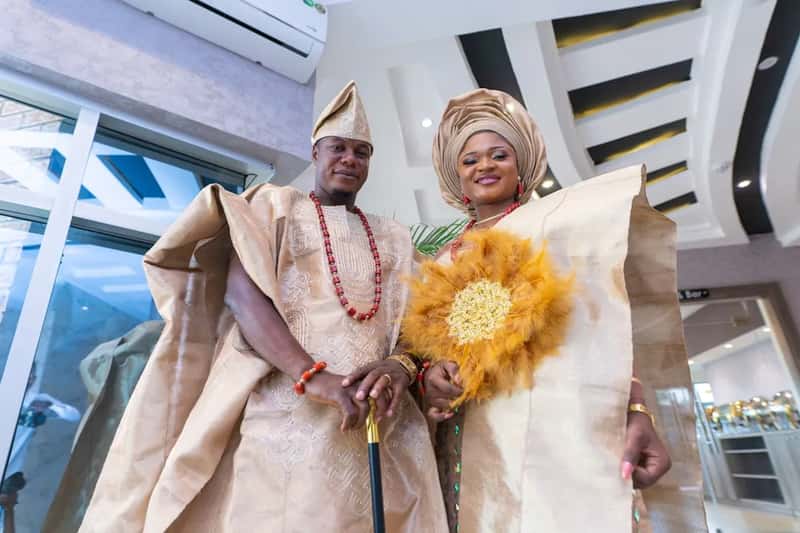
Nigerian weddings are shaped by the country’s extraordinary ethnic diversity, and that diversity is exactly why the celebrations tend to sprawl across multiple days. Typically, Nigerian weddings span several days and involve multi-layered affairs, with the traditional wedding ceremony often followed by a church service known as the white wedding. In effect, most couples are planning two separate weddings that carry equal cultural weight.
The traditional and religious ceremonies are frequently held on different days entirely, sometimes in different cities. As a Nigerian bride, you plan two weddings at the same time, the traditional and the church wedding, with the traditional wedding process typically taking place first before the more Western-style church wedding. The gap between the two can vary quite a bit, since the wedding ceremony is celebrated twice in a span of several days or weeks, with the cultural wedding typically celebrated first, followed by the religious one. Add in the introduction ceremony that precedes both, and a full Nigerian wedding journey can easily unfold over a week or more once all the separate events are counted together.
5. Indonesia
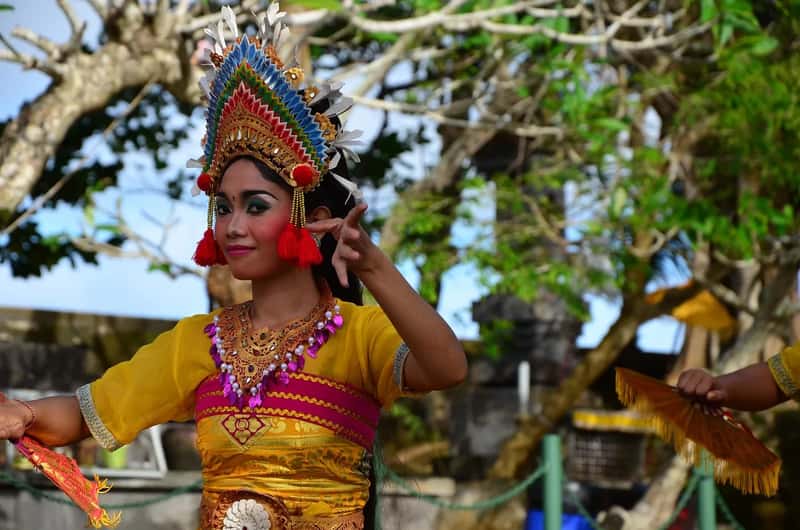
Indonesia’s vast archipelago means wedding customs vary enormously from island to island, but a common thread runs through many of its traditional ceremonies: they are rarely confined to a single day. Javanese weddings, for instance, traditionally involve a sequence of separate rituals in the days leading up to the main ceremony, including a ceremonial bathing ritual for the bride known as siraman, followed by the core wedding rites and a formal reception, often held on separate days to allow each ritual its own space and significance.
Balinese Hindu weddings follow a similarly layered structure, with purification rituals, a formal engagement stage, and religious ceremonies that can be spread across several days depending on the family’s resources and the guidance of local priests. Because many of these rituals are tied to specific religious and astrological considerations, families often can’t simply compress everything into one afternoon even if they wanted to, which naturally pushes the celebrations into a multi-day format.
6. Lebanon
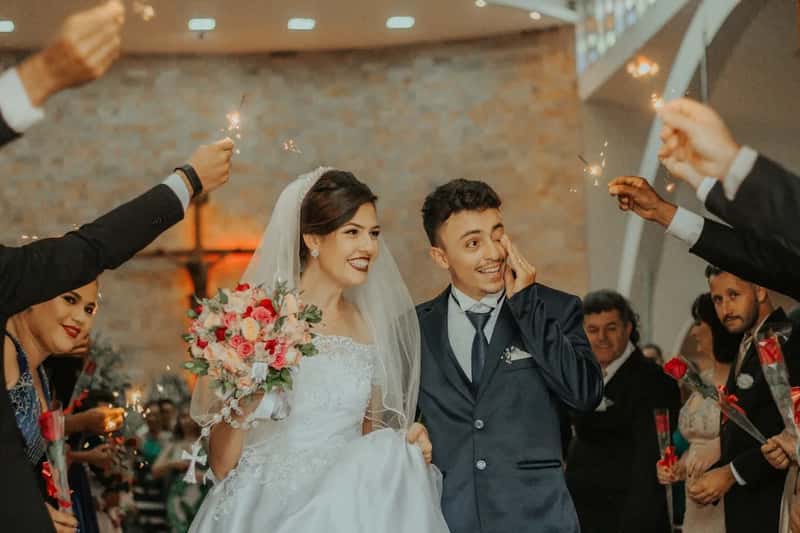
Lebanese weddings blend Arab, Mediterranean, and increasingly Western influences, but many families still hold onto a multi-day framework rooted in older regional customs. The lead-up to the wedding day traditionally includes a henna night, a festive, music-filled gathering held for the bride among female relatives and friends, echoing similar henna traditions found across the wider Levant and North Africa.
The main wedding day itself in Lebanon tends to be an extended, high-energy affair that can run late into the night, with a church or civil ceremony followed by a lengthy reception filled with dabke dancing, live music, and course after course of food. When combined with the pre-wedding henna gathering and, in many families, a separate engagement celebration held weeks or months earlier, the overall wedding experience easily spans several distinct days of festivity rather than a single event.
7. Ghana
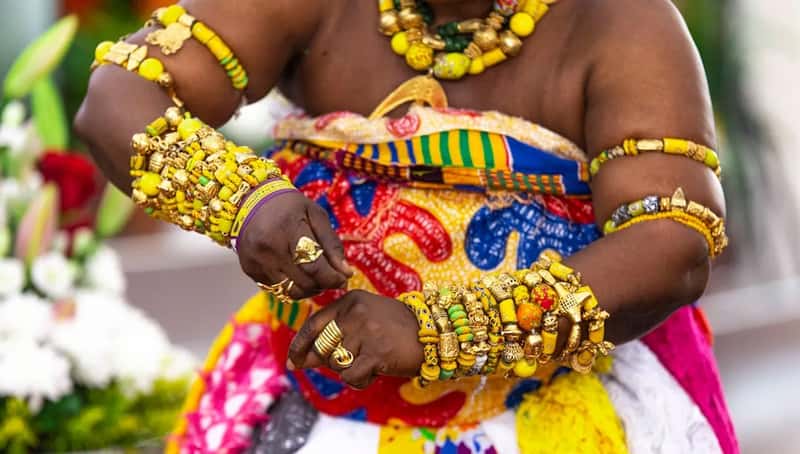
Ghanaian weddings, much like their Nigerian neighbors, typically separate the customary and the religious or civil elements into distinct occasions rather than combining everything into one day. The traditional engagement ceremony, often called “knocking” or the customary marriage rites, involves the groom’s family formally presenting gifts and drinks to the bride’s family, a ritual steeped in symbolism that is usually treated as a complete event in its own right, separate from the white wedding that follows.
Because these customary rites are considered legally and culturally binding in many Ghanaian communities, families often take real care over them, sometimes holding them days or weeks before the church or civil ceremony rather than back to back. Add in engagement parties, family gatherings, and the reception that follows the religious ceremony, and a full Ghanaian wedding celebration frequently unfolds as a series of connected events spread across multiple days rather than a single compressed occasion.
Why These Traditions Endure
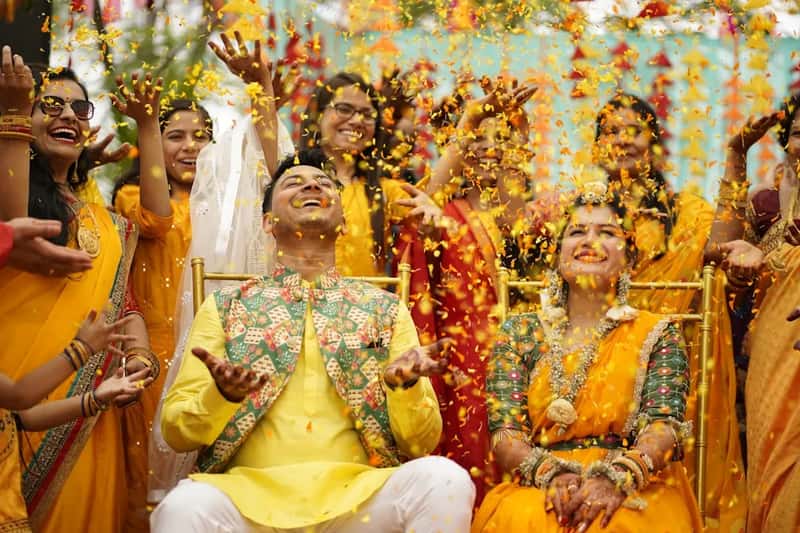
What ties all seven of these countries together isn’t just a love of celebration. It’s a shared belief that marriage is a family and community milestone, not a private moment between two people. Spreading the festivities across several days gives extended relatives, neighbors, and entire communities a genuine role to play, rather than reducing them to passive guests at a single event.
Even as urbanization, tighter budgets, and busier schedules push some families toward shorter, more condensed celebrations, the core structure in each of these cultures tends to survive in some form. Whether it’s a Moroccan bride changing into her seventh outfit or a Nigerian couple traveling between two cities for two separate ceremonies, the underlying idea stays the same: some unions are simply too significant to celebrate in just one day.