A bus ride that costs less than a candy bar in one country can cost more than a fast food meal in another. That gap says a lot about how nations think about mobility, subsidies, and who gets to move around a city without draining their wallet.
Looking at fares side by side reveals patterns tied to wages, government policy, and even geography. Some countries have made public transit nearly free as a matter of principle, while others let market forces and high operating costs push prices to the point where locals openly complain about the daily commute.
Luxembourg: The Only Country Where Riding Is Free

Luxembourg holds a category all its own. Since 1st March 2020, Luxembourg has been the first country in the world where public transport is free for all modes of transport, whether these are buses, trains or trams throughout the national territory. That means tourists can hop on a train from the airport to the capital without ever touching a ticket machine.
The policy was not just a symbolic gesture. Even before 1 March 2020, public transport in Luxembourg was subsidized at a rate of 90 to 94 percent, and free for certain groups of users. So the government essentially closed the remaining small gap, turning an already heavily subsidized system into a genuinely fare-free one for anyone traveling within the country’s borders.
Sri Lanka: Rock-Bottom Fares Across the Island

Sri Lanka consistently ranks among the least expensive places on earth to get around by bus or train. Sri Lanka currently holds the record with one-way fares as low as $0.17 and monthly passes for $5.63. For context, that is less than the price of a bottle of water in many Western cities.
Independent index data backs this up from a different angle. Sri Lanka is ranked as the third cheapest country overall, with an average fare of $0.27, the fifth cheapest, and the fifth-cheapest average monthly pass. Whichever dataset you trust, the takeaway is the same: getting across the island rarely costs more than pocket change.
Pakistan: Metro Rides for Pocket Change
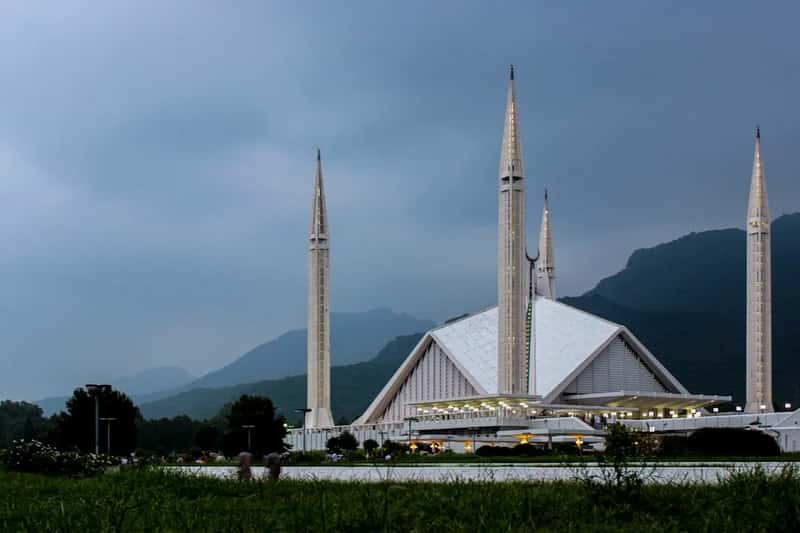
Pakistan’s newer metro bus systems have become a point of national pride, largely because they combine modern infrastructure with fares that stayed accessible to ordinary commuters. The Islamabad Metro Bus system charges an affordable fare of 40 Rupees for a single trip. That works out to a fraction of a dollar, even after recent currency shifts.
Other cities follow a similar formula. The per-trip fare for one side is Rs. 25 for the Multan Metrobus System, and Rs. 30 for the Lahore Metrobus System and Pakistan Metrobus System. Feeder routes push prices even lower, with some short trips costing barely more than the equivalent of a few cents once converted from rupees.
India: Millions Move for Mere Cents
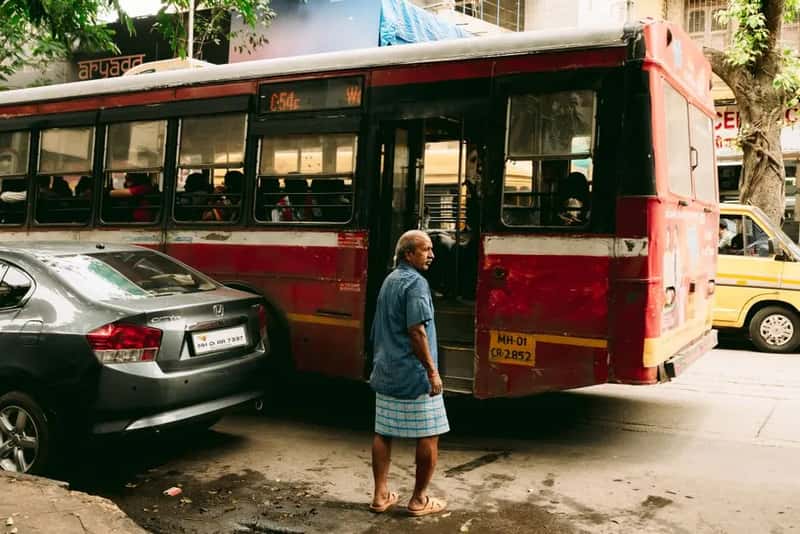
With hundreds of millions of daily riders, India has built one of the most price-sensitive transit markets in the world. Numbers from South Asia’s broader transport landscape show extensive rail networks with fares as low as $0.18 for metro systems, while state-run buses cost just $0.15 to $0.30 for most routes. Longer intercity trips remain surprisingly cheap too.
Even substantial distances barely register on a traveler’s budget. A 350-kilometer train journey costs approximately $3.20, making long-distance travel incredibly affordable, while monthly transport passes average around $7.03. That combination of low urban and long-distance fares is part of why public transit remains the backbone of daily life across the country.
Egypt: Cairo’s Metro Costs Less Than a Coffee
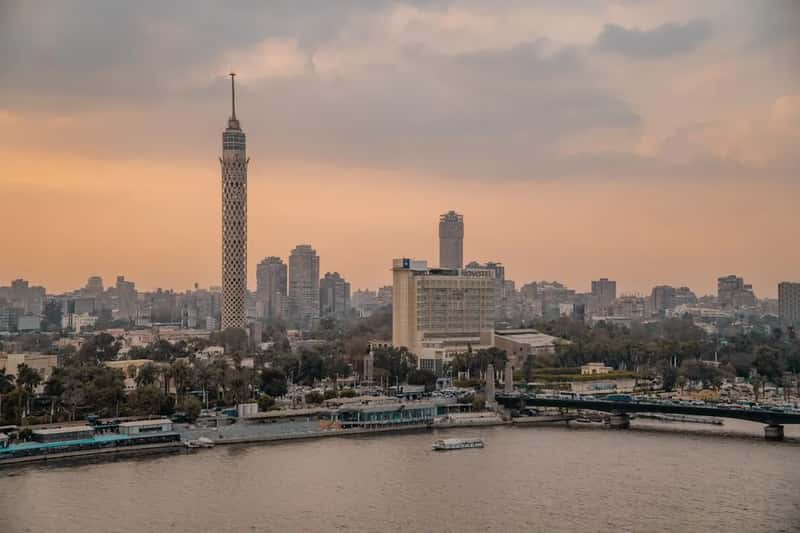
Cairo runs one of the oldest metro systems in Africa and the Middle East, and it remains remarkably cheap for residents. According to city-by-city fare comparisons, a metro ride in Cairo, Egypt costs about $0.06. That is not a typo. It genuinely costs a few cents to cross large stretches of the Egyptian capital underground.
This pricing reflects heavy government subsidies aimed at keeping essential services within reach for a population where wages vary enormously. While fares have crept up gradually over recent years due to currency devaluation, Cairo’s metro still ranks among the least expensive urban rail systems on the planet when measured in dollar terms.
Indonesia: Affordable Transit Across a Sprawling Archipelago
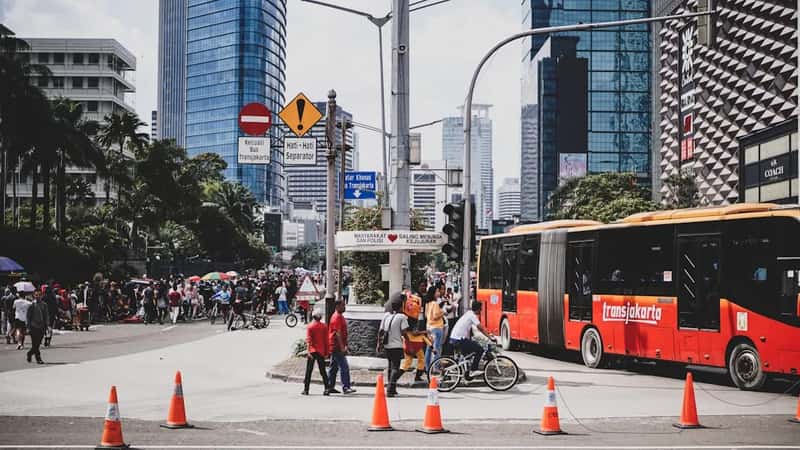
Indonesia’s public transportation costs remain low even as cities like Jakarta expand their light rail and bus rapid transit networks. Regional comparisons of Southeast Asian transit note that local buses cost as little as $0.20, with extensive networks covering major cities and tourist destinations, alongside efficient urban transit systems offering monthly passes around $15 to $25.
That price point makes daily commuting genuinely sustainable for a huge working population spread across a country made up of thousands of islands. It also explains why buses, rather than private cars, remain the default choice for most urban residents outside the wealthiest neighborhoods.
Vietnam and the Broader Southeast Asian Region: Buses That Barely Dent a Budget
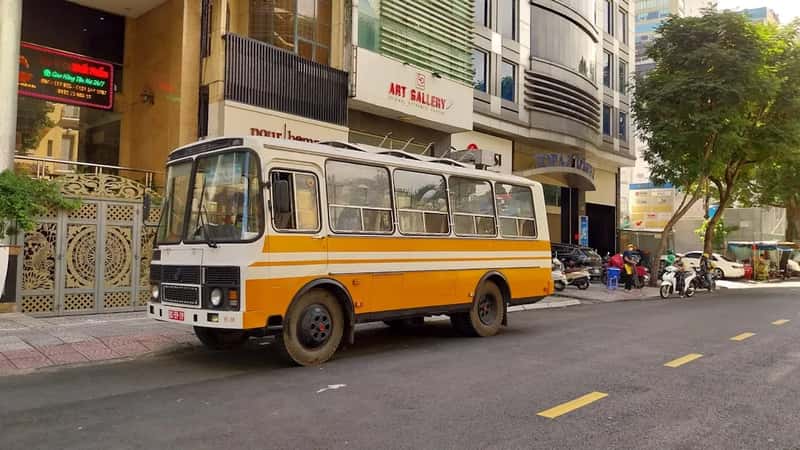
Vietnam fits into a wider Southeast Asian pattern where public transit stays cheap by design. Comparable systems in the region show rail and skytrain style systems costing $0.50 to $1.50 per ride, with intercity buses averaging $5 to $8 for five to six hour journeys. Vietnam’s city buses and rail links track closely with these regional numbers.
For travelers used to paying several dollars for a single subway ride elsewhere, the value here is obvious. Combined with dense route coverage in cities like Hanoi and Ho Chi Minh City, low fares keep public transport as the practical, everyday option rather than a fallback for those without cars.
Iceland: The World’s Priciest Ticket
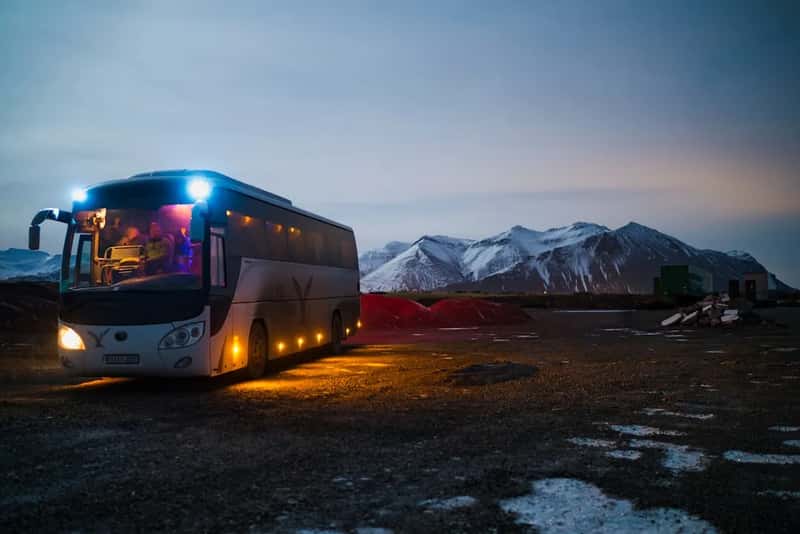
On the opposite end of the spectrum sits Iceland, which tops nearly every recent ranking of expensive public transport. Iceland takes the top spot as the country with the most expensive public transport, scoring 8.75 out of 10, with the most expensive average one-way ticket price at roughly 7.94 Australian dollars. Converted to everyday terms, that is a steep price for a single bus ride.
The capital drives much of this cost. Reykjavik was the most expensive city for public transport fares at $7.94, beating out 318 other cities in the analysis. A separate global price index reinforces the pattern, placing Iceland first with 377.73 points, followed by Sweden, Japan, Norway, and the United Kingdom.
Switzerland: Quality Comes at a Steep Price
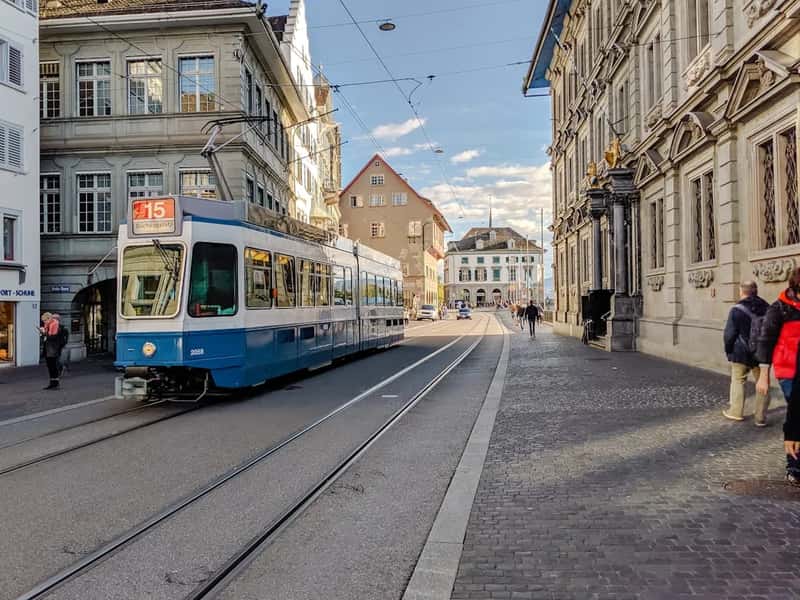
Switzerland’s public transport is famously punctual and well maintained, but that reliability comes with a real cost attached. Switzerland is known for being very pricey to live in, and the public transport costs are no exception. The country regularly lands among the top three for one-way ticket pricing worldwide.
This tracks with Switzerland’s overall cost of living, which recently topped global rankings. Zurich was found to be the most expensive city to live in on earth according to a 2025 mid-year cost of living index from Numbeo, scoring 112.5 against New York’s baseline of 100. Transport fares are simply one more line item in a country where nearly everything carries a premium.
The United Kingdom: London’s Fares Keep Climbing
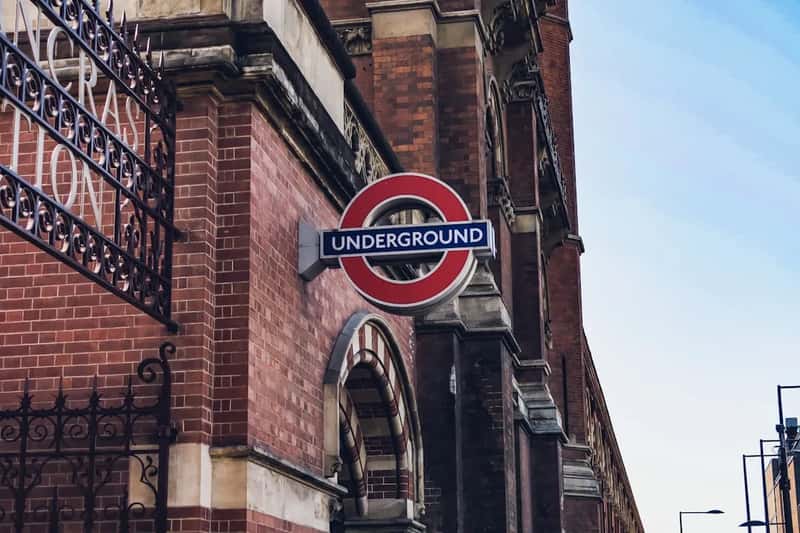
London has recently claimed a title no commuter wants: the most expensive public transport network on the planet. Following a 4.6 percent increase in TfL prices, the daily cap for Zone 1 travel rose by 40p from £8.50 to £8.90, while the cap for travelling across zones 1, 2 and 3 increased to £10.50. That single change was enough to shift the global ranking.
A Telegraph analysis comparing major metro systems confirmed the shift. Those price hikes have officially made London’s underground train network the most expensive in the entire world, according to research carried out by the Telegraph, which looked at the cost of ten major metro systems across the globe. Transport for London has defended the pricing by pointing to lower government subsidies compared with many European and North American peers.
Germany: Berlin’s Fares Outpace Expectations
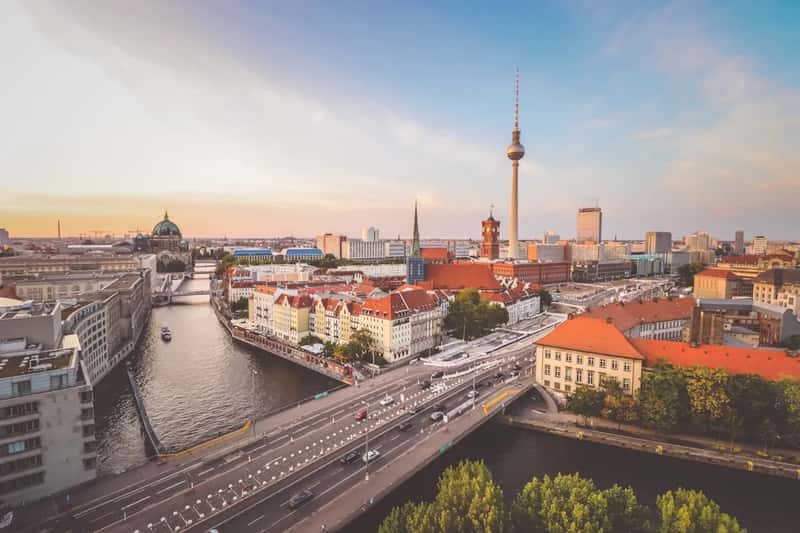
Berlin has long been seen as an affordable European capital, but its public transport pricing tells a different story. Recent cost of transportation research found that the German capital has the most expensive public transport included in the study, at $4.45 per ride. That single-ride price rivals or exceeds fares in cities with far higher overall living costs.
Berlin’s transport costs sit alongside other rising expenses in the city. Taxi fares average $3.28 per kilometer, and fuel costs $1.99 per liter, about 50 cents more than the global mean. Together these figures show how quickly a city’s reputation for affordability can shift once transportation costs are actually measured against global peers.
The contrast between these two groups of countries is not accidental. Nations with lower wages and heavier public subsidies, like Sri Lanka, Pakistan, India, Egypt, Indonesia, and Vietnam, treat cheap fares as an essential public service rather than a revenue source. Luxembourg pushed that idea to its logical extreme by eliminating fares entirely.
Meanwhile, Iceland, Switzerland, the United Kingdom, and Germany operate in economies where wages are high, infrastructure is costly to maintain, and government subsidies cover a smaller share of the actual cost of running trains and buses. Neither approach is inherently right or wrong. They simply reflect very different answers to the same basic question: who should pay for the ride, the passenger or the public purse.