Remote work has quietly rewritten the rules of where people choose to live. A laptop and a stable internet connection are often the only real requirements for a job now, which means the old question of “where do I want to live” has merged with a newer one: “where do I want to pay taxes, if at all.” For a growing number of freelancers, consultants, and remote employees, that second question has become just as important as sunshine or Wi-Fi speed.
Governments around the world have noticed this shift too, and several have built visa programs specifically designed to attract people who earn their money elsewhere. Some of these countries simply don’t tax personal income at all. Others carve out a specific exemption for foreign-earned income tied to a nomad visa. Either way, the result for a qualifying remote worker can be the same: a legal path to live abroad while keeping the full amount of what they earn.
United Arab Emirates

The UAE remains the most talked-about option for remote workers chasing a genuine zero-tax lifestyle. The UAE has no federal personal income tax, with no tax on salaries, freelance income, investment gains, rental income, or foreign income, and this applies to all residents regardless of nationality. That is not a temporary incentive aimed at expats, it is simply how the country’s tax system works.
Dubai’s remote work visa keeps the core requirements fairly steady. The core framework requires a $3,500 monthly minimum income, offers one-year validity with a renewal option, and no local sponsor is required, alongside 0% personal income tax. Worth noting: while employment income, freelance income, and individual capital gains are not taxed at the federal or emirate level, a federal corporate tax of 9% applies to business profits above roughly $102,000, though individual wages stay tax-free. Anyone weighing the UAE right now should also factor in the current regional security advisories affecting parts of the Gulf, which some analysts now flag as a real consideration for a broad audience.
Costa Rica

Costa Rica has built a reputation as one of the more balanced choices on this list, mixing genuine tax relief with day-to-day practicality. Costa Rica’s official digital nomad program allows remote workers to extend a 90-day tourist stay to one year, with the option to renew for another year, and the official tourism authority states that digital nomads under the program are exempt from income tax, can open a local bank account, and can validate their home-country driver’s license. That combination of legal clarity and lifestyle appeal is a big part of the draw.
What sets Costa Rica apart from classic offshore tax havens is a sense of everyday normalcy. Costa Rica is not a classic tax haven, which is part of why it has become more compelling, since it offers clarity. For remote workers who want the tax benefit without the uncertainty that sometimes surrounds smaller or more opaque jurisdictions, that clarity tends to matter more than a marginally lower rate elsewhere.
Croatia
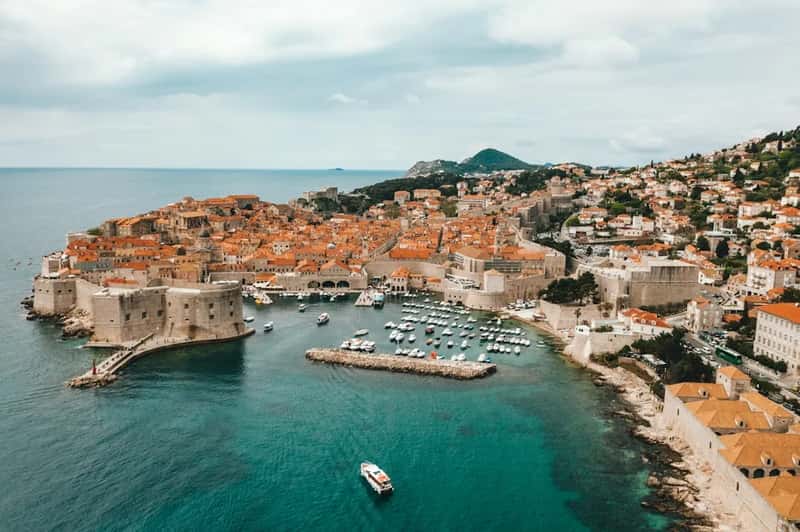
Croatia stands out as one of the few European Union members offering a genuine income tax exemption for digital nomads rather than just a reduced rate. Croatia is one of the few EU countries that completely exempts digital nomad visa holders from local income tax, meaning visa holders pay no tax on their foreign income while in Croatia. That is a notable exception inside a bloc where flat rates in the twenties or thirties are the norm.
The income threshold for the visa moves with local wages rather than staying fixed. As of early 2026, the minimum monthly income requirement is approximately 3,622.50 euros, calculated as 2.5 times Croatia’s average net monthly salary, and the figure adjusts automatically when Croatian wage data is updated, with savings-based alternatives of roughly 43,470 euros for a 12-month stay also accepted. It’s worth remembering that this exemption applies strictly to foreign-sourced income, so any local client work falls outside the deal.
Barbados
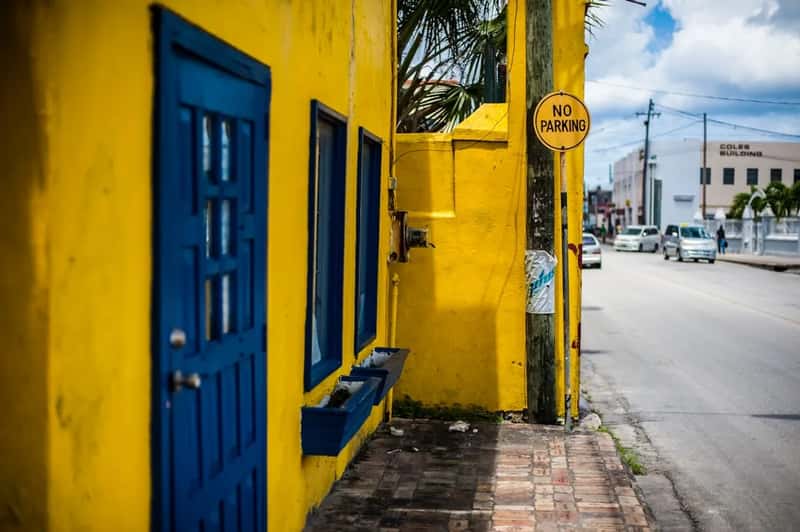
Barbados was one of the earliest Caribbean nations to formalize a remote work program, and it remains one of the most straightforward. In July 2020 the country released a special digital nomad visa named the Barbados Welcome Stamp, valid to work and live on the island for one year, costing $2,000 for an individual or $3,000 for a family, with eligibility requiring proof of an annual income of $50,000 generated outside Barbados. The visa was built specifically around people whose money comes from somewhere else.
The tax treatment follows directly from the visa’s design. As a non-national who got granted the Welcome Stamp, you are deemed not to be resident in Barbados under the Income Tax Act. Beyond the paperwork, Barbados also brings practical advantages that some smaller islands lack, including direct flights to London via Virgin Atlantic along with frequent flights to Miami, New York, and Toronto, widely available fiber internet, and an English-speaking common law legal system with a stable democracy dating back to 1966.
The Bahamas

The Bahamas leans into its status as a longstanding zero-tax jurisdiction rather than inventing a new incentive from scratch. The Bahamas has zero personal income tax, a policy that predates the remote work boom by decades and applies broadly, not just to visa holders. That baseline made it relatively easy to bolt a nomad-friendly visa onto an already tax-free system.
The country’s dedicated program for remote workers reflects that long stay potential. The Bahamas Extended Access Travel Stay program covers a tax-free stay of one year, renewable to a maximum of three years, with a visa cost of $1,000 for the applicant plus $500 for each dependent. Living costs on the islands run higher than in much of the Caribbean, which is the trade-off most people accept in exchange for zero tax and genuine long-term residency flexibility.
Cayman Islands

The Cayman Islands has one of the cleanest zero-tax reputations of any jurisdiction on this list, built on decades of established financial infrastructure rather than a pandemic-era visa scheme. The Cayman Islands has zero personal income tax, with no personal or corporate income taxes for most residents and businesses, among the lowest tax rates in the Caribbean region. That reputation comes with a correspondingly high cost of entry for remote workers seeking residency.
Unlike Barbados or Antigua, the Cayman Islands does not chase volume with a low-cost entry visa. Program costs there run considerably higher than in most Caribbean neighbors, reflecting a market positioned toward higher earners and established professionals rather than budget-conscious nomads. For someone who can clear that bar, the payoff is a jurisdiction with a mature banking sector and genuinely zero personal taxation, not a temporary carve-out.
Panama
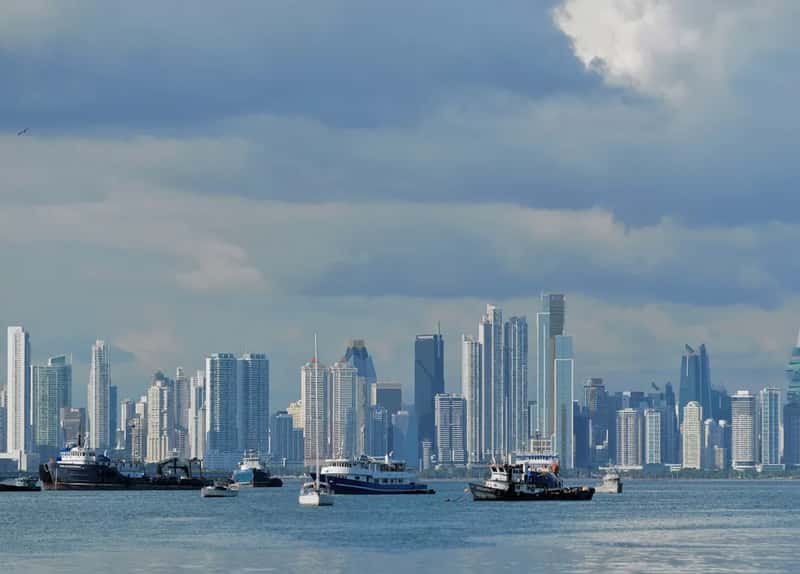
Panama takes a different structural approach than most countries on this list, relying on a territorial tax system rather than a specific nomad exemption. The territorial tax regime constitutes one of the greatest attractions for foreign residents, since Panama applies a system where generally only taxes are paid on income generated within Panamanian territory, and foreign-source income is typically exempt from local taxation. In practice, that means money earned from clients or employers outside Panama usually stays untouched by local tax authorities.
The Friendly Nations Visa remains the primary legal pathway into this system for eligible applicants. The Friendly Nations Visa continues to position itself as the most efficient immigration pathway for citizens of nations with strategic ties to the isthmus, though regulations have evolved significantly in recent years. That evolution has made the process somewhat more paperwork-heavy than in its earliest years, though the underlying territorial tax advantage has stayed intact.
Antigua and Barbuda

Antigua and Barbuda abolished personal income tax outright rather than carving out a narrow exemption for visa holders. Antigua and Barbuda eliminated its personal income tax in April 2016, and the country also imposes no capital gains tax, no inheritance tax, and no wealth tax on individuals, with residents and non-residents alike paying zero on local or foreign personal income. That blanket policy makes the tax question almost beside the point for anyone who qualifies for residency.
The dedicated remote work program layers a practical visa on top of that existing zero-tax framework. The Nomad Digital Residence visa is valid for two years and is non-renewable on a lifetime basis, requiring an annual income of at least $50,000, with fees tiered from $1,500 for a single applicant up to $3,000 for a family of four. Because the tax rate was already zero before the visa existed, becoming a formal tax resident after 183 days of physical presence carries no practical cost.
What This Means for Your Own Move

None of these eight countries hand out a truly free lunch. Every program comes with an income floor, an application fee, health insurance requirements, or a time limit that shapes how long the arrangement realistically lasts. For citizens of countries that tax worldwide income, particularly the United States, a zero local tax rate abroad does not erase filing obligations back home, even if tools like the Foreign Earned Income Exclusion can substantially reduce what’s owed.
The right choice ultimately depends on what a remote worker values most: the UAE and Cayman Islands suit people who want a mature, high-infrastructure base and can meet steeper income thresholds, while Antigua, Barbados, and the Bahamas offer a more accessible Caribbean entry point. Costa Rica and Panama sit in between, blending genuine tax relief with slower-paced, lower-cost living, and Croatia remains the standout for anyone who specifically wants to stay inside the European Union without losing the tax advantage. Whichever path someone picks, the paperwork and residency rules deserve as much attention as the headline tax rate itself.