Most people assume a second passport means either years of paperwork or a fortune in investment. That assumption holds true in plenty of places, but it is not the whole story. A handful of countries have built systems around ancestry, modest residency terms, or straightforward investment thresholds that make holding two passports far more attainable than the popular image suggests.
Some of these paths lean on family history, tracing a bloodline back to a grandparent or great-grandparent who once left home. Others rely on a set number of years spent living somewhere new, or a financial contribution that funds public projects in exchange for a passport. What follows is a look at eight countries where the process, at least on paper, is more accessible than the global norm.
Italy: Ancestral ties still open a door, though a narrower one

For more than a century, Italian citizenship worked almost like clockwork for descendants abroad. Italian citizenship was treated as a right acquired at birth and passed through generations without limits. That made it one of the most popular ancestry routes anywhere, drawing applicants from Argentina to Australia to the United States.
That changed in 2025. A new Article 3-bis was inserted into the citizenship law, introducing proximity-based eligibility limits and transitional windows that fundamentally alter who may still apply. In practical terms, eligibility is now generally limited to applicants with a parent or grandparent born in Italy who held only Italian citizenship at the time. Applications filed before the March 2025 cutoff are still judged under the old, more generous rules, so timing has become part of the strategy for anyone with an Italian branch in the family tree.
Ireland: The grandparent rule that still works

Ireland has kept things comparatively simple. An application for Irish citizenship through Foreign Births Registration can be submitted by any person with a grandparent born on the island of Ireland. Once registered, that connection carries real weight, since Ireland allows for dual citizenship, meaning applicants can live, work, and study in Ireland, the wider UK, and the European Union without giving up their original nationality.
The catch shows up one generation further back. Foreign Birth Registration is available only to people with a grandparent born in Ireland or a parent who has obtained Irish citizenship through the FBR or naturalisation. Anyone whose closest Irish ancestor is a great-grandparent typically needs that intermediate generation to have already registered, which is why family research tends to matter as much as the paperwork itself.
Poland: No fixed limit on how far back you can go
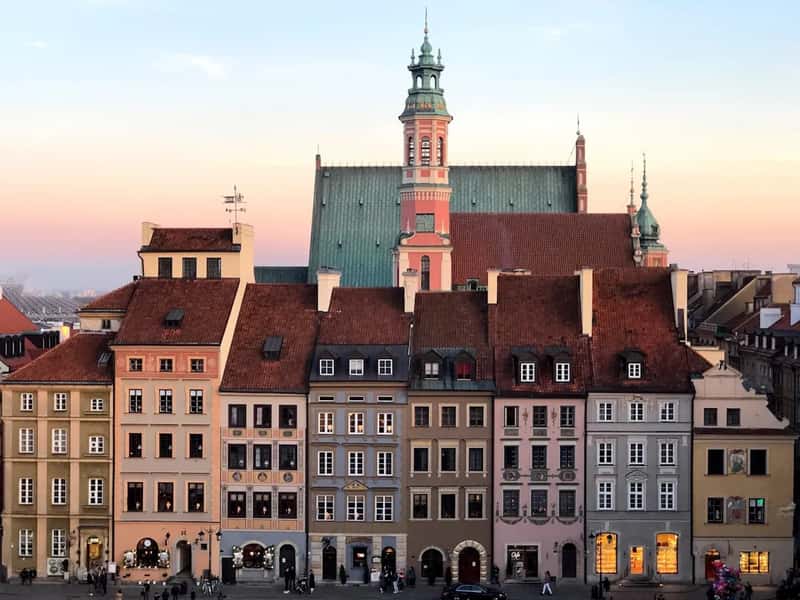
Poland takes a different approach than most of Europe. There is no generation limit, and any direct line can qualify as long as the chain of citizenship was never broken, meaning even a great-grandparent connection can be enough. The process is technically framed as confirmation rather than a new grant, since Polish law treats the applicant as already holding citizenship through an unbroken family chain.
There is no language test, no interview, and no need to ever live in the country first. Poland has permitted dual citizenship since 1999, and claiming Polish citizenship by descent does not require renouncing an existing US, Australian, Canadian, or other nationality. The real work lies in archival research, since Poland’s shifting borders through the twentieth century mean tracking down the right records can take time even when the legal path itself is clear.
Paraguay: A modest three-year residency requirement
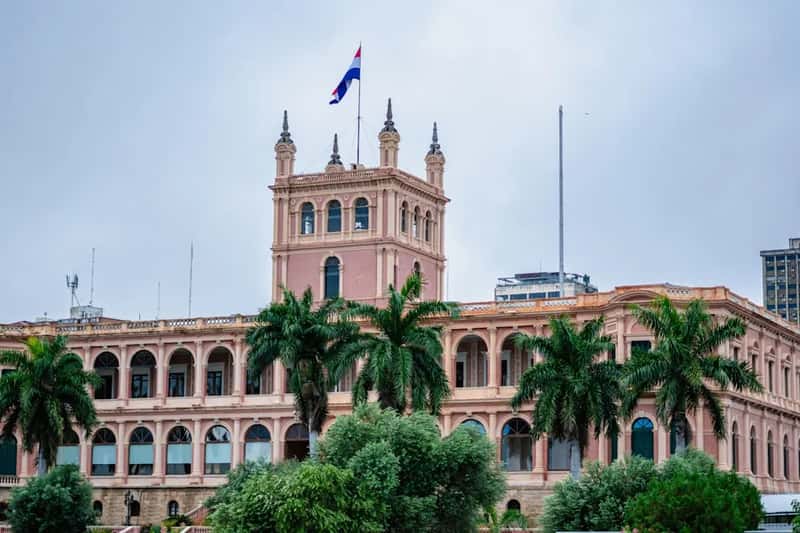
Paraguay does not run a citizenship by investment scheme, but its naturalization rules are unusually short by regional standards. Paraguay grants citizenship by naturalization after three years of permanent residency under Article 148 of its Constitution, though temporary residency does not count toward that clock. Applicants also need to show integration through basic Spanish or Guaraní and pass a civics assessment covering the country’s history and constitution.
Dual nationality is handled on a case by case basis. Dual citizenship is permitted under Article 149 on a reciprocity basis, with Spain and Italy covered by treaty, while other nationalities are generally tolerated in practice. The resulting passport is not the most powerful in the world, but it opens up visa-free access to roughly 145 countries, including the entire Schengen Area, the UK, Ireland, and full freedom of movement across Mercosur nations.
Argentina: One of the shortest naturalization timelines in the region

Argentina has long been known for one of the more forgiving naturalization frameworks in Latin America. Under its long standing Citizenship Law, foreign nationals who can show two years of continuous legal residency are generally eligible to apply for naturalization, a much shorter window than what applies across most of Europe or North America. The residency requirement can even be shortened further for people who can point to meaningful ties, such as marriage to an Argentine citizen or specific professional contributions.
Argentina does not require applicants to give up their original passport, and dual nationality has been standard practice there for decades. The process runs through the federal courts rather than an immigration ministry, which tends to keep it relatively predictable once the residency clock has been met. For descendants of Argentine emigrants, there is also a separate path through ancestry, though the residency route remains the more commonly used option for newcomers.
Dominica: The Caribbean’s most affordable investment passport
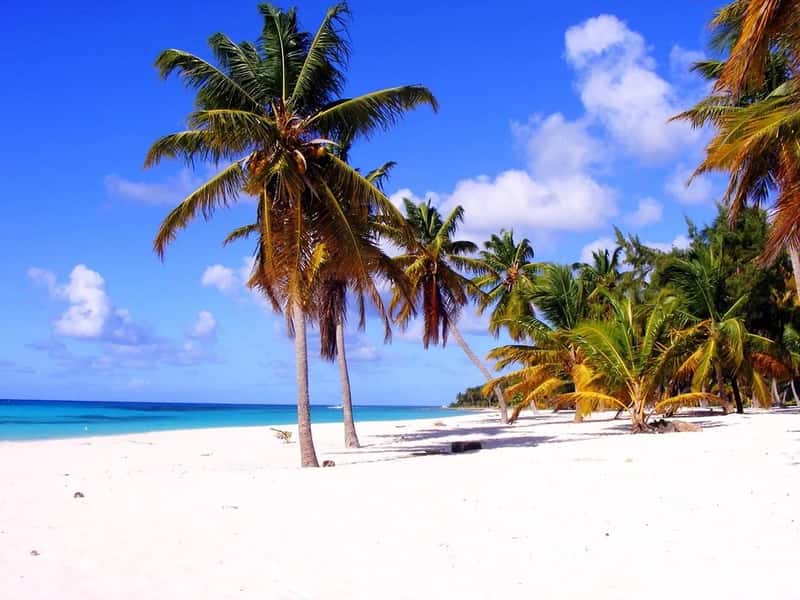
Among the five Eastern Caribbean citizenship by investment programs, Dominica consistently sits at the bottom of the price scale. Dominica offers the lowest minimum investment among Caribbean citizenship by investment programs, starting at 200,000 US dollars for either the government contribution or a qualifying real estate purchase. That figure reflects a regional floor agreed through the OECS Memorandum of Agreement, which has bound every Eastern Caribbean program to a minimum investment since July 2024.
Dominica also happens to be one of the longest running schemes of its kind. It is one of the oldest citizenship by investment programs globally, and it continues to offer the lowest entry cost in the region. Processing tends to move at a similar pace to its neighbors, generally landing somewhere in the range of a few months to under a year, depending on how quickly documentation and due diligence checks are completed.
St Kitts and Nevis: The original, and still among the fastest

St Kitts and Nevis holds a particular place in this space simply because of how long it has been running. Established in 1984, it holds the highest passport ranking among Caribbean programs and is known for its strict due diligence standards. That reputation for rigor has arguably helped the passport retain its strength over four decades, rather than weakening it.
Speed is another selling point. Approval timelines across Caribbean programs generally run from five to sixteen months, with St Kitts and Nevis typically offering the shortest turnaround of the group. The passport itself carries real reach, too, with St Kitts holding the strongest visa-free access in the region, covering 157 destinations, compared to Dominica’s 136.
Antigua and Barbuda: Built with large families in mind
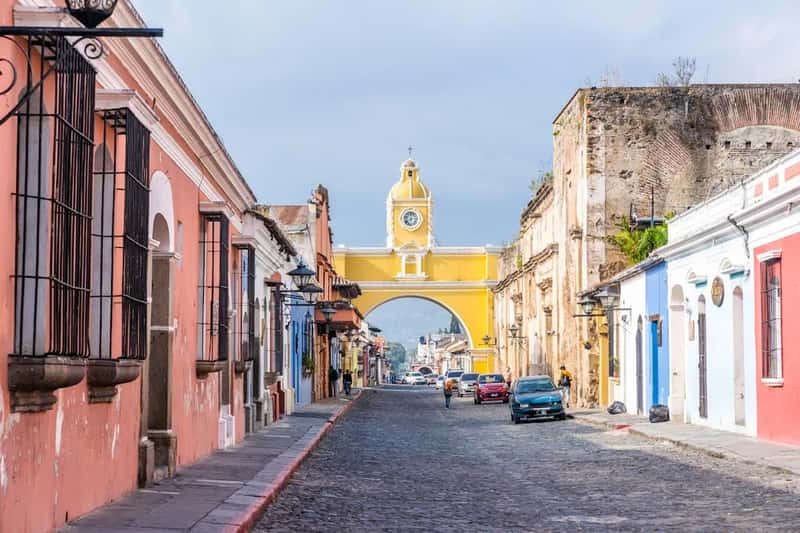
Antigua and Barbuda has positioned its program specifically around family inclusion. It offers the broadest family eligibility of any Caribbean program, with dependents including a spouse, children under 31, unmarried siblings, and parents or grandparents aged 55 and over. For applicants with extended households, that flexibility can make a real difference compared with stricter definitions of dependents elsewhere in the region.
Pricing reflects that family focus as well. Its University of the West Indies Fund option allows a family of six or more to qualify with a contribution of 260,000 US dollars, a path that even includes a year of tuition free education. Antigua also stands apart procedurally, since it requires a minimum five day physical stay in the country as part of its residency requirement, a small but distinctive condition compared with the other Caribbean programs.