Anyone who has spent a few days wandering through a European capital knows the feeling: a stranger suddenly wants to tie a bracelet on your wrist, a taxi driver insists the meter is broken, or someone in a costume poses for a photo you never agreed to pay for. These moments are small, usually harmless in the physical sense, but they add up to a pattern that travel advisories, local police, and seasoned travelers keep flagging year after year.
Some cities get named in these warnings far more often than others, not because they are dangerous in a violent sense, but because the sheer volume of visitors creates ideal conditions for people looking to make quick, easy money off distracted tourists. Here is a closer look at the eight cities that consistently top the lists.
Rome, Italy

Rome’s tourist scam reputation is built around a handful of very specific locations that show up in nearly every warning. Guides repeatedly point to the Fontana di Trevi, the surroundings of the Colosseum, the steps of Plaza de España, or Termini station as the places where visitors need to be most alert. Termini in particular has a bad reputation, since it is infamous for its high frequency of scams, from rigged ticket vending machines to skillful pickpocketing.
The city’s most photographed scam involves costumed performers near the ancient sites. Outside the Colosseum, visitors will find individuals dressed as gladiators encouraging tourists to take photos with them, but after the snapshot, they demand money and may become hostile if refused. Authorities have tried to crack down on this: posing as these characters to charge for photos is banned under Rome’s rules, with fines up to 400 euros for the operators, though enforcement is inconsistent enough that the practice continues.
Barcelona, Spain
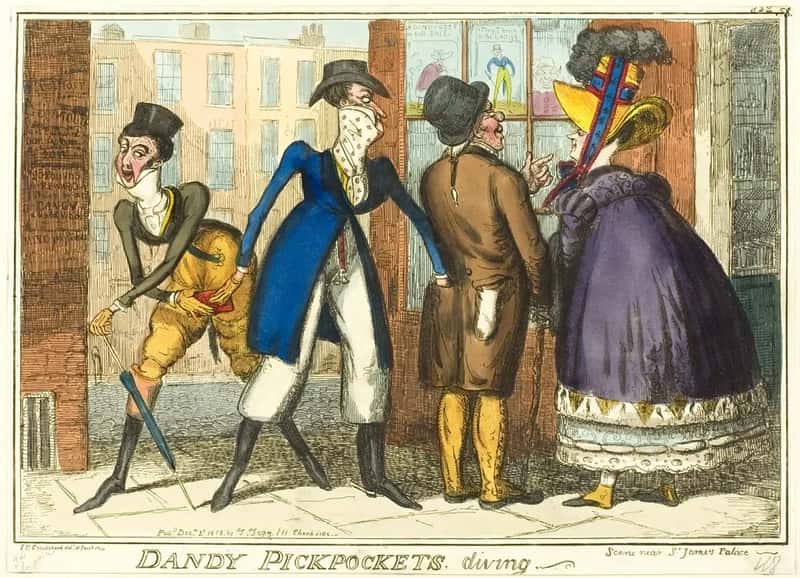
Barcelona’s problem is concentrated on one street more than any other. The 1.2-kilometre boulevard from Plaça Catalunya to the Columbus Monument is consistently named the most-pickpocketed street in Europe. Local guides describe a well-rehearsed set of tricks used along it and nearby, including one involving fake charity workers.
The clipboard petition scam involves a group of people, often claiming to represent a deaf charity, who approach with a clipboard and ask you to sign, while an accomplice accesses your bag. There is also a version involving jewelry. In the bracelet scam, someone grabs your wrist and starts tying a bracelet on it before you have agreed to anything, while your hand and attention are occupied, an accomplice goes for your bag. The scale of the issue is notable too: Barcelona records around 200,000 official thefts per year, with a significant portion being pickpocketing of tourists.
Paris, France
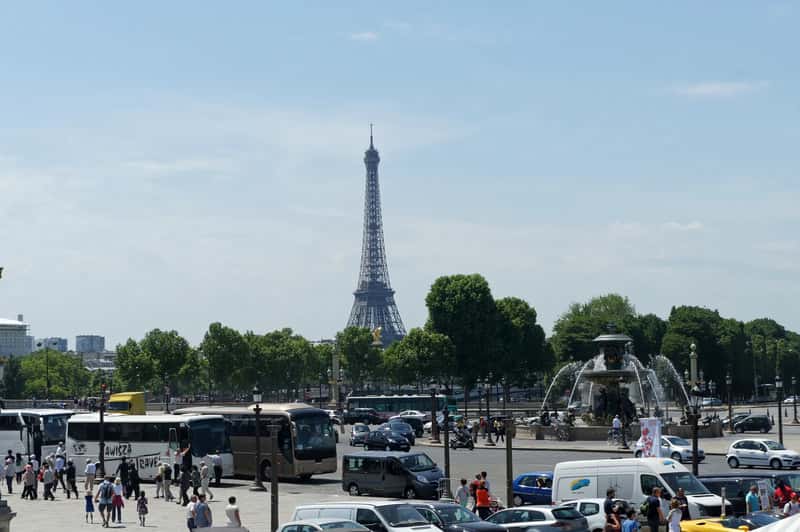
Paris shows up at the top of nearly every European scam ranking, and the numbers behind that reputation are striking. A 2025 review of theft reports found Paris, Rome and Barcelona as the three worst affected cities globally, with Paris alone accounting for more than one in six reviews that mention pickpocketing or theft. The scale is also visible in passport statistics, since each year about 2,000 American travelers report their passports stolen or lost in Paris alone.
The city’s crowded landmarks are where most incidents happen. French officials estimate that thousands of foreign passports are reported lost each year in Paris, with many victims jostled in museums, on metro trains or at busy sites such as the Eiffel Tower and Louvre. Common scam formats mirror what shows up elsewhere in Europe, since common scams include friendship bracelets, fake petitions, ring scams, and unofficial ticket sellers.
Prague, Czech Republic
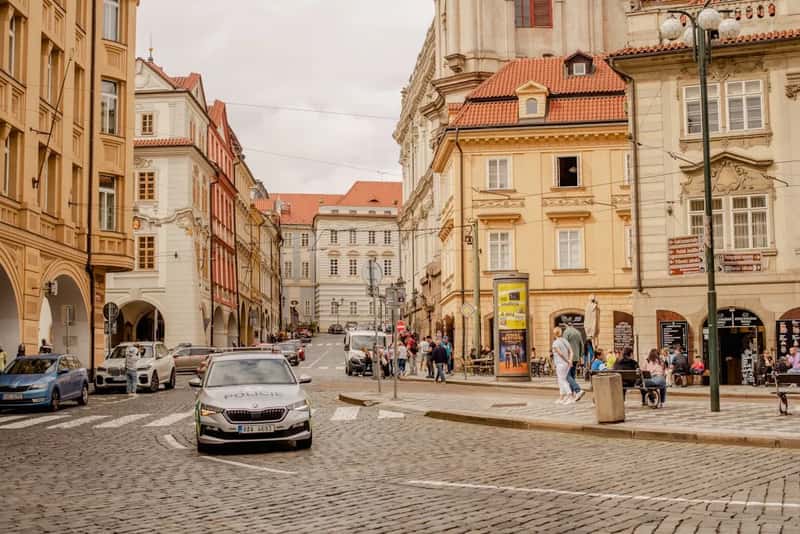
Prague’s warnings tend to center on money rather than pure theft. Currency exchange booths are a long-running problem, and the Honest Guide team regularly warns about overcharging taxis, scam currency exchanges with abysmal rates or hidden fees, and shady vendors who wildly inflate prices for things like the mandatory highway vignette. Restaurants have also drawn scrutiny after a well-known local exposé, in which a prominent Czech YouTuber revealed an upscale Prague restaurant serving beer from cheap plastic bottles but charging over 330 koruna, roughly 14 euros, per pint.
There is also a scam involving people posing as authority figures. Prague police have cautioned against fake plainclothes police who ask to see a visitor’s wallet under the pretext of checking for counterfeit bills, a known scam across Central Europe. Taxi advice from locals is fairly consistent on how to avoid trouble: travelers should not flag a taxi on the street or get in one parked in a tourist area, and instead ask a hotel to call a reputable firm.
Athens, Greece

Athens does not carry the same reputation for organized pickpocket gangs as some other cities on this list, but petty theft around its most visited sites is a steady concern. Petty theft can occur in busy areas of Athens or on crowded ferries, so visitors are advised to keep an eye on bags at popular sites like the Acropolis and the Plaka district, and on public transport. The city’s transit hubs and markets carry similar warnings, with guides flagging Monastiraki flea market, Syntagma Square metro, the Acropolis entrance, and crowded buses as places to stay extra alert.
Unlicensed transport is another recurring theme in advisories about Athens. Unofficial services such as unlicensed taxis or tour guides who approach tourists directly may lead to scams or overcharging, so it is safer to use established companies or hotel recommendations. Currency related tricks also appear on lists of hotspots, with one guide naming Athens taxis specifically among the places where banknote swapping has been reported.
Amsterdam, Netherlands
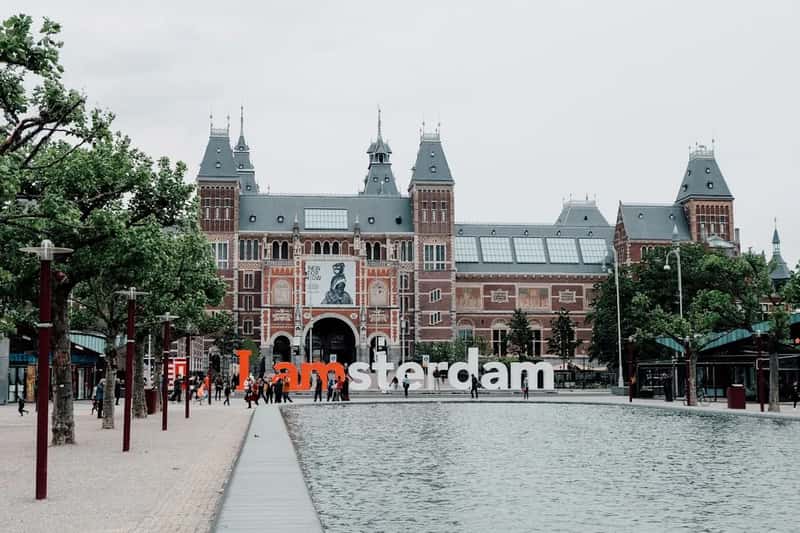
Amsterdam’s nickname among some travel writers, “Scamsterdam,” reflects how frequently the city appears in warning lists despite its reputation for order and safety. One long-documented trick involves fake authority figures who target cash or cards directly. Dutch guidance describes a scam in Amsterdam in which criminals produce shiny badges and tell victims their cash or cards are counterfeit, though authorities stress that genuine police do not carry such badges and will not ask to inspect wallets.
Street vendors and impromptu sales pitches are another common thread in warnings about the city. One version, known as the white van scam, involves a pair of men approaching in a van claiming to work for an electronics brand, asking for directions and then offering discounted products in a box that turns out to be empty once cash changes hands. Taxi pricing is also flagged repeatedly, since even legitimate drivers who switch on the meter can charge 40 euros or more from the airport to the city center, a price many visitors find surprisingly steep for a fairly short ride.
Budapest, Hungary

Budapest’s warnings lean heavily toward nightlife districts and transport pricing rather than street pickpocketing alone. Bars and clubs are a particular focus of official advice, since some establishments run bills that only become clear once it is too late to walk away. In some bars and nightclubs menus do not display prices, and after customers order they are presented with highly inflated bills, sometimes escorted to an ATM to pay, a scam that often begins with friendly locals inviting tourists for a drink.
Taxis are the other recurring theme in Budapest advisories. Budapest has repeated reports of taxi overcharging at night and from bars and clubs, and currency exchange bureaus draw similar warnings, with guides naming Budapest and Bucharest as close seconds to Prague for exchange rate tricks. The common advice across nearly every source is the same: agree on a price or confirm the meter before getting in, and treat unsolicited invitations to a bar with polite skepticism.
Lisbon, Portugal
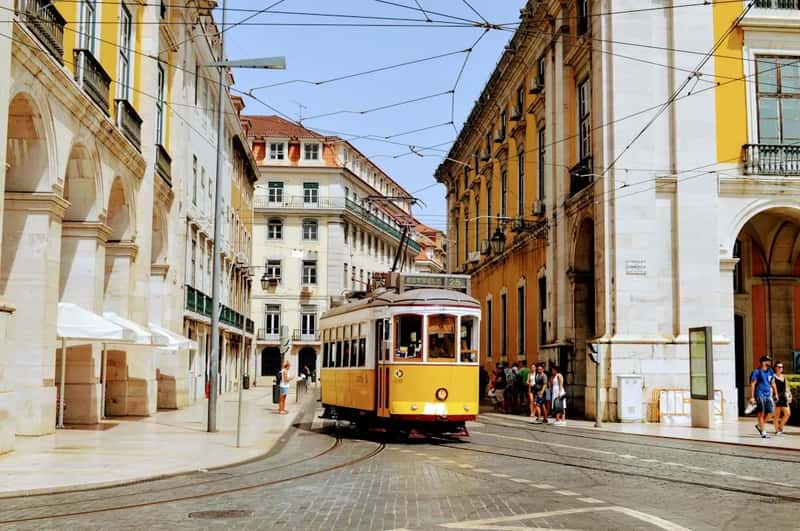
Lisbon has a reputation as one of Europe’s calmer capitals when it comes to violent crime, but pickpocketing has grown alongside its tourism boom. Lisbon ranks among Europe’s safest capitals for violent crime, but pickpocketing has surged on tourist-heavy trams and metro lines since the 2024 cruise traffic boom. The city’s rising popularity is easy to quantify too, since Lisbon’s tourist arrivals jumped 14 percent between 2023 and 2025, with cruise port traffic at Doca de Alcântara setting record numbers.
One single tram route dominates almost every warning about the city. The famous Tram 28 route through Alfama and Bairro Alto is one of Europe’s most notorious pickpocket corridors, where organised gangs board the trams and systematically steal from distracted tourists enjoying the views. Metro stations carry similar risk during busy hours, since the metro is the second major hotspot, particularly at Rossio, Baixa-Chiado, and Marquês de Pombal stations during rush hours, and taxi pricing from the airport is flagged as one of the costliest traps for first time visitors.
What travelers should keep in perspective

Being named in a scam warning list does not mean a city is unsafe in any broad sense. Across nearly every source, the same caveat appears: violent crime against tourists is rare, and millions of visitors enjoy a trouble-free trip every year in these places. Petty theft and scams are largely crimes of opportunity, and the people running them are counting on distraction, jet lag, and politeness rather than any real cleverness.
The practical advice that keeps surfacing is almost identical from city to city. Keep bags in front rather than on your back, use licensed taxis or booked rides instead of drivers who approach you first, confirm restaurant and bar prices before ordering, and treat any unsolicited offer of help, a bracelet, or a “free” gift with a polite but firm decline. None of it requires paranoia, just the kind of ordinary awareness that turns a well-known trick into a non-event.