Abandoned places pull people in. Peeling paint, rusted rides and empty hallways make for striking photos, and plenty of travelers plan whole trips around them. The risks tend to get less attention than the scenery.
The nine places below range from a burning coal town to a closed island in New York’s East River. The warnings about them come from federal and state agencies, city governments and the sites’ own histories. Some are changing fast, so a few of these ruins look very different in 2026 than they did a few years ago.
Centralia, Pennsylvania
In 1962, a trash fire in a strip mine beneath Centralia started burning.[1] The steam coming out of sinkholes around town has carried toxic levels of carbon monoxide, and ground temperatures once reached 180 degrees in some spots.[1] In 1992, the state condemned the entire borough.[2]
The ground is the main worry for anyone on foot. In 1981, an 80 foot sinkhole nearly swallowed a 12 year old boy crossing a neighbor’s yard.[2] The Pennsylvania Department of Environmental Protection warns of ongoing hazards, including carbon monoxide seepage, ground subsidence and possible sinkhole formation.[3] Public roads can be used, but private land and the old Graffiti Highway stretch are off limits.[3]
Picher, Oklahoma
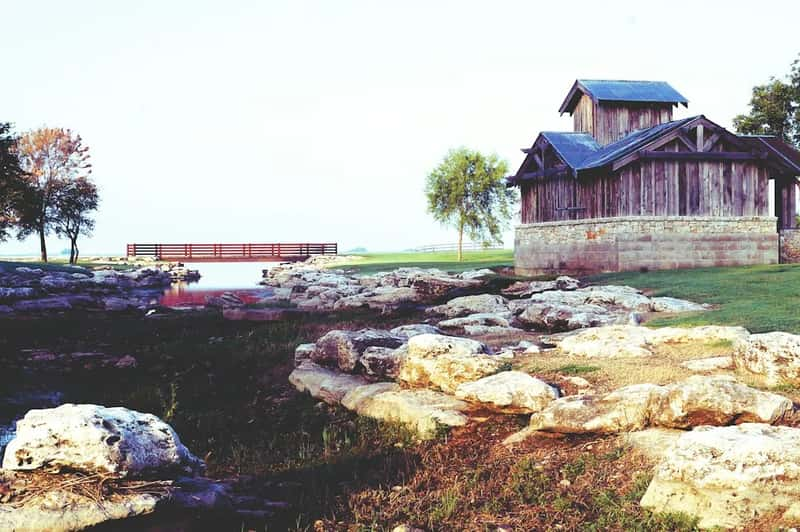
Picher was once a lead and zinc mining boomtown. When the mines closed, roughly 30 huge hills of chat, mill sand and sludge, totaling about 178 million tons, surrounded the town.[4] In 1983 the EPA made the area part of its Tar Creek Superfund site.[4]
The danger isn’t only what you can see. A tornado in 2008 killed six people and destroyed more than 160 homes, and with collapsing mine shafts and tunnels a primary concern, the EPA evacuated the town.[4] The ground can still collapse without warning.[5] The EPA advises avoiding recreation on or around the chat piles and swimming in the creeks and ponds.[6]
Six Flags New Orleans
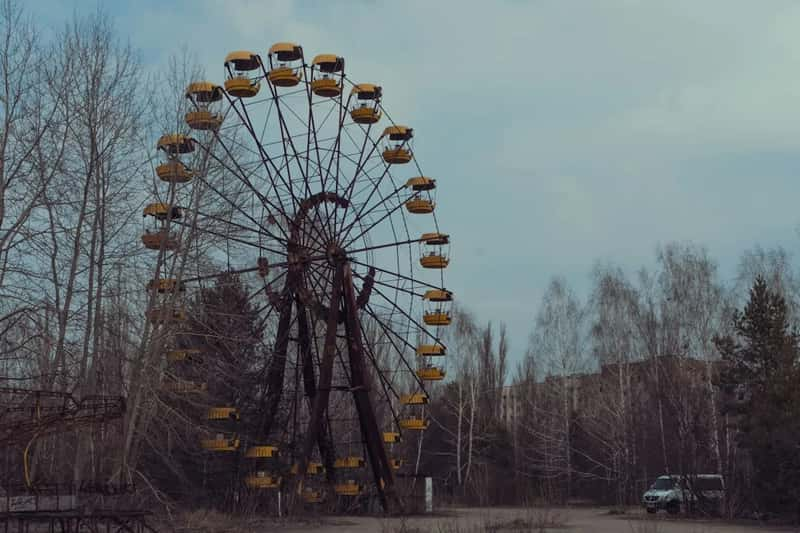
The park opened as Jazzland in 2000 and closed on August 21, 2005,[7] days before Hurricane Katrina. For almost two decades it sat in Eastern New Orleans while redevelopment plans came and went. The overgrown grounds were home to alligators, wild hogs and vultures.[8]
Trespassers kept coming anyway. One report put the average at about six arrests per week for trespassing.[8] City officials tasked the New Orleans Police Department with patrolling the site and arresting trespassers.[7] The theme park is now demolished.[9]
The Packard Plant, Detroit
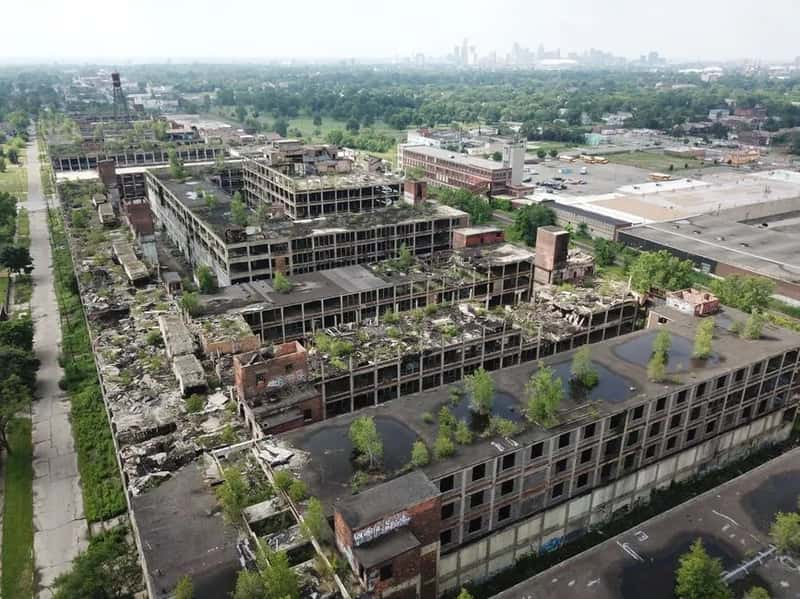
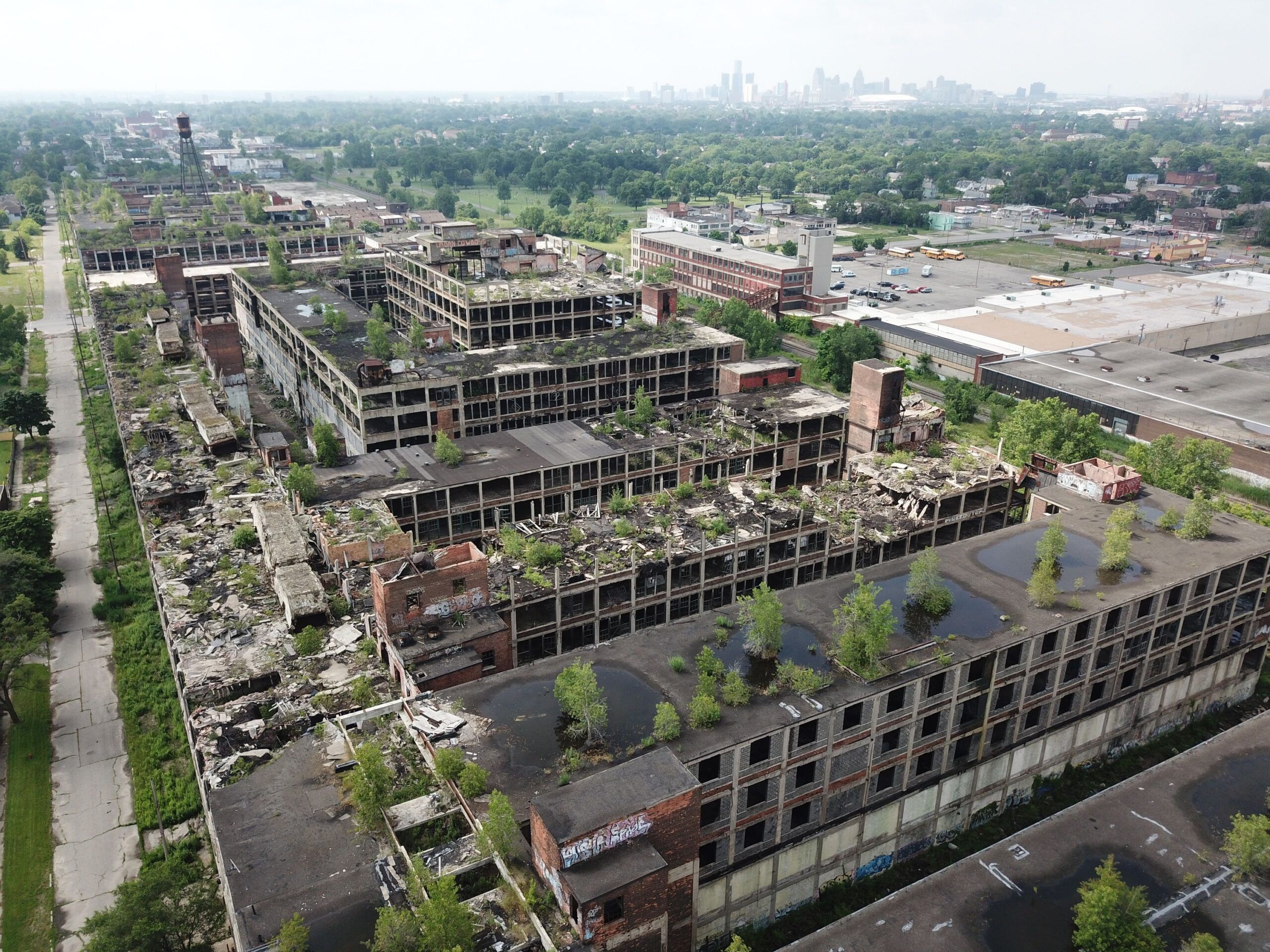
The Packard Plant covered 3.5 million square feet on Detroit’s east side and was last active in 1956.[10] After small businesses left in the late 1990s, the city foreclosed, and scrappers and vandals began tearing the place apart.[10] Photographers and explorers kept visiting for years.
In March 2021 the city sued the owner to have the plant declared a public nuisance and safety hazard.[11] An emergency order covered one structure deemed at risk of collapse.[11] Demolition finished in December 2024, with only two structures left standing,[11] and Detroit has since proposed turning 28 acres into Packard Park.[12]
North Brother Island, New York
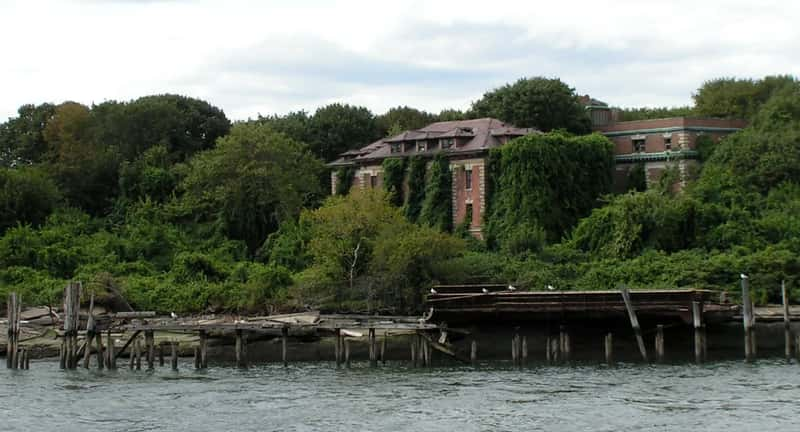
North Brother Island sits in the East River between the Bronx and Rikers Island. It once held a quarantine hospital, and Typhoid Mary spent her final decades there. Since the hospital closed, the buildings have been overtaken by vegetation and are slowly falling apart.
The island is now a protected bird sanctuary, and the city keeps it closed to the public. Access is generally limited to approved visits. A boat landing at a closed island is a poor place to find out you’re alone.
Pennhurst State School, Pennsylvania
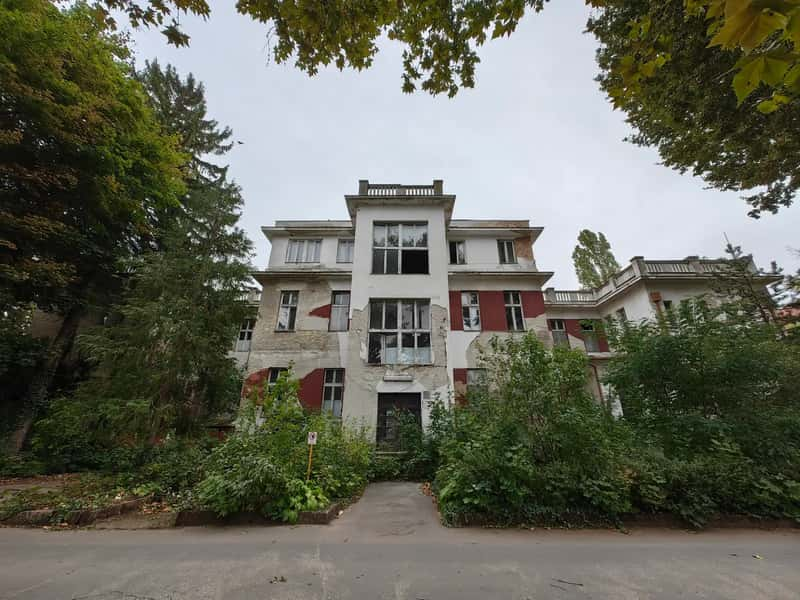
Pennhurst opened in 1908 in Spring City, Pennsylvania, as an institution for people with disabilities. It closed in 1987 after years of public criticism over conditions there. The campus has since become a tourist draw.
Today the site runs organized tours and a seasonal haunted attraction, which is the sanctioned way to see it. Wandering the grounds on your own counts as trespassing. The old buildings are also aging, with weak floors and deteriorating structures.
Waverly Hills Sanatorium, Kentucky
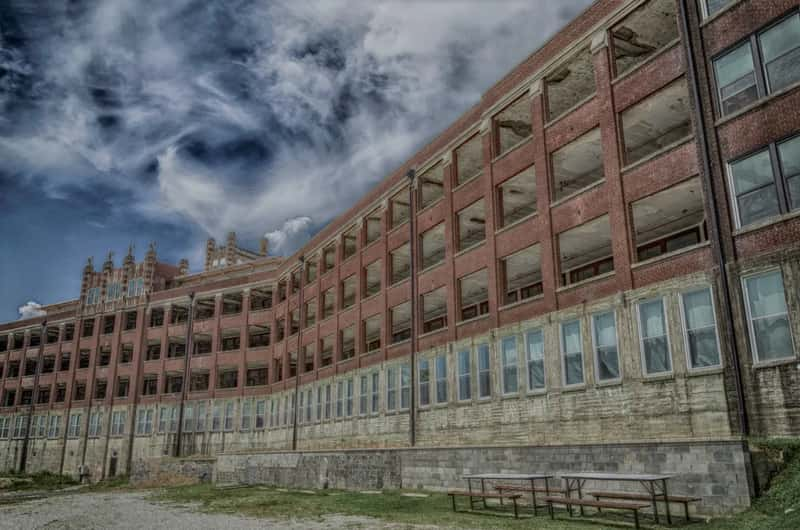
Waverly Hills opened in 1910 on the outskirts of Louisville as a tuberculosis hospital. It later operated as a nursing home before closing for good in the early 1980s. The large building on the hill is still standing.
The current owners run guided tours, so there is a legal and supervised way in. Slipping onto the grounds by yourself brings the same dangers as any decaying building. Unstable floors, open stairwells and hidden drops are the main ones.
Bombay Beach and the Salton Sea, California
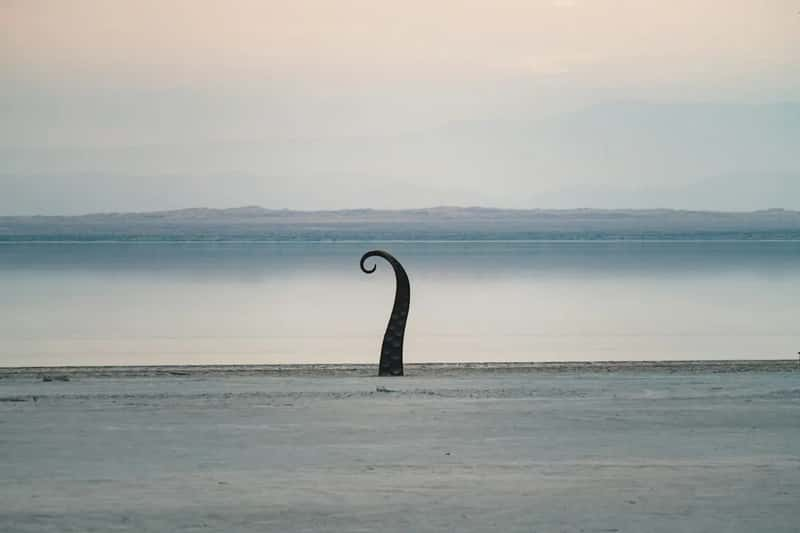
The Salton Sea formed in 1905 when the Colorado River broke through an irrigation canal. Resort towns once lined its shore. Over time the water has shrunk and turned saltier, leaving boat ramps and buildings stranded far from the shoreline.
The exposed lakebed is a public health concern because wind can lift fine dust into nearby communities. The area is also remote, and summer heat in the Imperial Valley is severe. Bombay Beach still has residents, so ruins near occupied homes call for respect as well as caution.
Rhyolite, Nevada
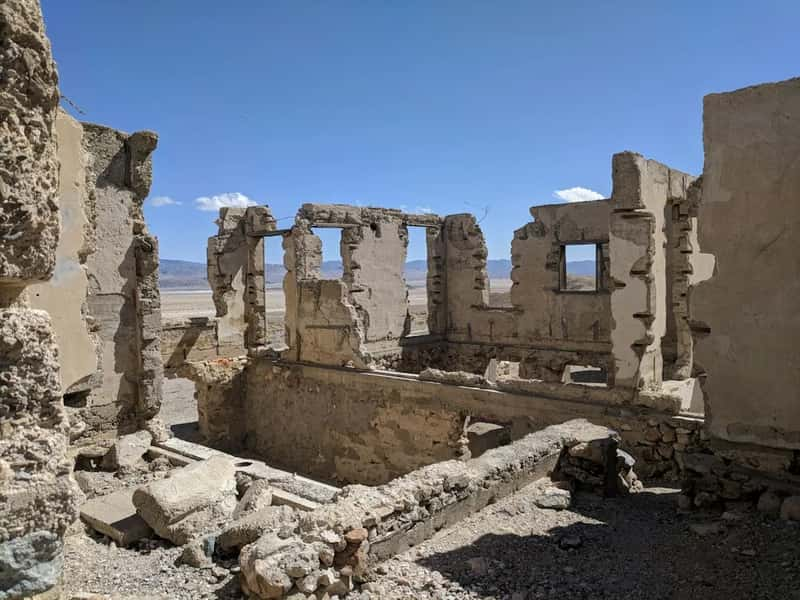
Rhyolite is a gold rush ghost town near Beatty, Nevada, close to Death Valley. It was founded in 1905, and its crumbling walls and a famous bottle house draw steady visitors. The town sits in open desert, with little shade and limited services.
Old mines in the surrounding hills raise the stakes. The Stay Out Stay Alive campaign warns that abandoned mine openings are dangerous and that old shafts can hide drops, bad air and weak ground. Explorers heading toward the old workings should tell someone their route and skip the shafts altogether.
Rules That Apply Almost Everywhere
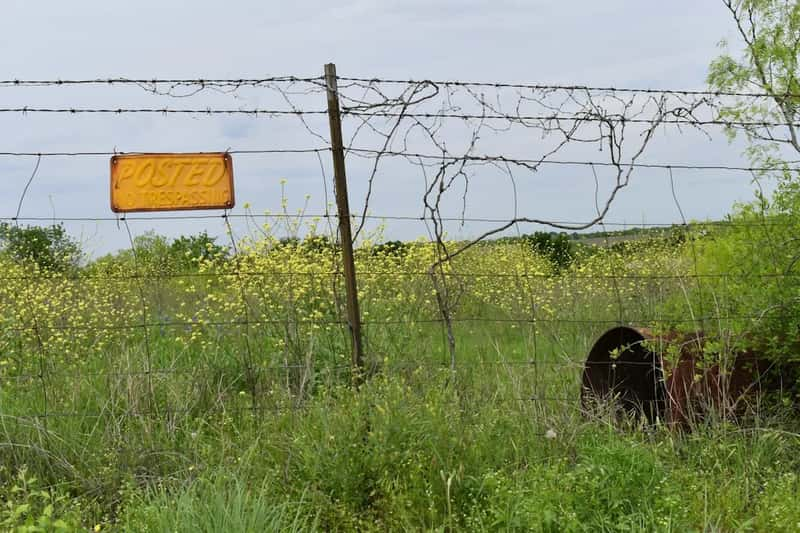
Most abandoned sites are private or government property, so entering without permission can bring a trespassing charge even if no sign is posted. Tell someone your route and return time before you go, and carry water, a charged phone and a first aid kit. Where guided tours exist, such as at Pennhurst and Waverly Hills, they are the legal way to see the buildings.