
The 2025 edition of the Global Startup Ecosystem Report draws on data from about five million startups across more than 350 ecosystems. That scale is why its rankings are a useful starting point for anyone planning a trip around technology.[1] A ranking can’t tell you where the coffee is good or which museum is worth a rainy afternoon, though.
The ten places below mix the report’s heavy hitters with a few rising names. Each one has something a visitor can actually see, touch, or walk through. Think of it less as a leaderboard and more as a map for curious people with a passport.
Silicon Valley, California
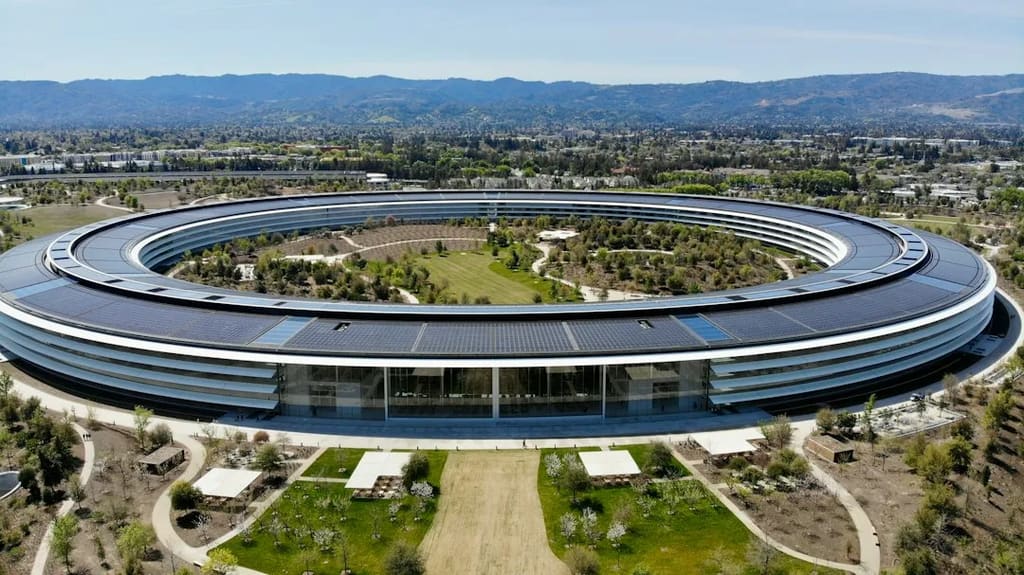
It’s the obvious one, and the numbers still back it up. Silicon Valley has held first place in the global ranking, with New York City and London behind it, and the top three have stayed the same since 2020.[2] That kind of staying power is rare in an industry that reinvents itself every few years.
For visitors, the region is spread out and not especially pretty, so it helps to pick a few anchors. The Computer History Museum in Mountain View is the best single stop, because it explains how the machines in your pocket came about. Add a walk around Stanford’s campus and a stop at the visitor center at Apple Park in Cupertino, and you’ve covered the basics.
New York City, New York
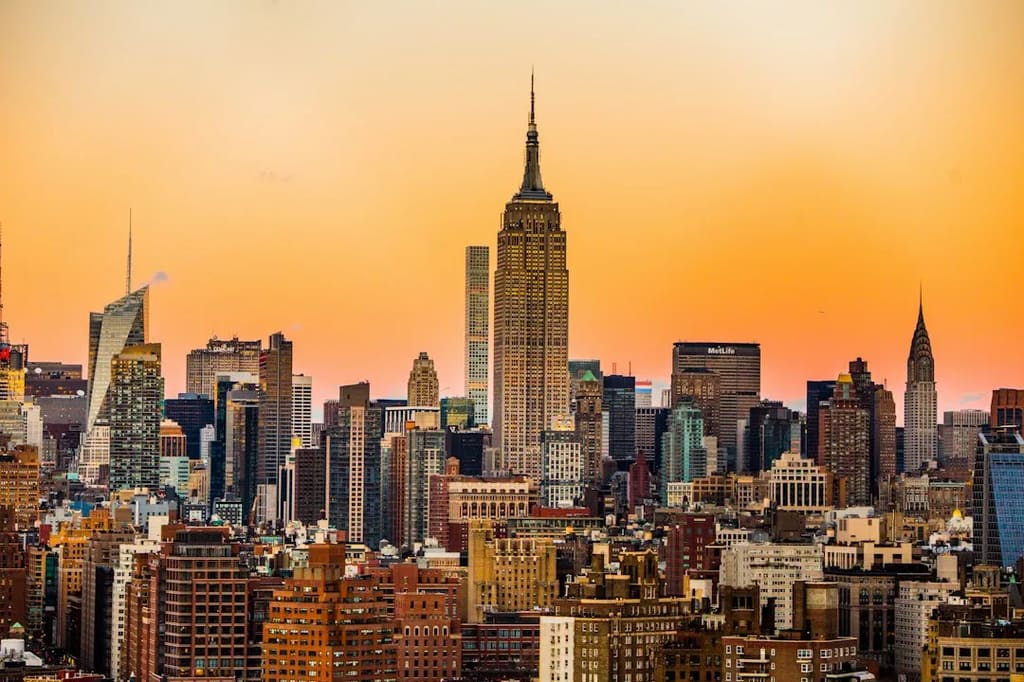
New York doesn’t look like a tech capital, which is part of its charm. It kept its second place in the 2025 ranking.[3] The industry here sits inside a city known for finance, media, and fashion, so the startups feel woven into everyday life rather than walled off in a campus.
A good tech themed day might start with Cornell Tech on Roosevelt Island, reached by the aerial tram that crosses the East River. From there you can head back into Manhattan and wander the neighborhoods where many young companies rent space. It’s a more casual way to see innovation than a corporate tour, and it comes with a skyline.
London, United Kingdom
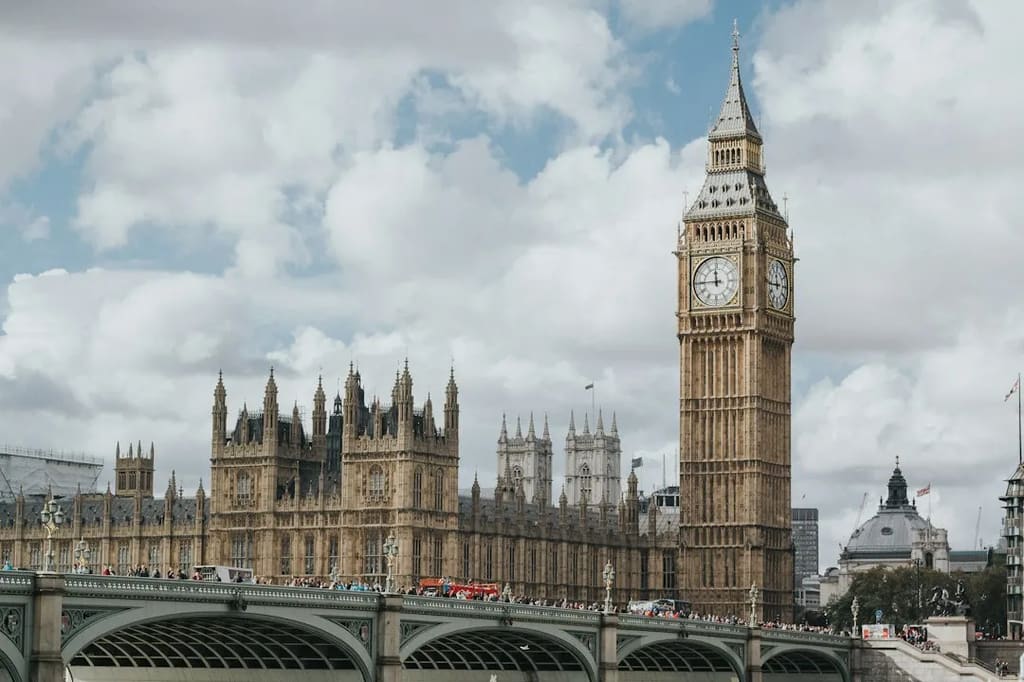
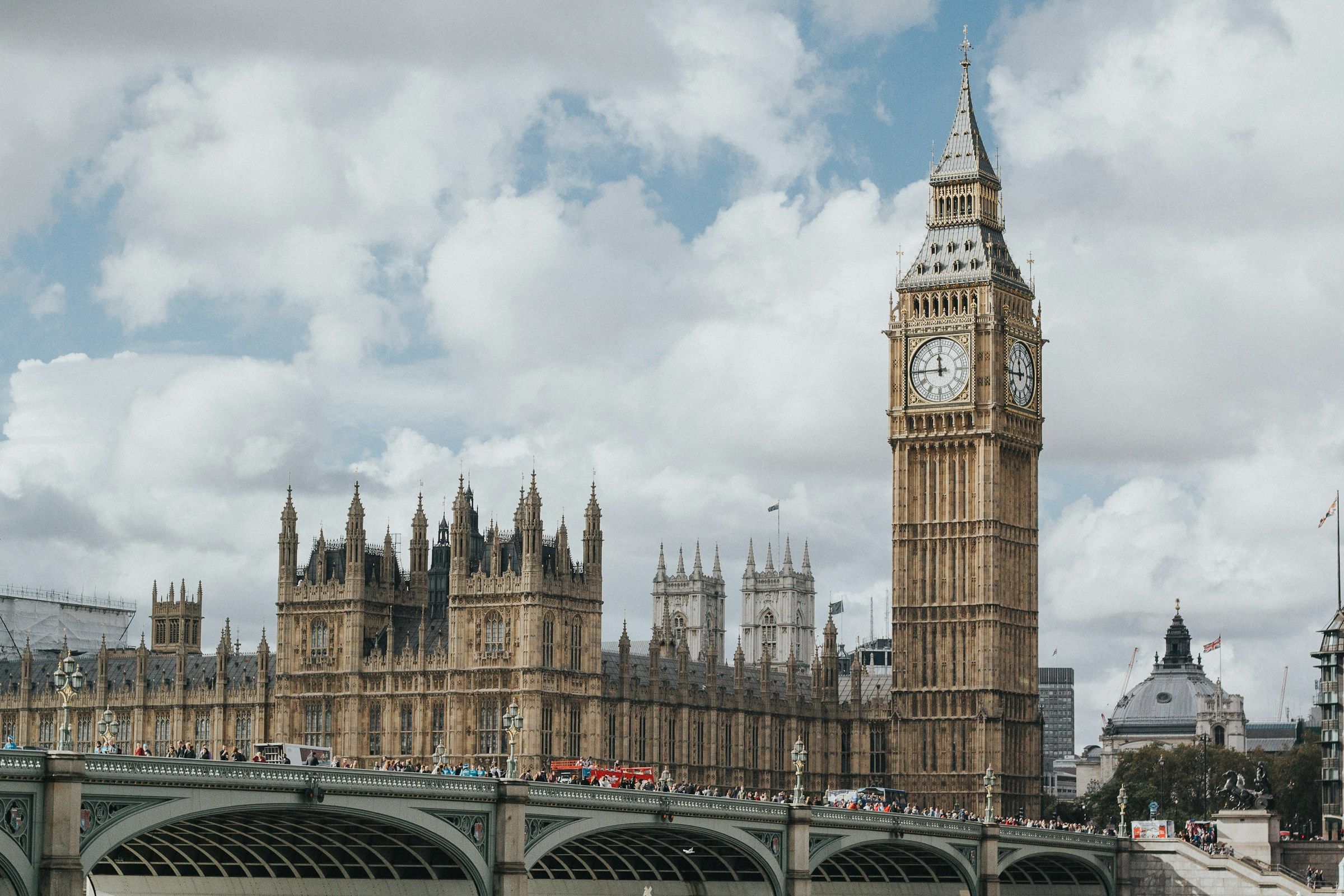
London remains Europe’s strongest startup city, even after a small slip. It dropped one place to third globally but is still the top performing ecosystem on the continent.[4] A drop of one spot at that level says more about the competition than about London.
The city is easy for tech travelers because the history and the present sit close together. The Science Museum in South Kensington covers centuries of invention, while the Shoreditch area, nicknamed Silicon Roundabout, is where many younger companies cluster. You can cover both in a single day on the Tube, which isn’t something every hub on this list can claim.
Tel Aviv, Israel
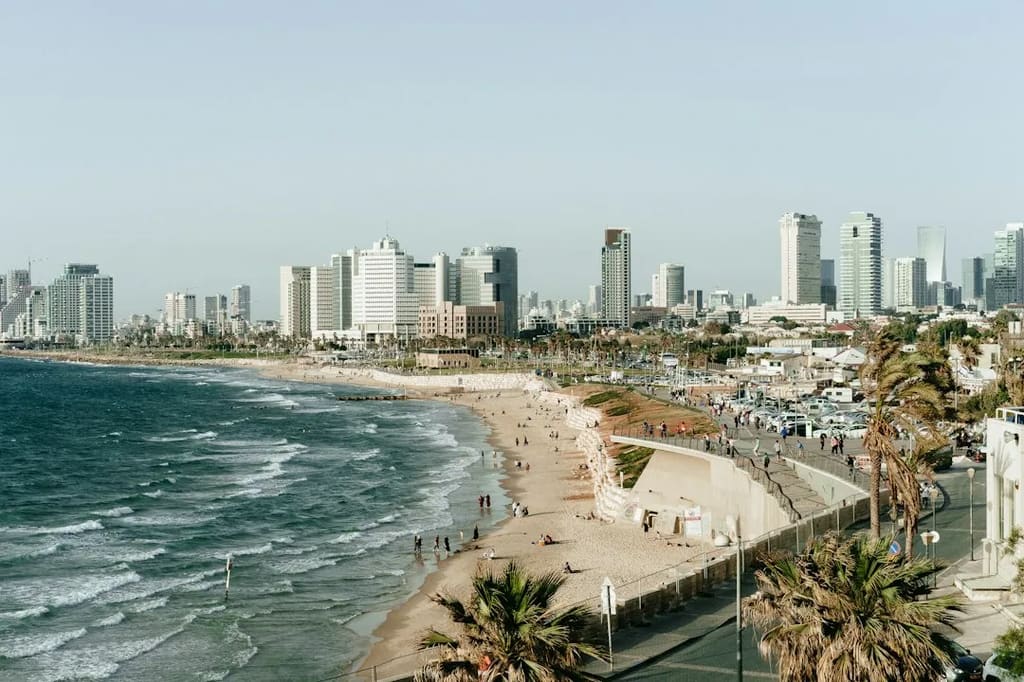
Tel Aviv punches well above its size. It came in fourth in the 2025 global ranking.[5] The city offers more than 180 multinational R&D centers, along with targeted tax incentives and coordinated public and private support.[6]
Funding has also been strong. Israeli tech companies recorded roughly 15.6 billion dollars in private funding in 2025, with much of that activity concentrated in Tel Aviv.[7] The city is also advancing a large tech campus that’s expected to launch in 2026 or 2027.[7] Travel conditions in the region can change quickly, so check current government advice before booking.
Boston and Cambridge, Massachusetts
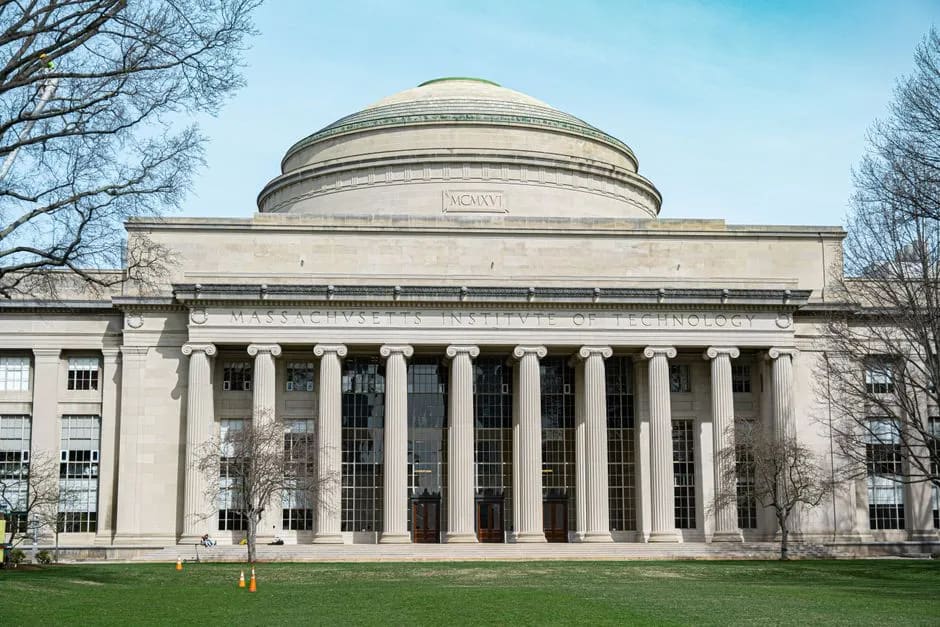
Boston is where universities and startups share the same sidewalks. It moved up one rank in 2025, returning to the top five after two years in sixth place.[1] Much of that energy comes from the research done across the river in Cambridge.
Start at the MIT campus, where the architecture alone is worth the walk, and then visit the MIT Museum in Kendall Square. Kendall is dense with biotech and software offices, so lunch spots are full of people talking shop. Harvard Square is a short ride away if you want a quieter, more academic afternoon.
Shenzhen, China
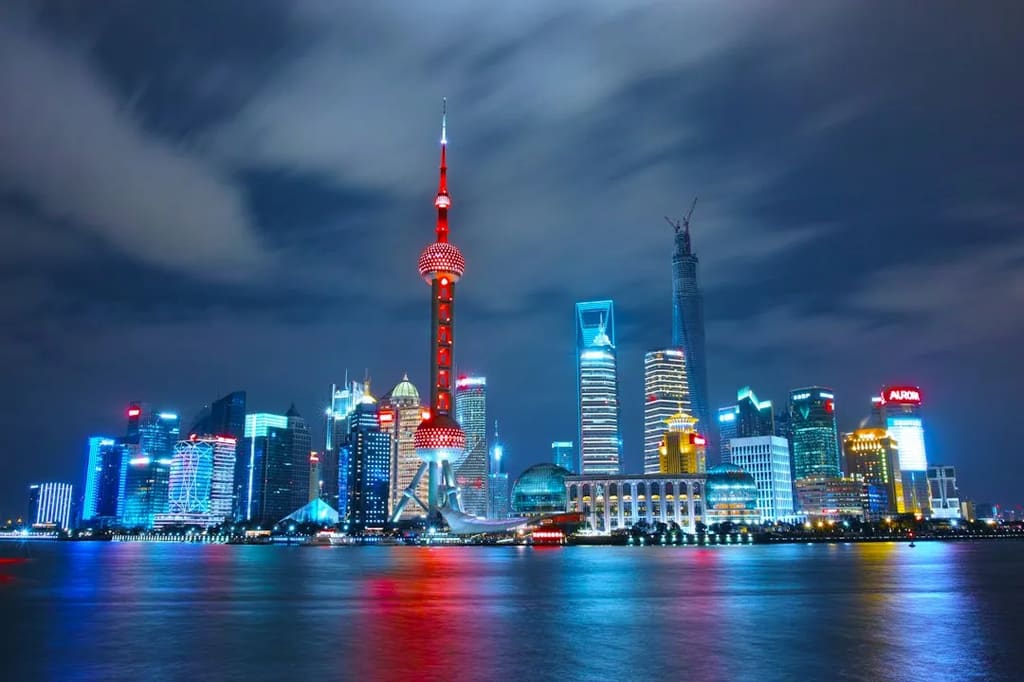
Shenzhen is the place to see hardware as a living, noisy business. It climbed eleven places to seventeenth in the 2025 ranking, and every Chinese ecosystem in the top 40 improved.[1] The best way to understand why is to visit Huaqiangbei.
The district holds more than 35 markets and roughly 115,000 businesses selling components and consumer tech.[8] One market manager reported more than seven thousand foreign tourists visiting daily, making up around three in ten of the foot traffic.[9] Test anything you buy, and check power banks for a CCC mark, since without one they can’t board a Chinese domestic flight.[10]
Singapore
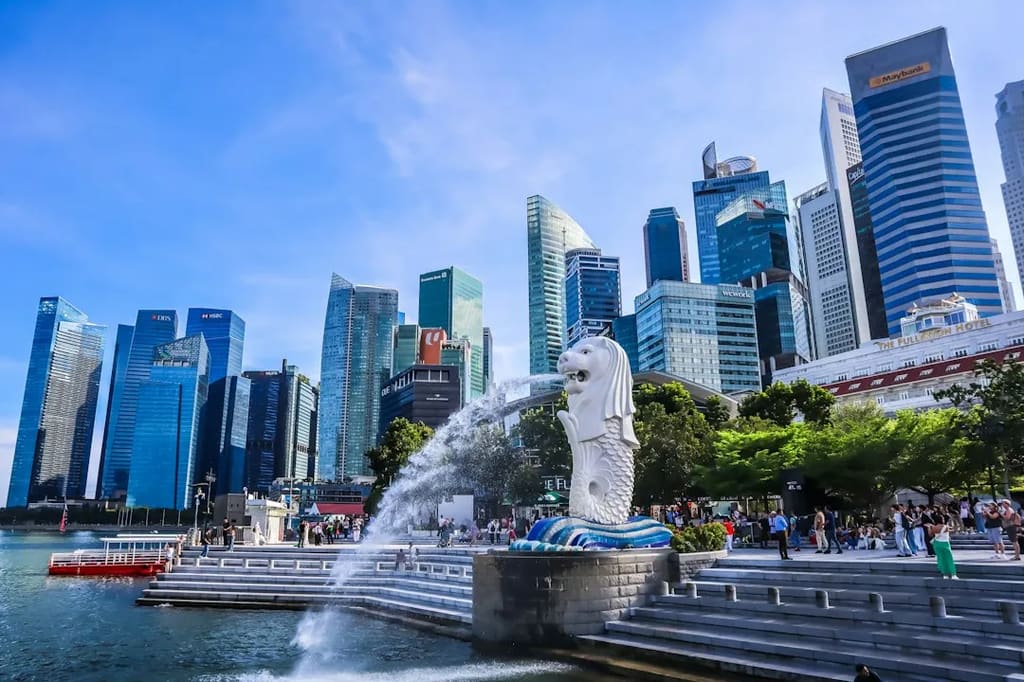
Singapore’s rise owes a lot to patient planning. The city state entered the top ten in 2025 after climbing eight ranks, which the report credits to startup policies it has pursued since the mid 1990s.[11] The result is a place where research parks and public transport were designed together.
Visitors can get a glimpse of the next phase in the Jurong Innovation District, which is focused on advanced manufacturing. The completion of Bulim Square marked a milestone for the district in 2025.[12] The district also includes The Potter’s Garden, a five hectare park that opened to the public in November 2025 and features Singapore’s last two dragon kilns.[13] Guided tours run occasionally, so check the schedule ahead of time.
Seoul, South Korea
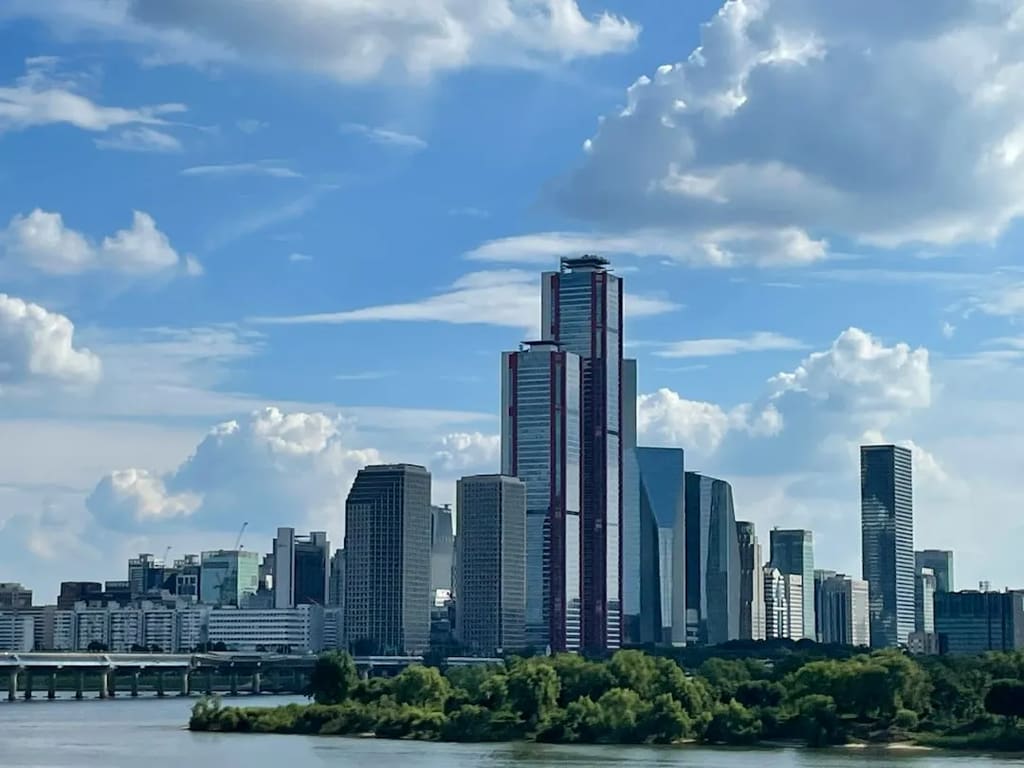
Seoul is the clearest example of a city that decided to build a startup scene on purpose. The Seoul Metropolitan Government invested 1.4 billion dollars in startup policies and initiatives over four years starting in 2019, and the city gained twelve ranks to enter the top ten.[11] That’s a lot of public money, and the results show up in the ranking.
Related Stories From Travelbinger



For travelers, the city offers a blend of consumer technology and futuristic everyday life. Gangnam has the polished office towers and flagship stores, while Pangyo, a tech district just south of the city, is home to many corporate campuses. Give yourself time for the subway and its seamless payment systems, because getting around is part of the experience.
Bengaluru, India
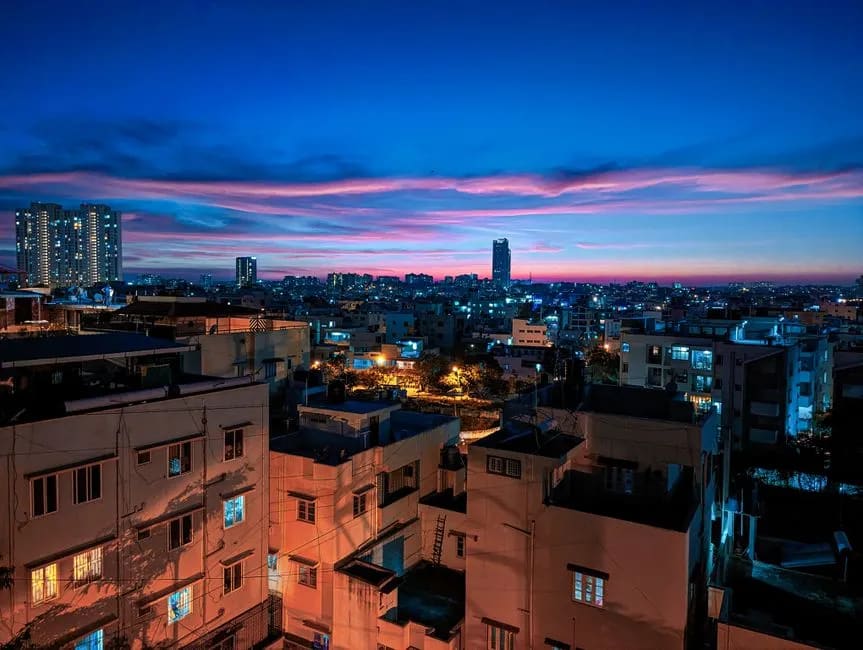
Bengaluru has been climbing fast. It reached fourteenth place in the 2025 ranking, an improvement of seven positions over the year before.[1] Asia Pacific ecosystems posted the fastest average annual growth, with Bengaluru and Shenzhen among the biggest climbers.[3]
The city’s tech campuses are mostly private, so the visitor experience is different from Shenzhen’s open markets. Still, the Visvesvaraya Industrial and Technological Museum offers an accessible introduction to science and engineering. The cafes and coworking spaces around the city are where the industry comes across most naturally, and the weather is mild enough to make the long days enjoyable.
Paris, France
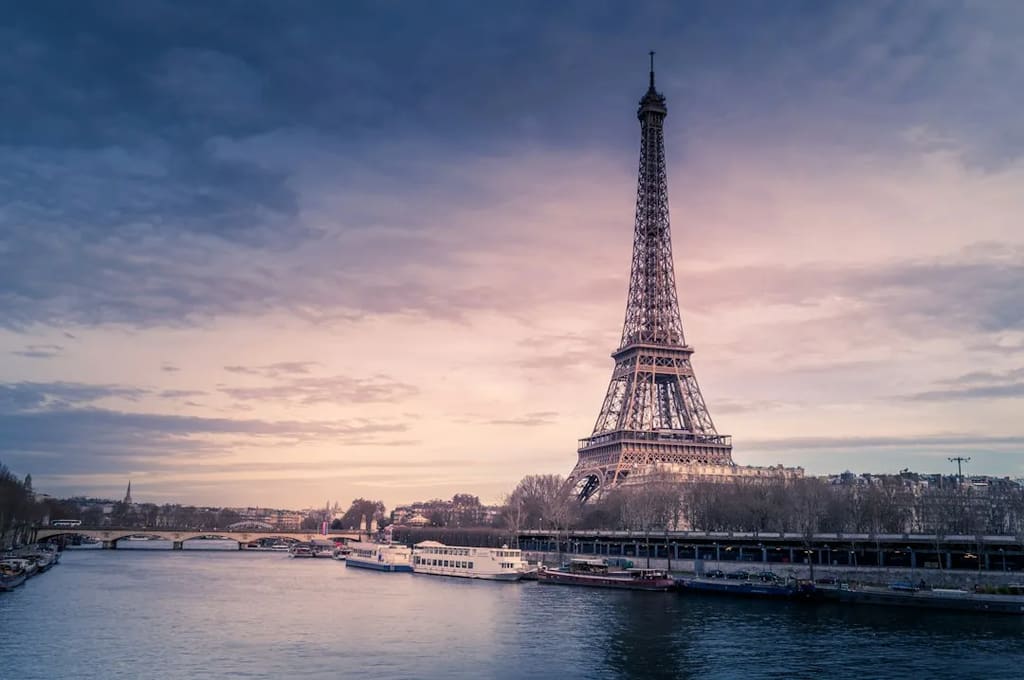
Paris has been one of Europe’s quiet success stories lately. It moved up two places to twelfth globally, helped by a seven percent increase in exits over 50 million dollars, including BeReal’s 542 million dollar exit in 2024.[4] Paris and Madrid were the only European ecosystems in the top 40 to move up.[4]
Station F, a huge startup campus in a former railway depot in the thirteenth arrondissement, is the most visible symbol of the scene. Be sure to see the building’s exterior and any public events it hosts, even if you can’t walk in unannounced. The city also hosts VivaTech each year, and Startup Genome has used that event to launch its global ranking.[5] A June trip would put you right in the middle of it.