Choosing a hometown for your children is rarely just about the housing market or the school down the street. It comes down to a mix of things that are hard to measure until you actually live somewhere: how safe the streets feel after dark, whether the parks are actually used, how much a pediatrician visit costs, and whether neighbors still wave at strollers. A newer wave of global research has tried to put numbers on all of that, comparing dozens of cities on safety, green space, education spending, and family policy. What emerges is a list that might surprise people who assume the usual suspects, big flashy capitals, always come out on top.
Brisbane, Australia

Brisbane has quietly become the reference point for family-friendly urban living. According to a 2026 study, Brisbane topped the rankings overall, faring particularly well for safety, national child vaccination rates, and the number of green spaces per capita, which is apparently an impressive 84.89. That combination of open space and low crime is rare for a city of its size.
Part of what makes Brisbane stand out is the sheer breadth of outdoor life available to families, from riverside parklands to nearby coastline. Brisbane clinched the first-place spot, helped in large part by its vast number of open green spaces and parks. For parents who want their kids outside more than indoors, that matters more than any theme park ever could.
London, United Kingdom
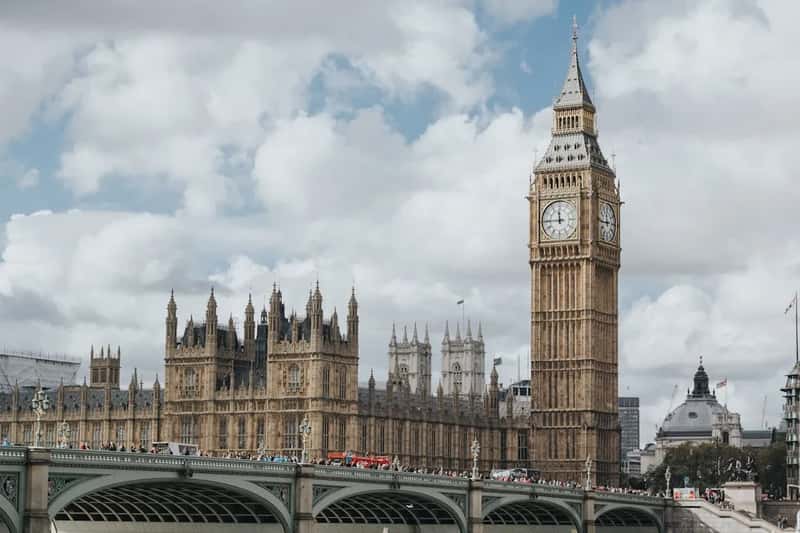
London might not be the first city people picture for raising children, given its cost of living, but the data tells a different story. London ranked highest among European cities thanks to its bounty of family-friendly activities. Museums, parks, and a dense network of things to do with kids give it an edge that pure affordability rankings tend to miss.
The city also performs well in family-focused travel and lifestyle rankings beyond the Compare the Market index. Rankings from U.S. News & World Report named London the top destination for families, a city that brings in over 30 million annual visitors, taking first place on the list of Best European Vacations for Families for 2026. Between the London Eye, its zoo, and an extensive public transport network, there’s rarely a dull weekend.
Auckland, New Zealand
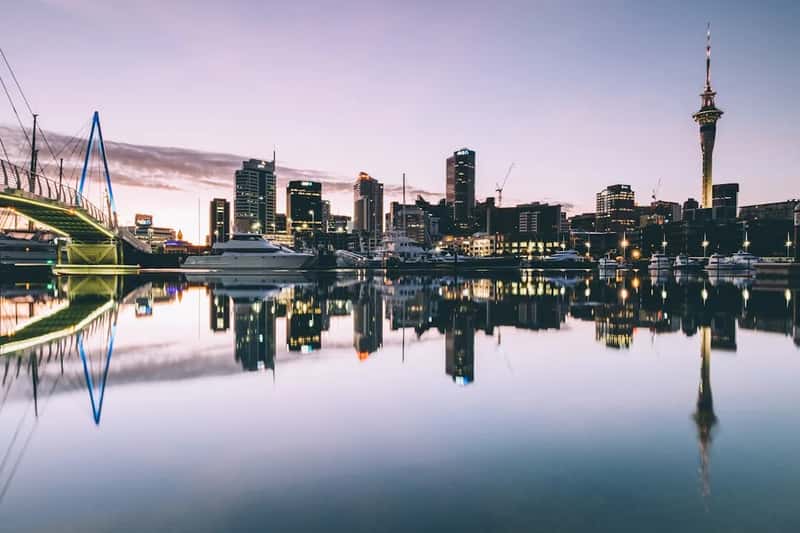
Auckland lands near the top of most global family rankings, and it tends to do so for reasons that go beyond scenery. Two New Zealand cities, Auckland and Wellington, claimed spots in the top 20 of the 2026 ranking. Auckland’s mix of harbor access, volcanic parkland, and a relatively calm pace of life gives families room to breathe that denser capitals can’t always offer.
New Zealand’s broader reputation for safety and outdoor culture feeds directly into how Auckland is perceived by relocating families. The city consistently draws comparisons to Australian cities on the same list, largely because of shared strengths in green space and low crime. For parents prioritizing an unhurried childhood close to nature, it remains one of the more compelling options on the list.
Helsinki, Finland
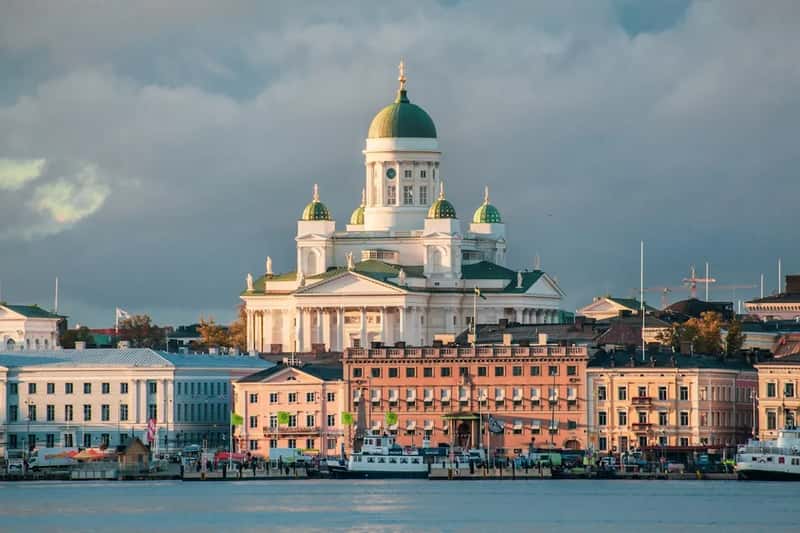
Finland’s capital benefits enormously from the country’s education system, which is often cited as one of the strongest in the world. Helsinki came in fourth, ranking second highest overall for national education spending, beaten only by Stockholm. That kind of investment shows up in smaller class sizes and well-resourced public schools.
Finland’s family policies extend well beyond the classroom. Finland offers clear paths to residency via family unification, universal healthcare, and 160 paid workdays of parental leave, up to 90 percent of wage, per parent, per child. Add in a country that ranks among the 10 safest nations worldwide and holds the top position for happiest countries, and it’s easy to see why Helsinki keeps appearing near the top of these lists.
Sydney, Australia
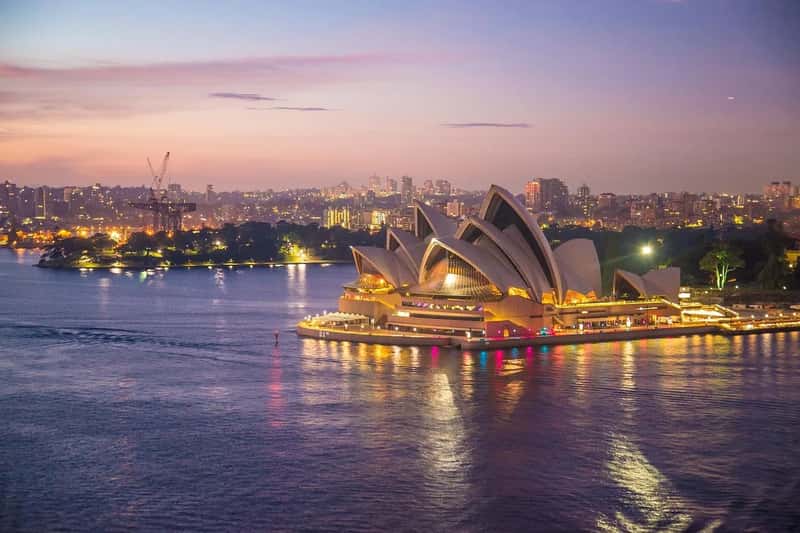
Sydney’s reputation as a family destination rests on a fairly simple formula: coastline, parks, and strong public services layered on top of Australia’s broader safety record. Sydney claimed spot number five in the 2026 rankings, putting it just behind Brisbane among Australian cities. Harbor beaches within a short drive of the city center give families outdoor options that few global cities can match.
What sets Sydney apart from some of its Australian peers is scale. It offers big-city amenities, international schools, and a diverse population, while still keeping the emphasis on outdoor life that runs through Australian cities generally. Australian cities performed strongly, with Australia’s high safety scores, strong child vaccination rates and relatively generous parental leave policies helping give its cities an edge over competitors in North America and parts of Europe.
Perth, Australia
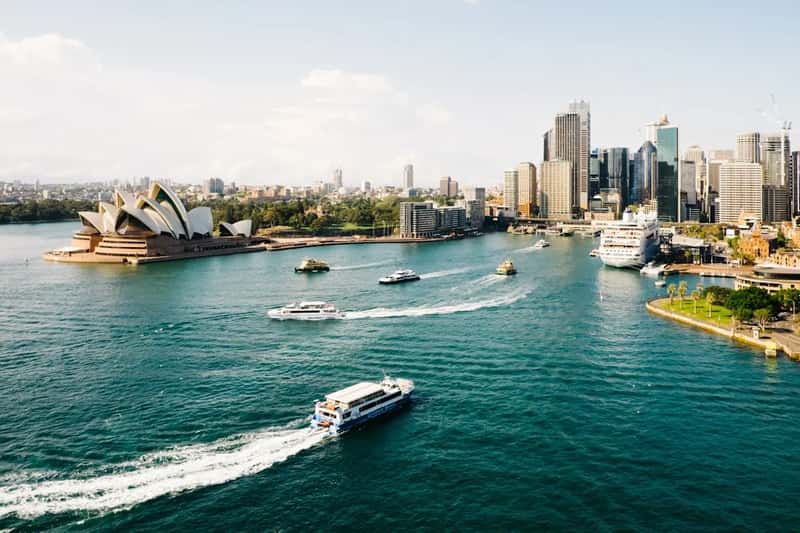
Perth is one of the more understated entries on this list, often overshadowed by its eastern counterparts, yet it consistently ranks near the top for families. Perth landed in the top 10 of the 2026 global index alongside Melbourne. Its relative isolation on Australia’s west coast has kept growth manageable, which shows up in lower congestion and more accessible outdoor space.
Families who move to Perth often cite the slower rhythm of daily life as much as any specific statistic. Good beaches, a mild climate, and a strong sense of community give it an appeal that doesn’t always translate into headlines but does translate into everyday quality of life. It’s the kind of city that rewards people who prioritize space and calm over density and nightlife.
Melbourne, Australia
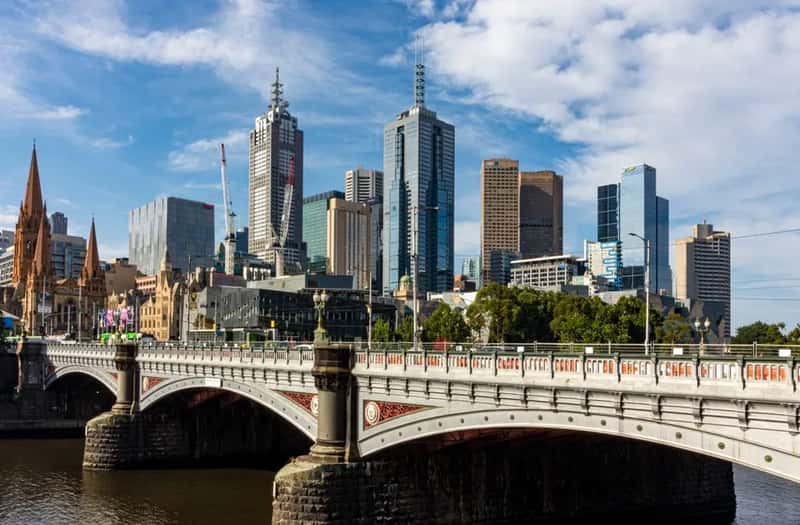
Melbourne rounds out Australia’s strong showing on the 2026 index, and its appeal for families tends to center on culture as much as safety. Melbourne claimed spot number seven in the rankings. The city’s arts scene, extensive tram network, and food culture give older kids and teenagers plenty to engage with beyond the playground years.
Melbourne also benefits from the same national-level advantages that lift its Australian neighbors, including strong vaccination rates and generous parental leave policies inherited from federal law. No country is better represented in these rankings than Australia, which has four cities in the top 10 due in part to the country’s relative safety and happiness scores. For families who want a genuinely livable city rather than a picture-postcard version of one, Melbourne tends to deliver.
Stockholm, Sweden
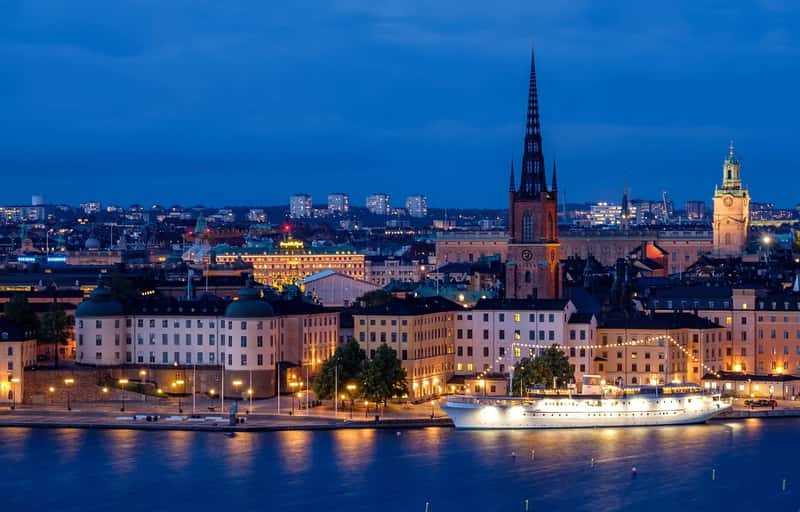
Stockholm has long been a benchmark for family policy, and its consistent presence near the top of these rankings isn’t an accident. An earlier edition of the same research placed Stockholm at the top of the list with a 6.57 out of 10 score, with Sweden boasting high scores when it came to government money spent on education and family benefits, parental leave, access to green spaces and overall country happiness. Even as newer editions have expanded the field of cities, Stockholm has held its place in the top tier.
Sweden’s parental leave system is often held up as a global standard, giving new parents extended time at home without the financial strain that forces an early return to work elsewhere. That policy backbone, combined with clean air and abundant green space around the city, keeps Stockholm firmly in contention year after year. Families who’ve relocated there often describe the adjustment as less about giving something up and more about recalibrating what feels normal.
Berlin, Germany
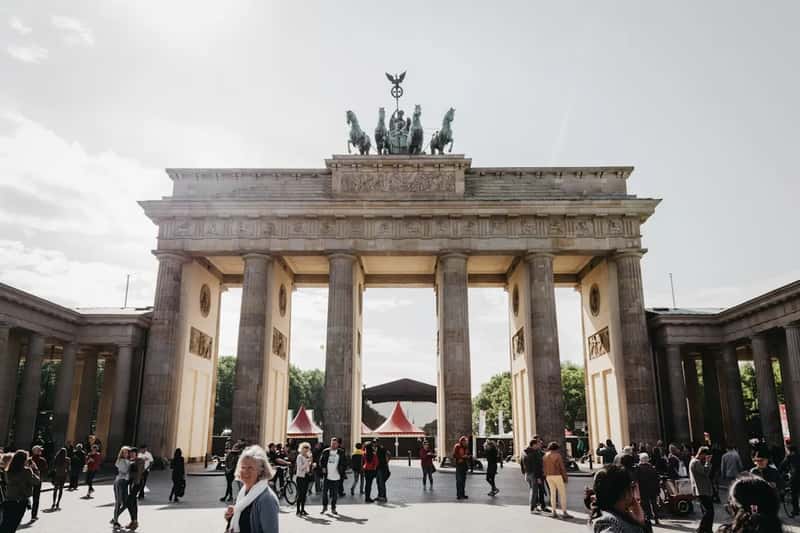
Berlin’s inclusion in the global top 10 reflects a broader European strength in family policy and affordability relative to other major capitals. Berlin placed ninth on the 2026 list of the top 10 cities to raise a family. Compared with London or Paris, Berlin still offers a lower cost of living, which matters enormously for young families weighing where to put down roots.
The city’s public transport, extensive parks, and subsidized childcare system give parents practical support that’s easy to overlook until you compare it against places without it. Berlin also has a large expat and international community, making it a relatively easy landing spot for families relocating from abroad. It’s a city that tends to reward patience, since the bureaucracy can be slow, but the payoff in daily quality of life is real.