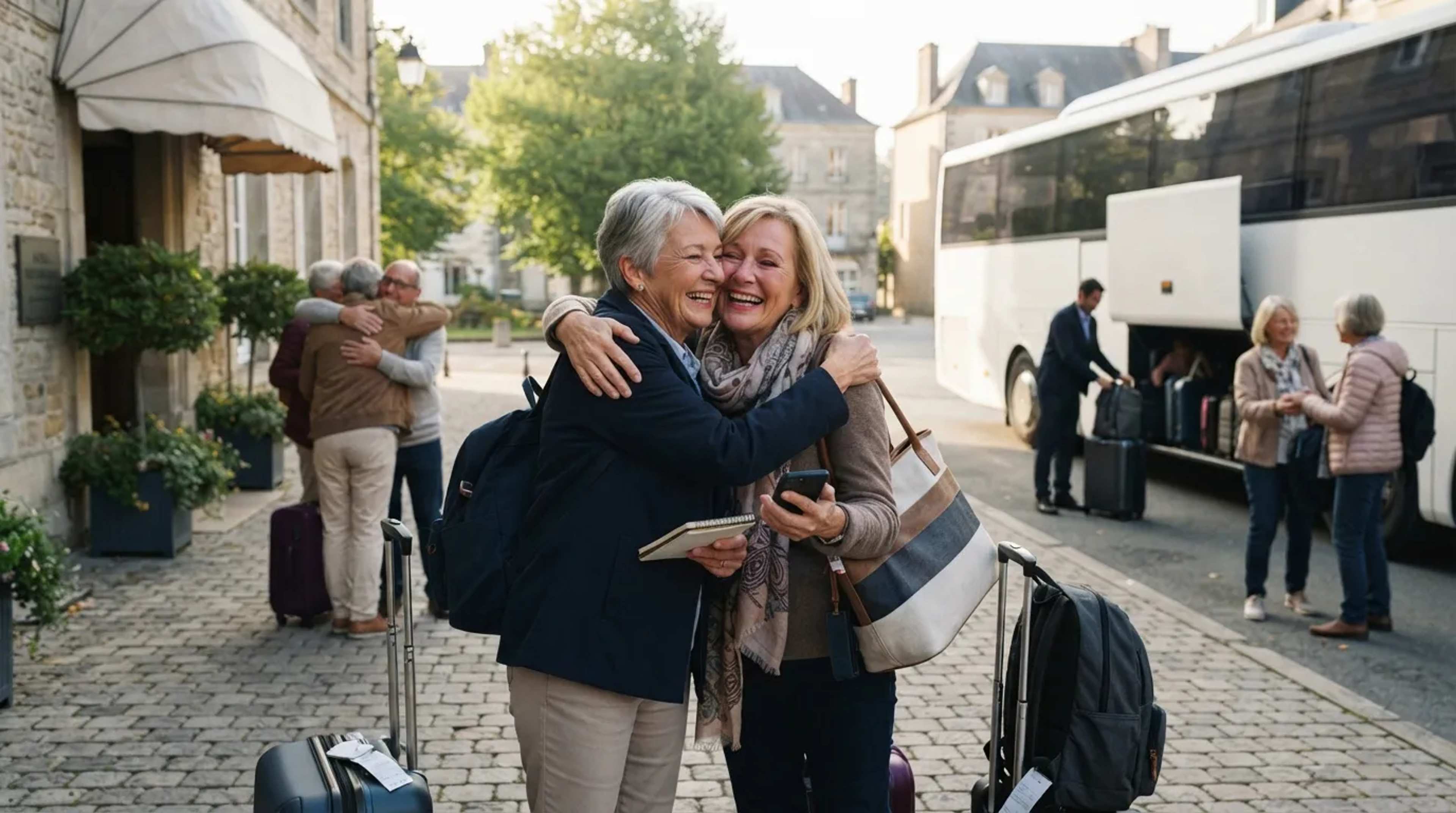
Few travel skills spark as much anxiety as haggling. For some people, negotiating over a scarf or a taxi fare feels like an uncomfortable confrontation, while for others it’s simply how commerce works. The truth is that bargaining etiquette varies enormously depending on where you land, and getting it wrong in either direction can cost you money, dignity, or both.
In some economies, a fixed price tag is treated almost as a suggestion, and refusing to counter-offer can actually offend a seller who expects the ritual. In others, fixed prices are sacred, and trying to talk someone down can come across as distrustful or even insulting. Here’s a practical, research-based look at nine places where bargaining is part of daily life, and five where it’s best left alone.
1. Morocco: The Souk Is a Stage for Negotiation
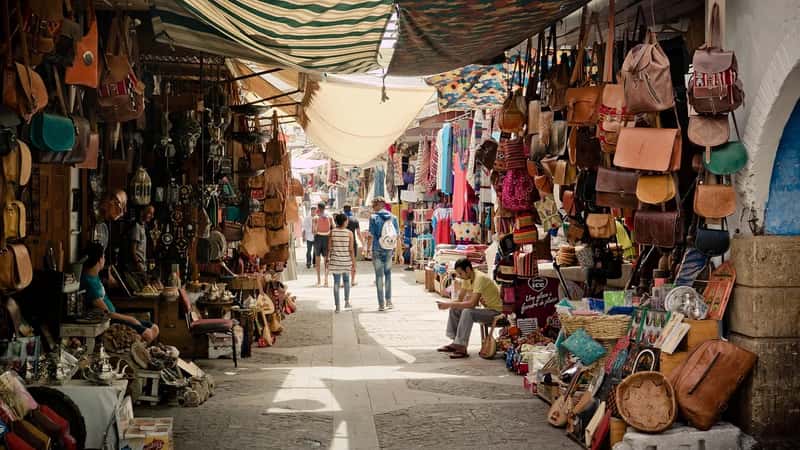
Moroccan souks are often cited as one of the purest examples of bargaining as performance art. Haggling is considered an art form in Moroccan souks, where vendors expect extensive back-and-forth that often involves tea, conversation, and genuine warmth. The exchange is rarely just about money; it’s a social ritual that builds a small, temporary relationship between buyer and seller.
Newcomers are often surprised by how high the opening figure can be. The opening price is typically three to five times the expected final price. Patience matters more than aggression here, since rushing through the process is generally considered rude by local standards.
2. Egypt: Bargaining as a Way of Doing Business
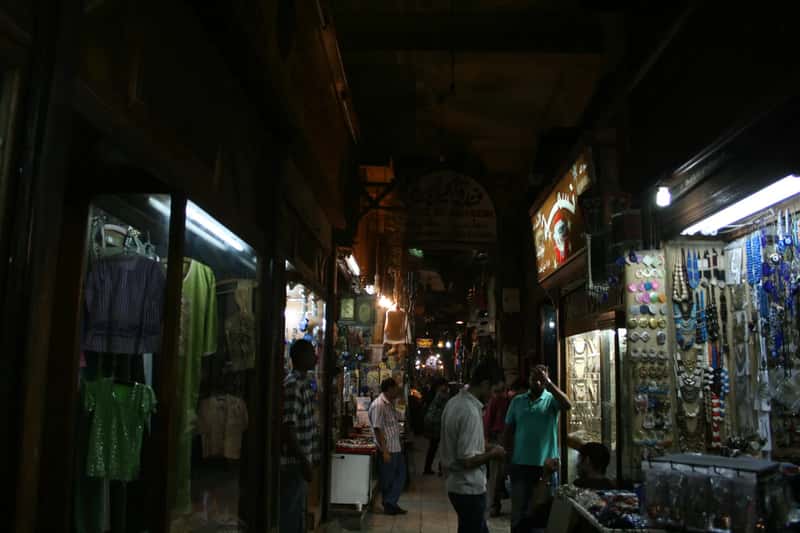
In Egypt, negotiating isn’t an occasional quirk of tourist markets, it’s woven into how commerce functions day to day. Bargaining is deeply embedded in Egyptian commerce, and the Khan el-Khalili bazaar in Cairo is considered a masterclass in the practice, with theatrical and skilled vendors. Visitors who walk in expecting a single fixed price often end up paying well above the going rate.
The process tends to be unhurried and full of personality. The exchange often takes time and includes humor, so shoppers who treat it as a quick transaction usually miss out on both the savings and the experience. Sellers here generally respect a buyer who engages rather than one who simply accepts the first number offered.
3. Turkey: Istanbul’s Grand Bazaar and Beyond
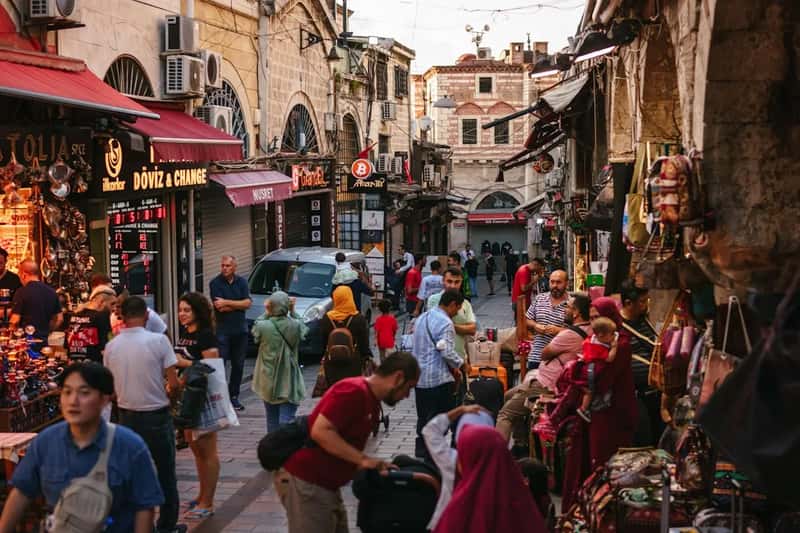
Turkey, and Istanbul in particular, has one of the most famous bargaining scenes on earth. The Grand Bazaar in Istanbul is one of the world’s great haggling arenas, staffed by vendors who are skilled, charismatic, and generally good-humored about negotiation, often offering tea or coffee during the process. The hospitality is genuine, but it’s also part of the sales technique.
Knowing roughly where to start matters. Starting around forty to fifty percent of the asking price is generally considered reasonable in Turkish markets. Refusing to counter at all can actually be read as disinterest rather than politeness, which is the opposite of how many Western shoppers expect the interaction to go.
4. India: Bargaining Woven Into Daily Commerce
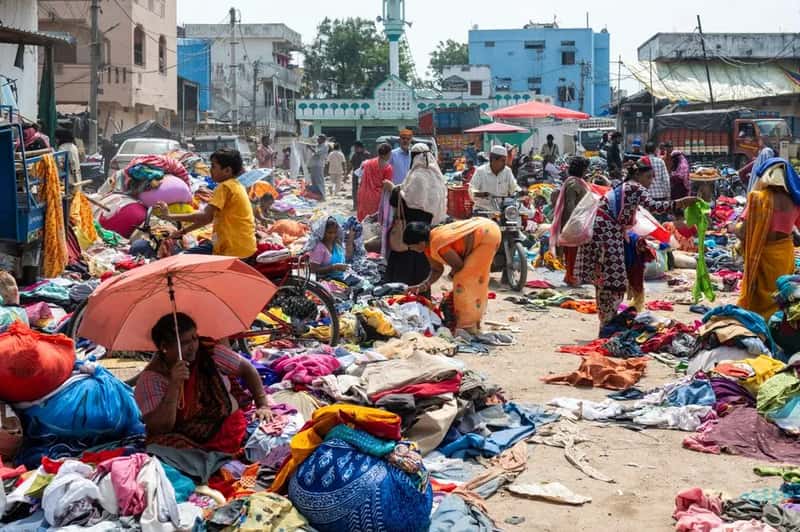
Across India, negotiating isn’t confined to souvenir stalls, it extends into everyday transactions. Bargaining is common in markets, street stalls, and even with drivers, and not engaging in it might result in paying more than the going rate. This applies to tourists and locals alike, since price tags in informal markets are rarely treated as final.
Markups for visitors can be significant. Bargaining is standard in bazaars, street markets, and with rickshaw drivers, with initial markups in tourist areas commonly running two to four times the fair price, and building personal rapport matters enormously. A friendly, unhurried approach tends to get better results than a blunt demand for a lower number.
5. China: From Silk Markets to Wholesale Districts
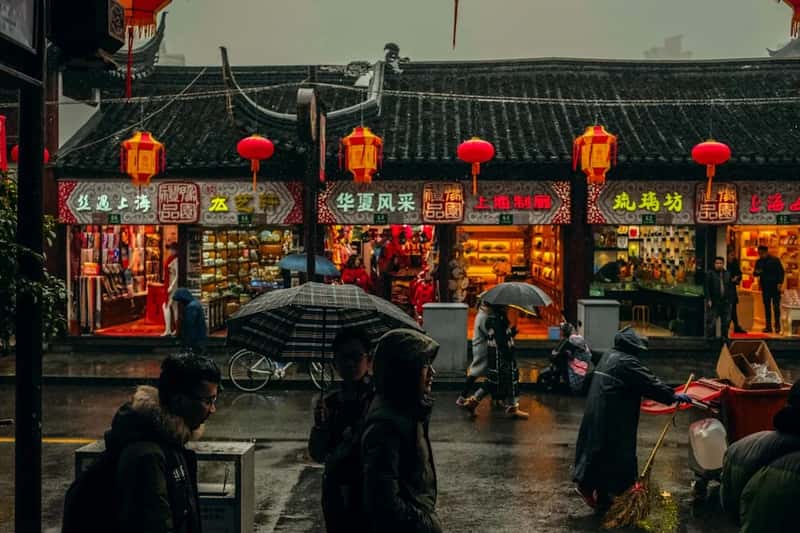
China’s tourist-facing markets operate on the clear assumption that the first price is only an opening bid. Markets like Beijing’s Silk Market and various wholesale districts assume negotiation, with vendors sometimes starting at five to ten times the wholesale price in heavily touristed areas. The gap between asking price and fair price can be startling to first-time visitors.
Because of language barriers, numbers often do the talking. A calculator or phone used to show figures back and forth is a common tool in these exchanges. Outside of tourist markets, though, ordinary retail stores and supermarkets in China operate on fixed prices, so the expectation is very location-specific.
6. Thailand: Night Markets and Street Stalls
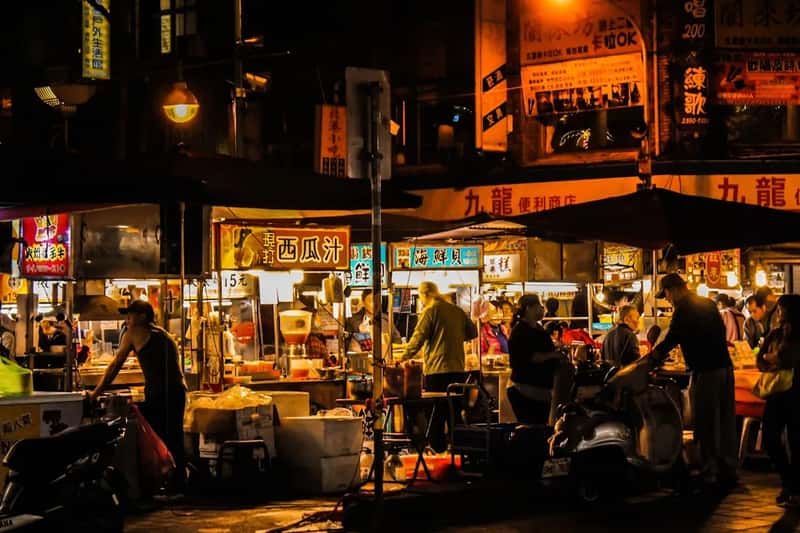
Thailand’s sprawling night markets and floating markets are built around the expectation of a little back-and-forth. Night markets, floating markets, and street stalls all expect bargaining. Vendors typically price items with room to negotiate already built in, especially in areas that see heavy tourist traffic.
As with much of Southeast Asia, the tone tends to be friendly rather than confrontational. Tourists find that haggling is part of the local shopping culture, especially in markets and street stalls, and a smile usually goes further than a hard bargaining stance. Fixed-price malls and convenience stores, of course, don’t follow the same rules.
7. Vietnam and Cambodia: A Lower-Key Style of Haggling

Vietnam and Cambodia share a bargaining culture that’s real but generally gentler in tone than what travelers might encounter in the Middle East. Street markets and smaller shops expect haggling, though the approach tends to be lower-key than in the Middle East. Prices in tourist zones are often set with an expected discount already factored in.
Vendors here still anticipate some negotiation as standard practice. Starting at fifty to sixty percent of the asking price is a reasonable anchor in these markets. Shoppers who accept the first number outright are sometimes seen as simply not understanding the local shopping rhythm rather than as generous customers.
8. Mexico: Mercados and Artisan Markets
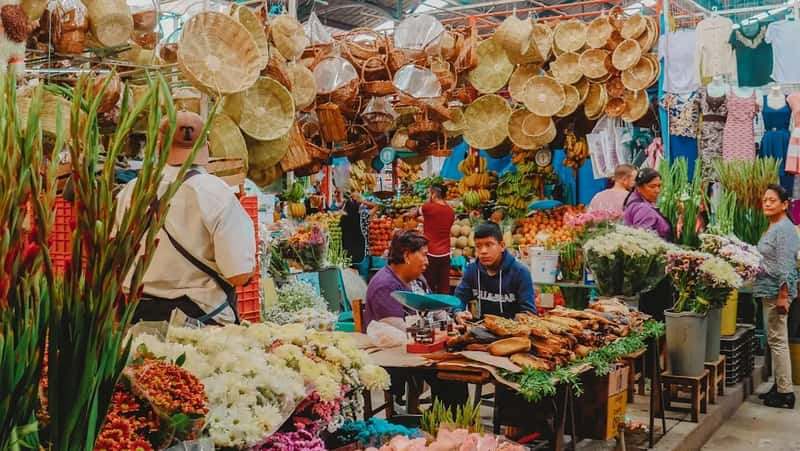
Mexican mercados and craft markets run largely on negotiated pricing rather than fixed tags. Mercados and artisan markets throughout Mexico operate on a haggling system, though the markup is usually more modest, perhaps thirty to fifty percent above the expected sale price. That’s noticeably gentler than the markups seen in parts of Asia or North Africa.
Personal warmth counts for a lot here. Vendors appreciate customers who engage warmly and speak even a few words of Spanish. Elsewhere in Latin America, the custom holds too, since haggling is common in many Latin American markets, where social interactions are valued and bargaining is part of those interactions, even if intensity varies from country to country.
9. Indonesia: From Street Stalls to Hotel Lobbies

Indonesia stands out because the bargaining habit stretches well beyond street markets into more formal settings. In Indonesia and elsewhere in Asia, locals haggle for goods and services everywhere from street markets to hotels. This surprises many first-time visitors who assume negotiation is limited to open-air stalls.
As in neighboring Southeast Asian countries, the practice extends to transportation and informal services as well. Travelers who skip the ritual entirely in these settings often end up paying tourist premiums that locals would never accept. The safest approach is usually to watch what nearby locals pay before naming a figure.
10. Japan: Fixed Prices Are Treated as Final
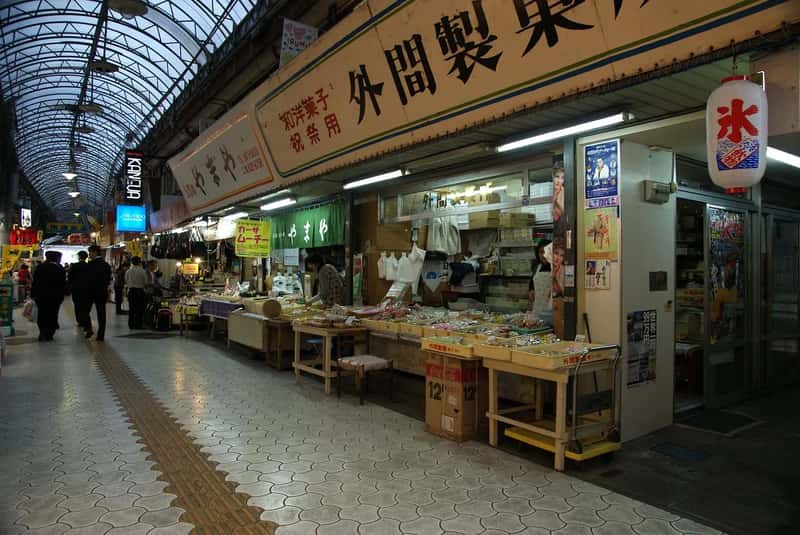
Japan sits at the opposite end of the spectrum, and the contrast with its Asian neighbors is sharp. In most of the world bargaining is smart travel, but in Japan it’s rude, since the price on the tag is the price from department stores to souvenir stands, and Japanese retail operates on a fixed-price model. Attempting to negotiate can genuinely confuse a shopkeeper rather than impress them.
The mechanics of Japanese retail reinforce this. The tag price is the final price, and trying to negotiate it down creates an uncomfortable situation for the shop owner, who has no framework for haggling and may not even understand what the customer is trying to do. There are a few narrow exceptions, such as electronics megastores, antique shops, and flea markets, where asking politely for a discount is a normal part of the transaction, but these are the exception rather than the rule.
11. Switzerland: A Culture Built Around Set Prices
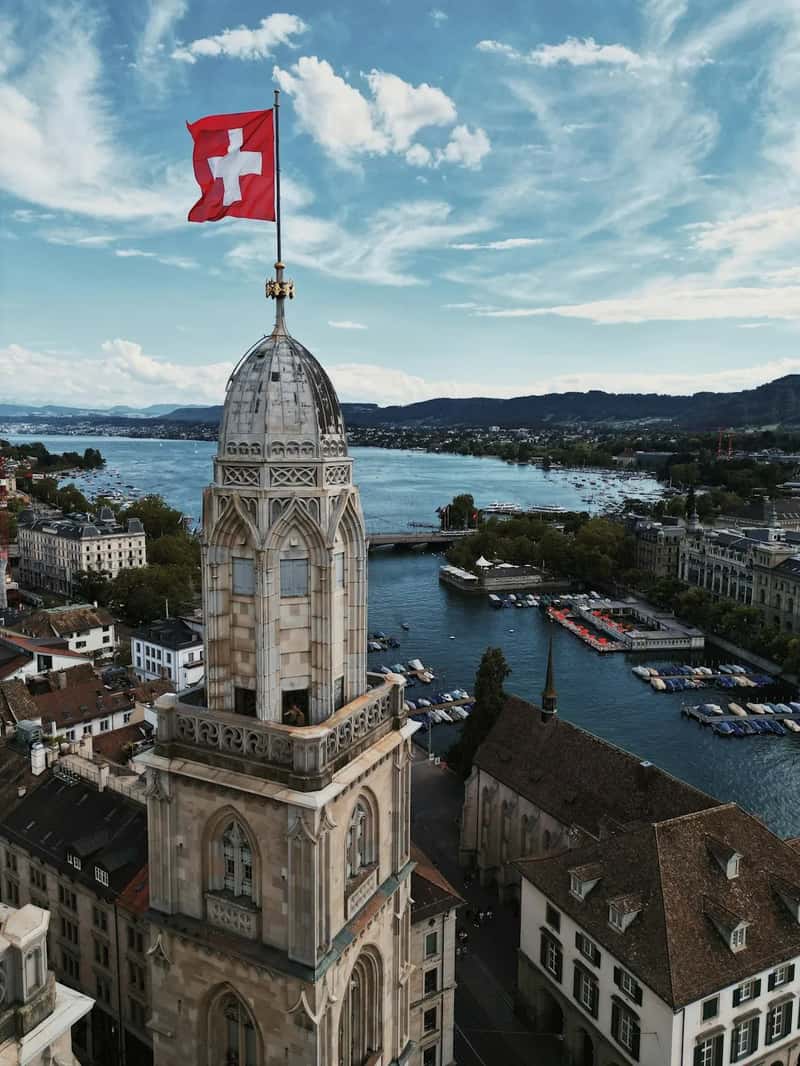
Switzerland has one of the most explicitly documented no-haggling cultures in Europe. Switzerland does not have a traditional haggling culture, and the general answer to whether bargaining is acceptable is no, since prices are expected to be paid as marked and any attempt to get them reduced will be seen as impolite, rude, and arrogant, and likely be refused outright. This isn’t just a stereotype, it reflects genuine consumer research.
That said, the rule isn’t absolute. This expectation applies to all retailers, no matter what merchandise they sell, as well as to restaurants, hotels, public transport, and any service where a set price for a product or service is involved. Quiet, polite requests for a discount during off-peak hours occasionally work in smaller independent shops, but treating it as a default expectation would be a clear misstep.
12. France: Bargaining Can Feel Like an Insult

French retail culture, particularly in Paris, tends to treat negotiation as an affront rather than a normal part of shopping. As one negotiation expert put it, “You can absolutely negotiate in Naples, but not really in Rome… The French find it insulting to bargain, especially if you are a foreigner.” The reaction isn’t just discomfort, it can be read as a sign of disrespect toward the seller.
There are pockets of exception, much like in Italy’s more southern regions. Given the tough sell with the French, there are exceptions, such as the famed Les Puces de Saint-Ouen marketplace. Outside of flea markets and select antique dealers, though, sticking to the listed price is the safer and more culturally respectful move.
13. Sweden: Fixed Prices and a High Trust in Fairness
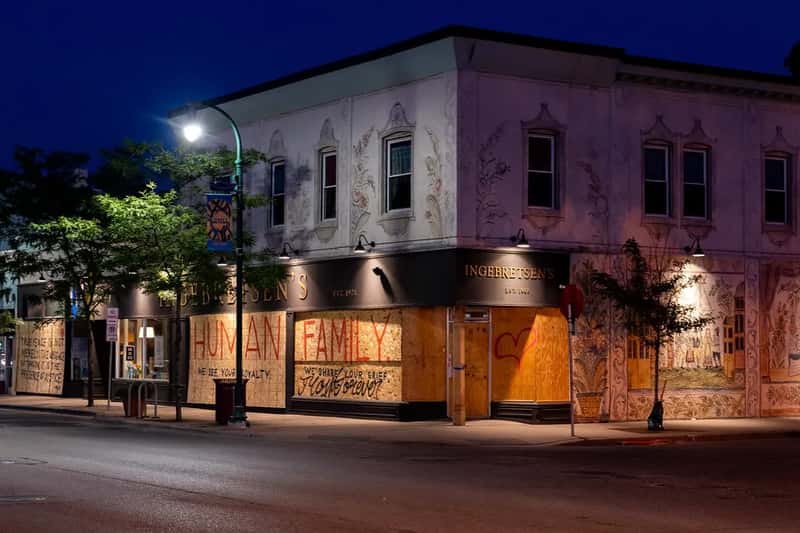
Sweden reflects a broader Scandinavian pattern where negotiation simply isn’t part of the retail script. In Scandinavia, prices are fixed, and attempting to negotiate will likely result in confusion and mild offense, a pattern that applies across most of Northern Europe. The underlying logic connects to trust in institutions and pricing systems rather than any dislike of a good deal.
Analysts who study bargaining behavior point to this trust factor directly. In places like Scandinavia, trust is a social lubricant, most prices are fixed, and the expectation is fairness and transparency, so haggling is not just rare, it’s sometimes seen as rude or a sign of distrust in the transaction. Shoppers who try to talk down a price in a Swedish boutique are more likely to get a puzzled look than a discount.
14. Norway: Another Fixed-Price Scandinavian Economy

Norway follows the same regional pattern as its Scandinavian neighbors, with retail pricing treated as non-negotiable in virtually every everyday setting. Prices are fixed, and attempting to negotiate will likely result in confusion and mild offense. High-trust institutions and heavily regulated retail markets help explain why the custom never took hold the way it did in Mediterranean or Asian markets.
Even at outdoor markets, the expectation of a fixed number tends to hold firm outside of very informal, one-off sales like a private used-car deal or a garage sale item. Bargaining in places like this is typically confined to transactions involving expensive or one-of-a-kind items such as automobiles, antiques, jewelry, art, and real estate, alongside informal settings like flea markets and garage sales. Trying to apply souk-style negotiating tactics in a Norwegian shop would likely just create an awkward pause rather than a lower price.
The line between smart shopping and social blunder really does come down to geography. A traveler who haggles hard in a Tokyo department store or a Zurich boutique risks looking clueless at best and disrespectful at worst, while someone who pays the first price quoted in a Marrakech souk or a Cairo bazaar is likely leaving money on the table and possibly puzzling the seller too. The safest strategy anywhere new is the simplest one: watch what locals do, ask a hotel staffer or shop owner if negotiating is normal, and adjust accordingly rather than assuming one global rulebook applies everywhere.