Most people come home from a trip with a shoebox of loose change, a few postcards, and maybe a matchbook stuffed in a jacket pocket. It all looks like clutter, the kind of thing that eventually ends up in a donation bag or the trash. Yet a surprising number of these small, unglamorous items have quietly become sought after by collectors, sometimes fetching prices that would make a customs officer raise an eyebrow.
The line between junk and treasure often comes down to a handful of details most travelers never think to check. Age, rarity, and a bit of history can turn a five cent trinket into something worth real money. Here are nine everyday souvenirs worth a second look before you clear out that drawer.
1. Foreign coins tucked away in a drawer
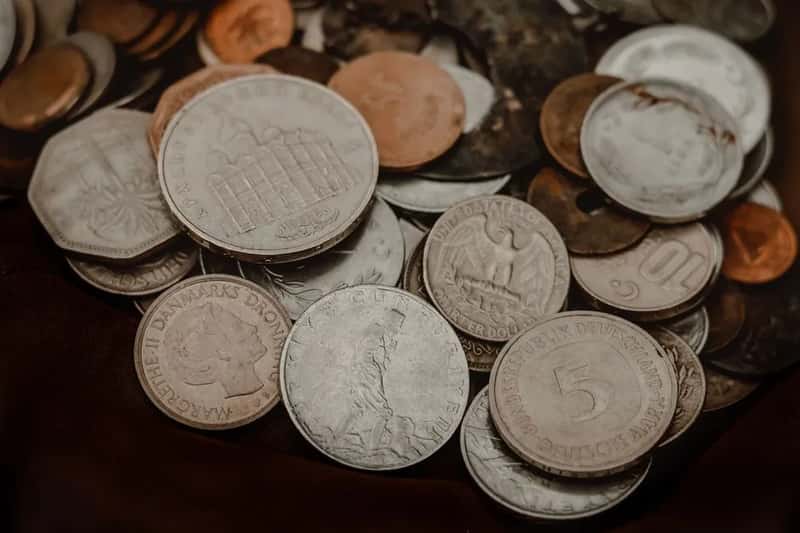
That jar of leftover coins from a trip abroad is easy to dismiss, but it is worth sorting through before donating or dumping it. Older coins, discontinued currencies and coins with unusual designs, minting errors or limited production runs can sometimes attract interest from collectors.[1] The country, the year, and any odd features on the design are the first things to check.
Most foreign coins circulating today are only worth their face value, but exceptions exist and some are dramatic. A Canadian coin known as the Big Maple Leaf shows just how far the extremes can go, since the “Big Maple Leaf” is a Canadian coin with a $1 million face value and an actual value closer to $6 million.[2] Nobody is finding that particular coin in a coat pocket, but it illustrates why it pays to look twice before writing off a handful of foreign change.
2. Postcards you meant to mail but never did
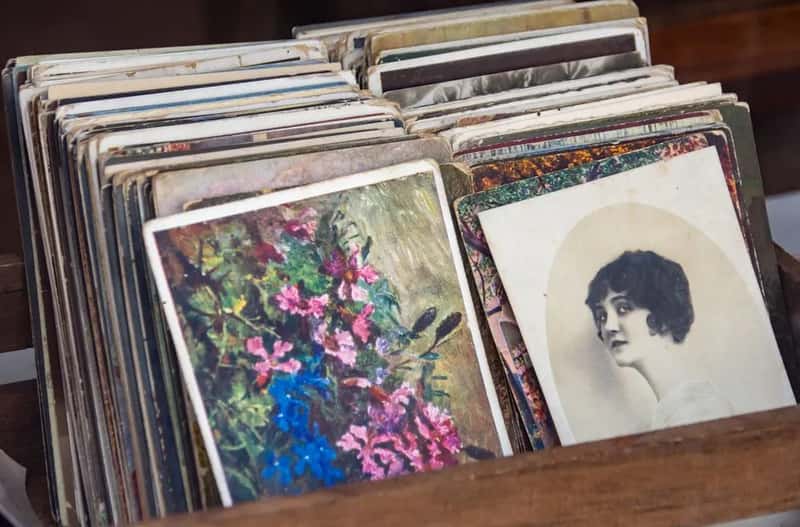
Postcards were treated as disposable for most of the twentieth century, which is exactly why the surviving ones can be worth something now. The oldest known picture postcard was sold in 2002 at the London Stamp Exchange auction for just under $50,000 dollars.[3] That is an extreme case, but even ordinary looking cards tied to famous events have sold for real money.
A postcard depicting the Titanic is a good example of how subject matter drives price, since an old postcard of the Titanic sold on eBay for about $1,300.[3] Real photo postcards, known to collectors as RPPCs, tend to hold extra value too, because these cards are actual photographs developed onto postcard paper, and subjects like disasters, trains, or town scenes bring higher values.[4] Linen postcards from the 1930s and 1940s showing national parks or old highways are also climbing in value among collectors who focus on Americana.
3. Vintage airline baggage tags
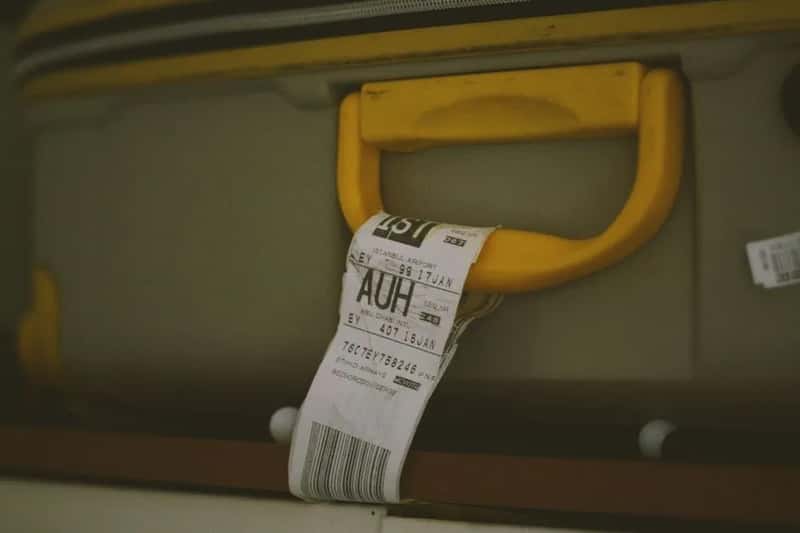
The paper tags once clipped onto suitcase handles at check in counters were built to be cut off and thrown away within days of a flight. That is precisely what makes surviving examples appealing to collectors now, since the paper tags that once dangled from suitcase handles were designed to be cut off and discarded the moment a traveler got home.[5] Rarity plays a big role in what a tag is worth, and smaller or short lived carriers often beat the famous names.
Smaller or short-lived carriers, often yield higher returns than Pan Am or TWA, simply because fewer tags were printed and even fewer survived.[6] On the resale market, prices for individual leather tags have already crossed into meaningful territory, since leather luggage tags can be even more valuable, and one eBay seller has listed a single logo-embossed Continental tag for $59.99.[7] A shoebox of these from a grandparent’s travels could easily be worth more than expected.
4. Old travel posters rolled up in a closet
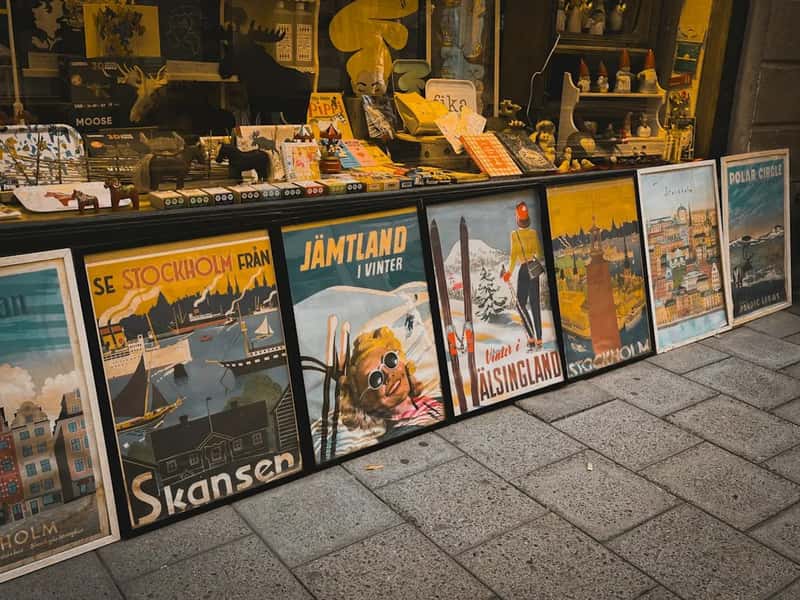
Airline offices and travel agencies once papered their walls with colorful posters promoting new routes and destinations, and almost none of it was meant to last. Most got tossed the moment a new campaign arrived, which is part of why the survivors carry weight today.
Collectors treat these posters as the top prize in golden age travel memorabilia, and for good reason, since genuine specimens of beautiful vintage travel posters can fetch bids well into the thousands of dollars today.[5] A poster rolled up and forgotten in a closet or an attic corner is worth unrolling carefully before deciding its fate.
5. Hotel, casino, and airline matchbooks
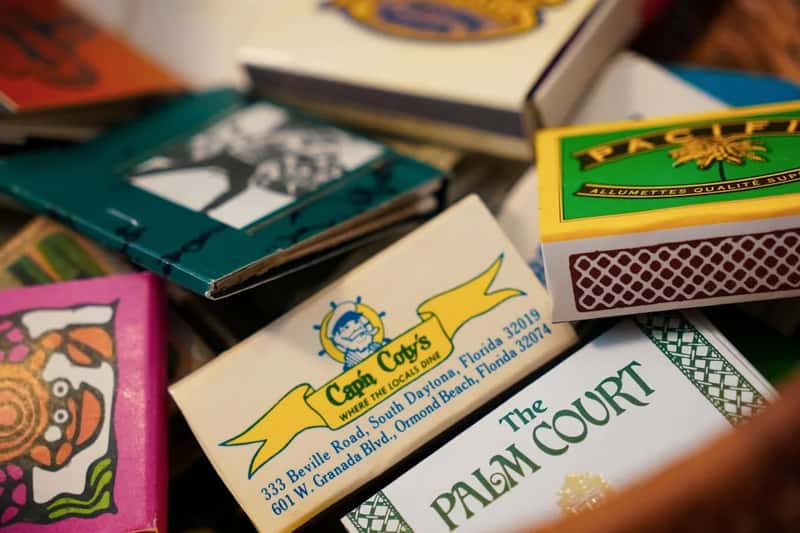
Smoking bans and shifting design trends turned an item that used to be handed out for free into something genuinely scarce. Matchbooks tied to specific eras and places, particularly ones connected to travel, have become a real niche within the collecting world.
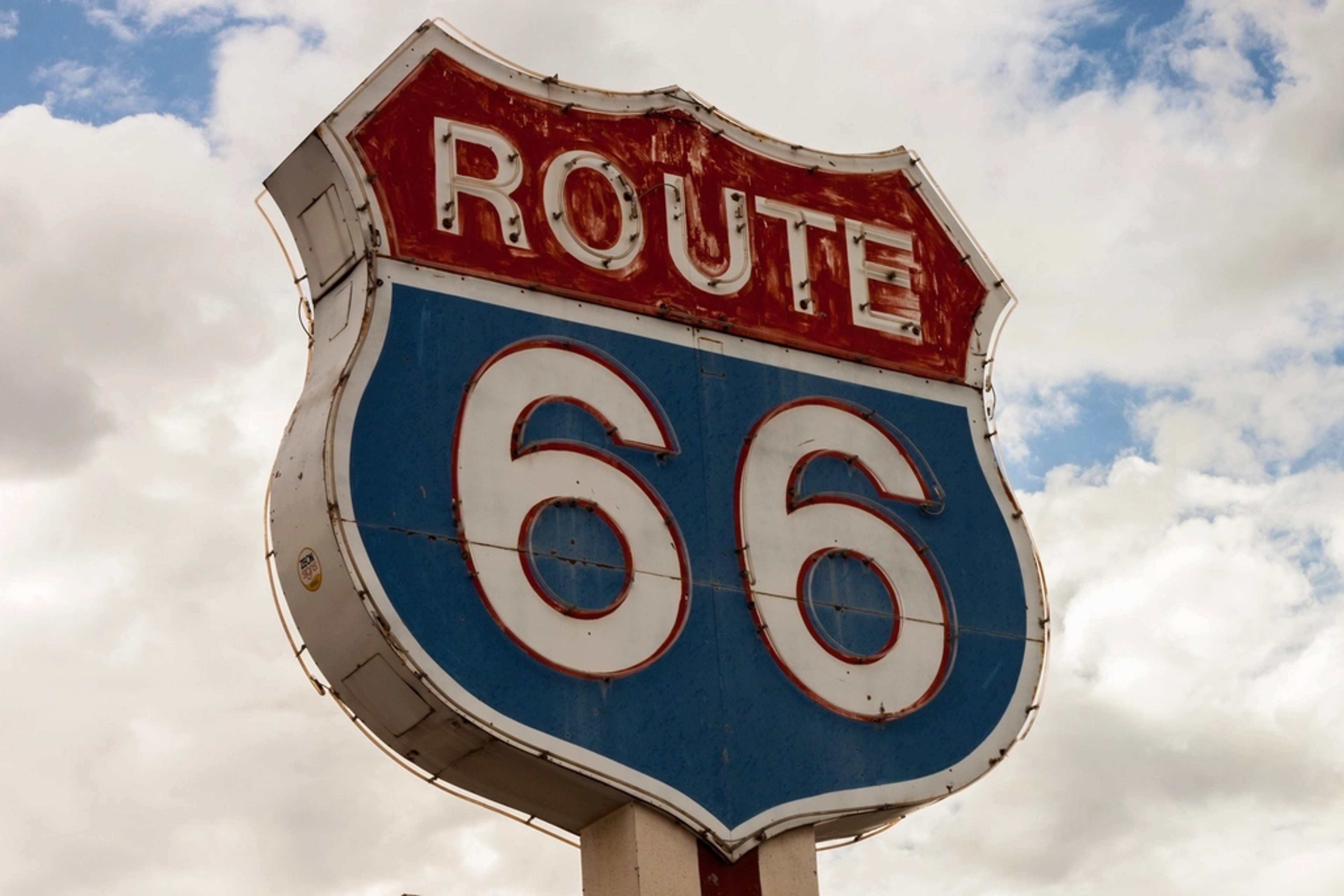
Route 66 gas stations left behind some of the most recognizable examples, since matchbooks from vintage Route 66 gas stations are popular among road trip and Americana collectors, and these sell well when in good condition, especially if they’re full and unused.[8] Airline branding shows up in this category too, because matchbooks from the golden age of flight, especially those given out in first-class cabins, are popular with airline history buffs and can bring solid prices if the artwork is intact.[8] A cigar box of these from an old trip is worth a closer look before it goes in the trash.
6. Sterling silver souvenir spoons

Souvenir spoons feel like a grandmother’s décor item rather than a serious collectible, yet the category has a surprisingly long and specific history. Sterling silver souvenir spoons first appeared in the U.S. as a way to commemorate the 100th anniversary of the presidency of George Washington in 1889.[9] They caught on quickly as a travel keepsake and never really went away.
They have been a popular collectible ever since, valuable not just because of the precious metal they are made of, but also because of what each one represents.[9] A full set from a family’s road trips or overseas travels can carry both metal value and historical interest, especially if the spoons mark a place or event that is no longer around in the same form.
7. Steamer trunk and hotel luggage labels
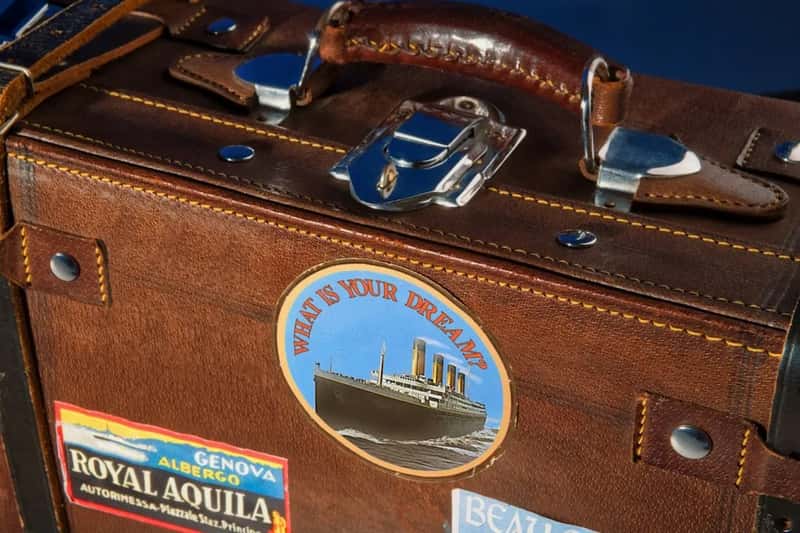
Before boarding passes and printed tags, hotels and shipping lines used adhesive stickers to identify guests’ luggage. Luggage labels began to appear around the 1920s when airline travel was slowly becoming accessible to an extremely wealthy upper class, and in the beginning, luggage labels were often a type of sticker.[10] They doubled as free advertising for the properties that handed them out.
For travelers, these stickers carried a bit of social currency too. For the hotel, these luggage labels were free publicity, and for the traveler, they were a badge of honor, particularly if they stayed at prestigious hotels or visited trendy places.[11] A trunk covered in a dozen of these faded labels is often worth more to a collector today than the trunk underneath them.
8. Concert t-shirts bought while traveling abroad

Buying a band t-shirt from a folding table outside a foreign stadium was never meant to be an investment. It was just a souvenir of a good night, yet some of those shirts have quietly turned into collectible pieces of music history.
A tour shirt purchased from a folding table in a foreign stadium may age into a valuable piece of music history, and designs from early tours, local date variations, and bands that later explode in popularity often attract serious interest.[12] Condition matters, but even lived in shirts with gentle wear can command high prices if they mark a key moment in a musician’s career, and what began as a sweaty souvenir becomes a wearable first edition.[12]
9. Old subway tokens and transit tickets
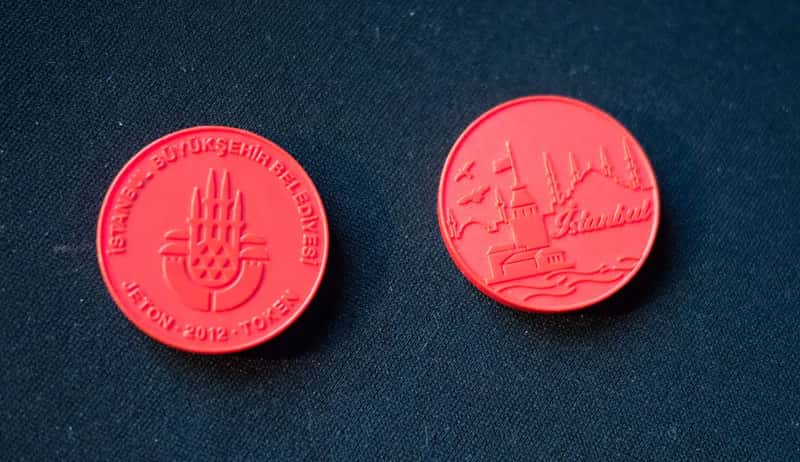
A handful of small metal tokens from a trip abroad rarely feels worth saving, yet transit memorabilia has built a genuine following among urban history collectors. Old subway tokens, paper tickets, and transit enamel pins rarely look glamorous, yet they map the changing life of a city, and when systems switch to digital cards or contactless payments, physical fare pieces quickly become nostalgic.[12]
The appeal grows once a city phases out its old fare system entirely, since those tokens can never be reissued. Collectors gather complete sets, misprints, limited pins, and designs tied to historic lines or anniversaries, and a handful of coins or badges from a long ago ride can later anchor serious collections of urban history.[12] A drawer full of these from past city breaks is worth sorting rather than tossing.
None of these items are guaranteed to be worth a fortune, and most will only ever be worth a modest amount at best. Still, the pattern is consistent across all nine categories: age, scarcity, and a story tied to a specific place or moment are what separate a forgotten souvenir from a genuine collectible. Before clearing out a drawer of old travel odds and ends, it costs nothing to check the details first.