Walk into a mall in Los Angeles or Seoul on a Sunday afternoon and you’d hardly notice the day of the week. Yet a short flight away, in some of the world’s wealthiest and most modern economies, the same afternoon looks completely different: shuttered storefronts, quiet streets, and grocery aisles you simply cannot reach until Monday.
It’s a strange contrast for anyone used to round the clock retail. In a handful of countries, the law itself decides that Sunday belongs to rest rather than commerce, and those rules have proven remarkably durable even as online shopping reshapes everything else.
Germany: Where the Ladenschlussgesetz Still Rules the Weekend

Germany’s approach to Sunday closing is written into federal law rather than left to store owners. The Ladenschlussgesetz, or Shop Closing Law, is the federal blue law compelling retail stores to close to the public on Sundays and Christian holidays. Exceptions exist only for certain categories, including retail stores at airports and train stations, souvenir and book shops at tourist destinations, and small bakeries or flower shops under a limited size. Even those exempted businesses face tight conditions on when they can open.
Stores are generally only allowed to open for a limited time, usually between 6 a.m. and 10 p.m., and even online retailers are typically barred from delivering goods on Sundays except for items like fresh food, flowers, and newspapers. A well known court case in Hesse only reinforced the point: a supermarket chain tried opening a store without employees to sidestep the ban, but the Hessian Administrative Court closed it anyway, ruling the move still broke the mandatory Sunday rest. The country does allow a small number of designated shopping Sundays each year, but they remain the exception rather than a loophole.
Austria: A Handful of Hours and a Long List of Exceptions
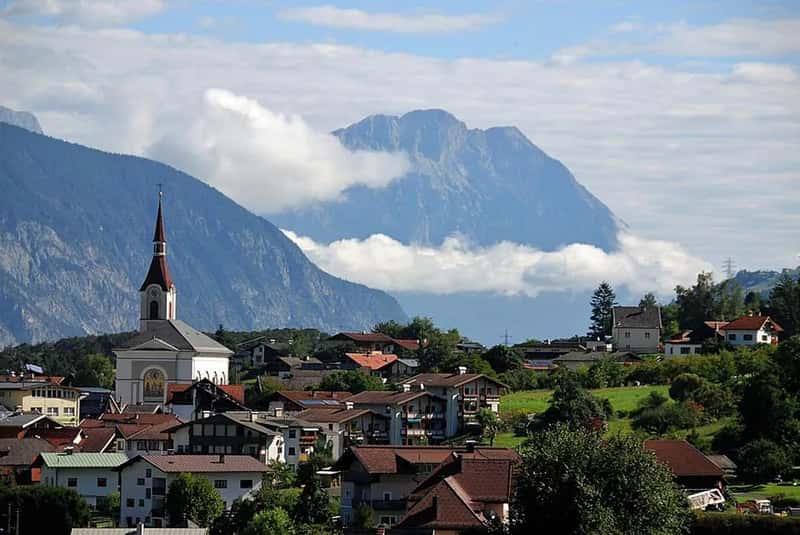
Austria runs on a similar logic to its northern neighbor, though the exceptions are drawn a little differently. Stores are generally not allowed to be open on Sundays and public holidays, with the law on shop opening hours stipulating that only certain categories of stores may operate at all. Those categories include stores selling food and essential household items under a limited sales area, along with places open for cultural or entertainment purposes such as museums, theaters, and cinemas.
Even permitted businesses cannot simply open whenever they like. Shops generally cannot open before 6am or after 9pm on weekdays, or after 6pm on Saturdays, and must close on Sundays and most public holidays altogether. For visitors caught out by the closures, locals often point across the border, since a day trip to Hungary, Slovakia, or Czechia offers stores that are allowed to open on Sundays.
Switzerland: Voters Keep Saying No to a Seven Day Retail Week
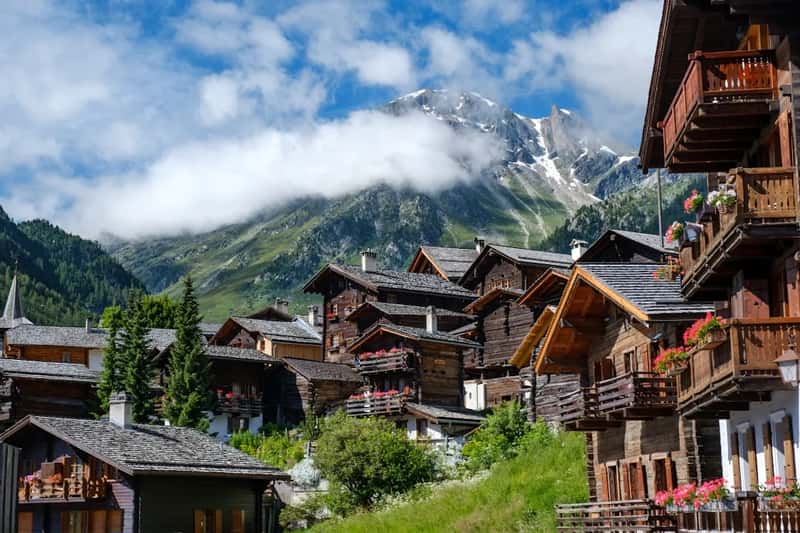
What makes Switzerland notable is not just the restriction itself, but how often citizens have had the chance to change it and chosen not to. Swiss retail outlets may typically trade from early morning until evening on weekdays, with shorter Saturday hours, while on Sundays and public holidays they generally stay shut. Over the years there have been regular debates and referendums on relaxing Sunday trading rules, but the public consistently votes against it, with roughly nine in ten votes rejecting liberalization in some polls, as trade unions argue that protecting Sunday rest matters for both employees and society.
That said, the picture is shifting slightly at the margins. In 2025, Swiss lawmakers voted in favor of allowing up to twelve shopping Sundays per year, up from the current limit of four, with each canton able to decide whether to adopt the change. Tourist heavy cantons like those around Zurich or Geneva are the most likely to take up the option, but the underlying default for most of the country remains closed.
Norway: Small Shops Only, and Only for a Few Hours
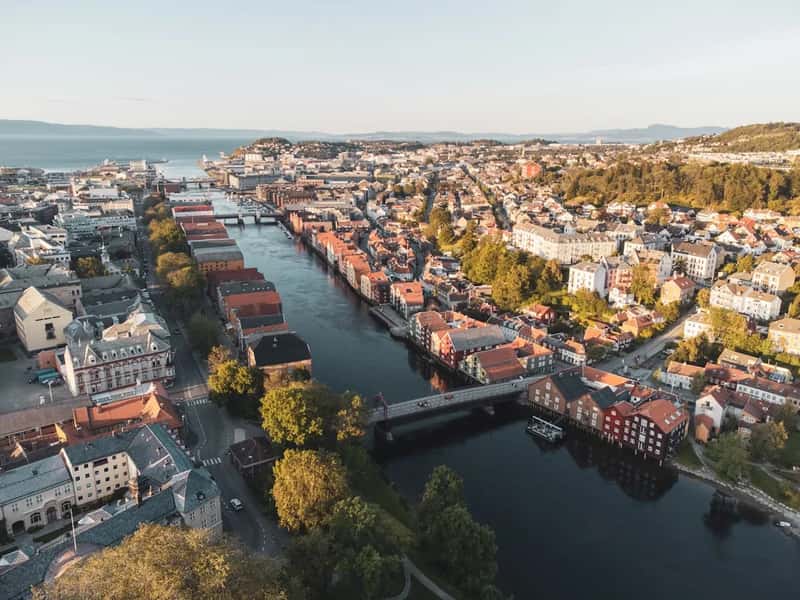
Norway draws its line based on store size rather than product type. All regular supermarkets, malls, department stores, and retail chains must stay shut on Sundays, with the only exception being stores with a sales area below 100 square meters. The legislation is intended to ensure retail workers get time off, and these smaller exempt shops are permitted to open for a maximum of six hours.
Tourist zones get some flexibility, but it’s tightly policed. Places classified as typical tourist destinations get an exception allowing shops of any size to open, provided sales in the area are primarily to tourists. Oslo’s city center recently tested that boundary and lost: a request to designate the flagship shopping boulevard Karl Johans gate as a tourist zone was denied because the area did not meet the criteria for smaller places selling mainly to visitors, leaving most non-exempt retail closed on Sundays.
Poland: From Liberal Shopping Hours to One of Europe’s Toughest Bans
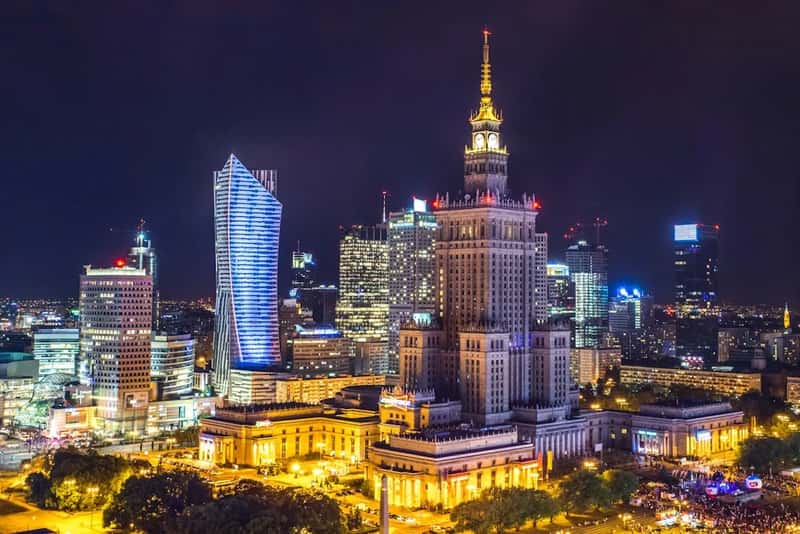
Poland’s current rules mark a sharp reversal from the freewheeling retail culture that followed the end of communism. A law banning almost all trade on Sundays took effect in 2018, closing large supermarkets and most other retailers for the first time since liberal shopping laws were introduced in the 1990s. Poland now has one of the strictest Sunday trading laws in Europe, requiring most large stores and shopping malls to remain closed with only a limited number of exceptions permitted throughout the year.
There’s a curious loophole that keeps the corner shop culture alive. If the owner of a store is the sole worker on a Sunday, the right to trade still exists, and family members are allowed to help out provided they work unpaid and aren’t contracted employees. That’s part of why chains like Żabka can still greet customers on a Sunday morning while the mall down the street stays dark.
France: A Cultural Commitment to the Day of Rest
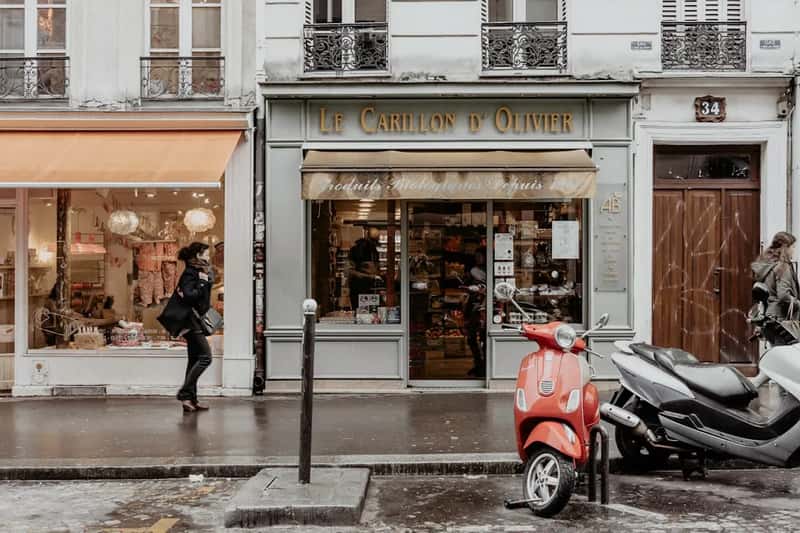
France doesn’t apply a blanket national ban, but the default position still leans firmly toward closure. France guards Sunday rest while allowing controlled openings in tourist zones and with permits, with the baseline built around a weekly rest period and Sunday off rather than seven day operation. Traditional bakeries, small groceries, and market stalls are common exceptions, but larger stores generally need special authorization to trade.
Tourist heavy areas of Paris and other major cities have carved out specific zones where Sunday shopping is permitted, a compromise that keeps the broader labor protections intact while acknowledging visitor demand. Outside those zones, the rhythm of a French Sunday still tends to mean closed shutters and quiet streets, much as it has for generations.
United Kingdom: Six Hours and a Careful Balancing Act
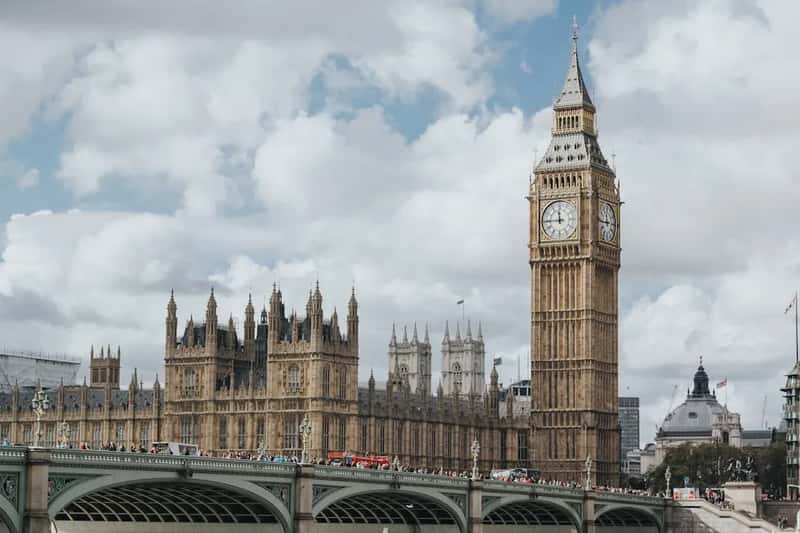
The UK’s system is a compromise rather than an outright ban, and it hinges on store size. Under the Sunday Trading Act 1994, large shops with an internal sales area over 280 square meters may open for six hours between 10:00am and 6:00pm and are required to remain closed on Easter Sunday. Small shops are not covered by these restrictions and can open freely.
The rules aren’t uniform across the country either. Scotland has no trading hours cap at all, while Northern Ireland maintains its own tighter scheme. Attempts to loosen the England and Wales rules further have repeatedly stalled in Parliament, leaving the six hour cap for larger retailers firmly in place heading into 2026.
Croatia: The Newest Country to Close Its Doors on Sunday
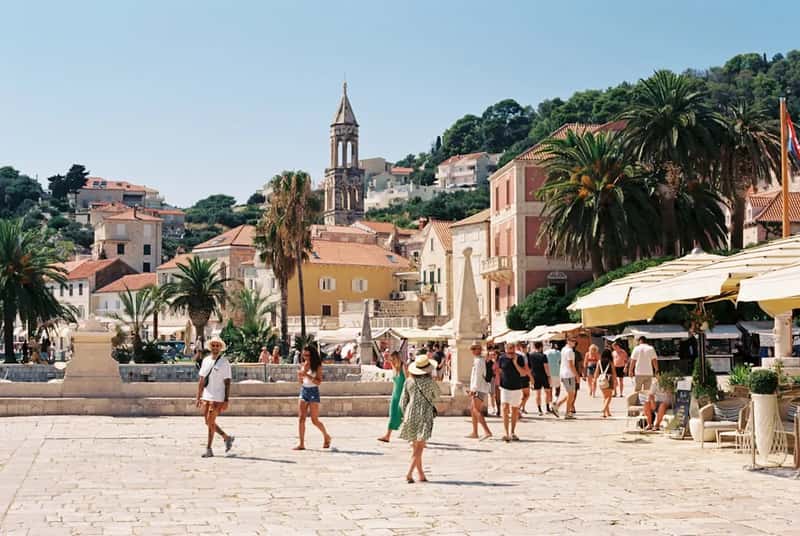
Croatia represents the most recent addition to this list, and its reasoning echoes what happened in Poland years earlier. The Croatian government said it was following the example of other countries that have successfully regulated the issue when it moved to ban Sunday shopping for most retailers. The change puts Croatia in line with several of its Central European neighbors rather than its more liberal Adriatic tourism competitors.
Reaction has split along familiar lines. The move has been welcomed by some trade unions and religious groups, but criticized by parts of the business community. Tourist areas and small essential shops are expected to retain some exemptions, mirroring the pattern seen in Germany, Austria, and Poland.
Belgium: The Quiet Rule Behind a Seemingly Open Market
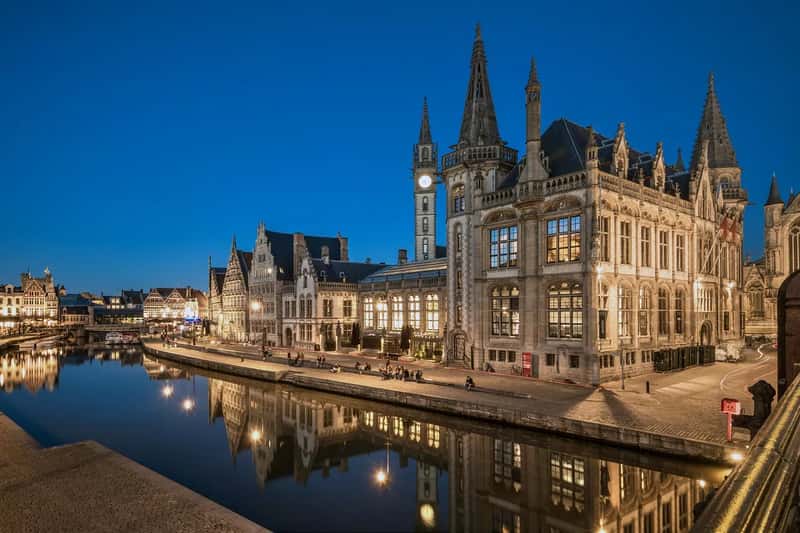
Belgium rarely makes headlines for Sunday restrictions, largely because its rule works through a required weekly rest day rather than an explicit ban. Retailers must observe one closing day each week, and Sunday is the default unless a business formally registers a different day with local authorities. In practice this means most independent shops, boutiques, and specialty stores across Belgian towns are shut on Sundays, even though a casual visitor to a big city center might not immediately notice it.
Exceptions are carved out for night shops, bakeries, and businesses in recognized tourist or seaside zones, which is why coastal towns like Ostend can feel busier on a summer Sunday than inland municipalities. The underlying structure, though, still treats Sunday closure as the baseline rather than the special case, putting Belgium quietly alongside its German speaking neighbors on this list.
What This Patchwork of Rules Reveals

Taken together, these nine countries show that Sunday closing laws are not a relic fading into irrelevance. They persist because the arguments behind them, protecting workers, preserving family time, and shielding small retailers from round the clock competition, still carry real political weight in 2026.
At the same time, none of these systems are frozen. Switzerland’s cantons are testing more shopping Sundays, Norway keeps fighting over what counts as a tourist zone, and Poland’s ban remains a live political debate. Whether the trend over the next few years bends toward more openings or holds firm likely depends less on retail lobbying and more on how each country’s voters and workers weigh a day off against a day of convenience.