There’s a particular kind of relief that comes with stepping outside after dark in a place you don’t fully know, and realizing nothing about the walk feels tense. No glancing over your shoulder, no gripping your bag a little tighter, no mental math about the fastest route back. That feeling, it turns out, is measurable, and researchers have spent years asking people in more than a hundred countries the same simple question: do you feel safe walking alone at night where you live?
The answers, compiled most recently in Gallup’s 2025 Global Safety Report alongside data from the Global Peace Index and Numbeo’s safety rankings, paint a fairly consistent picture. Some nations show up again and again, whether the metric is police trust, low assault rates, or plain gut feeling after sunset. Here are nine places where travelers and residents alike keep reporting that nighttime walk feels less like a risk and more like routine.
Singapore: The Global Benchmark for Nighttime Confidence
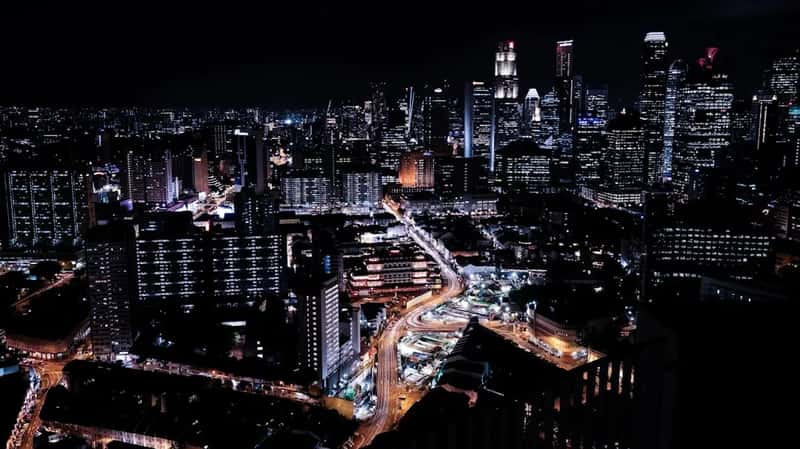
No country tops the charts quite like Singapore does. Singapore is the safest country in the world based on people’s perceptions, with 98% of residents saying they feel safe walking alone at night in the latest Global Safety Report. That figure comes from one of the largest surveys of its kind, drawing on more than 145,000 interviews across 144 countries.
Locals often credit the result to a mix of things that outsiders notice too, from spotless streets to a visible police presence. This is not just a statistic; it reflects decades of consistent policy, urban planning, and social trust, with low crime rates, strict law enforcement, and efficient public infrastructure combining to make Singapore one of the safest urban environments in the world. Visitors wandering around Marina Bay or grabbing late-night hawker food tend to describe the same thing locals do: an almost boring sense of normalcy after dark, which, in travel terms, is a compliment.
Tajikistan: A Quiet Surprise in Central Asia
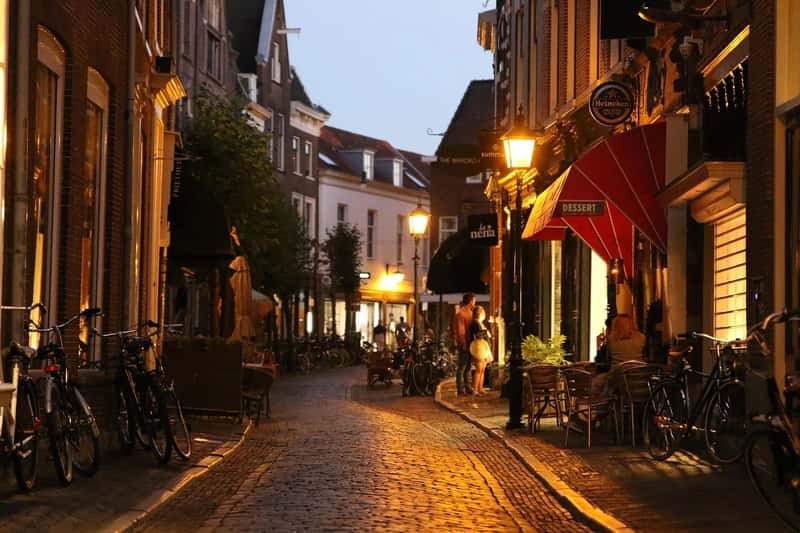
Tajikistan rarely tops anyone’s list of expected travel destinations, yet it consistently ranks near the very top for nighttime safety perception. Tajikistan is the safest country in Post-Soviet Eurasia based on people’s perceptions, with 95% of residents saying they feel safe walking alone at night in the latest Global Safety Report. That places it just behind Singapore globally, an outcome that surprises even seasoned travel researchers.
Part of the explanation seems tied to community structure rather than flashy infrastructure. Tajikistan ranks second, with nearly everyone surveyed reporting a sense of safety after dark, and the country’s systems of community policing and visible authority play a role in shaping this outcome. For tourists, this translates into mountain towns and Dushanbe’s streets where an evening stroll rarely raises an eyebrow, even among people unfamiliar with the region.
China: Scale Meets Surveillance
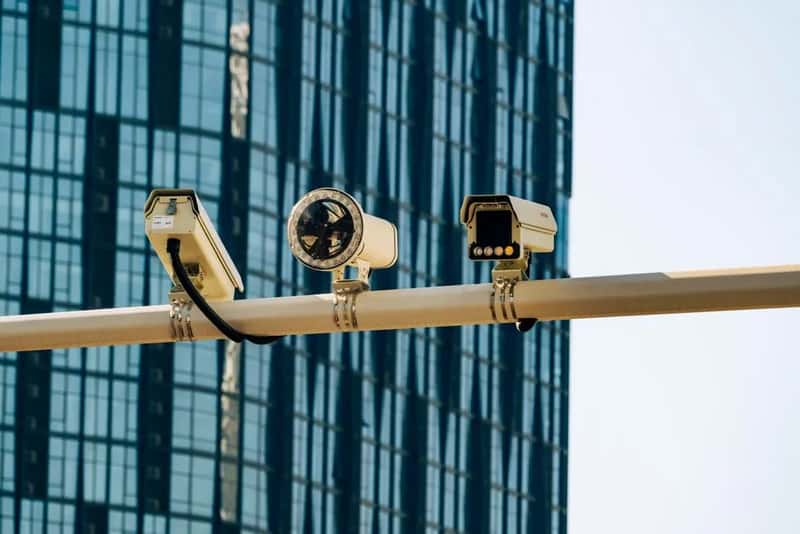
Given its size and population density, China’s safety numbers are notable simply for how consistent they are across such a vast country. Ninety percent or more of people in China (94%) say they feel safe walking alone at night. That puts it firmly in the same tier as much smaller, more tightly governed nations.
Analysts point to a specific formula behind the number. China records high levels of perceived safety, driven by a combination of state-led security, infrastructure investment, and the visibility of law enforcement in public spaces. Tourists in cities like Shanghai or Chengdu often comment on the sheer density of cameras and foot patrols, a setup that clearly shapes how safe people feel, even if opinions on privacy trade-offs vary.
Oman: The Gulf’s Quiet Standout
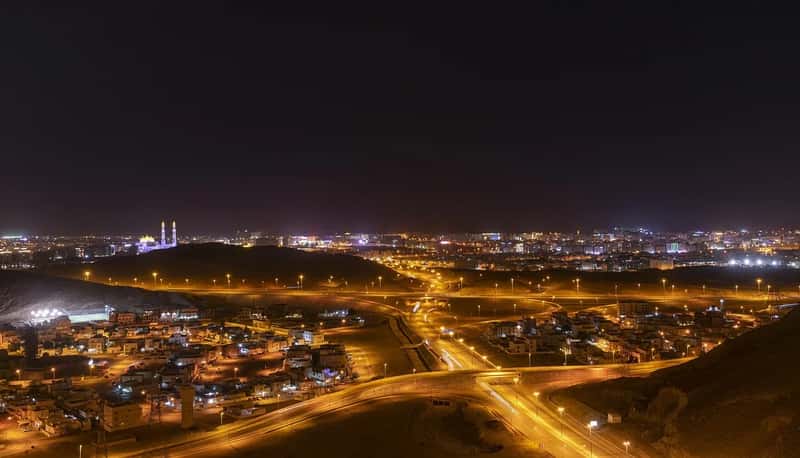
Oman doesn’t get the same global attention as its glitzier Gulf neighbors, but its safety numbers hold their own. Ninety percent or more of people in Oman (94%) say they feel safe walking alone at night, tying it with China for third place worldwide. That’s a striking result for a country still relatively under the radar for mainstream tourism.
The reasoning tracks with patterns seen across the region. Oman shares third place with China, and residents report high trust in institutions and law enforcement, which supports feelings of order and predictability at night. Travelers exploring Muscat’s souks or the desert towns further inland frequently describe a calm that feels almost old-fashioned, the kind of place where an evening walk isn’t something you plan around.
Saudi Arabia: Rapid Change, Consistent Safety Scores
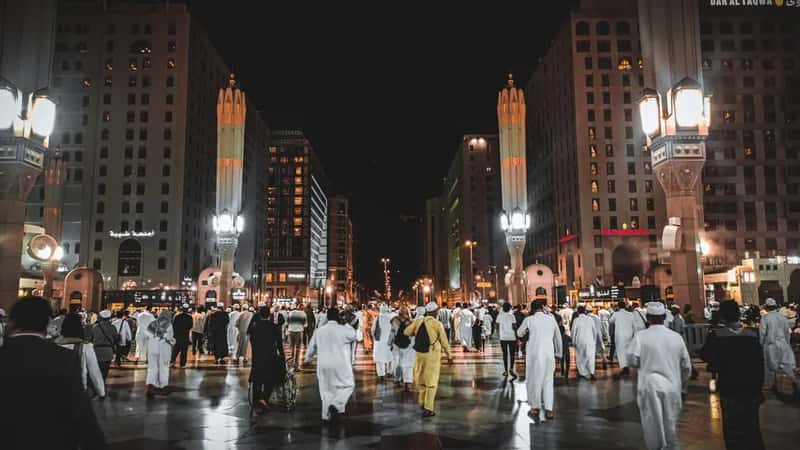
Saudi Arabia has undergone enormous social and economic shifts in recent years, but its nighttime safety perception has stayed remarkably strong throughout. Ninety percent or more of people in Saudi Arabia (93%) say they feel safe walking alone at night. That’s a number that has held steady even as tourism to the country expands rapidly.
The drivers behind it are fairly straightforward according to researchers. In Saudi Arabia, safety perceptions are closely tied to governance structures and strict enforcement. For visitors exploring Riyadh or the historic quarters of Jeddah after sunset, the streets tend to feel orderly rather than tense, a contrast some travelers don’t expect going in.
Norway: Europe’s Lone Entry in the Global Top Tier
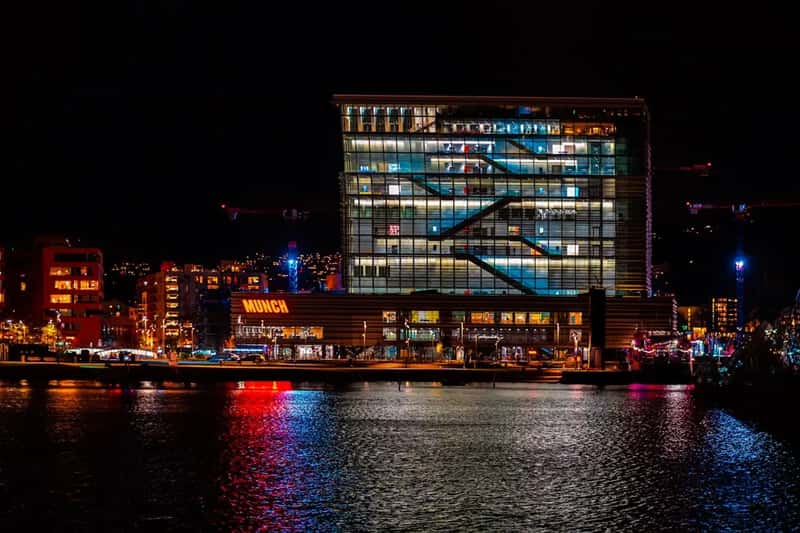
Among all the countries populating the very top of the worldwide rankings, Norway stands out as something of an outlier. Ninety percent or more of people in Norway (91%) say they feel safe walking alone at night. It’s the only European nation to break into that elite bracket alongside the Gulf states and East Asian countries.
That distinction says something about the broader continent too. Norway is the only European country in the top ten, suggesting that while Europe is generally safe, fewer countries reach the exceptionally high perception levels seen in parts of Asia and the Middle East. Tourists walking through Oslo or the smaller coastal towns often note how quiet and unhurried the streets feel, even well after dark in the depths of a Nordic winter.
Iceland: The World’s Most Peaceful Nation, Year After Year
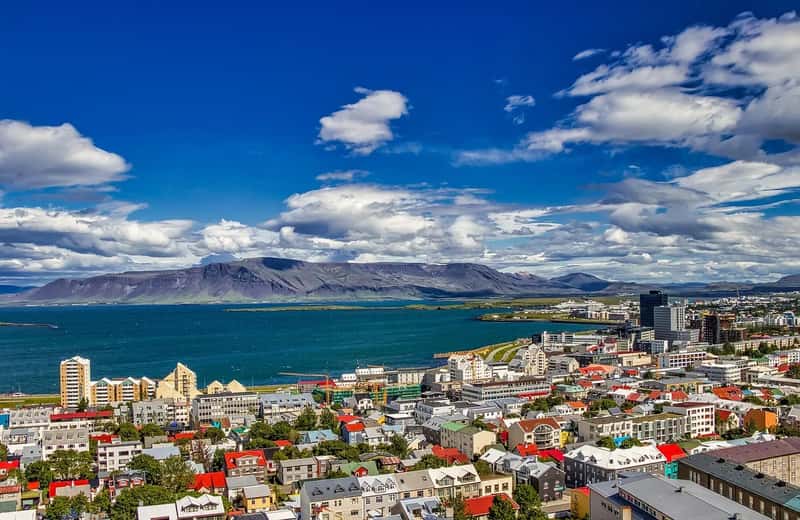
Iceland’s reputation for safety isn’t a recent development or a one-off survey result. Every year there are shifts in the ranking, but one thing has remained constant since 2008, Iceland is the safest place in the world according to the Global Peace Index. In 2025 it extended that streak even further, reinforcing a pattern that has defined the country for nearly two decades.
Ranking in first is Iceland, leading the global scoreboard for the last 17 consecutive years. The country’s small population, strong welfare system, and low crime rates all feed into that outcome. Iceland also has laws in place to guarantee equality, such as legal same-sex marriage and same-sex adoptions, religious freedom, and equal pay for men and women, factors that researchers link to broader social trust. For tourists, Reykjavik’s near-empty midnight streets in summer, when the sun barely sets, have become something of a signature experience.
Switzerland: Alpine Order and Consistent Safety Rankings
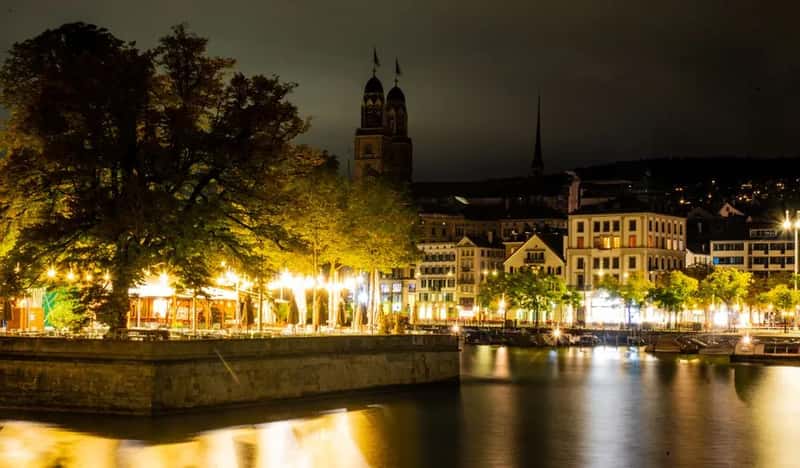
Switzerland shows up near the top of nearly every safety index that exists, and the nighttime walking category is no exception. Iceland leads the list, followed by Switzerland, Denmark, Ireland, and Liechtenstein in one recent global safety and security index, placing the Alpine nation firmly in the second tier of worldwide leaders. That consistency across different studies, rather than a single standout number, is part of what makes Switzerland’s case compelling.
Earlier European-specific surveys back this up too, with Switzerland coming in third place behind Croatia and Slovenia, with 74.2 points in a continent-wide comparison. Zurich and Geneva both regularly appear on lists of Europe’s safest cities, and travelers tend to describe the same thing locals do, streets that feel orderly, well-lit, and largely uneventful after dark, which for a solo night walk is exactly the point.
United Arab Emirates: A Consistent Fixture at the Top
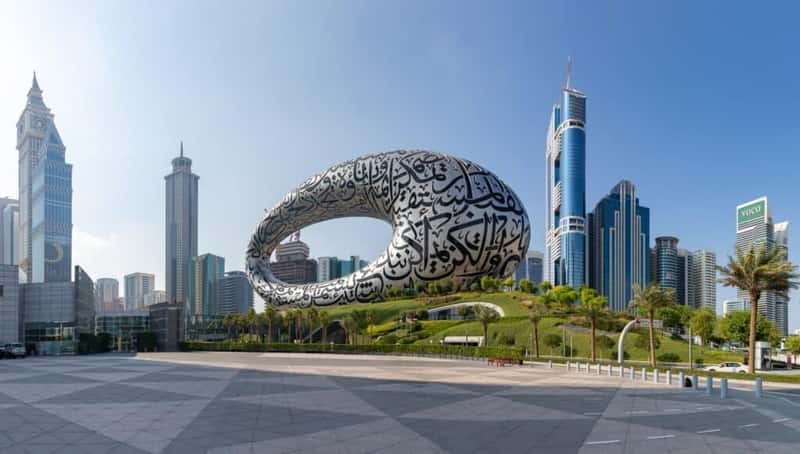
The UAE has spent years building a reputation for order and low crime, and the data backs up the perception. Ninety percent or more of people in the United Arab Emirates (90%) say they feel safe walking alone at night. That places it comfortably alongside its Gulf neighbors in the global upper tier.
Separate city-level data reinforces the pattern even further. Abu Dhabi leads the global list of safest cities with a score of 88.8, followed closely by Ajman, Dubai, Ras Al Khaimah, and Sharjah, meaning five UAE cities land among the world’s safest overall. For tourists strolling Dubai’s Marina at midnight or wandering Abu Dhabi’s corniche, that ranking tends to match the lived experience rather than just looking good on paper.
What These Nine Places Have in Common
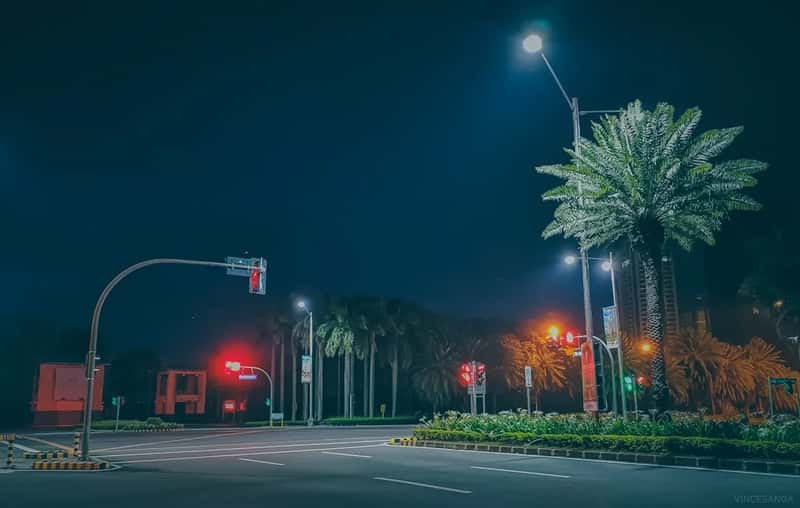
Looking across all nine countries, a few threads repeat themselves regardless of region or culture. Strong policing, whether community-based in Tajikistan or highly visible and tech-assisted in China and Singapore, shows up as a constant. So does a broader sense of institutional trust, the feeling that if something did go wrong, someone would actually respond.
Wealth and welfare systems matter too, particularly in the Nordic and Alpine cases, but they’re clearly not the only path to feeling safe after dark, given how strongly Tajikistan and the Gulf states perform despite very different economic profiles. Globally, the trend line is moving in a reassuring direction overall, with 73% of adults worldwide telling Gallup they feel safe walking alone at night where they live in 2024, the highest percentage since tracking began nearly two decades ago. That’s a useful reminder that safety, while unevenly distributed, has genuinely been improving in a lot of places travelers actually visit.