Retirement daydreams often come with a nagging worry: what if trading a stressful career for a slower pace also means giving up reliable Wi-Fi, decent hospitals, and a walkable town center? The good news is that a growing number of destinations, both inside and outside the United States, let retirees have it both ways. Rising costs back home have pushed more Americans to look at places that combine affordability with genuinely modern infrastructure rather than forcing a choice between comfort and budget.
The nine spots below were chosen because they consistently show up in credible 2026 retirement research for a specific reason: they pair everyday convenience with financial breathing room. Some are quiet American cities reinventing themselves for retirees, while others are international hubs where English is widely spoken and healthcare systems rival what many people already know at home.
1. Sarasota, Florida

Sarasota keeps showing up on national rankings because it manages to feel upscale without pricing out retirees entirely. Recent 2026 rankings list Sarasota, FL among the strongest retirement picks in the country. The city blends cultural amenities with beach access, giving retirees museums, theater, and waterfront dining without needing to relocate to a remote area.
Florida’s lack of a state income tax remains a major draw for anyone living on Social Security or pension income. Sarasota remains one of Florida’s most appealing retirement destinations thanks to its mix of culture and livability, and while beachfront prices can be high, inland neighborhoods offer more affordable options for retirees. That inland flexibility means newcomers can still enjoy modern grocery stores, hospitals, and shopping centers while controlling housing costs.
2. Scottsdale, Arizona

Scottsdale has built a reputation as a retirement destination that doesn’t feel like a compromise. It ranks among the most walkable and accessible cities for retirees, alongside Minneapolis, Columbus, and Pittsburgh. That walkability matters enormously as people age, since it keeps daily errands, medical appointments, and social outings within easy reach.
Beyond walkability, Scottsdale offers a blend of desert scenery and genuinely modern amenities, from resort-style shopping to well-regarded medical centers. Other roundups describe it as a place for “warm luxury” retirement living, pairing sunny weather with upscale infrastructure that many retirees associate with a step up rather than a downgrade. The tradeoff is a higher cost of living than some Arizona neighbors, but the payoff is a polished, well-serviced community.
3. Chattanooga, Tennessee

Chattanooga has quietly transformed from an industrial river town into one of the more compelling mid-size retirement options in the country. The city has reinvented itself as a mid-size Southern city with outdoor recreation, a revitalized downtown, and a genuinely affordable cost of living, and Tennessee has no state income tax while property taxes stay low. That tax structure alone can make a meaningful difference for retirees stretching a fixed income.
What sets Chattanooga apart from cheaper but less convenient towns is its combination of access and infrastructure. Healthcare access through CHI Memorial and Erlanger is solid, and the city’s walkable riverfront, hiking trails, and proximity to the Smoky Mountains make it ideal for active retirees. Retirees get modern medical care and cultural amenities without the price tag of a larger metro.
4. Boquete, Panama
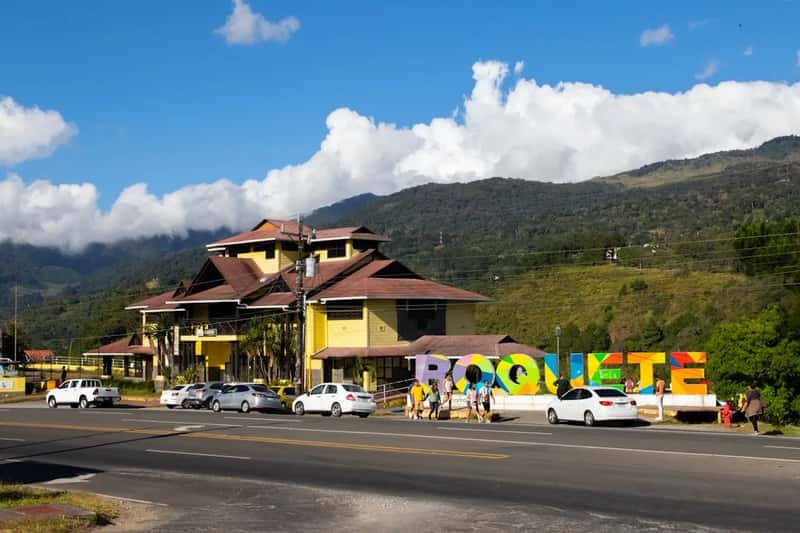
Boquete has become almost synonymous with successful American retirement abroad, and the numbers back up the reputation. It holds the No. 1 spot in the 2026 Live and Invest Overseas list of the best places in the world to retire abroad, home to some 25,000 people, over a fifth of whom are expats. That large expat presence means English is widely spoken and support networks already exist for newcomers.
Panama’s broader retiree infrastructure adds to the appeal. The country’s healthcare system is comparatively modern and affordable, though expats generally prefer private facilities with English-speaking staff and shorter waiting times. Combined with the well-known Pensionado visa program, which is known for its modern infrastructure, tropical climate, and the Pensionado visa program, drawing retirees with costs often 50% less than the U.S., Boquete offers a rare mix of savings and comfort.
5. The Algarve, Portugal
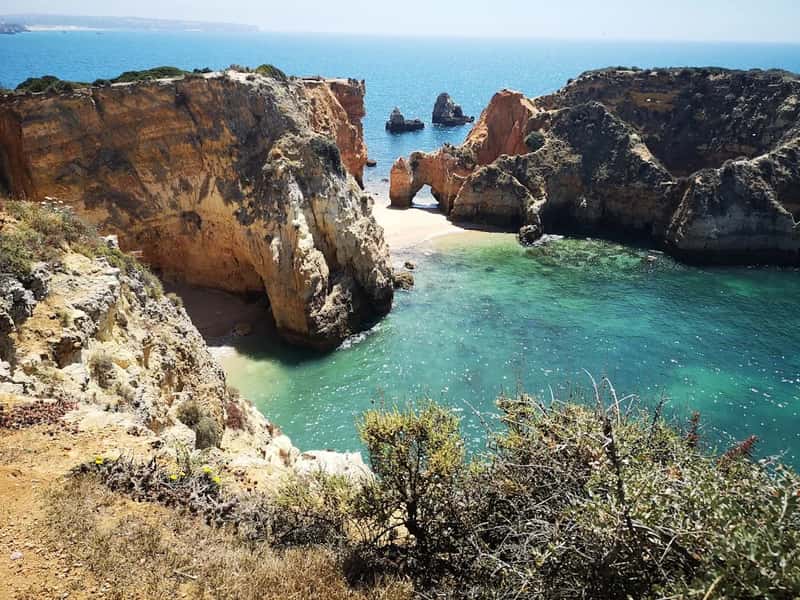
The Algarve has become one of Europe’s most practical retirement regions for Americans who still want modern conveniences nearby. Nearly 100,000 expats make up about 22.5% of residents here, drawn by the region’s cost of living, safety, and climate, a figure that dwarfs Portugal’s 5.7% national expat average. That density of foreign residents has built out English-language services, from real estate agents to healthcare providers.
Healthcare in the region works on a dual-track system that many retirees find reassuring. Public healthcare is free or nearly free for residents and covers basics like checkups or prescriptions well, which is why expats and retirees often still choose to add private coverage, typically costing between 50 and 100 euros monthly. Towns like Lagos add another layer of convenience, since it has the best walkability of any Algarve town, with restaurants, shops, and a marina all within easy reach.
6. Puerto Vallarta, Mexico
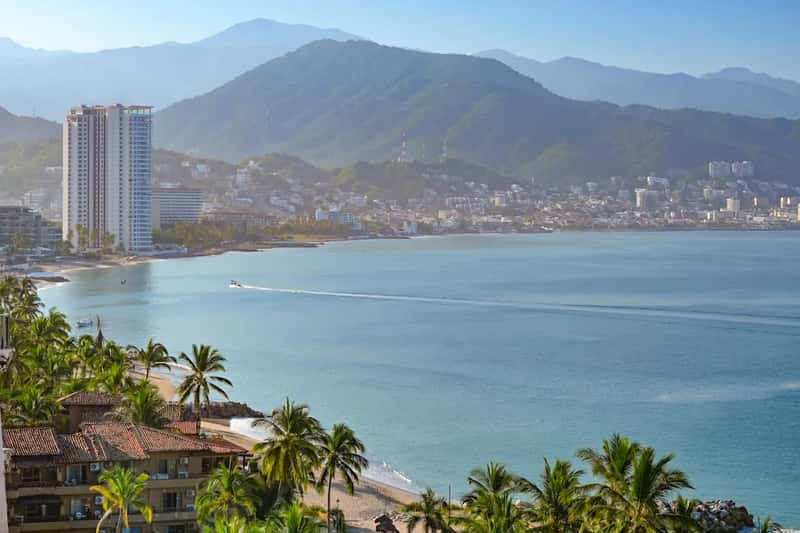
Mexico’s Pacific coast has long attracted American retirees, and Puerto Vallarta stands out for blending beach living with genuine urban infrastructure. Coastal areas like Puerto Vallarta and Playa del Carmen provide beach living with modern amenities. That means retirees aren’t sacrificing paved roads, reliable utilities, or shopping options just to live near the water.
Healthcare access is one of the biggest reasons Mexico keeps landing on retirement shortlists. The country has a strong private healthcare system with modern hospitals, English-speaking doctors, and short waiting times, and many retirees combine private coverage with international insurance, often at a fraction of US costs. Add in flexible residency options, and Puerto Vallarta becomes an easy landing spot for retirees who want warm weather without an overwhelming adjustment period.
7. Penang, Malaysia
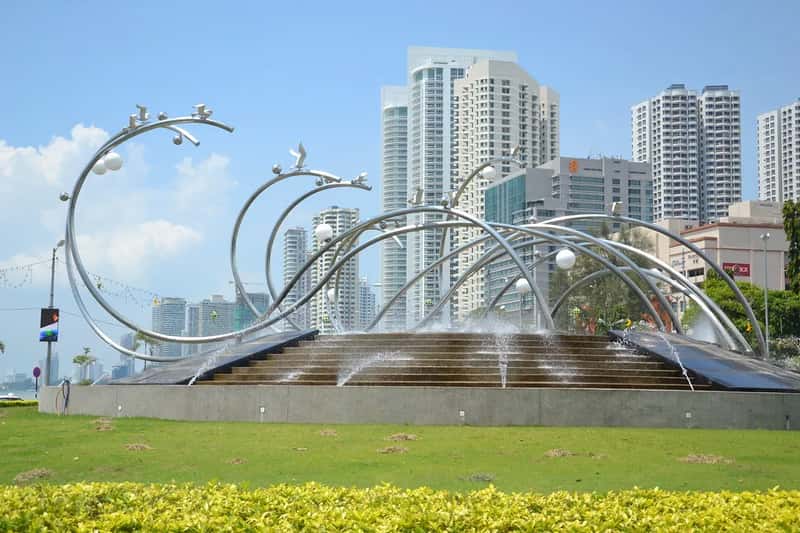
Penang rarely tops mainstream American retirement lists, but it deserves more attention for retirees prioritizing healthcare quality. Malaysia, and Penang in particular, continues to attract retirees seeking reliability, cultural diversity, and first-class healthcare at a reasonable cost, with English widely spoken to make integration easier for Americans. That English fluency removes one of the biggest barriers that keeps many retirees from considering Southeast Asia in the first place.
The cost structure makes Penang especially attractive for retirees on a fixed budget who still want a comfortable lifestyle. A comfortable lifestyle in Penang typically costs between $2,000 and $2,300 per month. That budget typically covers modern housing, dining out regularly, and private healthcare, which is a combination that’s increasingly hard to find at that price point in the United States.
8. Da Nang, Vietnam

Vietnam has emerged as a genuine contender for retirees who want coastal living paired with fast-improving infrastructure. Da Nang provides a more modern coastal environment with excellent infrastructure, and for retirees willing to embrace a slightly less conventional destination, Vietnam represents outstanding long-term value in 2026. The city has invested heavily in roads, bridges, and public spaces over the past decade, giving it a noticeably different feel from older, more congested Vietnamese cities.
Daily life in Da Nang tends to be social and centered around food, which many retirees find easier to adjust to than expected. Daily life is social, food-focused, and community-oriented. Combined with a lower cost of living than most Western coastal destinations, Da Nang offers a version of beachfront retirement that doesn’t require giving up modern conveniences like reliable internet or accessible healthcare.
9. Crete, Greece
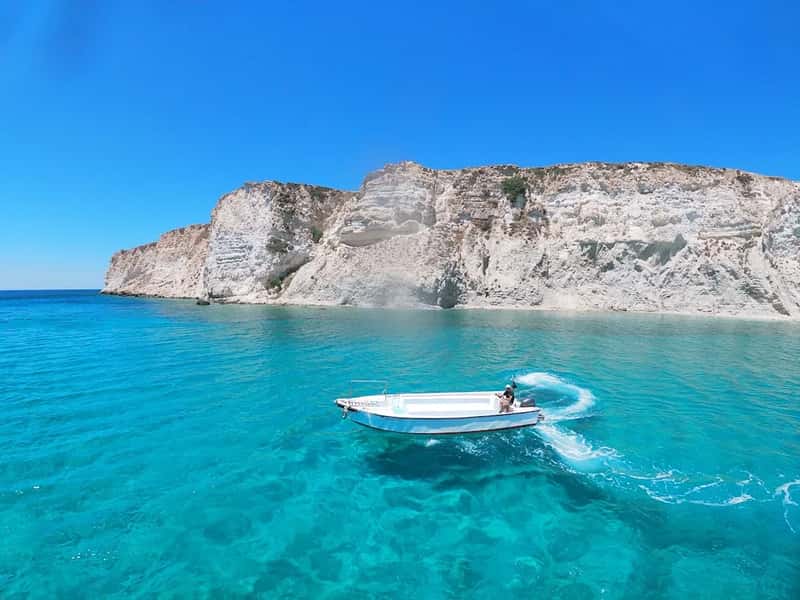
Greece has climbed to the very top of major global retirement rankings recently, and Crete captures much of what makes the country appealing. Greece has emerged as the best overall retirement destination, boasting 300+ sunny days, a laid-back lifestyle, and living costs around one-third of what many Americans pay back home. Crete specifically offers a mix of historic towns and modern coastal development, giving retirees both charm and convenience.
Real estate professionals working directly with American clients point to islands like Crete as a major draw. The main attraction for Americans in Greece is the islands and outskirts, which are less inflated and populated, offering a Mediterranean lifestyle with amazing food and weather, with major inflow going to Crete, Corfu, Rhodes, and Thessaloniki. Larger towns on the island provide modern grocery stores, private clinics, and reliable transportation links, while still delivering the slower island pace retirees are chasing.
None of these nine places require retirees to choose between comfort and affordability, which is exactly why they keep surfacing in credible 2026 research. Whether the goal is staying close to home in a walkable American city or stretching a retirement budget further overseas, the common thread is infrastructure that actually works: dependable healthcare, easy transportation, and communities built to support people well into their later years. The real decision isn’t whether modern comforts are possible anymore. It’s simply choosing which version of comfortable retirement fits best.