Traveling alone as a woman is one of the most rewarding experiences you can give yourself, but the question of where to go still matters. Some countries make solo exploration effortless, with low crime rates, reliable public transport, and a culture that treats independent women as completely unremarkable rather than a curiosity. Below is a rundown of nine destinations that consistently earn high marks for safety, infrastructure, and the kind of everyday ease that lets a solo trip feel like freedom instead of a constant risk assessment.
These picks draw on established safety benchmarks, including the Global Peace Index compiled by the Institute for Economics and Peace, alongside practical realities like walkability, English proficiency, and how comfortable it feels to move through a city after dark. None of this guarantees a perfect trip since no destination can promise that. Still, these nine countries repeatedly show up at the top of the list for good reason.
1. Iceland
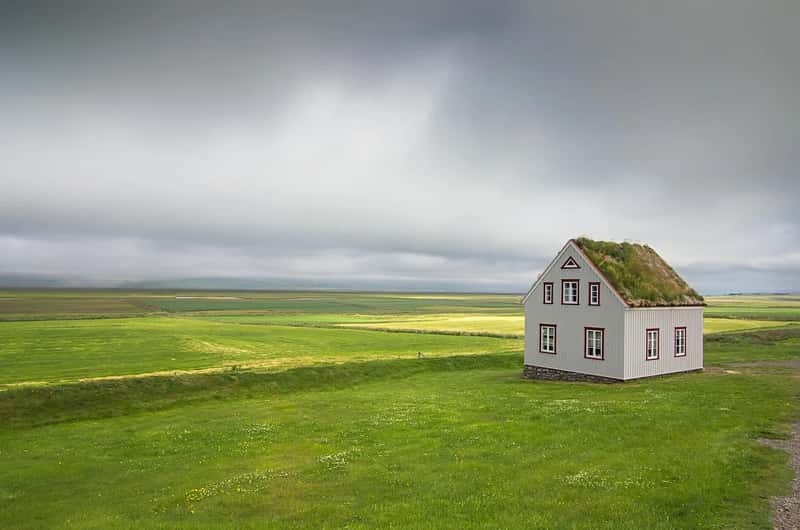
Iceland has topped the Global Peace Index for the last 17 consecutive years, a streak that says a lot about how deeply safety is woven into everyday life there. With a small, tightly connected population, violent crime and street harassment barely register as concerns for visitors. With a highly integrated population of just 380,000, violent crime and street harassment are virtually non-existent, and women report an incredible sense of spatial freedom, taking a midnight summer walk or an early morning hike without any hyper-vigilance.
The tradeoff is cost. Safety is guaranteed, but the budget is the real challenge, since Iceland is profoundly expensive. If you are planning a trip around a major event, it pays to check the calendar first, because a total solar eclipse in August 2026 has caused accommodation prices to spike by 200% to 300%. Traveling in the shoulder seasons instead of peak summer will stretch your money much further while still delivering long daylight hours and manageable weather.
2. Denmark
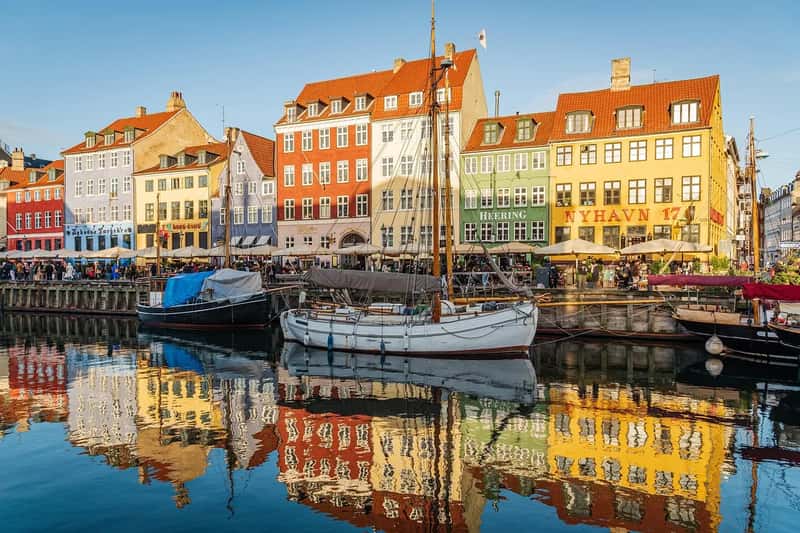
Denmark sits comfortably near the top of nearly every global safety ranking, and its 2025 Global Peace Index position reflects a country that runs on trust rather than fear. Denmark is characterized by a high degree of political stability, freedom of the press and respect for human rights, along with a high level of income equality. For a solo traveler, that translates into clean, orderly cities where getting lost is more of an inconvenience than a danger.
Language is rarely a barrier here either. Denmark’s exceptionally high English proficiency practically eliminates the stress of a language barrier, making it a strong choice for a first solo trip abroad. Just keep travel paperwork in mind, since American travelers heading to Europe in late 2026 will need to apply for the new ETIAS pre-travel authorization before their flight. Copenhagen’s bike-friendly layout and reliable public transit make it especially easy to explore without ever needing a car or a rideshare after dark.
3. Norway
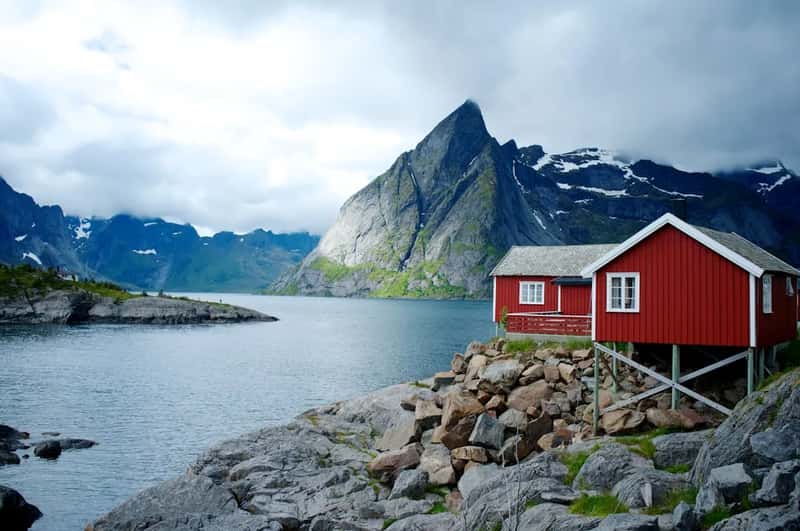
Norway rewards travelers who genuinely want to be alone with their thoughts, not just alone in a hotel room. Norway aligns with the growing preference for quiet, low-stimulation travel, and its fjord villages and small towns offer silence, nature, and deep safety. Solo hikers and slow travelers in particular find that the country’s vast, uncrowded landscapes rarely feel isolating in a worrying sense.
What sets Norway apart is how naturally its social norms support solitude. Strong social systems and a cultural respect for personal space make solitude feel intentional rather than risky. Public transport between towns is dependable, and Norwegians are generally reserved but helpful when approached, which makes asking for directions or advice a low-stress interaction rather than an awkward one.
4. Switzerland
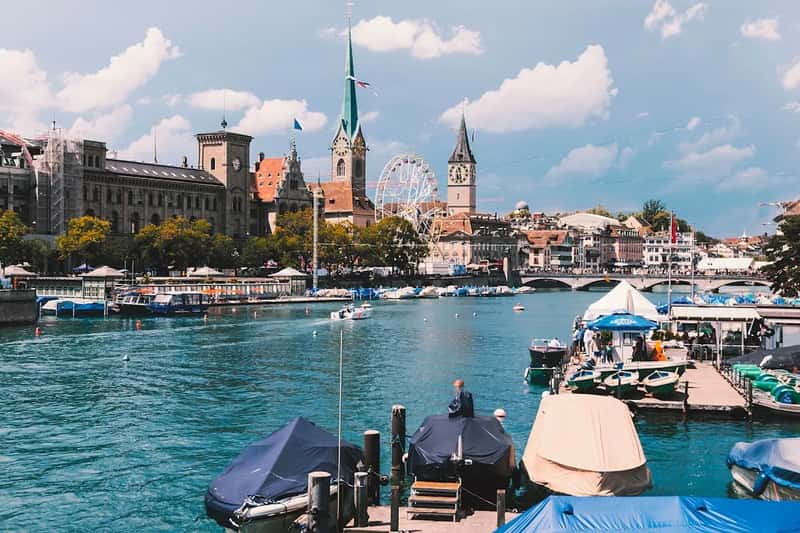
Switzerland regularly lands in the upper tier of global peace rankings, and 2025 was no exception. Iceland, Ireland, New Zealand, Austria and Switzerland are the top five most peaceful countries in the world in 2025. That kind of consistency isn’t an accident. It reflects decades of political neutrality, low corruption, and a social contract that keeps public spaces orderly.
For solo travelers, Switzerland’s real advantage is logistical rather than just statistical. Trains run on time to the minute, signage is multilingual, and cities like Zurich, Geneva, and Lucerne are compact enough to navigate on foot. The country isn’t cheap, but the predictability of everything from transport schedules to hotel standards removes a lot of the guesswork that can make solo trips stressful elsewhere.
5. Austria
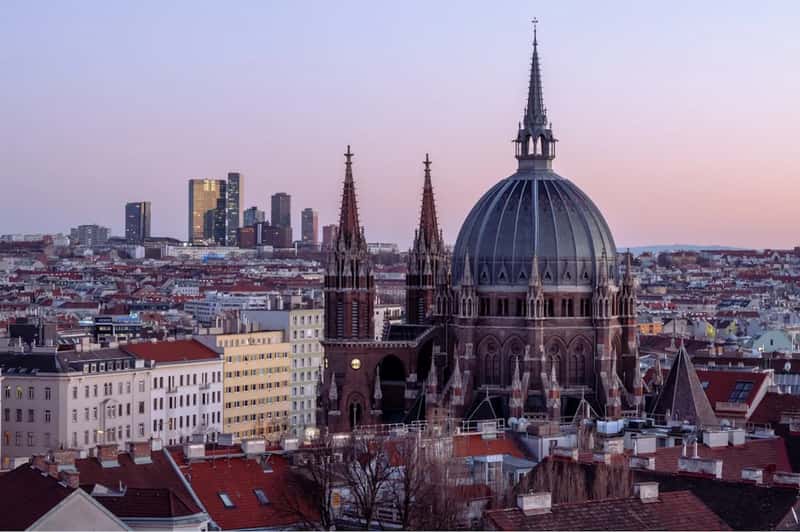
Austria’s safety credentials are hard to argue with. Austria ranks sixth in the current 2026 Global Peace Index, placing it among the world’s safest countries, where serious and violent crime are both uncommon and most visitor concerns come down to standard tourist annoyances like pickpocketing in crowded areas. That gap between statistical safety and lived experience matters, because it means the biggest risk most solo travelers face is a distracted moment in a busy square, not anything more serious.
Vienna in particular makes independent exploration simple. Cities are walkable, rail connections between them are simple, and English is widely spoken across major tourist areas, while Vienna regularly ranks among the world’s most livable cities for its infrastructure, public services, and quality of life. Between museums, café culture, and classical music, there’s enough to fill days of solo sightseeing without ever needing to join a group tour for reassurance.
6. Portugal
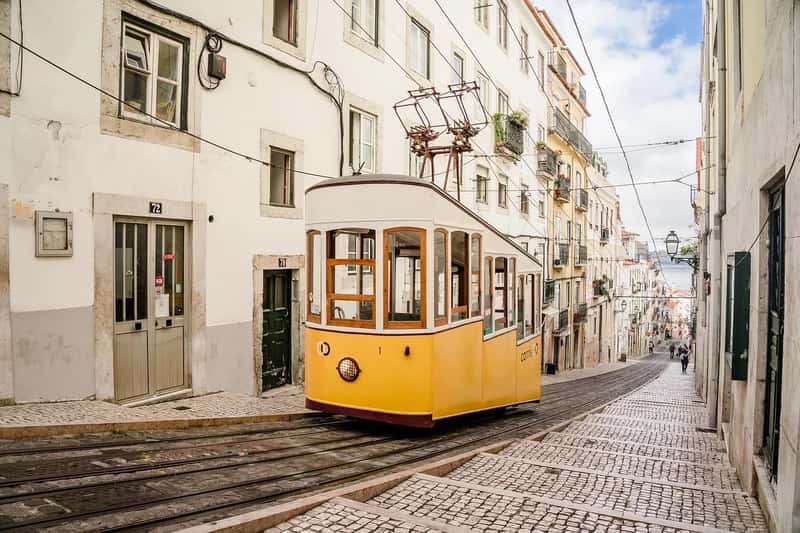
Portugal has built a strong reputation among solo female travelers over the past several years, and that hasn’t changed in 2026. Portugal continues to rank as one of the safest countries in Europe for solo female travelers in 2026. Beyond the statistics, the country’s rhythm of life makes independent travel feel unusually relaxed.
Whether you’re in a major city or a smaller coastal town, the pace works in your favor. Late dinners, walkable historic centers, and friendly local culture make solo movement feel relaxed and supported. Porto and Lisbon both offer dense, walkable old towns where getting around after dinner rarely feels tense, while the Algarve coast provides a quieter, slower alternative for travelers who want fewer crowds without sacrificing safety.
7. Slovenia
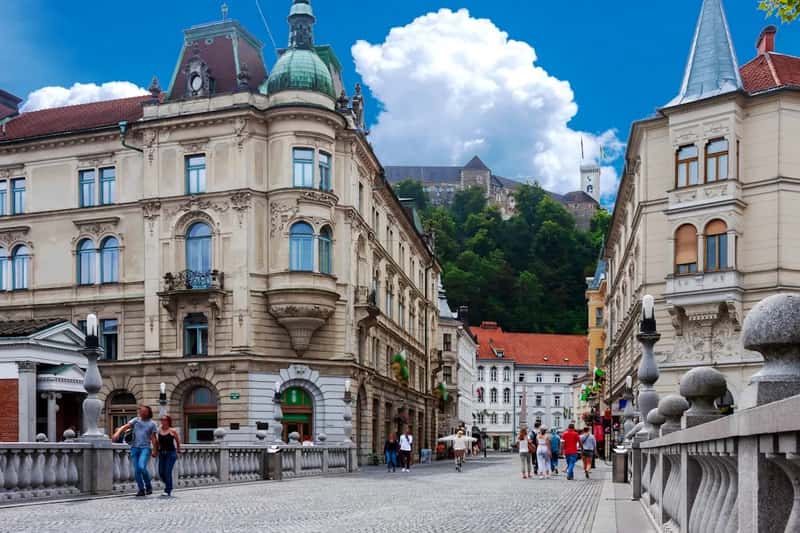
Slovenia doesn’t get the attention that Iceland or Portugal does, but it deserves a spot on this list. Slovenia remains one of Europe’s most underrated safe havens, and Ljubljana feels intimate, green, and easy to navigate. The capital’s small size works in a solo traveler’s favor, since almost everything worth seeing sits within an easy walk of the center.
What makes Slovenia stand out is the sense of community trust that runs through daily life. Low crime, clean streets, and strong public trust allow solo travelers to slow down without losing confidence. It’s also worth noting that Slovenia sits among the countries that jumped into the Global Peace Index top ten in 2025, a sign that its reputation for safety is only strengthening rather than fading.
8. Japan
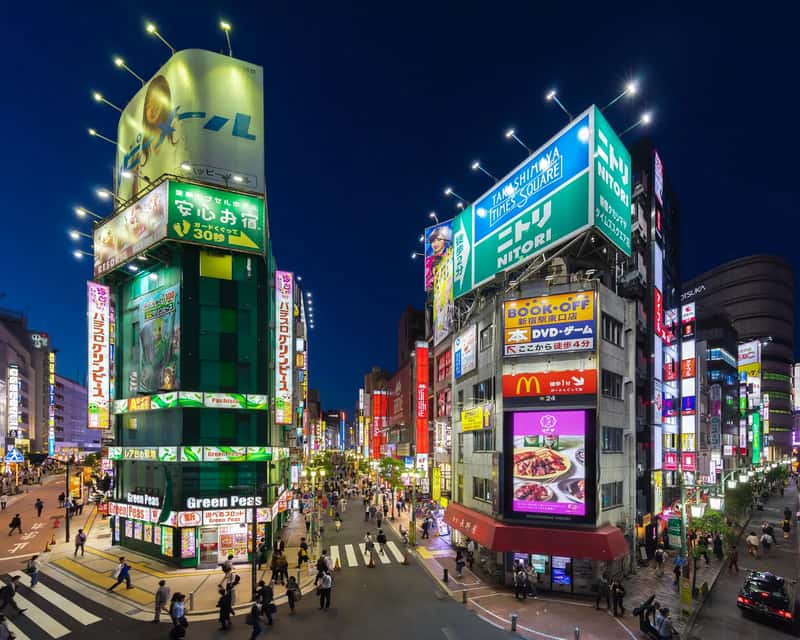
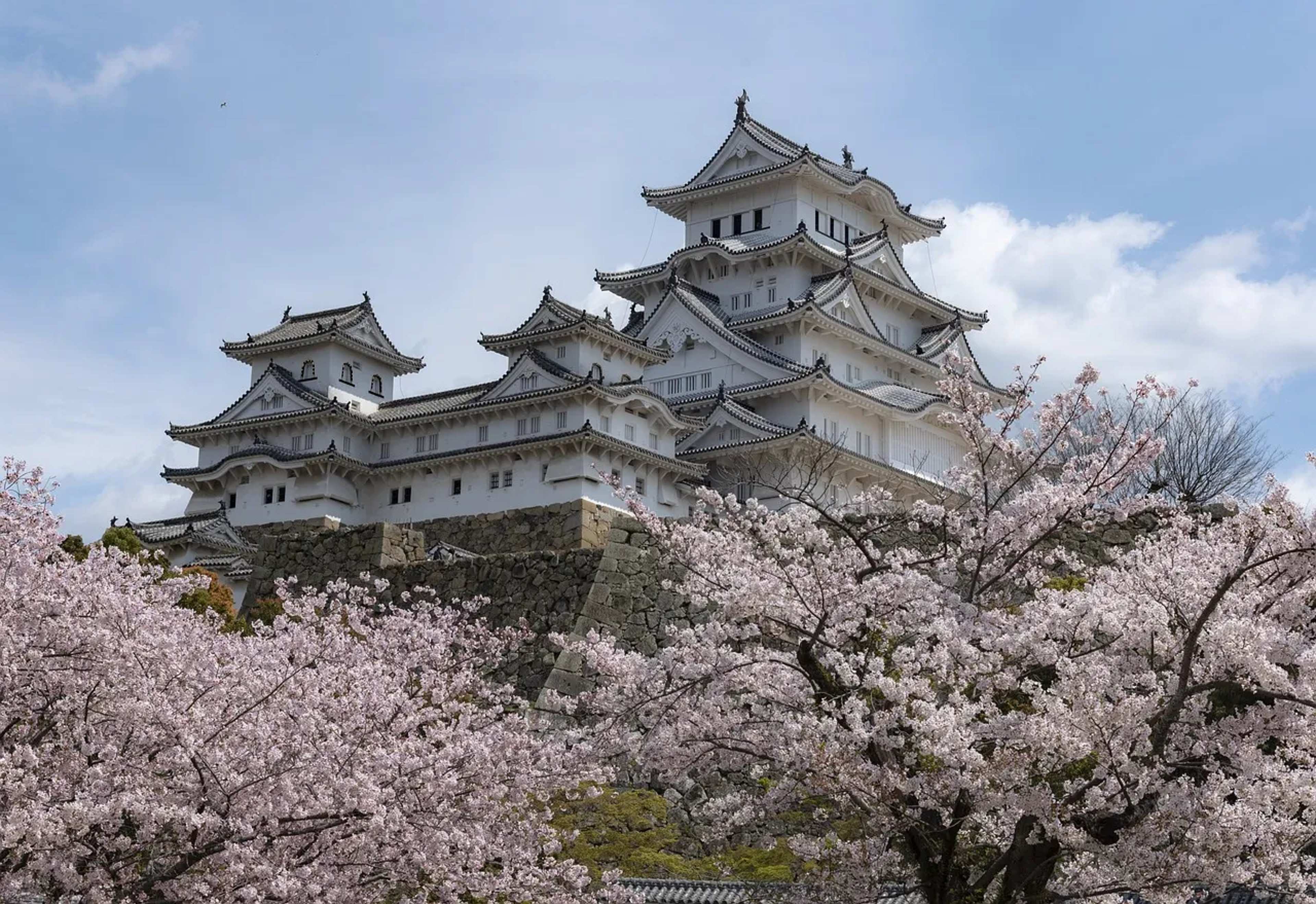
Japan’s safety record isn’t a recent trend. It’s a long-standing global reference point. Japan has ranked among the safest countries in the world for decades, and that reputation holds firmly in 2026. Lost wallets get returned, trains run with remarkable precision, and walking alone at night in most cities rarely raises concern the way it might elsewhere.
For newcomers to solo travel, Japan can feel intense at first simply because of the scale of cities like Tokyo and the language difference. Even so, most experienced solo travelers describe it as one of the most rewarding places to explore independently once you adjust to the pace. Convenience stores on nearly every corner, spotless public restrooms, and an almost universal culture of politeness toward strangers all add up to a country where solo women can move through daily life with minimal friction.
9. New Zealand
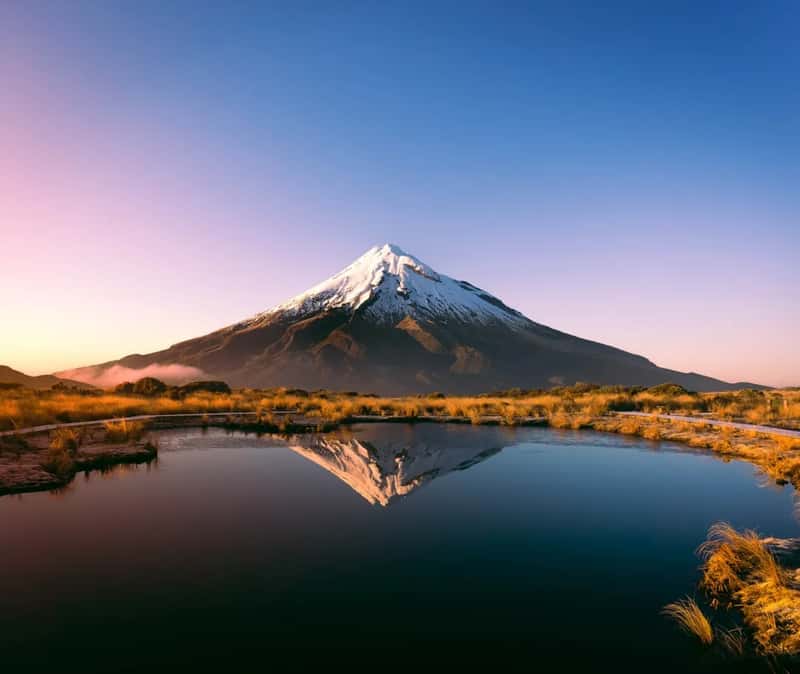
New Zealand’s inclusion among the world’s most peaceful nations isn’t new, but it remains one of the strongest arguments for a longer solo trip. New Zealand sits among the top five most peaceful countries in the world in 2025, alongside Iceland, Ireland, Austria and Switzerland. Low population density outside the main cities means fewer crowds and, generally, fewer opportunities for the kind of petty crime that affects busier tourist hubs.
The country’s outdoor culture is a major draw for solo travelers, and the hospitality industry here is well accustomed to hosting independent women on hiking trails, campervan routes, and backpacker circuits. Hostels tend to be well organized and social, which makes it easy to meet other travelers if you want company for a day hike or a bus leg without needing to plan an entire trip around a group.
2