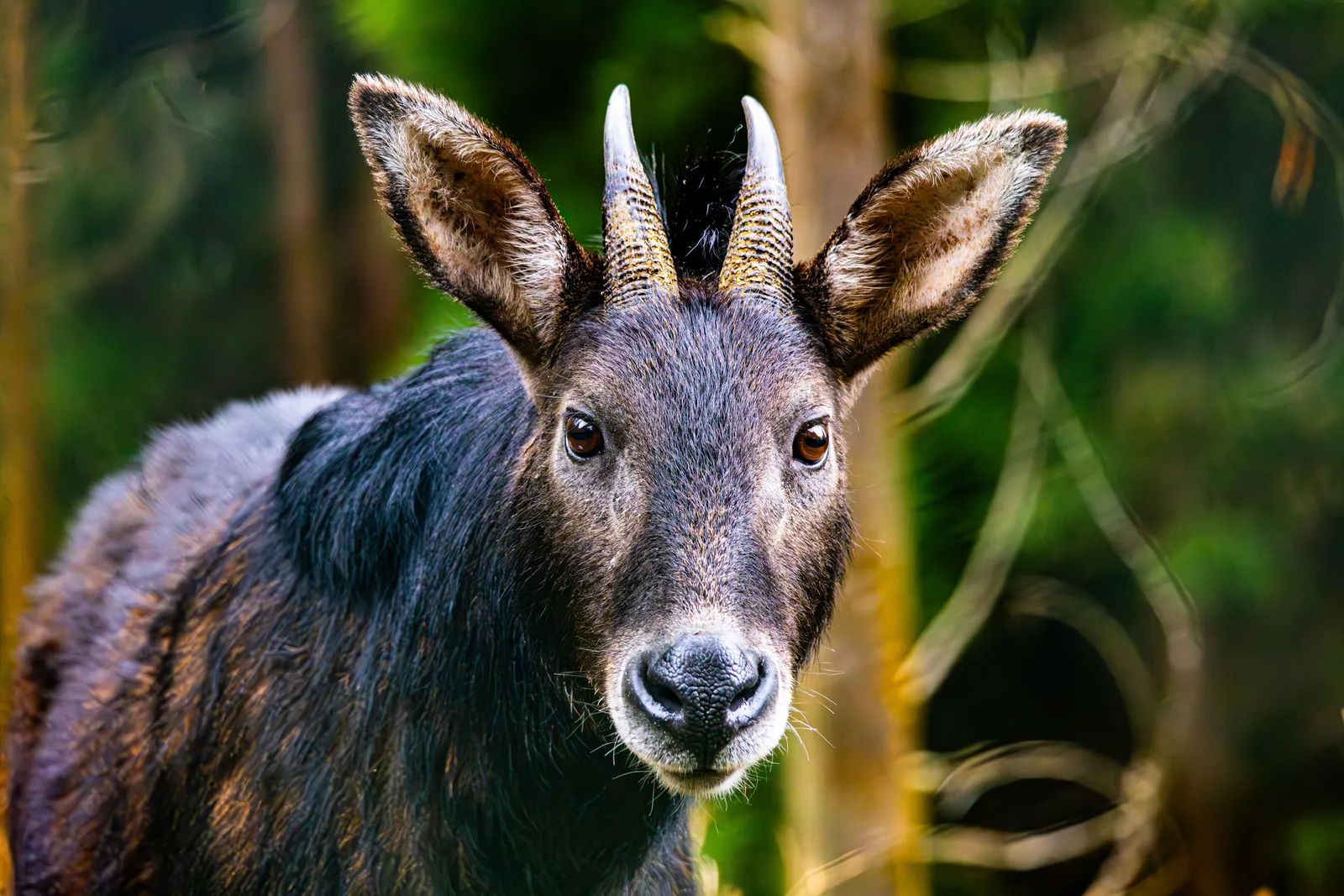
The saola, a critically endangered tropical bovid that hasn’t been recorded by scientists since 2013, faces an uncertain future in Laos due to severe funding shortfalls. The animal’s elusiveness has made it a symbol of the forest’s hidden wildlife, and the effort to find it now depends on month-to-month financing. The risk is not only that the animal may be gone. It is that the search could end before anyone learns whether it survives. ([1])
An Animal Known Mostly by Its Absence
Scientists first described the saola (Pseudoryx nghetinhensis) in 1992 in the Annamite Mountains that run along the eastern border of Laos and Vietnam. The animal is the only living member of its genus, and it is believed to have remained largely unchanged for 15 million years, which explains much of the fascination surrounding it.
Its most recent confirmed record is a camera-trap photograph from 2013. Fewer than 50 individuals are estimated to survive in the wild, and there are none in captivity. Other estimates are even lower or higher. One 2026 account places the wild population at perhaps 25 to 100, which underlines how little researchers know about the species’ true numbers.
How the Search Works
In 2025, the nonprofit Saola Foundation began a search across 300 square kilometers (116 square miles) of remote forest in Laos’s Bolikhamxay province. The team relies on methods that have rarely been combined in the region. Local trackers, detection dogs and rapid field DNA testing kits are used together, an approach the foundation describes as breaking from the traditional model of relying entirely on international expertise.
The stakes for the animal are also practical. Saola are vulnerable to wire snares that are set to catch other wildlife, and that threat is one reason conservationists have pushed for quick action. Detection work is also slow, expensive and seasonal, which means that every pause in funding can cost months of field effort.
Key facts at a glance
- The saola was first described by scientists in 1992.
- Its last official record came from a 2013 camera trap.
- The search covers about 300 square kilometers in Laos.
- Field operations are now funded only one stretch at a time.
Money Sets the Timeline
The search has been operating on a month-to-month basis, and that arrangement shapes every decision. The saola search initiative is now operating on a month-to-month basis. The field team normally leaves the forest during the rainy months and returns when conditions improve. The Saola Foundation’s CEO, Lorraine Scotson, said that this year’s funding cuts left the return in doubt. Her remark that “If we aren’t searching, no one is searching for the saola” captures how much rests on a small number of donors.
Emergency support has kept the team active for now. While emergency donations from several zoos secured field operations for October, long-term funding remains unresolved. The foundation has also appealed publicly for help, and the most intensive search for Saola ever attempted has stopped for lack of funding at earlier points, according to its campaign materials. Those pauses show how quickly a well-planned survey can lose momentum when its budget runs short. ([2])
The funding climate is tight beyond this project as well. Scotson has noted that organizations like ours are struggling in such an uncertain funding climate, with many jobs lost and projects ended as a result. That broader pressure on conservation groups makes the saola effort harder to sustain. ([3])
What Happens Next
The search has not yet proven whether the saola survives, and the scientific community remains split. Conservationists are divided over whether the saola still survives. That uncertainty is the reason many experts say the search matters. A confirmed sighting could open the door to a captive breeding plan, a path that could permanently disappear without sustained financial support.
For now, the question is less about the animal itself than about whether the people searching for it can keep going. The next funding decisions will determine whether the team returns to the forest, and whether the search for the last known candidates in the Annamites continues into another season.