Geography quizzes have a way of humbling even well-traveled people, and cities tend to trip us up more than countries do. We can usually place France or Japan on a map, but naming the cities that actually define global travel, commerce, and culture is a different challenge entirely. This gallery-style rundown puts some of the planet’s most significant cities in front of you, one by one, so you can honestly tally how many you’d recognize without a search engine’s help.
Surveys on geographic literacy have long suggested that Americans struggle more than residents of many peer nations when it comes to placing global landmarks, countries, and cities correctly. A Council on Foreign Relations and National Geographic Society survey found that respondents answered just over half of the knowledge questions correctly, and only 6 percent got at least 80 percent of the questions right.[1] With that in mind, let’s see how these seven cities stack up and how many you can genuinely claim to know.
Bangkok, Thailand
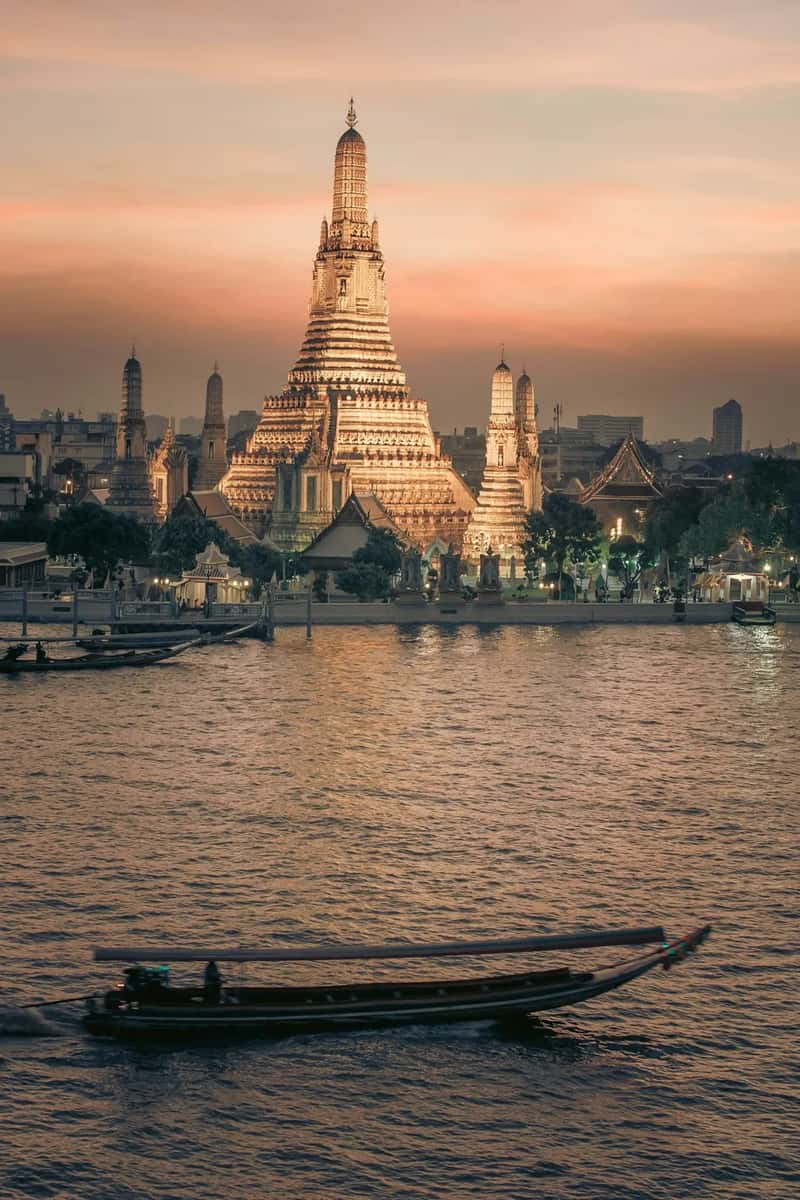
Bangkok might not be the first city most Americans picture when they think of “the world’s most visited,” yet it has held that title for years running. According to Euromonitor International’s latest index, Bangkok emerged as the most visited city on the planet, welcoming an estimated 30 million international arrivals.[2] That figure held steady even as the city faced some headwinds, since Bangkok retains its position as the world’s most visited city, with 30 million international arrivals, despite challenges including a stronger local currency, safety perceptions, and intensifying regional competition, with total arrivals dropping by 7% compared to 2024.[3]
Part of Bangkok’s pull comes from its mix of ancient temples, chaotic street markets, and a nightlife scene that rarely sleeps. Its cultural footprint has only grown recently, since travel inspiration for visits to Bangkok may have been further influenced by HBO’s The White Lotus, which featured the city in its latest season[4]. Despite topping the arrivals chart, Bangkok often gets overshadowed in casual geography conversations by European capitals, which says more about cultural bias than about the city’s actual global relevance.
Paris, France
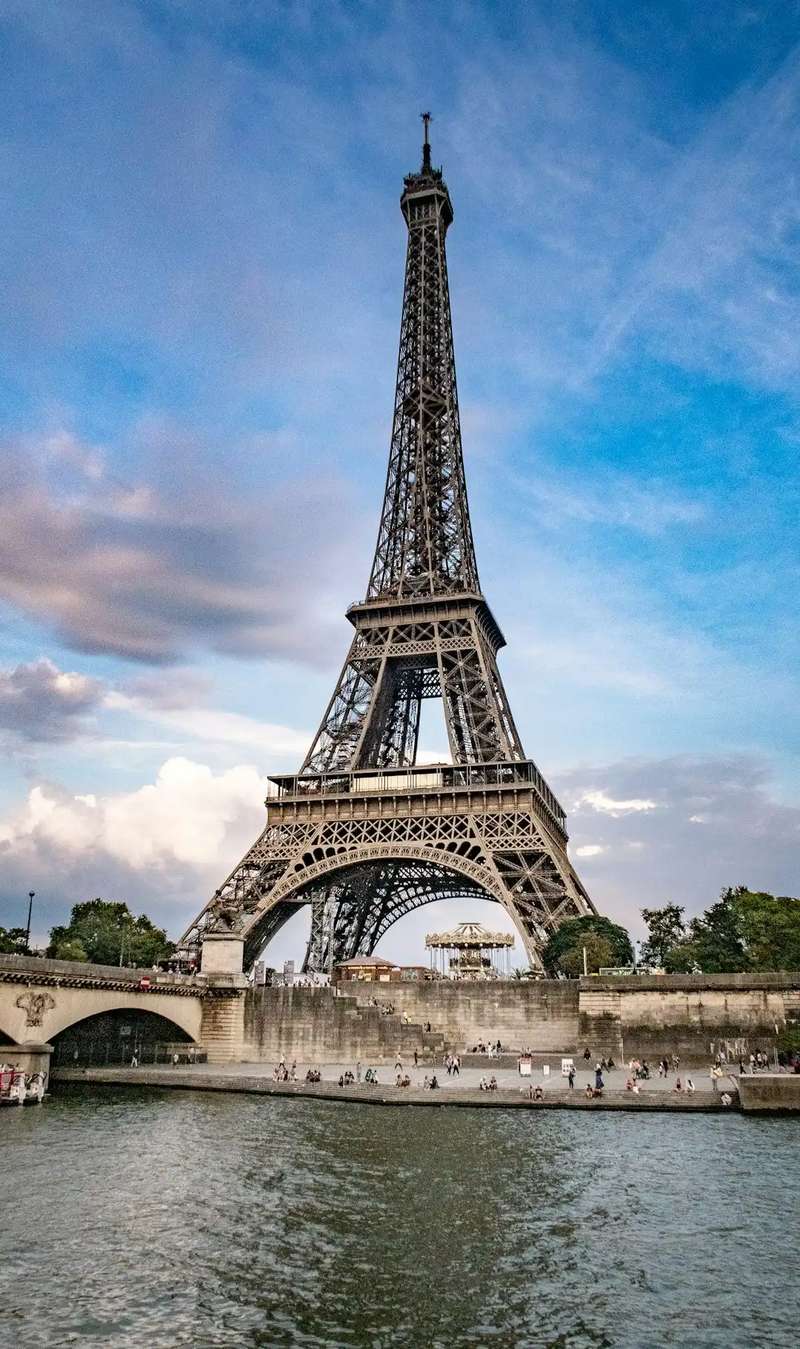
Paris is probably the safest bet on this list, the city almost everyone would recognize by name, silhouette, or a single mention of a certain iron tower. It remains a benchmark for global tourism, and recent rankings only reinforce that reputation. Euromonitor’s 2025 overall attractiveness index placed Paris in the top spot, noting that Europe maintains its position at the forefront of global rankings, securing four out of the top five places in the Index, with Paris followed by Madrid in second place[5].
What sets Paris apart isn’t just visitor volume, it’s consistency. The city has now claimed the top spot for overall attractiveness multiple years running, and reporting on the 2025 index noted that Paris has just been named the most attractive city in the world for the fifth time in a row[6], drawing more than 18 million visitors in a single year. Few cities anywhere combine that level of name recognition with sustained real-world tourism performance.
Tokyo, Japan
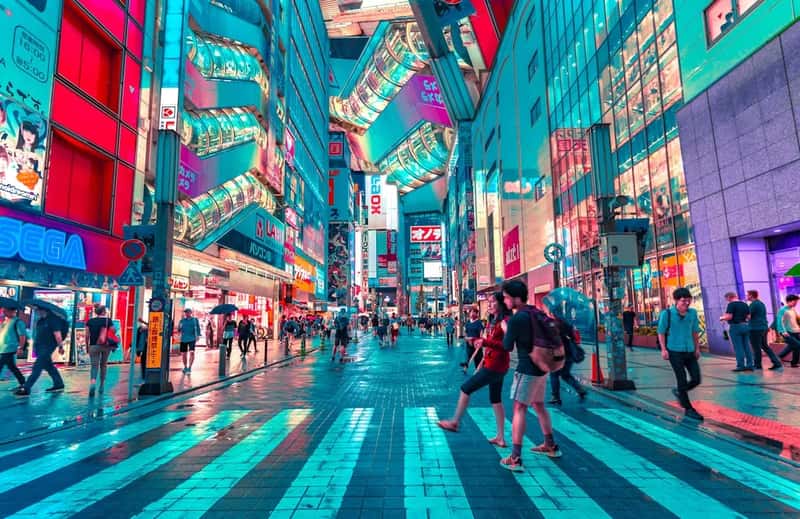
Tokyo occupies a strange spot in the average American’s mental map, instantly recognizable as a name yet often vague as an actual place. It’s the largest metropolitan economy in Asia and continues to rank among the top global destinations. The latest Euromonitor data confirms this staying power, noting that Tokyo holds third place, remaining Asia’s top city destination with its vibrant visitor experience and major sporting events[5].
Tokyo’s blend of futuristic infrastructure and deep traditional roots makes it a favorite among travelers who want both convenience and cultural depth. Its consistent ranking near the top of global indices, even amid stiff competition from Seoul, Singapore, and Bangkok, reflects steady investment in transit, hospitality, and visitor experience. For a geography quiz, Tokyo is arguably a “gimme,” yet plenty of people still can’t confidently place it as Japan’s capital rather than just a vague stand-in for “Asia.”
London, United Kingdom
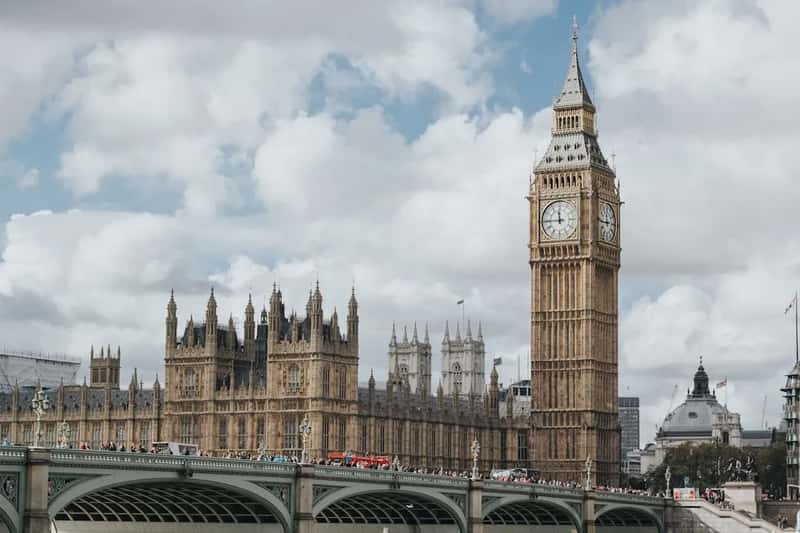
London sits comfortably among the most recognizable city names on Earth, a status backed up by hard numbers rather than just cultural familiarity. Recent arrival data shows the city holding firm near the top of the world rankings, since London ranked third, with 22.7 million visitors[4] according to Euromonitor’s most recent count. That places it just behind Bangkok and Hong Kong among the busiest cities globally by international arrivals.
London’s staying power comes from a mix of historical gravity and modern relevance, from centuries-old landmarks to its role as a financial hub. It remains, according to the same 2025 data, the most visited city in all of Europe by international arrival numbers. Whether someone can locate the United Kingdom on a map is a separate question, but the name London rarely draws a blank stare, even among people who’ve never left their home state.
Istanbul, Turkey
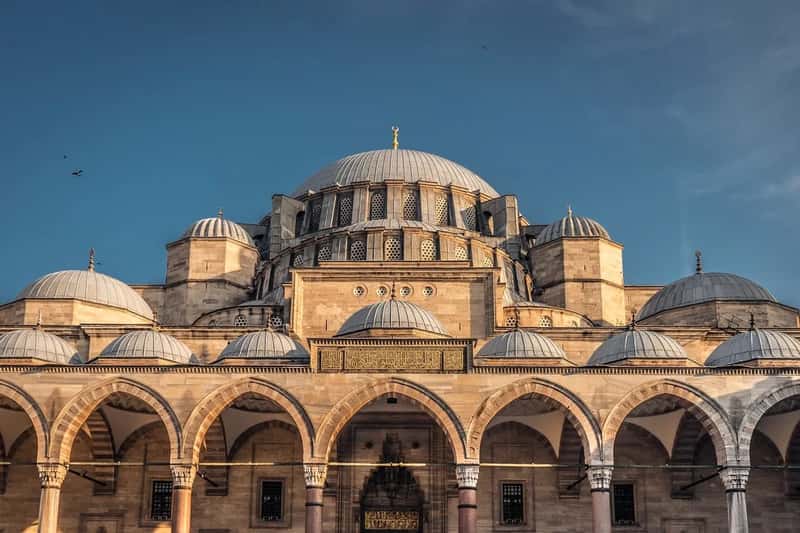
Istanbul often gets left out of casual geography conversations despite being one of the busiest cities on the planet for international visitors. The most recent rankings place it comfortably inside the global top five, noting that Istanbul, Turkey[4] pulled in roughly 19.7 million international arrivals in a single year. That volume puts it ahead of far more commonly cited cities like Rome or Barcelona.
Part of what makes Istanbul tricky for a geography quiz is its unique position straddling two continents, Europe and Asia, split by the Bosphorus Strait. Many people know the name but couldn’t confidently say which country it’s the largest city of, let alone that it isn’t actually Turkey’s capital, that distinction belongs to Ankara. It’s a reminder that raw visitor numbers and public geographic awareness don’t always move together.
Dubai, United Arab Emirates
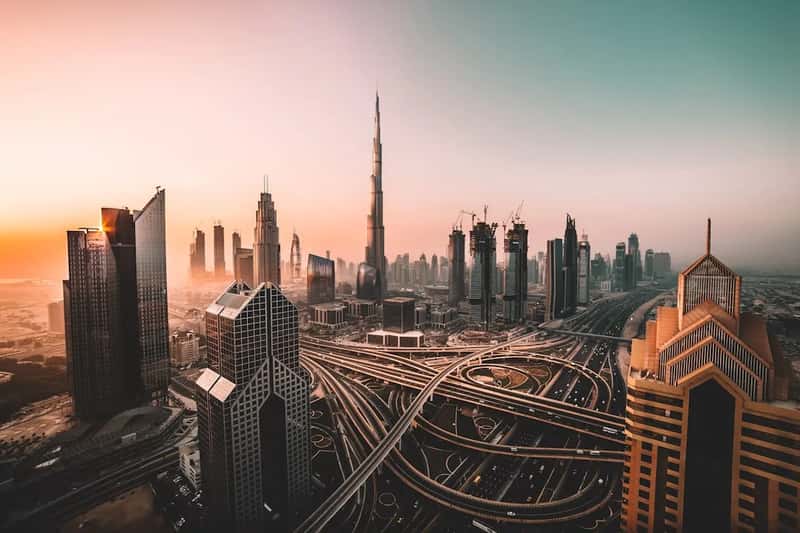
Dubai has built its global reputation almost entirely within the last three decades, transforming from a modest trading port into one of the most photographed skylines in the world. Its tourism numbers now rival cities with centuries of accumulated fame, with recent data showing Dubai, United Arab Emirates[4] drawing approximately 19.5 million international visitors annually.
What makes Dubai an interesting geography test case is how thoroughly its brand outpaces general awareness of its actual location. Plenty of people recognize the name from luxury real estate headlines, record-breaking buildings, and social media influencer content, yet couldn’t necessarily place the United Arab Emirates on a map or explain that Dubai isn’t a country in its own right. It’s a city built largely on image, and that image has clearly worked.
Why This Kind of Quiz Actually Matters
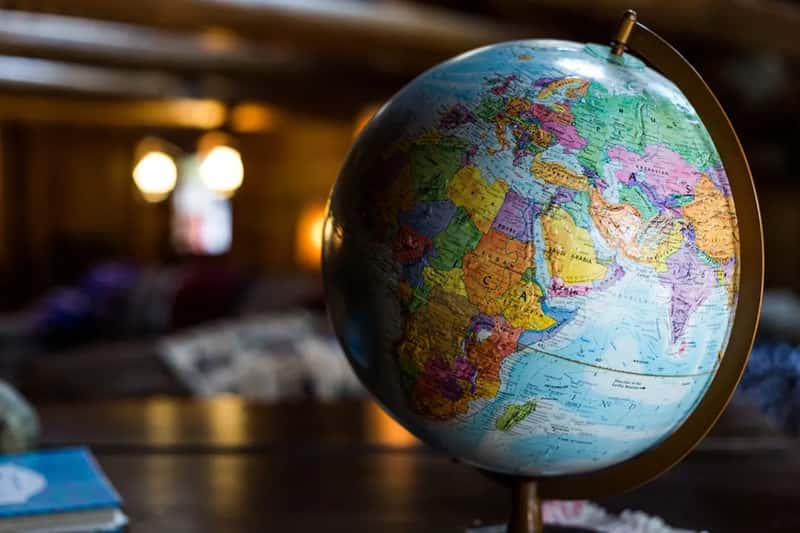
Broader research on American geographic knowledge suggests these gaps in city recognition are part of a wider pattern rather than an isolated quirk. An Ipsos MORI study spanning nearly thirty countries found that the median adult could correctly place just 17 out of 30 countries when given a blank map, or 57%[7]. If country-level knowledge sits around that mark, it’s reasonable to assume city-level recognition, which requires even more specific knowledge, lags further behind for most people.
This isn’t just trivia for its own sake. Earlier National Geographic and Roper research found troubling specifics, noting that in one study, two thirds of Americans between 18 and 24 years of age were unable to find Iraq on a world map, almost half could not identify India, and three quarters could not locate Iran or Israel[8]. Yet there’s a hopeful counterpoint too, since more recent CFR polling found that although adult Americans show limited knowledge about geography and world affairs, seven in ten respondents consider international issues to be relevant to their daily lives and express a desire to promote education in these areas[1]. Curiosity, it turns out, tends to outpace current knowledge, which is exactly the gap a quiz like this one is meant to nudge.
So, how many of these seven cities could you genuinely place on a map without hesitation? If you landed somewhere around five, you’re roughly in line with what broader literacy research suggests is typical. If you cleared all seven with confidence, you’re doing better than most survey respondents on record. Either way, the value isn’t in the score itself, it’s in the reminder that the world is bigger, busier, and more interconnected than any single map in our heads ever fully captures.