Retirement dreams don’t have to collide with reality once you look past the usual suspects like Lisbon, Barcelona, or the French Riviera. Across Europe, dozens of smaller towns offer the same cobblestone charm, mild climates, and rich culture as their famous neighbors, but at a fraction of the price and without the crowds. These are the places where a pension can actually stretch, where neighbors still know your name, and where slow mornings at a local café feel like the whole point of retiring in the first place.
What follows is a tour through eight towns that rarely make the glossy travel magazine covers but consistently show up in cost-of-living data and expat testimonials as genuinely livable, affordable, and calm. Some are coastal, some are tucked into wine country, and a couple sit near mountains or rivers that locals have been enjoying for centuries. None of them will bankrupt a modest retirement income.
Amarante, Portugal
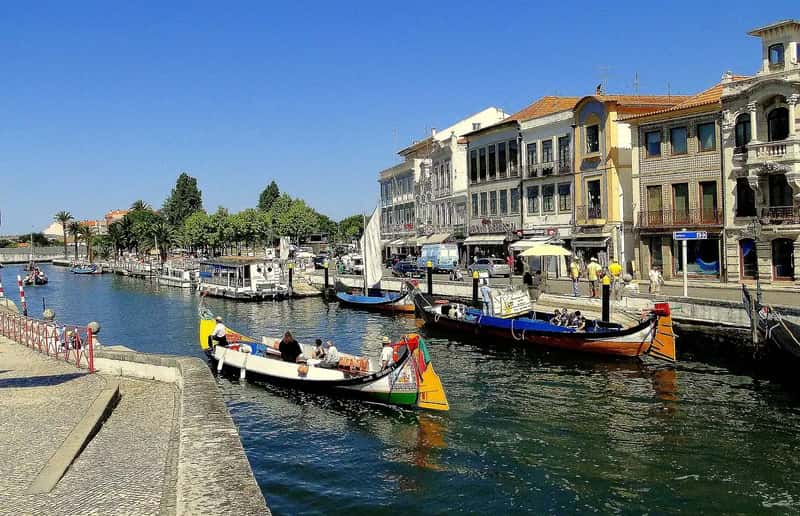
Tucked along the banks of the Tâmega River in northern Portugal, Amarante rarely gets mentioned in the same breath as Porto or the Algarve, yet it delivers a similarly authentic Portuguese lifestyle at a much gentler price. Heading north, Amarante presents a different character entirely, its historic centre stretching along the banks of the Tâmega River, with origins reaching back to the fourth century BC and a distinctly traditional atmosphere that locals describe as “calma.” That sense of unhurried living is part of the appeal for retirees who want scenery without a tourist crush.
Daily life here revolves around small, family-run businesses rather than shopping malls or chain stores. Rather than chain retailers, the streets are lined with family-run bakeries, produce stalls and restaurants serving regional cuisine, while agricultural connections help keep daily expenses in check. For anyone picturing retirement as long river walks followed by a cheap, delicious lunch, Amarante quietly checks every box.
Bragança, Portugal
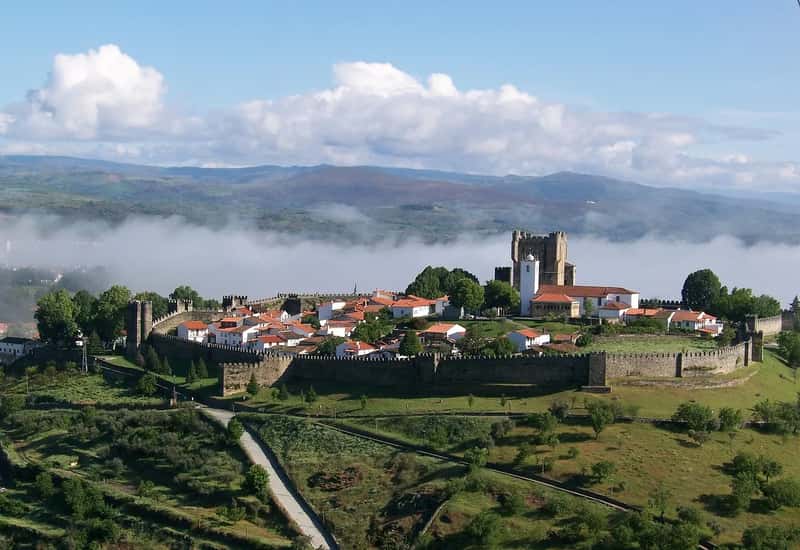
Bragança sits far from the coast, near the Spanish border in Portugal’s mountainous Trás-os-Montes region, which is probably why it stays off most retirement radars despite offering real value. In northern Portugal near the border of Spain, you’ll find Bragança, which offers mountain views, medieval architecture and charming cobbled streets, and is home to around 34,000 people with modern amenities like a shopping mall and private hospital. It’s a rare combination of small-town intimacy and practical infrastructure.
Housing costs are where Bragança really stands out. Furnished apartments are $400-$500 per month, which leaves plenty of room in a modest budget for travel, dining out, or simply saving. International Living has highlighted it as one of the destinations where “a high-quality lifestyle for under $1,500 a month” is genuinely possible for a couple.
Nafplio, Greece
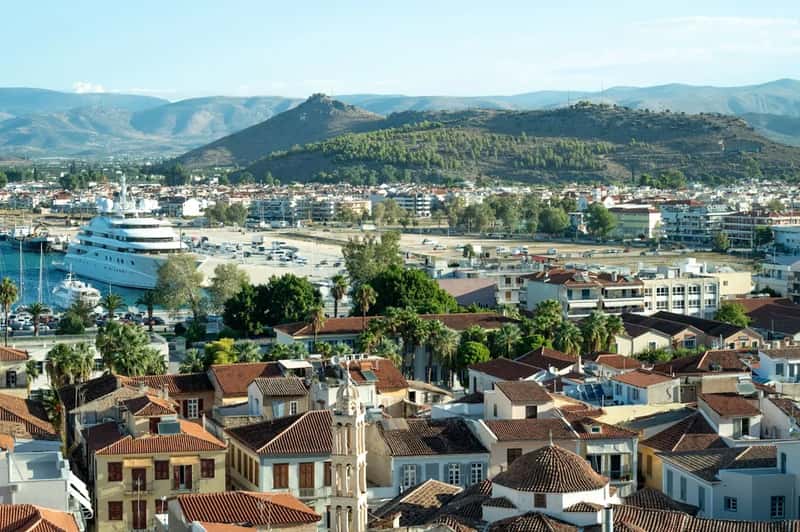
On the Peloponnese peninsula, Nafplio offers Venetian-era architecture and harbor views without the packed ferries and inflated prices of the Greek islands. Nafplio is a captivating destination for tourists and expats alike, offering a blend of history, culture, and natural allure, known for its romantic atmosphere and scenic beauty. Its historical layers run deep, with sites like Palamidi Fortress, Bourtzi Castle, Mycenae, and Epidaurus all within easy reach.
What makes Nafplio particularly appealing for retirees is the way old-world beauty and modern affordability sit side by side. The old town’s Venetian-era architecture, pedestrian lanes, and harbor-front cafés create an atmosphere that feels like a film set, except it’s entirely real and remarkably affordable. Reports suggest a couple could live in Nafplio comfortably on about $1,700 per month, depending on lifestyle choices, which is a fraction of what similar coastal charm would cost in Italy or southern France.
Veliko Tarnovo, Bulgaria
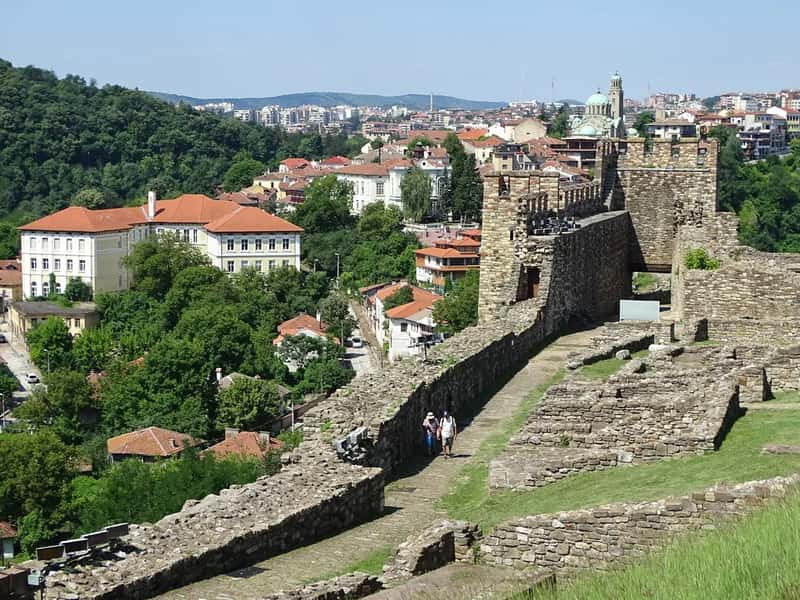
Bulgaria rarely tops anyone’s retirement wish list at first glance, but Veliko Tarnovo changes minds quickly once people see it. Known as the historical and cultural capital of Bulgaria, Veliko Tarnovo is a romantic town sitting on the Yantra River, holding historical significance as the capital of the Second Bulgarian Empire from the 12th to the 14th centuries. The dramatic Tsarevets Fortress still dominates the skyline, giving the town a genuinely storybook feel.
Cost is really where Veliko Tarnovo earns its place on this list. You can live comfortably on €1,200 a month in Sofia or even less in places like Veliko Tarnovo, Burgas, or Plovdiv. Healthcare access is another plus, since the city offers first-rate medical and dental care, with Cherkezov Hospital being the biggest in the region. For non-EU retirees, Bulgaria also offers a dedicated pensioner visa pathway, which simplifies the paperwork considerably.
Bergerac, France
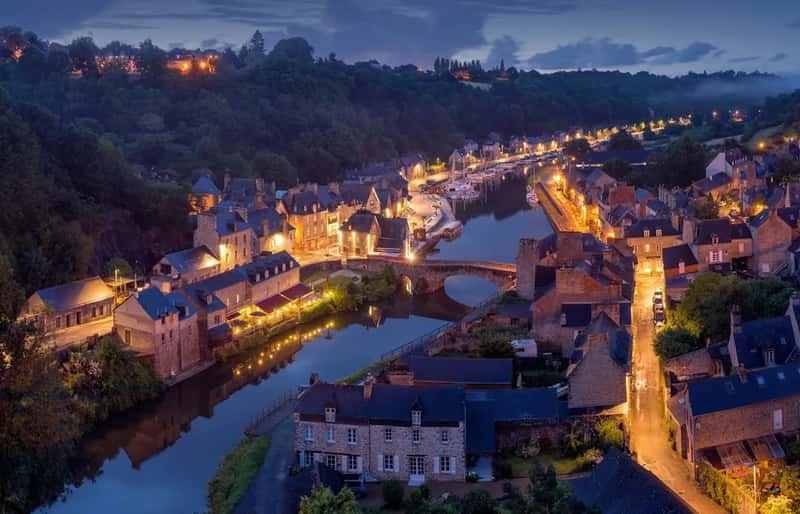
France has a reputation for being an expensive place to retire, but that reputation mostly applies to Paris and the Côte d’Azur. Bergerac, tucked into the Dordogne wine region, tells a different story entirely. Although France might seem out of reach as a retirement destination, the smaller town of Bergerac, with a population less than 30,000, can make it a reality, featuring river views, vineyards and traditional French charm without the high prices of cities like Paris, Nice or Lyon.
The Dordogne has long attracted British retirees specifically for this reason. Britons especially love the Dordogne, which has the second-biggest British expat community after Paris. Realistic monthly budgets bear this out too, since many retired couples can live comfortably on €2,000–€2,500 per month outside major metropolitan areas. Add in France’s respected healthcare system and Bergerac starts to look like one of the best-kept secrets in European retirement.
Policoro, Italy
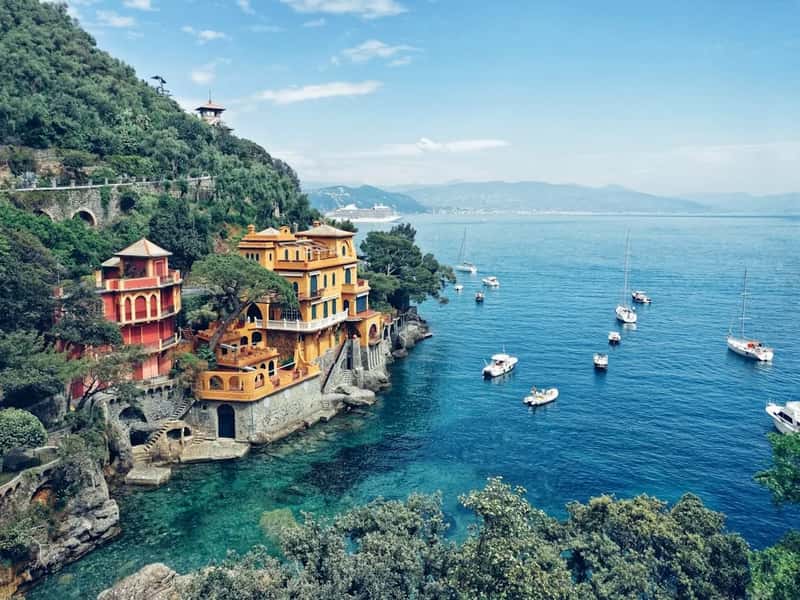
Southern Italy tends to get overshadowed by Tuscany and the Amalfi Coast, but towns like Policoro, on the Ionian Sea in Basilicata, offer beach living at prices that would be unthinkable further north. The cost of living is very affordable, and local markets provide fresh seafood and produce at affordable prices, while despite being a beautiful beach town with splendid scenery, the cost of housing in Policoro is surprisingly low, with penthouse rentals available for just 450 euros per month.
There’s also a notable financial incentive tied to the town’s modest size. Because Policoro has just 17,000 residents, below the 20,000 threshold, residents can benefit from the Special Tax Regime for New Residents in Small Cities and Towns in Southern Italy, paying just a 7% flat income tax rate, one of the lowest in Europe. For retirees with pension income, that single detail can make a meaningful difference over the years.
Piran, Slovenia
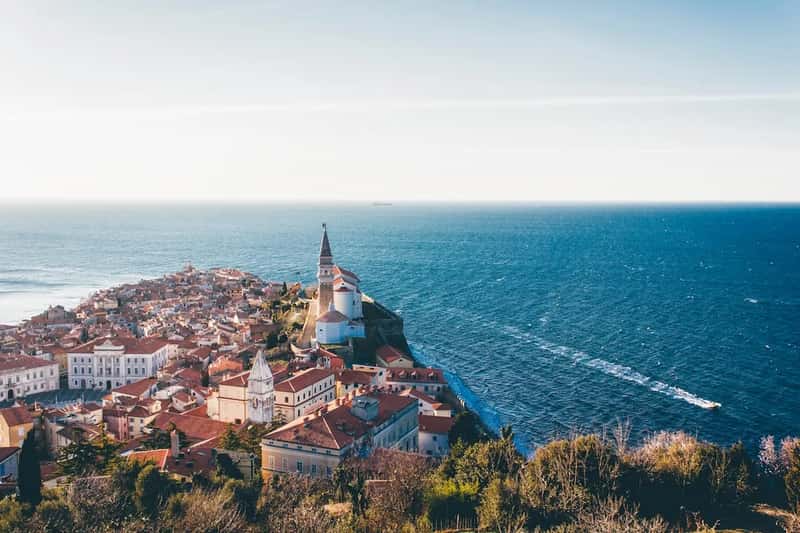
Slovenia rarely gets mentioned alongside Croatia or Italy in retirement conversations, yet the tiny Adriatic town of Piran offers a nearly identical coastal atmosphere with far fewer crowds and lower costs. Piran is a small coastal town on the Adriatic, where Venetian walls and clear sunsets bring calm and style. Its compact size makes it easy to explore entirely on foot, which suits retirees who’d rather not depend on a car.
The town’s social rhythm is built around its narrow lanes and small businesses rather than large resorts or chain restaurants. Narrow streets hold tiny shops and cafes where locals meet, giving newcomers plenty of chances to become regulars rather than tourists. Combined with Slovenia’s EU membership, solid healthcare system, and relatively low cost of living compared to Italy just across the border, Piran offers a rare blend of postcard beauty and everyday practicality.
Tivat and the Montenegrin Coast
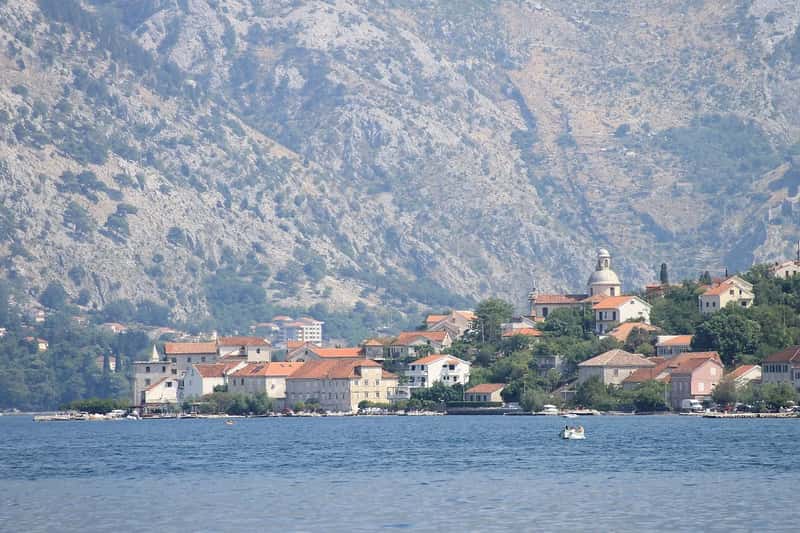
Montenegro has spent years quietly building a reputation among expats as one of the last affordable stretches of Adriatic coastline in Europe. International Living recently flagged it as a rising destination, noting that “if you’re dreaming of retiring somewhere that’s as affordable as it is beautiful, Montenegro might just be your perfect match,” with its breathtaking landscapes, charming seaside towns, and rugged mountains offering a unique blend of nature and culture while keeping costs low.
Tivat, in particular, benefits from strong transport links alongside its low prices. The expat community in Montenegro is growing quickly thanks to all that affordability, with seaside apartment rentals starting at around $450 per month, and in hubs like Tivat, studios are available for purchase for about $100,000. Day-to-day expenses also compare favorably to nearby countries, since groceries run about 40 percent cheaper than nearby European hot spots like Italy and France, making it realistic to live well on a modest fixed income.