Japan doesn’t really have a bad time to visit, not in the way some destinations do. What it has instead is a calendar full of trade offs: gorgeous scenery paired with crowds, quiet temples paired with grey skies, cheap flights paired with sweat soaked shirts. Figuring out when to go depends less on finding a “perfect” month and more on knowing what each one actually delivers, and which one tends to disappoint even seasoned travelers.
Spring and the Cherry Blossom Rush
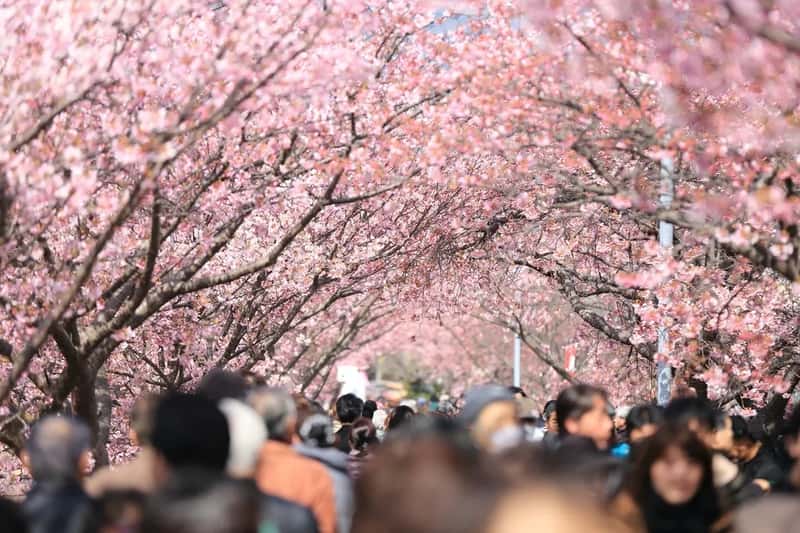
Spring gets the most attention for good reason. Most people vote that the best times to visit Japan are spring and autumn, when the weather is clear and pleasant and the scenery is at its best with cherry blossoms in spring and vibrant autumn leaves in fall. April in particular is often considered the best time to visit Japan because the cherry blossoms are in bloom and the weather is pleasantly mild.
Timing the bloom itself is trickier than it sounds. Tokyo’s peak generally falls between March 25 and April 5, but can vary by up to ten days in either direction depending on the winter. Just as the blossoms fade, the country tips straight into one of its busiest holiday stretches, so travelers chasing sakura should expect packed trains and premium hotel rates right alongside the pink trees.
May: The Underrated Sweet Spot
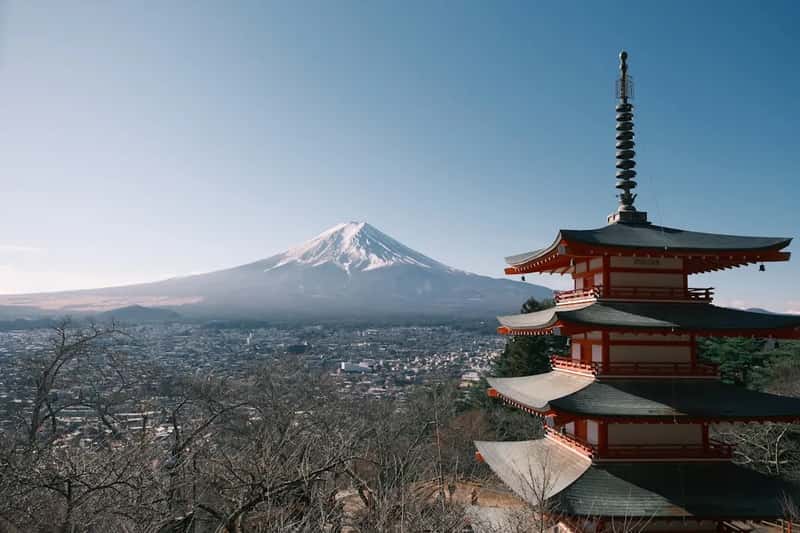
Once Golden Week clears out, May quietly becomes one of the best months on the calendar. The weather in May is pleasantly warm and usually dry, and the vegetation is green and vibrant. The remainder of May is one of the best times for visiting Japan, as the vegetation has become lush, the temperatures are still comfortable, and tourist spots tend to be relatively uncrowded.
There’s a reason travel writers keep returning to this window. Mid to late May, after roughly May 7, offers excellent conditions with warm weather, green landscapes, and dramatically fewer tourists than April. The one exception is Okinawa, where May is already the rainy season, so beach plans further south need a separate calendar entirely.
June and the Arrival of Tsuyu
June is when most of the country enters tsuyu, Japan’s plum rain season. In most of Japan, the rainy season lasts from the beginning of June to mid July, while it affects the islands of Okinawa about one month earlier, and only Hokkaido and the Ogasawara Islands get less affected by it. It’s not a washout month, though; the probability of rain on a given day in Tokyo is around 45% during the peak of the rainy season, while the probability of sunny weather is 27%.
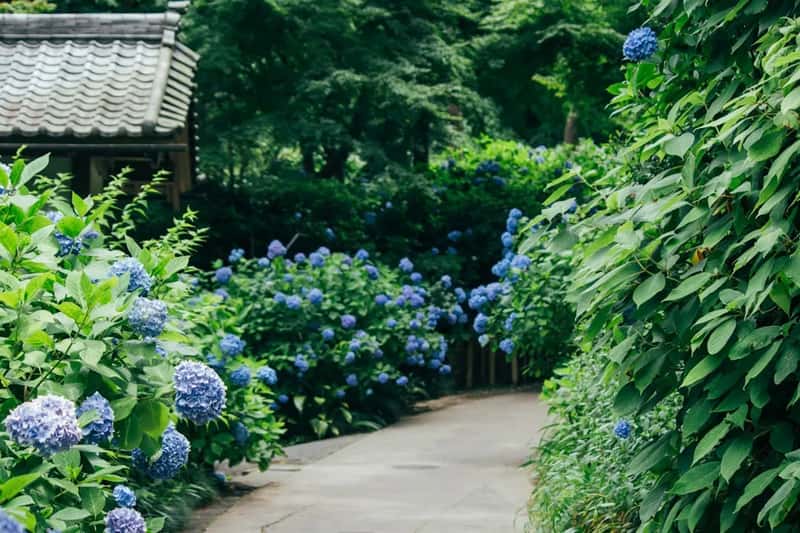
Travelers who dislike grey skies have an easy workaround. Hokkaido is an attractive destination in June as it is least affected by the rainy season. For everyone else, the upside is botanical: the hydrangea is the representative flower of the rainy season, as its blooming season coincides with it, turning temple gardens into something worth photographing even under cloud cover.
July: Heat, Festivals, and Fuji Season
Tsuyu doesn’t linger forever. The rainy season typically ends in the first half of July, after which it becomes hot and humid in most of Japan, with just standing outdoors enough to make you sweat. The trade off is that this is when Japan really comes alive with events, including the country’s most famous summer celebration.
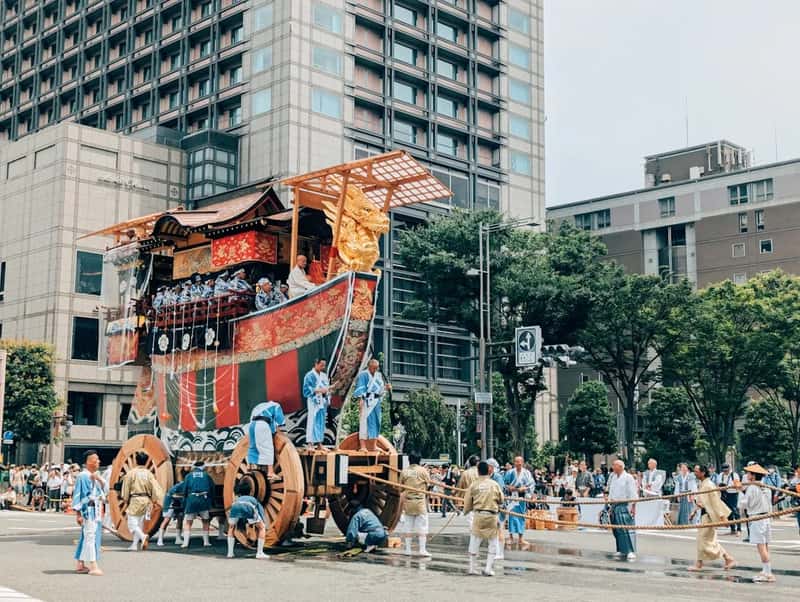
The Gion Matsuri in July is one of Japan’s most lively celebrations, filling Kyoto’s streets with floats and crowds for weeks. It’s also mountain season: July is one of the best months to climb Mount Fuji, a hike which is only possible during the more favorable conditions of the warmer months.
August: The Peak of Heat and Crowds
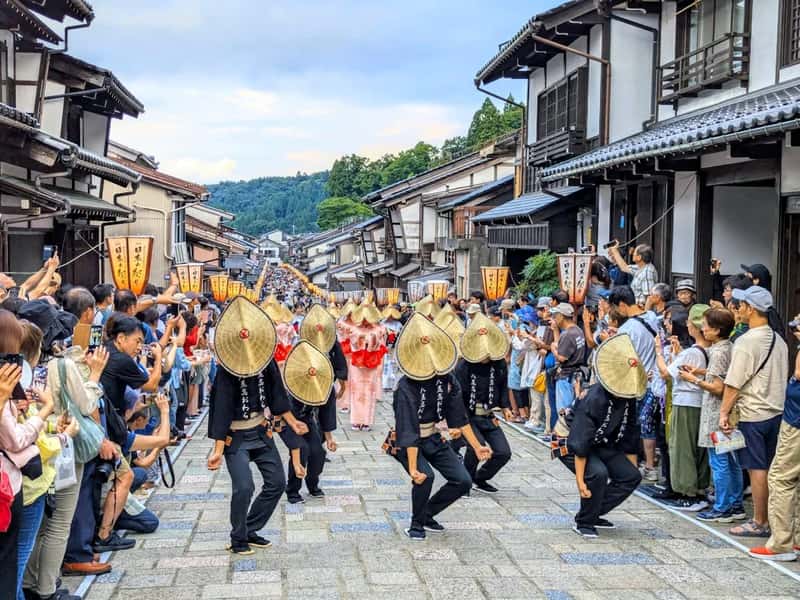
August rarely lets up on the heat. August is hot and humid in most of Japan, and domestic travel adds another layer of pressure on hotels and trains. With the summer school holidays from late July through August, domestic travel activity increases considerably, largely tied to the Obon holiday when families travel to visit ancestral graves.
There is a cooler option if the mainland heat feels like too much. Conditions are more comfortable in higher elevations and in Hokkaido, a highly popular destination among outdoor lovers during the summer months. Just be aware that this is also the point where typhoon season starts winding up, a theme that carries straight into the following month.
Autumn Foliage in October and November
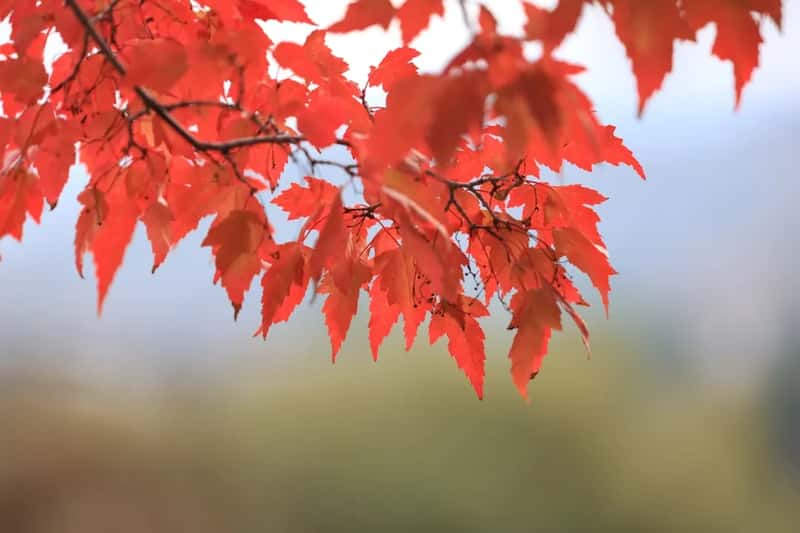
Autumn tends to sneak up on first time visitors who assume spring is the only headline season. October is one of the most pleasant months for traveling in Japan as the weather remains warm, but is not hot and humid anymore. By November, the weather is relatively dry and mild, and the autumn colors are spectacular in many parts of the country.
Compared with cherry blossom season, autumn feels calmer. Fall rivals spring as the best time to visit Japan, offering cooler weather and stunning autumn colors, with slightly fewer crowds. Travel activity tends to be low except around popular autumn leaf spots, which makes it easier to actually enjoy the temples and gardens instead of just photographing the backs of other visitors’ heads.
Winter’s Quiet Charm, December Through February
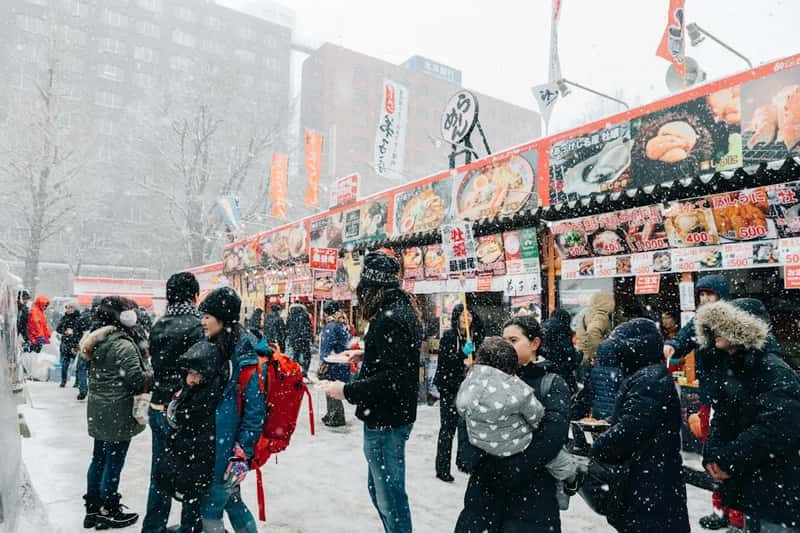
Winter doesn’t get nearly enough credit. December is a good month for traveling thanks to generally dry weather conditions, and things get even quieter once the New Year rush passes. January and February are the closest Japan gets to a true low season in major tourist areas, with prices for hotels and flights at their lowest of the year.
The north turns into a completely different destination this time of year. Hokkaido becomes full winter, with temperatures around minus 10 degrees Celsius in Sapporo, world class powder skiing in Niseko and Furano, and snow monsters at Zao Onsen. Down in Sapporo itself, the Sapporo Snow Festival in early February features massive snow sculptures, concerts, winter sports, and local Hokkaido food stalls.
Golden Week and the Holidays Worth Avoiding
Some dates are worth circling on the calendar simply to steer clear of them. Golden Week is Japan’s longest holiday period, running from late April to early May, and in 2026 it falls approximately from April 29 to May 6. For most first time visitors, avoiding Golden Week is wise since it turns even quiet countryside towns into bottlenecks of domestic travelers.
It isn’t the only holiday that fills trains and hotels. Obon in mid August and the New Year holiday also fill trains and hotels, while ski season can make Hokkaido and the Japanese Alps expensive from January through February. New Year is one of Japan’s three major travel seasons with intensive domestic and international travel activity, and many shops and restaurants simply close for a few days regardless of what visitors had planned.
Regional Timing: Hokkaido Versus Okinawa
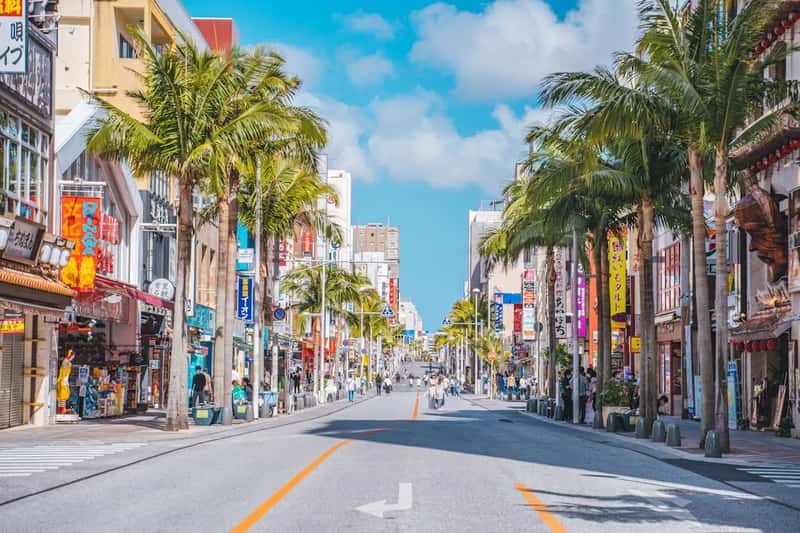
Japan’s north and south operate on almost separate climate calendars, which is easy to forget when reading a single national forecast. Hokkaido is the cooler, wilder counterpart to mainland Japan. If you visit in July, it can be sweltering in Tokyo at around 32 degrees Celsius, while Hokkaido remains a more pleasant 21 degrees Celsius.
Okinawa runs on the opposite extreme, both in climate and in season timing. As Japan’s southernmost prefectures, Okinawa and Kyushu’s Kagoshima are the first to experience tsuyu, typically starting in mid May and lasting until late June. That earlier rainy season also means Okinawa offers winter beach weather when mainland freezes, making it a genuine cold season escape for travelers willing to fly further south.
The Month You Should Avoid: September
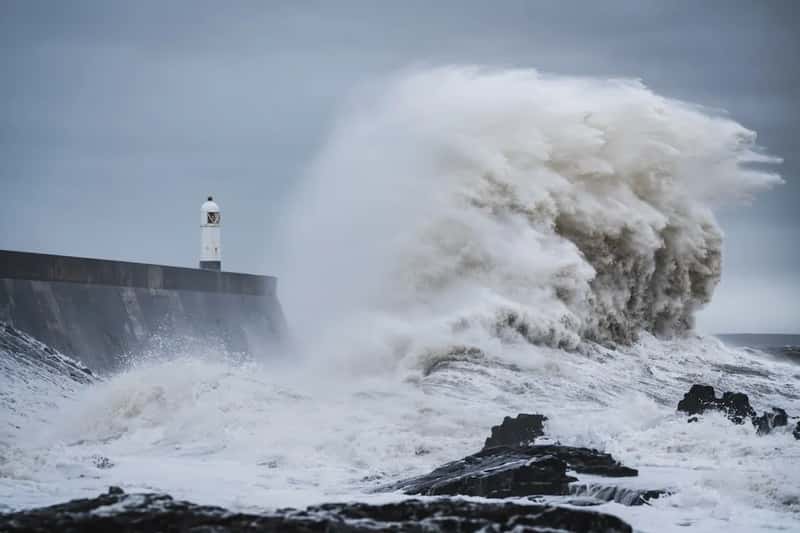
If one month deserves a genuine warning label, it’s September. The typhoon season reaches its peak in August and September, and typhoon season runs from August through October, with peak risk in September. Unlike the gentle drizzle of tsuyu back in June, these storms carry real disruption potential.
The practical impact is what makes September particularly frustrating to plan around. Typhoons can disrupt entire travel itineraries, grounding flights and halting bullet trains with little warning, and typhoons usually hit the coasts of Okinawa, Kyushu and Shikoku and cause strong rain and wind in wide parts or all of Japan for about two days. On top of the storm risk, the weather in September can still be hot and humid, meaning travelers get neither the reliability of typhoon free months nor the cooling relief of autumn, just the tail end of summer heat with an added layer of unpredictability.
Final Thoughts
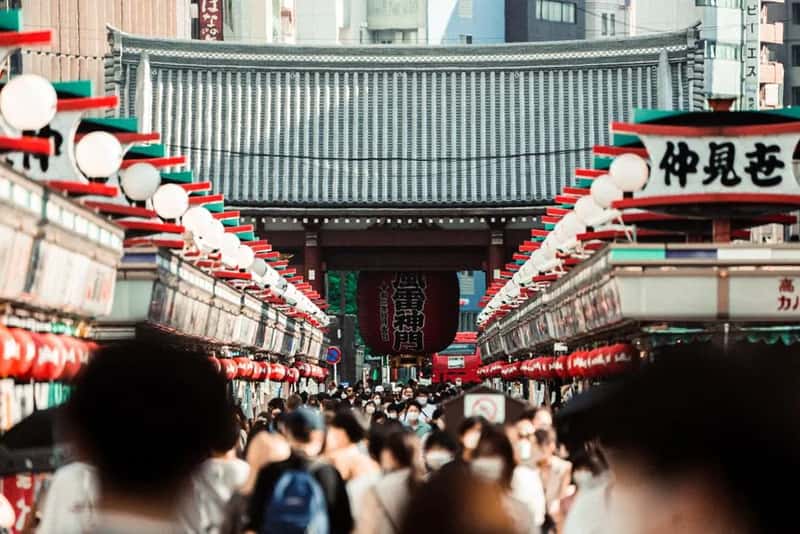
There’s no single correct answer to when Japan is “best,” since the country reshapes itself completely between January and December. Spring and autumn will always draw the biggest crowds for good reason, while quieter months like May, November, or even the cooler stretches of winter reward travelers willing to skip the obvious headline seasons. September stands out as the one stretch worth genuine caution, not because Japan becomes unpleasant, but because typhoon risk adds a layer of unpredictability that no amount of packing or planning can fully offset.