Mexico doesn’t really have a single “best” season so much as a patchwork of climates that shift depending on where you’re standing. A beach day in Cancun can look nothing like a chilly evening in the mountains around Mexico City, even if both happen on the same afternoon in January. Figuring out when to go, and just as importantly, when to steer clear, means understanding how the country’s geography, ocean currents, and storm patterns actually behave throughout the year.
Mexico’s two main seasons: dry versus rainy
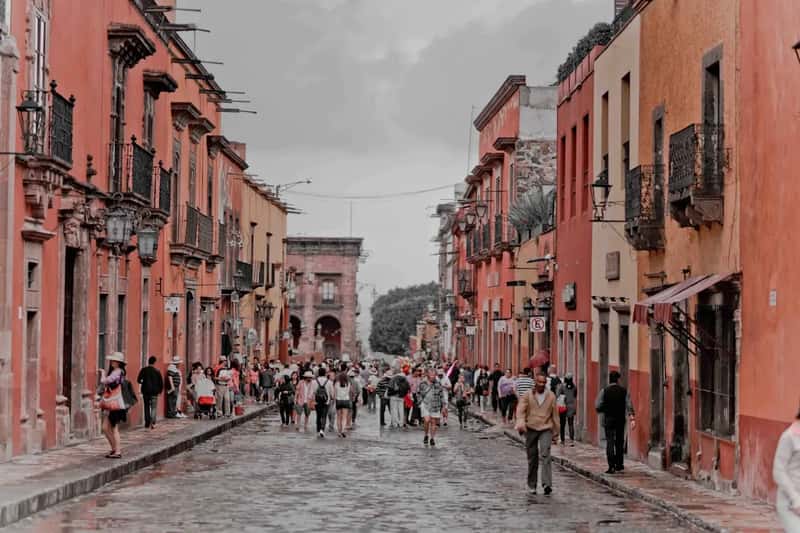
Mexico’s climate calendar boils down to two broad stretches. Due to its position on the Tropic of Cancer, Mexico experiences two distinct seasons, the rainy season from May to October and the dry season from November through April. That single fact underpins almost every other piece of travel advice you’ll come across for this country.
The dry season tends to bring the clearest skies and the most predictable weather across the coasts and central highlands alike. The dry season between November and April is when the weather is at its sunniest and driest, ideal for enjoying golden beaches, lush mountains, colonial towns, and ancient Mayan ruins. The rainy months aren’t washouts, though. They just bring a different kind of day, usually sunny mornings followed by a burst of rain in the afternoon.
Why November through April is the sweet spot
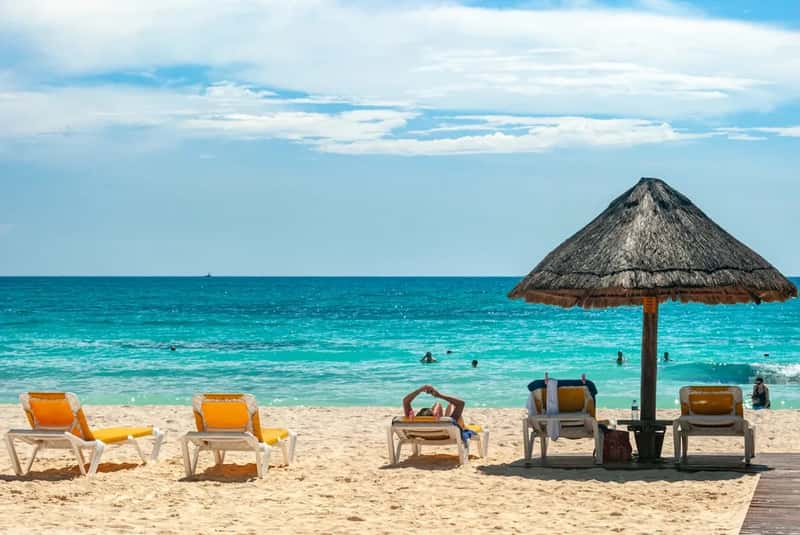
If you ask most seasoned Mexico travelers for a straightforward answer, they’ll point to this six month window. Most travelers still prefer November through April, when dry weather and calm seas make the coasts most predictable, but that window also brings the highest prices and the biggest crowds nationwide. It’s the stretch when Baja’s whale lagoons fill up, when the Yucatan’s ruins are easiest to explore without melting in the heat, and when coastal storms are essentially off the table.
November itself often gets singled out as close to ideal. November is arguably the best overall month to visit Mexico, since the weather is dry and pleasant, hurricane season ends, and you can witness Día de los Muertos. Prices haven’t yet spiked to holiday levels, and the crowds that show up in December are still a few weeks away.
December and January: cool, dry, and crowded

December brings some of the most reliable weather of the year, but it comes at a cost. Early December offers a quiet sweet spot before the holiday rush begins, though from mid-December onward, prices skyrocket as winter tourists flood the beaches. If your schedule allows flexibility, booking the first half of the month rather than the Christmas and New Year stretch can make a noticeable difference in both cost and crowd size.
January settles into a calmer rhythm once the holiday travelers head home. January is one of the best months of the year to visit Mexico, sitting in the heart of the dry season but not quite as busy as December or February when people travel during school holidays. It’s also prime time for wildlife watchers, since the whale season along Baja California is well underway by then.
Spring break season: March and April

By March, the weather across most of the country is close to flawless, which is exactly the problem. From around March the cruise crowds and hedonistic spring breakers can make it advisable to give some parts of the coast a miss, especially Cancun, and move further inland for Mayan ruins and Monarch butterflies. Anyone hoping for a quieter beach experience might want to look at destinations further from the typical spring break circuit.
April tends to run a bit warmer as the dry season nears its end. Temperatures start rising significantly inland and on the coasts, and in 2026 travelers can expect massive domestic travel surges during Semana Santa early in the month. Booking accommodations well ahead of the Easter holiday period is worth the effort if you’re set on this timeframe.
The shoulder months: May and June
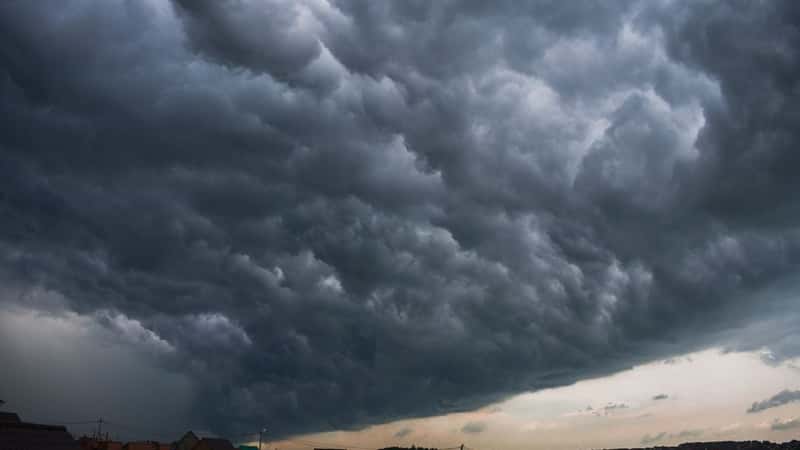
May marks a genuine transition point, and it’s a favorite among budget conscious travelers who don’t mind a little unpredictability. May is the transition month where the heat peaks and the rainy season begins in the south, making it great for scoring shoulder-season hotel deals before summer fully starts. The rains haven’t fully arrived everywhere yet, so plenty of days still feel dry and sunny.
June brings the first real rains along with a noticeable thinning of the tourist crowds. June marks the start of consistent afternoon rains across the country, as the landscape begins turning green and international tourist crowds thin out considerably. It’s also technically the opening of hurricane season, though June itself rarely produces the kind of storms that disrupt travel plans.
Hurricane season basics: what travelers need to know

Mexico effectively deals with two separate hurricane seasons at once, one for each coastline. The official hurricane season for the Atlantic basin runs from June 1 to November 30, while the eastern Pacific basin’s official season runs from May 15 to November 30. That means the Pacific side, home to Puerto Vallarta and Los Cabos, technically enters storm season a couple of weeks before the Caribbean coast does.
September: the month you should avoid

If there’s one month that consistently earns a warning label from nearly every source on Mexico travel, it’s September. September is peak hurricane season and the rainiest month nationwide, which is when you will find rock-bottom prices, but coastal trips come with high weather risks. The Yucatan Peninsula and Baja California tend to see the heaviest rainfall of the entire year during this stretch.
The statistics back up the reputation. The hurricane season reaches maximum activity in September for both the Atlantic and Pacific coasts of the country. Add in the fact that the peak months for tropical storms are August and September, and it becomes clear why anyone with a beach vacation in mind on the coast should think twice about booking this particular month, especially in Quintana Roo or along the southern Pacific shoreline. Inland cities like Oaxaca and Mexico City largely escape the storm risk, so September isn’t a total write off if you’re flexible about your itinerary.
Regional differences: Caribbean coast, Pacific coast, and the highlands

Treating Mexico as a single climate zone is one of the more common planning mistakes travelers make. The Caribbean coast around Cancun and Tulum faces Atlantic storms and seasonal sargassum, the Pacific coast around Puerto Vallarta and Cabo follows its own storm pattern starting in May, Mexico City stays mild and dry from November through February, and Baja California stays desert-dry nearly year-round. A single weather forecast simply doesn’t apply nationwide.
The seaweed issue on the Caribbean side deserves its own mention, since it affects the beach experience independent of hurricanes. Along the Caribbean coast, December to March offers the most relief with cooler breezes and lower humidity, and this window is also the best time to avoid the influx of sargassum seaweed that typically piles up on these beaches from spring through late summer. Meanwhile, the Pacific Coast around Puerto Vallarta, the Oaxaca Coast, and Sayulita boasts near-perfect, dry weather from November through May, making it a highly reliable winter escape.
Best months for wildlife and nature lovers
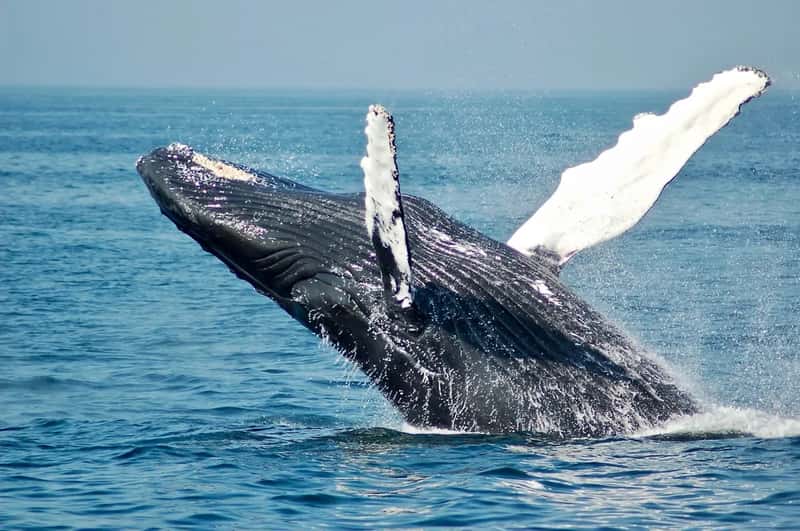
Anyone planning a trip around animal encounters rather than beach lounging has a fairly narrow but rewarding window. Nature lovers should circle January through March on their calendars, since this is the absolute best time for whale watching in Baja California as thousands of whales migrate to the warm lagoons to give birth, and it’s also the prime window to witness the massive monarch butterfly migration in the central highlands. Few other places in the world let you pair marine giants and delicate butterflies in the same season.
The summer months offer their own version of wildlife tourism, just underwater rather than on land. July is one of the best months to see nesting and hatching sea turtles and to spot whale sharks in the waters of the Mayan Riviera. It’s a reasonable trade off for travelers who don’t mind a bit of afternoon rain in exchange for calmer crowds and lower rates.
Cultural festivals worth timing your trip around
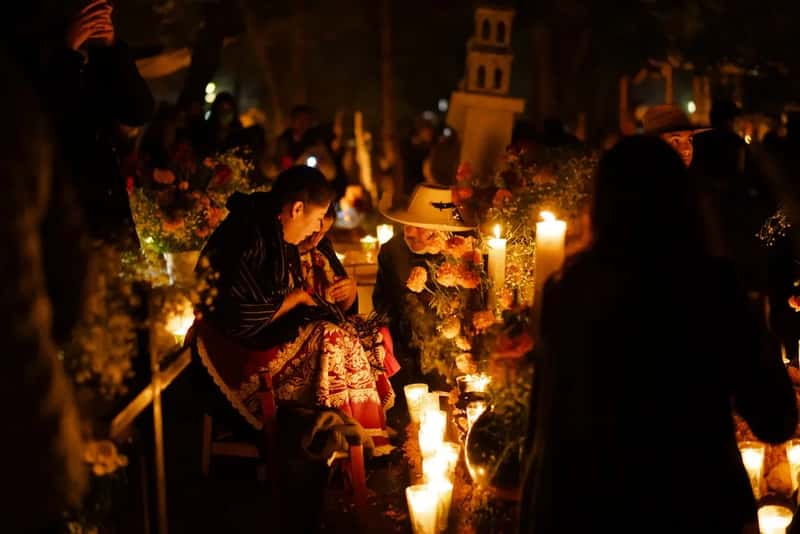
Mexico’s calendar is dotted with celebrations that can turn an ordinary trip into something memorable, provided you plan around them rather than stumbling into them by accident. Independence Day festivities fall in mid-September, and Mexico celebrates its Independence Day with crowds across the country gathering to eat, drink, dance, and shout Viva Mexico while enjoying military parades and firework shows on the 15th and 16th. Día de los Muertos in early November brings an entirely different atmosphere, blending solemn remembrance with color and music in cities across the central and southern regions.
Smaller regional festivals add texture to the calendar as well, particularly in the south. The Guelaguetza Festival in Oaxaca takes place during the last two Mondays in July, drawing dancers and musicians from across the state’s varied indigenous communities. For travelers who care more about cultural immersion than beach weather, building an itinerary around one of these events can be more rewarding than chasing the driest possible forecast.
Planning around your priorities

The honest takeaway is that Mexico rarely gives you a single perfect month that checks every box at once. Chasing dry beach weather points you toward December through April, chasing lower prices points you toward the shoulder months of May, June, or October, and chasing wildlife or festivals points you somewhere else entirely. September remains the one stretch worth genuine caution, given its combination of peak rainfall and peak storm activity on both coasts, but even that month can work for inland trips if you’re willing to skip the beach for now and come back another time.