Walk into any major city these days and the smell of fries or fried chicken is never far away. Yet zoom out to a global map and the picture gets a lot more uneven than most people assume. Some nations have turned quick-service meals into a daily habit worth hundreds of billions of dollars, while others have barely let the golden arches through the front door.
Looking at where things stand heading into 2026, the gap between the biggest fast food consumers and the most resistant countries has only grown sharper. Market data, government surveys, and consumer research all point to a world split between convenience-driven habits and stubborn culinary traditions.
United States: The Undisputed Global Leader
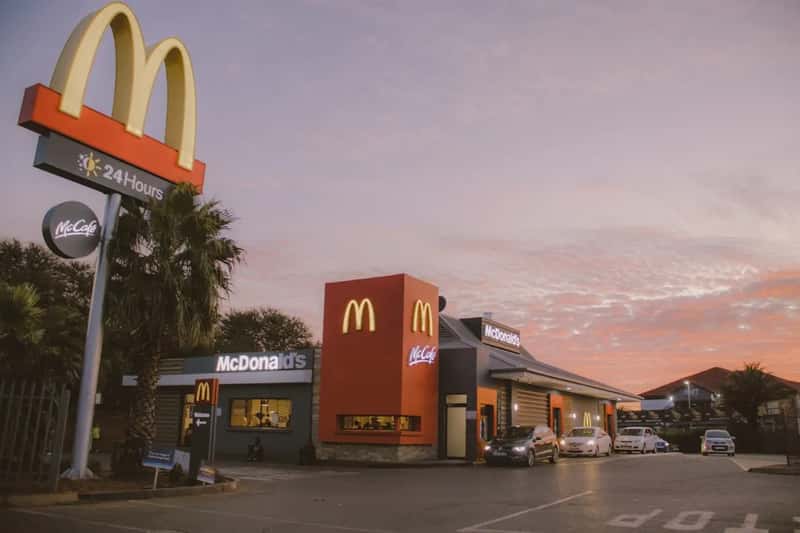
No country comes close to matching American fast food habits, and the numbers back that up clearly. As of June 2024, America’s fast food industry was valued at around $331.4 billion, representing a little over one-third of the global fast food market. Individuals indulge one to three times per week, contributing to an annual expenditure of $160 billion, with 37% of American adults consuming fast food daily and 83% of households doing so weekly.
The chains themselves keep breaking their own records. According to McDonald’s Q1 2026 earnings report, the burger chain had over $34 billion in systemwide sales from all of its restaurants, an 11% increase over the same period in 2025. Interestingly, the crown for biggest global chain no longer belongs to McDonald’s. McDonald’s may be the biggest fast food chain in the U.S., but it no longer holds the global crown, as that title belongs to China-based Mixue Ice Cream and Tea, which had grown to 45,000 locations worldwide by 2025, compared with McDonald’s more than 44,000.
United Kingdom: A Nation Built on Takeaways

Britain’s reputation for pub food and afternoon tea hides a very different reality on the ground. The United Kingdom is second only to the United States in fast food consumption, which may surprise those who associate Britain primarily with traditional pub meals and afternoon tea. Part of that comes down to sheer volume, with the UK holding the second spot with 46,200 fast food chains.
The financial scale is striking too. The UK fast food market reached £40.5 billion in 2025, recording year-on-year growth of 5.7% that outpaced inflation. According to a report by the UK Food Standards Agency in 2024, the average British citizen spends around 1,800 pounds per year on takeaway food, with more than 45 thousand fast food outlets across the country and London alone home to more than 8,000.
Canada: A Habit That Runs Surprisingly Deep
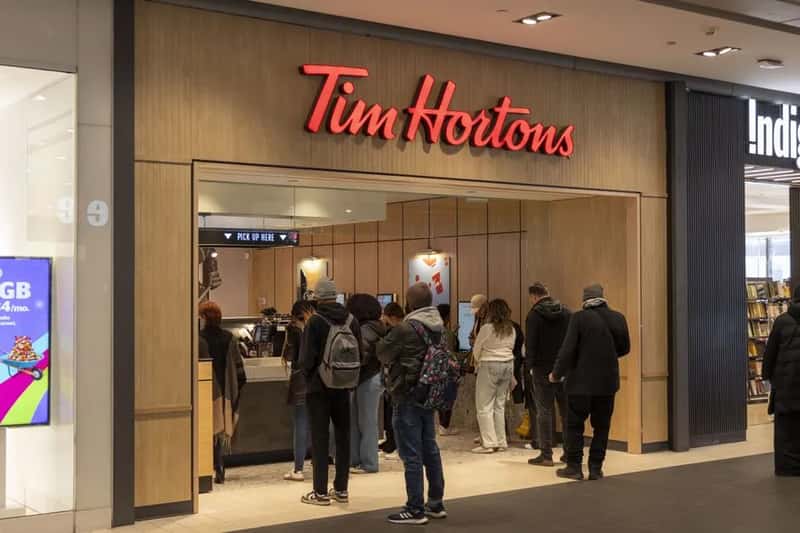
Canada’s health-conscious image doesn’t quite match its actual eating habits. Canadians might seem health-conscious, but they rank third globally in fast food consumption, with the average Canadian visiting fast food restaurants 150 times yearly and spending over $1,200 on quick meals. Cold winters seem to play a role too, pushing people toward quick, warm meals rather than cooking from scratch.
The industry behind those habits is massive. Canada employs more than 400,000 people within this lucrative industry, with an estimated 30% of Canadians having worked in the fast food industry at some point. The Canadian fast food industry’s value reached $27 billion in 2021, with Tim Hortons and McDonald’s dominating the landscape alongside various bakery chains.
France: Fast Food Overtakes the Dinner Table
Few countries have seen a more dramatic culinary shift than France. Fast food captured a 55% market share of the French foodservice sector in 2023, officially overtaking traditional restaurant dining for the first time. More than half of French households now regularly enjoy fast food, a remarkable figure for a country that built its international identity on slow, deliberate dining.
McDonald’s, known locally as McDo, is central to this story. McDonald’s leads the market with 1,560 outlets nationwide, and in 2026 the company plans to open 50 new restaurants, primarily targeting rural areas, with the ambitious goal of ensuring every French resident has a McDonald’s within a 20-minute drive. The overall market reflects that ambition, with steady growth projected through the rest of the decade.
China: Scale Unlike Anywhere Else
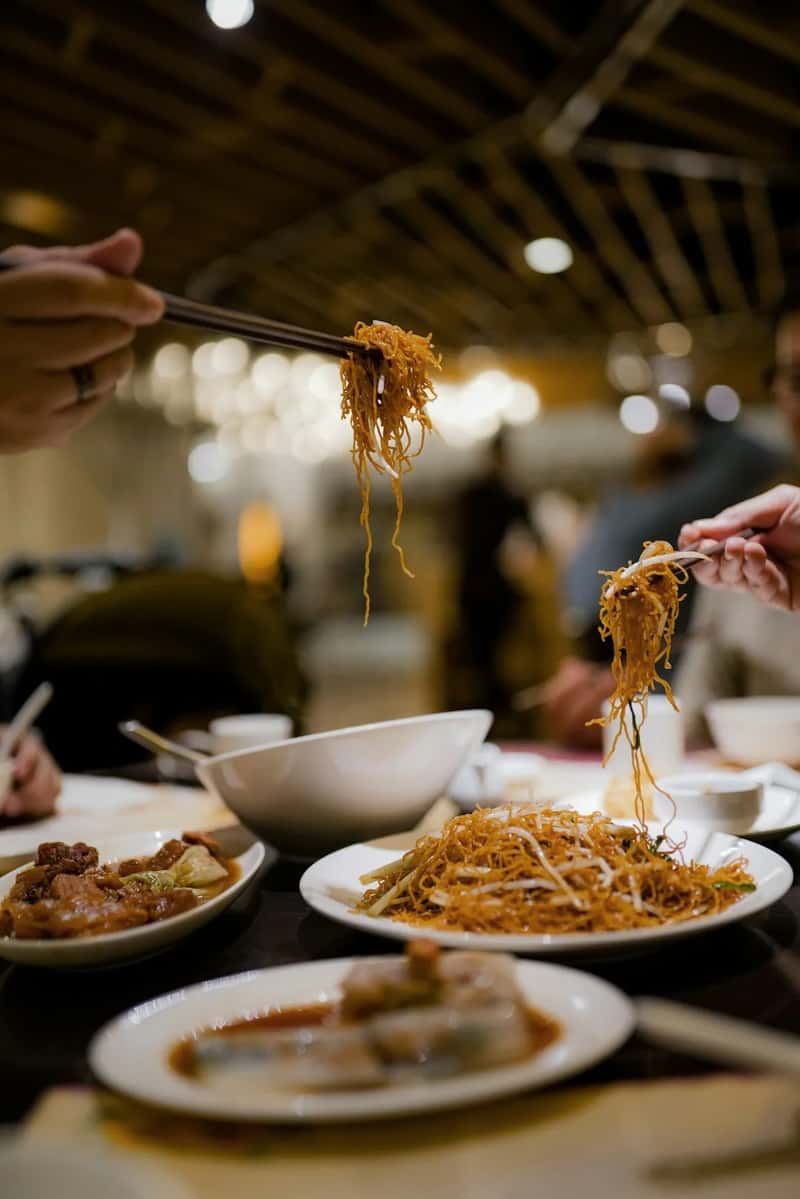
China’s fast food boom is less about culture shifting overnight and more about sheer population size meeting rapid urbanization. China’s fast food consumption is remarkably high, with 97% of the population partaking and 41% eating fast food at least once a week, driven by busy lifestyles. The Chinese fast food industry generated $162.2 billion in 2021, cementing its position as the dominant force in Asian food markets.
Global chains have noticed. In first place, beating the U.S. and all of Europe, which accounted for 13% of system sales, is China, with 26% of KFC’s total system sales for the quarter. That single statistic says a lot about where the industry’s growth is actually coming from these days, and it isn’t North America anymore.
Germany: Currywurst Meets the Golden Arches
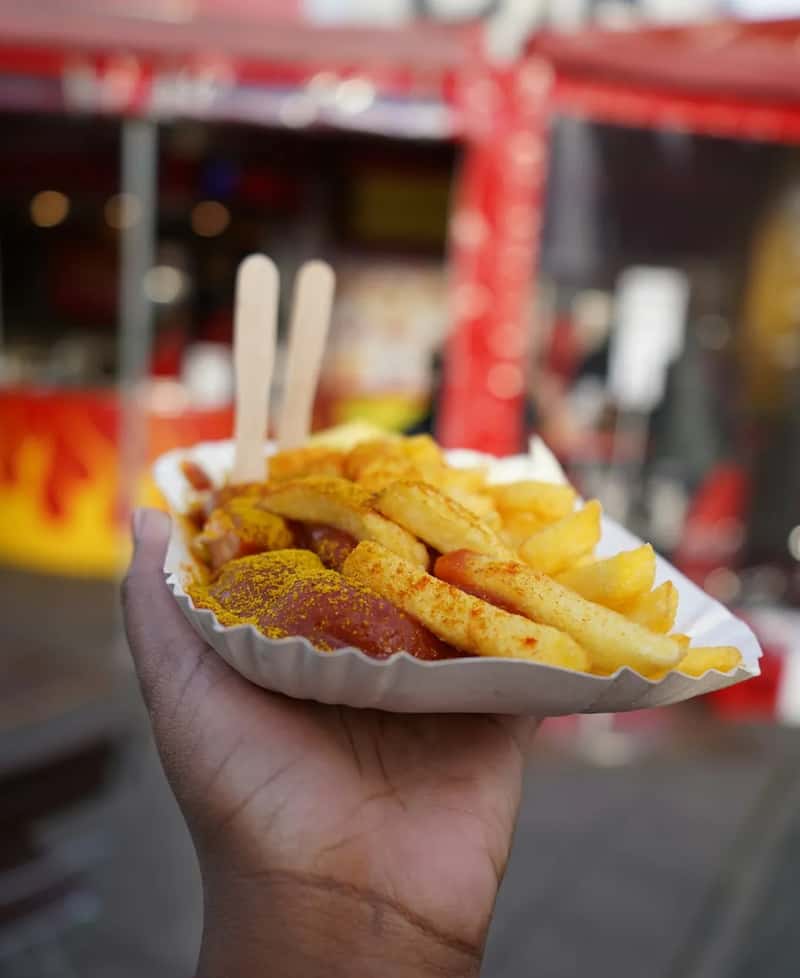
German eating habits sit somewhere between efficiency and tradition. German citizens eat fast food on average twice per week according to a study from the German Nutrition Society in 2024, as an efficient and practical lifestyle makes fast food a time-saving solution. Local staples like currywurst and döner kebab still hold their ground against international brands rather than being pushed aside entirely.
Spending has climbed noticeably in recent years. German spending on fast food reached 15 billion euros in 2024, representing a 12% increase compared to the previous year. Germany also boasts a diverse restaurant scene, which comprised a total of around 70,619 establishments in 2019, keeping the market highly competitive.
South Korea: Fast Growth, Moderate Frequency
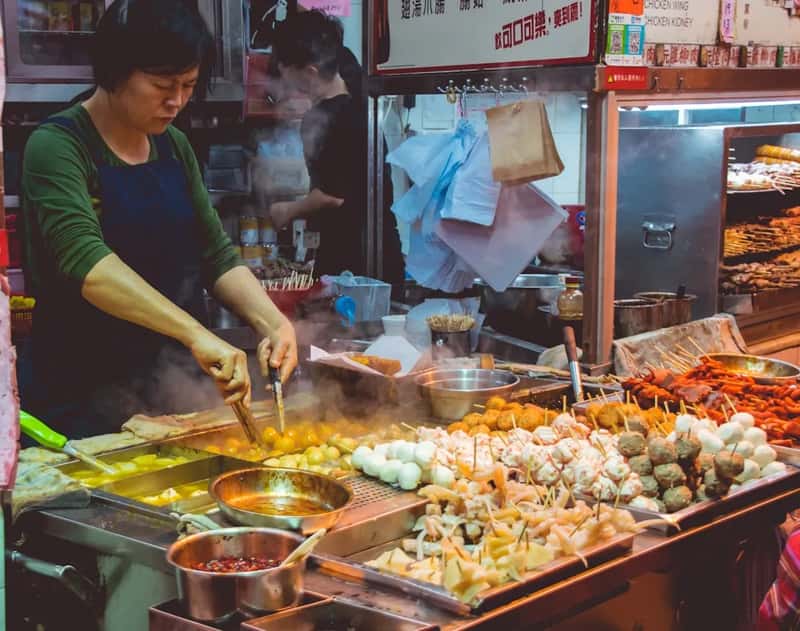
South Korea is a genuinely mixed case, and that’s worth sitting with for a moment. On one hand, South Korea has embraced fast food culture enthusiastically, with the market growing 15% annually since 2016. Delivery culture has taken over much of daily life there, with mobile ordering dominating the Korean fast food landscape, with over 68% of orders placed via apps.
Yet actual eating frequency tells a more restrained story. Despite having a developed economy and fast city life, fast food consumption in South Korea remains low at less than once per week, with the culture of cooking at home and eating with family remaining very strong in Korean society. Koreans prefer local fast foods such as kimbap and tteokbokki from street vendors rather than burgers and fried chicken from foreign restaurants, and the government actively promotes traditional Korean cuisine as part of cultural heritage.
Pakistan: Where Home Cooking Still Wins
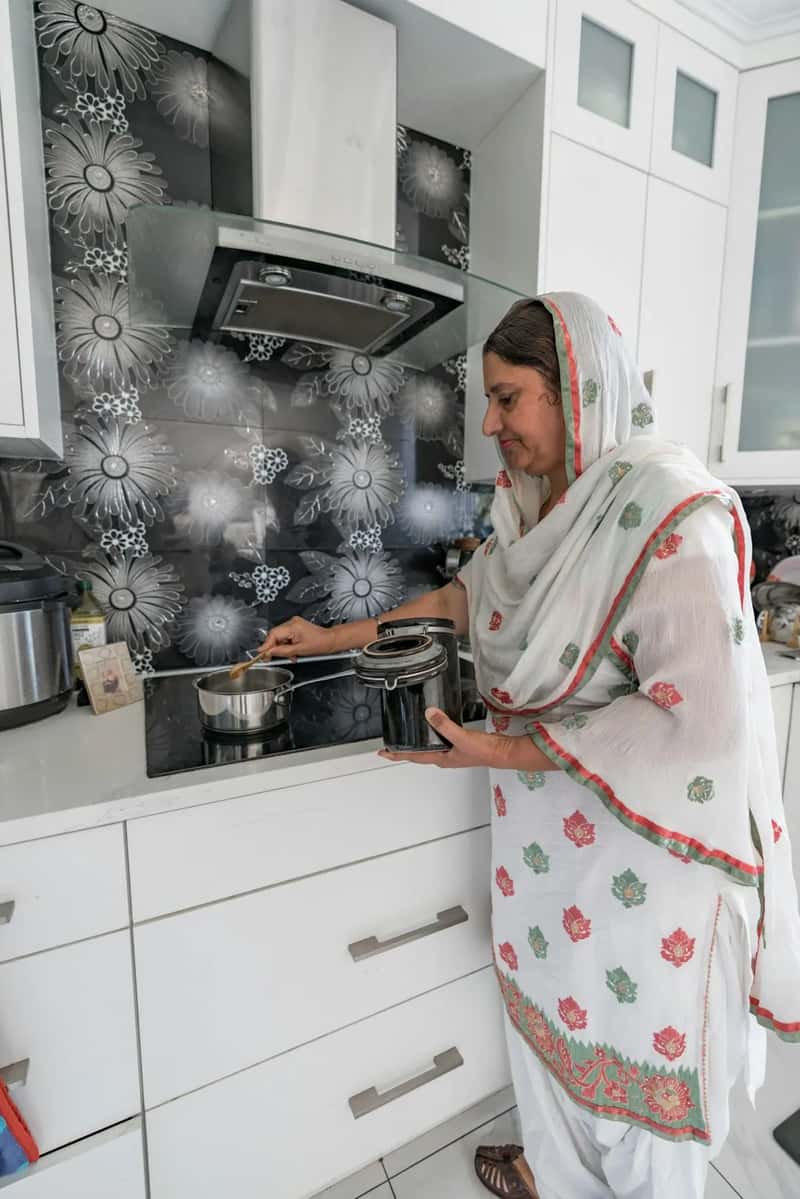
On the opposite end of the spectrum, Pakistan stands out as one of the most resistant markets to Western-style fast food. According to data from a multi-country study published in peer-reviewed research, the prevalence of fast food consumption for four to seven days per week was lowest in Pakistan at just 1.5%, with Pakistan also having the lowest mean frequency of fast food consumption at 1.35 times per week. That figure looks almost negligible next to the weekly habits seen in the United States or China.
Change is happening, but slowly and mostly in cities. It’s worth noting that Pakistan’s relationship with fast food is shifting, particularly in urban centers. Research on young consumers in South Asia found that home food remains the first choice, with people feeling that homemade food is much better than food served at fast food outlets.
India: The Home Kitchen Still Rules
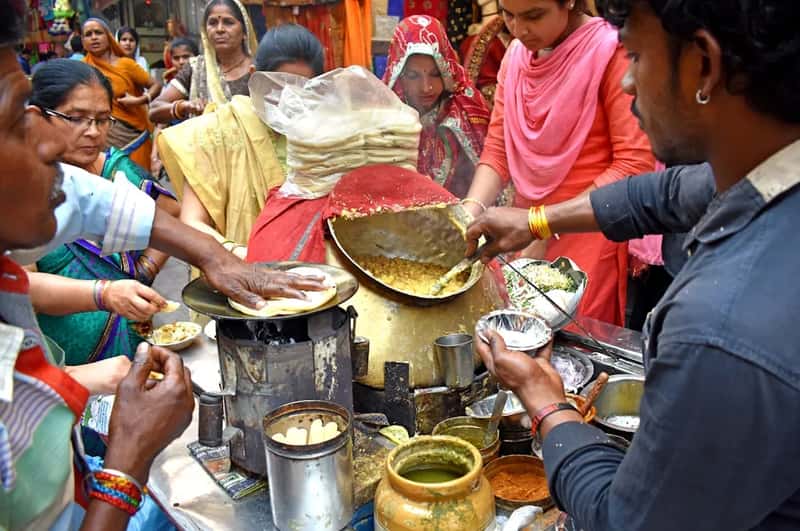
India presents an interesting contradiction between fast-growing markets and actual eating patterns. The quick-service restaurant market in India was valued at about $25.46 billion in 2024 and is forecasted to reach $38.7 billion by 2029. Despite that growth on paper, per-person consumption tells a different story entirely.
On the other hand, per-capita fast food consumption remains comparatively low when stacked against the top consumers. Roadside eateries, dhabas, and food stalls, which represent traditional fast food formats, form a major part of the unorganized sector, meaning that many Indians who eat quickly prefer local, informal options over branded international chains.
Vietnam and the Maldives: Where Fast Food Barely Registers
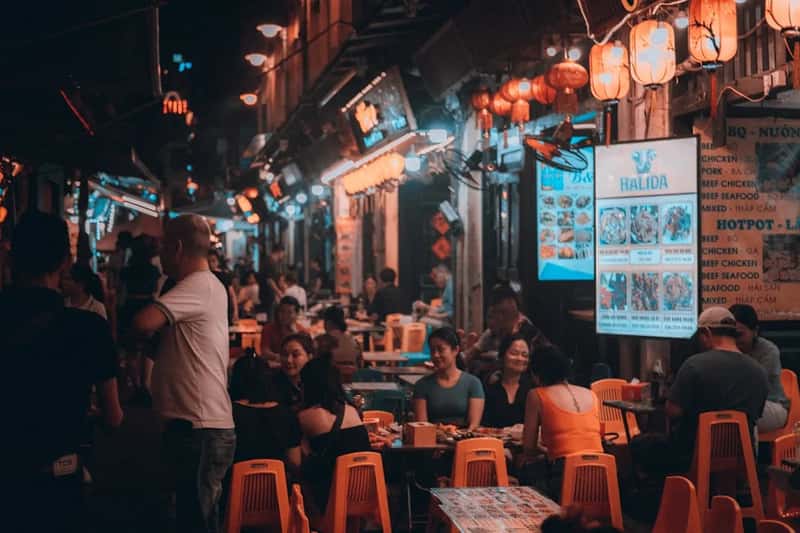
Few places on earth have kept modern fast food chains at a further distance than Vietnam and the Maldives. Among countries studied for multiple suboptimal dietary factors in youth, Vietnam recorded some of the lowest rates at just 8.6%, compared with over 36% in countries with stronger fast food penetration. The street food vendor remains far more powerful than the drive-through in Vietnam’s food culture.
The Maldives shows an even starker gap. Only 9% of Maldivians reported consuming fast food at least once in the past seven days, according to a 2009 survey. This island nation maintains strong traditional eating patterns despite global fast food expansion pressures, with geographic isolation and a traditional fishing-based economy helping to preserve local food systems.