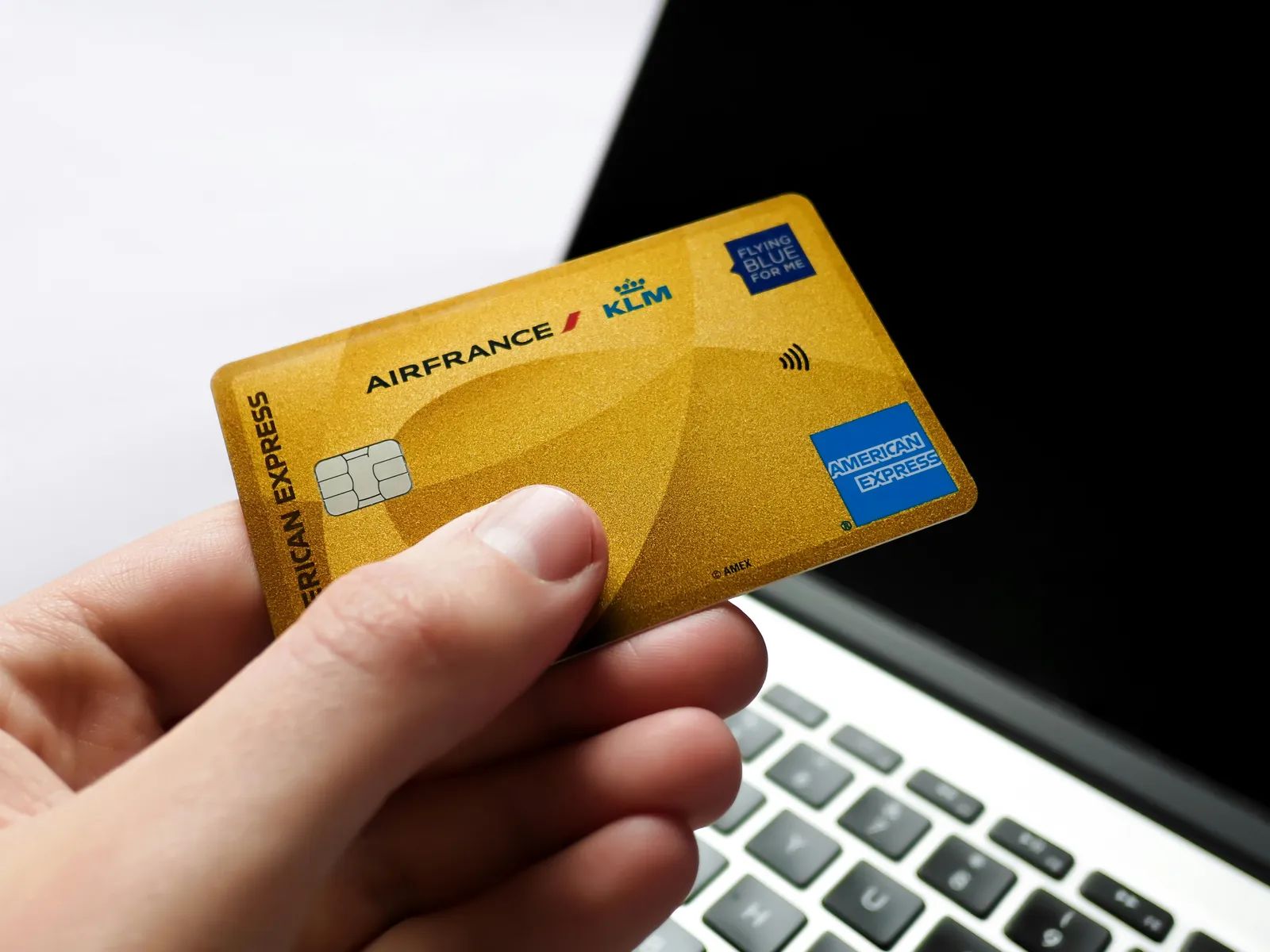
US travelers who carry the right rewards credit cards can convert everyday purchases into transferable points or miles that unlock award flights and hotel stays without paying cash fares. The flexibility comes from currencies that move between multiple airline and hotel partners, often at favorable ratios during bonus promotions. The Points Guy highlights several options that balance earning rates, welcome bonuses and redemption value for different spending patterns. ([1])
Transferable Points Create Real Flexibility
Many rewards programs tie points to a single airline or hotel chain, limiting options when award space runs low. Transferable currencies remove that constraint by letting cardholders move balances to several partners and wait for the best availability or transfer bonuses. This approach works especially well for US travelers who book international trips or premium cabins where cash prices fluctuate sharply. The practical result is that points earned on groceries, gas or business expenses can fund trips that would otherwise cost thousands of dollars. Cardholders who pay balances in full each month avoid interest charges that quickly erase any rewards value. Those who travel several times a year or manage business expenses tend to see the strongest returns.
Standout Cards for Different US Travelers
The Points Guy selections cover a range of needs, from low-fee starters to premium products loaded with credits. A compact comparison shows how welcome offers, annual fees and core earning rates differ across popular choices.
| Card | Best suited for | Sample welcome offer | Annual fee |
|---|---|---|---|
| Chase Sapphire Preferred | Beginner travelers | 75,000 points after $5,000 spend in 3 months | $95 |
| Capital One Venture Rewards | Broad everyday earning | 75,000 miles after $4,000 spend plus $300 travel credit | $95 |
| Ink Business Preferred | Business owners | 100,000 points after $8,000 spend in 3 months | $95 |
| American Express Platinum | Lounge access and premium perks | Up to 175,000 points after $12,000 spend in 6 months | $895 |
These cards share the ability to generate points that transfer to airline and hotel programs. Cash-back alternatives such as the Chase Freedom Unlimited or Blue Cash Preferred suit users who prefer statement credits over travel redemptions.
Who Gains the Most From These Perks
Frequent flyers who value premium cabins or last-minute award space benefit when points move to partners like Air Canada Aeroplan or World of Hyatt. Business owners who charge shipping, advertising and travel expenses can accelerate balances on cards such as the Ink Business Preferred. Renters or those with moderate spending often start with no-annual-fee options before adding a card with a modest fee once credits offset the cost. Stakeholders who travel internationally notice the absence of foreign transaction fees on several of these products. Those who rarely leave the US may find more value in supermarket or dining bonuses that accumulate quickly on routine purchases.
Key Factors Before Applying
Matching a card to actual spending categories determines whether the rewards justify any annual fee. Travelers should compare transfer partners against the airlines and hotels they use most often. Welcome bonuses require meeting minimum spend thresholds within set windows, typically three to six months. Ongoing benefits such as statement credits for Global Entry, hotel elite status or dining credits can offset fees for those who use them. Cardholders who keep balances low and redeem strategically see the clearest path from daily spending to complimentary travel.