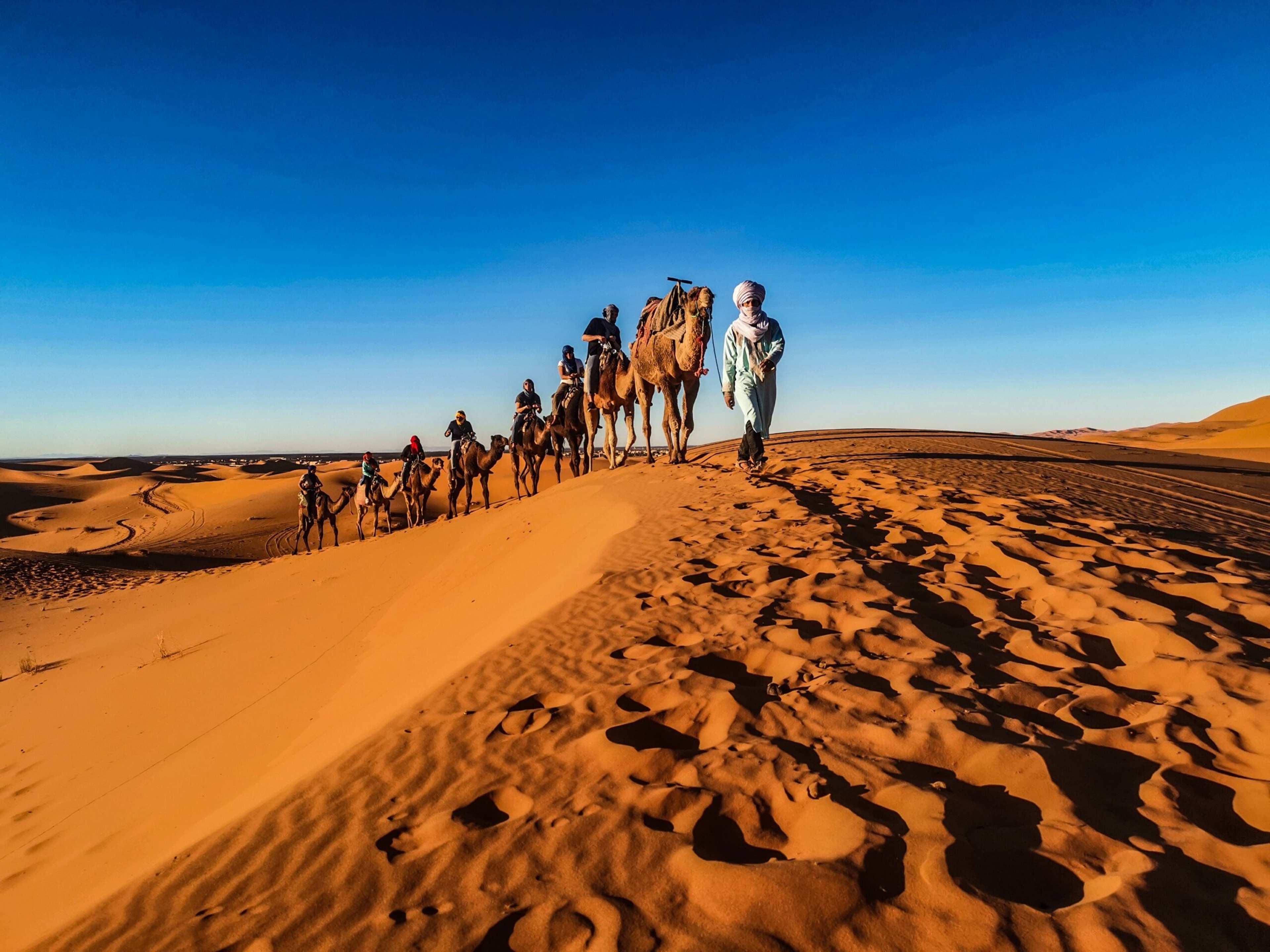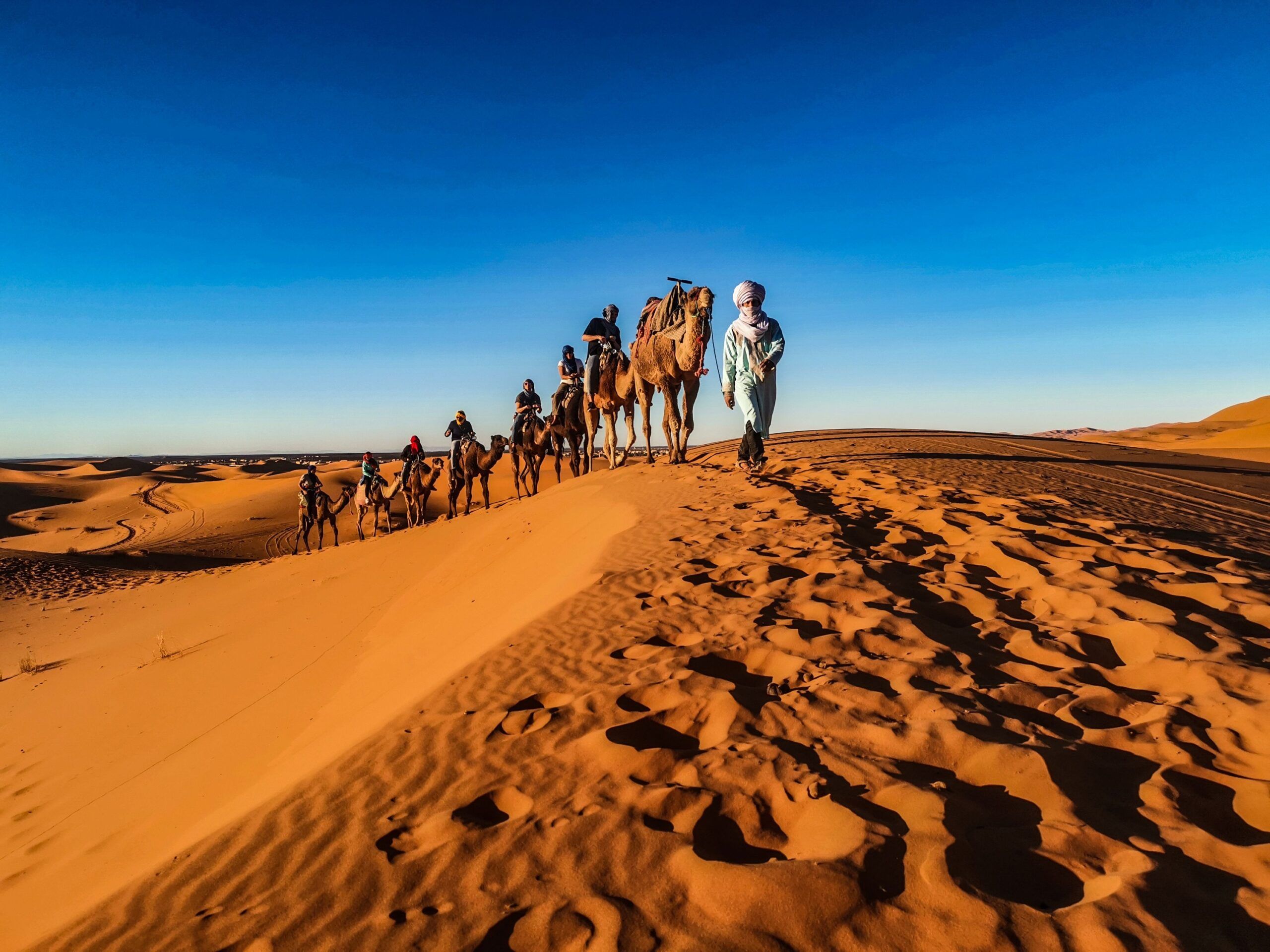
Search for solo travel in the Algerian Sahara and the same advice shows up in thread after thread: don’t go alone. The warnings are blunt and often sound final.
The facts are more specific than the forum posts suggest. Algeria is not closed, and it is not simply safe either. What follows is what the 2026 rules and the recent numbers actually say.
Why the Warnings Exist in the First Place
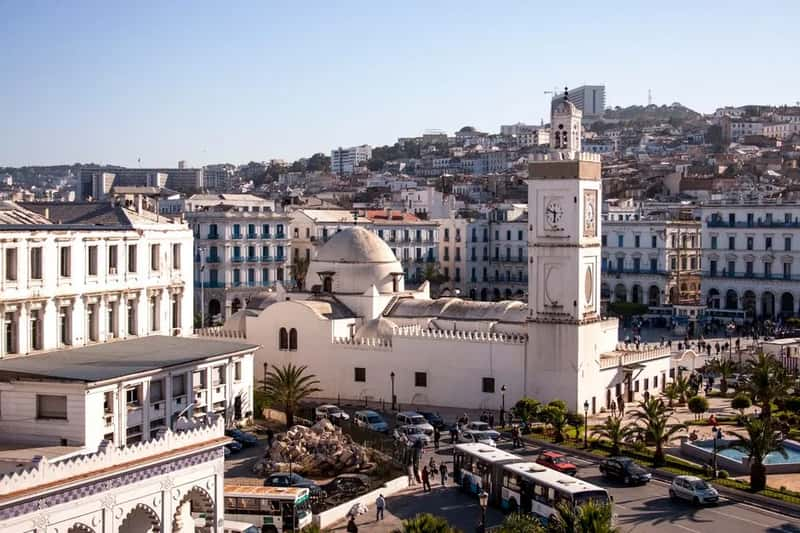
The worry has a real source. The U.S. Embassy in Algeria notes that kidnapping for ransom events in Algeria’s deep south have targeted foreigners in recent years.[1] It also says attacks are possible in both rural and urban areas despite a heavy and active police presence.[1]
The State Department renewed its Travel Advisory for Algeria on August 25, 2026[1], and there were no changes to the advisory level or risk indicators.[1] So the caution on forums isn’t outdated chatter. It matches what governments are still saying this year.
What the Official Advisory Really Says
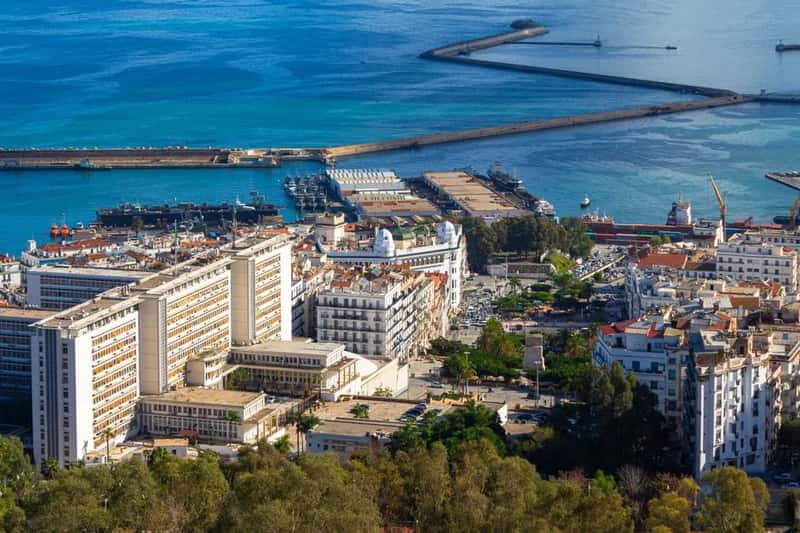
The country as a whole sits at Level 2, Exercise Increased Caution[1]. That’s a lot milder than the “never go” tone online. The harsher language applies to particular places and activities.
The advisory names several areas where it says not to travel, including Bordj Badji Mokhtar, Illizi, In Guezzam, In Salah, Tamanrasset, and Tindouf[1]. It also says to avoid rural areas within 37 miles (60 kilometers) of the Algerian borders with Libya, Niger, Mali, and Mauritania.[1] Rules like these explain why the desert gets singled out, and why a few forum posters say a flat no.
The Line That Matters for Solo Travelers
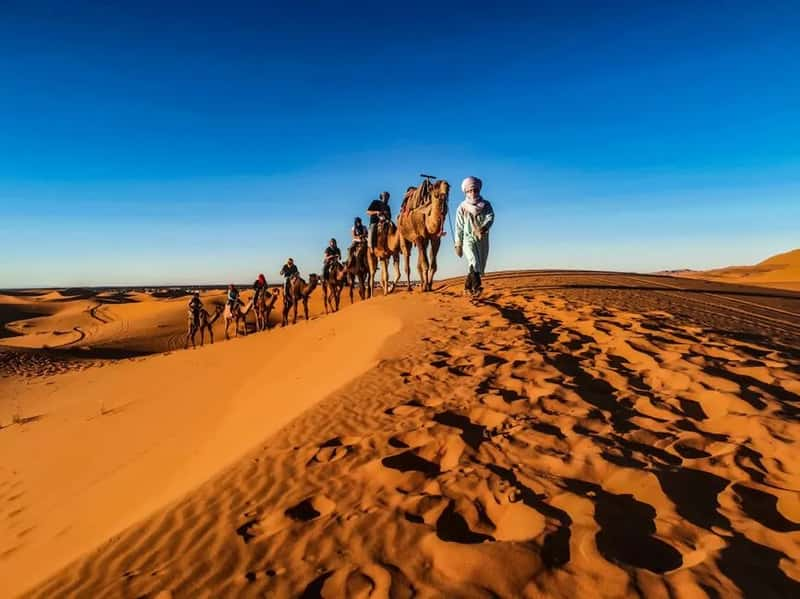
One part of the advisory speaks directly to the forum fear. It lists remote areas in the Sahara Desert without the support of an organized tour group[1] among the places not to travel. A separate Level 4 warning covers long overland trips: do not travel large distances overland in the Sahara Desert outside of an organized tour group.[1]
Notice the wording, though. The concern is the lack of an organized group, not the number of people in your party. A solo traveler who joins a licensed tour is in a very different position from one who rents a 4×4 and heads off alone.
The North Is a Different Story
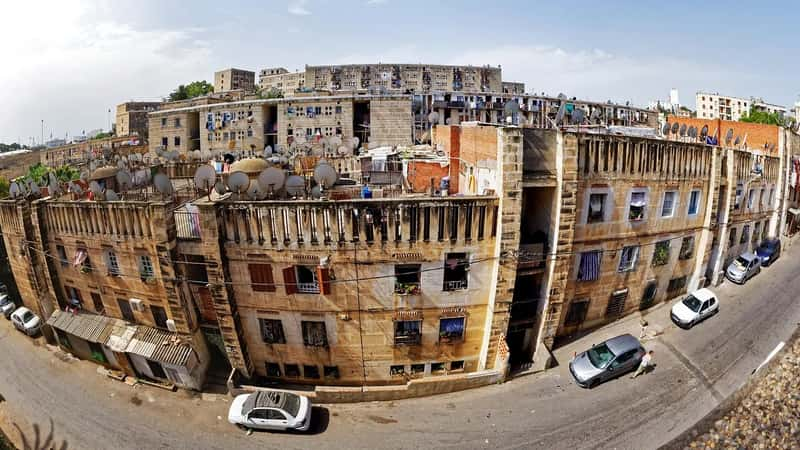
Much of the confusion comes from treating Algeria as one big desert. It isn’t. One 2026 guide says independent travel works in the north, with patience, while the deep Sahara requires licensed guides, 4×4 transport and permits.[2]
Another guide describes the northern cities, the Roman east, the western heritage towns and the organised south[2] as generally safe for ordinary travel, with petty crime the main concern in crowded areas. A solo trip to Algiers or the Roman sites is a different proposition from a solo trip to the Hoggar.
The Guide Rule Isn’t Optional
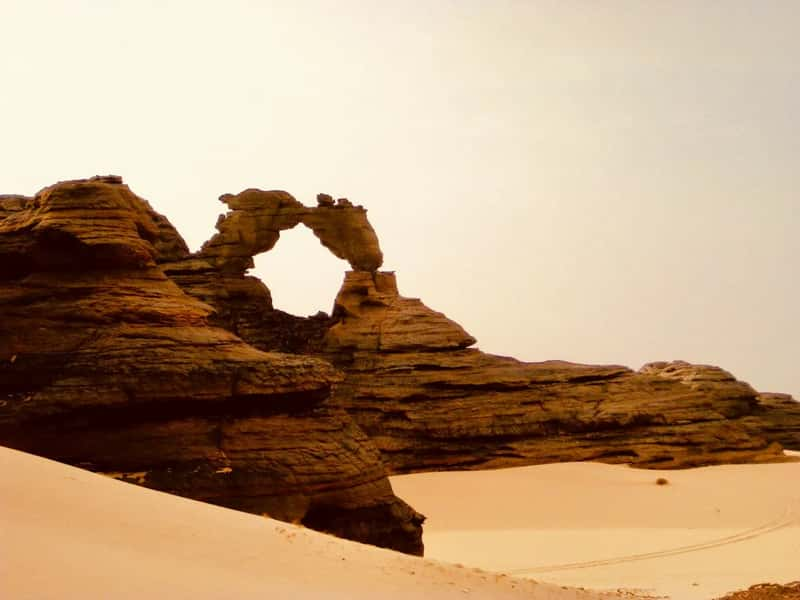
In the deep south, you don’t get to choose. Multiple 2026 sources describe a legal requirement: all deep desert travel in Algeria requires a certified local guide, enforced by checkpoints.[3] Another source says tourists traveling to the deep south, like Djanet, must be accompanied by a certified local tour agency.[4]
In remote regions, groups may also get a military or police escort[4]. The practical upshot is that “solo” in the Sahara usually means one paying customer inside a guided setup, not one person on their own.
Getting the Visa Takes Planning
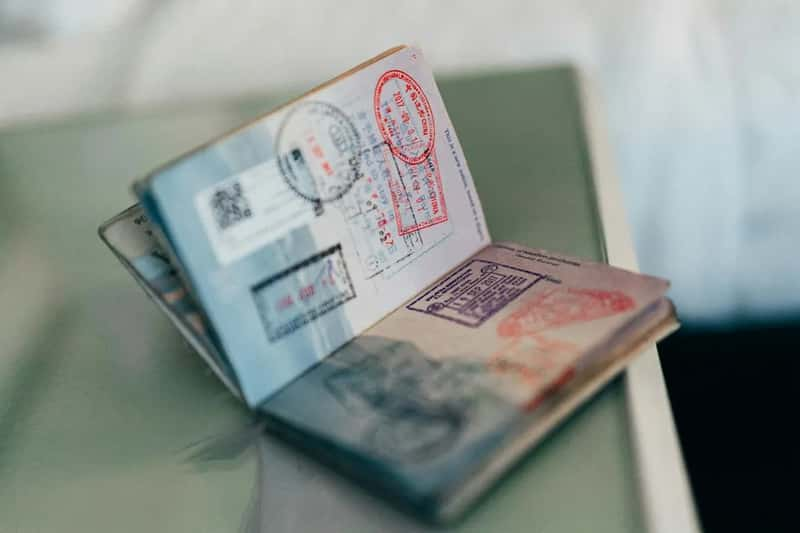
Entry is its own hurdle. One 2026 guide calls the visa required for nearly everyone, and the single biggest hurdle of the trip.[5] Most nationalities need to arrange it before they travel.
There’s a shortcut for desert trips. Algeria reaffirmed in September 2026 that tourists heading to Djanet and Tamanrasset must complete a pre-arranged process through an accredited Algerian travel agency before they can board a flight.[6] The facility does not grant unrestricted Algeria-wide access[6], so any travel outside the qualifying southern itinerary needs a standard consular visa.
The Numbers Show People Are Going
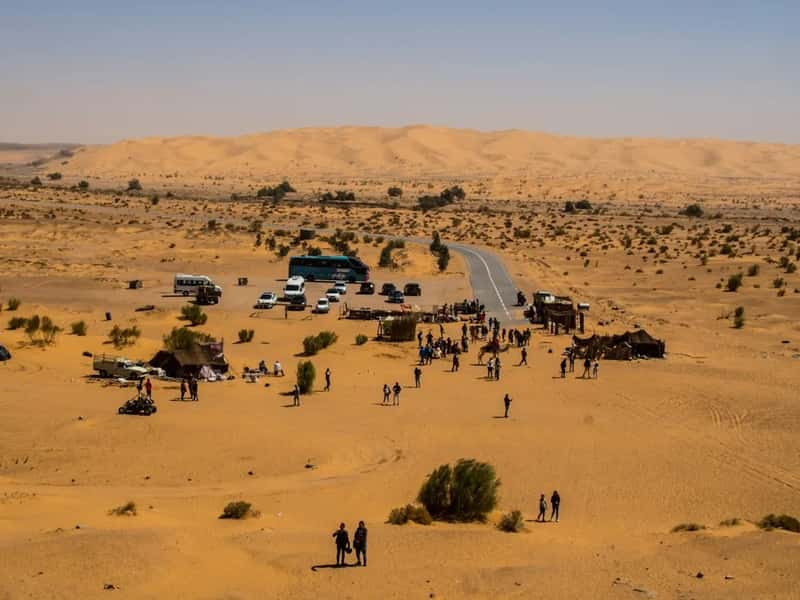
Despite the warnings, foreign visitors are arriving in growing numbers. Algeria’s tourism minister said the southern regions drew around 750,000 tourists between January and December 2025, including nearly 65,000 foreign visitors.[7] For the 2025 to 2026 season, arrivals reached approximately 470,000, including about 47,000 foreigners.[7]
Djanet alone logged 24,183 tourists in the first ten months of 2025, including 9,138 foreign visitors representing around 50 nationalities.[8] Those figures are small next to neighbors, since Morocco received close to 20 million tourists[9] in 2025. Even so, they show a guided route that thousands of people use each year.
Timing, Health and Insurance
Season matters more than most first timers expect. One guide says the Sahara is a winter destination[2], and another advises visiting the deep desert November to February only.[2]
Practical details deserve attention too. Pharmacies are scarce in remote areas[10], so carry your usual medication. The UK’s Foreign Office also warns that travel insurance can be affected if a traveller goes against its advice[11], which makes it worth checking your policy against the advisory zones before you book.
How Solo Travelers Actually Do It
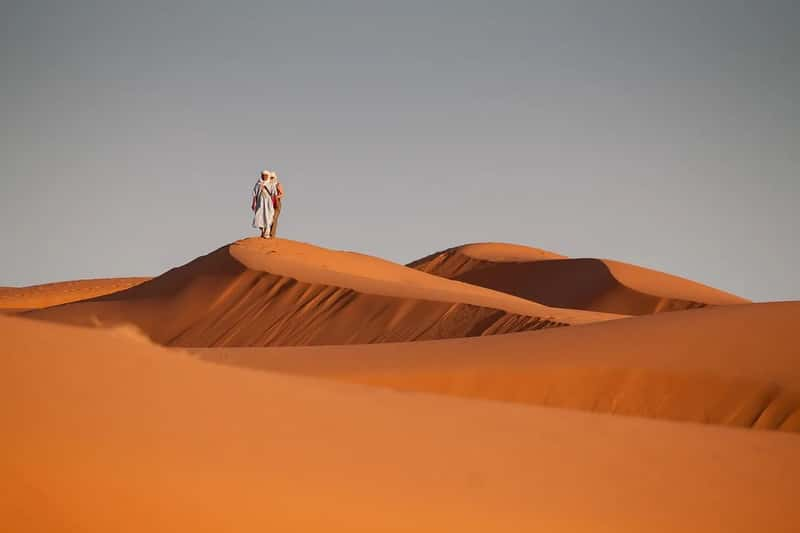
Solo travelers who go to the Algerian Sahara generally book through a licensed agency, and many join small groups. One 2026 guide says that within that structure, the experience is guided for everyone, safe and well organised, and you don’t travel the deep desert independently, male or female.[12] Another adds that travel in the deep south, including Tassili n’Ajjer and the Tadrart, requires a local agency and guide, and it is also how you get the visa on arrival.[5]
Southern tours cost more than many people expect, because of the remoteness and required agency.[5] The same source advises that you not drive in the Sahara alone or after dark.[5] Check the current U.S. and UK advisories before booking, and confirm that your agency is accredited.