Some airports test your patience before you even board a plane. Long walks between terminals, unclear signage, and layouts that seem to defy logic can turn a routine trip into a stressful scramble. Based on recent traveler reviews, satisfaction surveys, and firsthand accounts shared across travel forums and social media in 2024 and 2025, a handful of airports keep showing up on the “never again” lists. Here’s a closer look at five of them, and why so many travelers say they’d choose a different route if they had the chance.
Los Angeles International Airport (LAX)
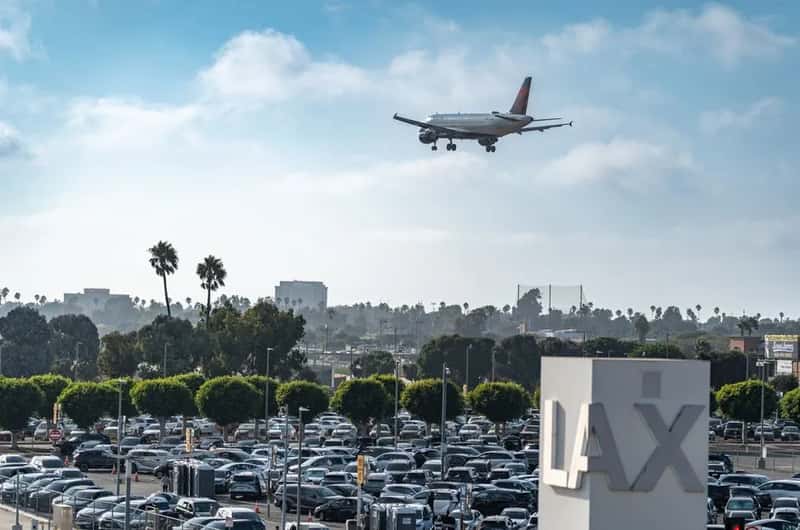
LAX has a reputation that precedes it, and not in a good way. LAX is regularly criticized for being congested and challenging to navigate.[1] Part of the problem is structural. The airport’s sprawling design is so easy to get tangled up in it has cost countless travelers their connecting flights over the years.[2]
Even locals aren’t spared the frustration. One traveler quoted in a 2025 roundup of social media complaints simply called the terminal layout “tragic,” a sentiment echoed by many others who grew up flying through the airport. LAX has improved dramatically, yet its broad horseshoe layout and ongoing upgrades still create decision fatigue, especially for infrequent flyers.[3] Add in the notorious traffic just outside the terminals, and it’s easy to see why LAX remains a recurring name on worst-airport lists heading into 2026.
Charles de Gaulle Airport (CDG), Paris
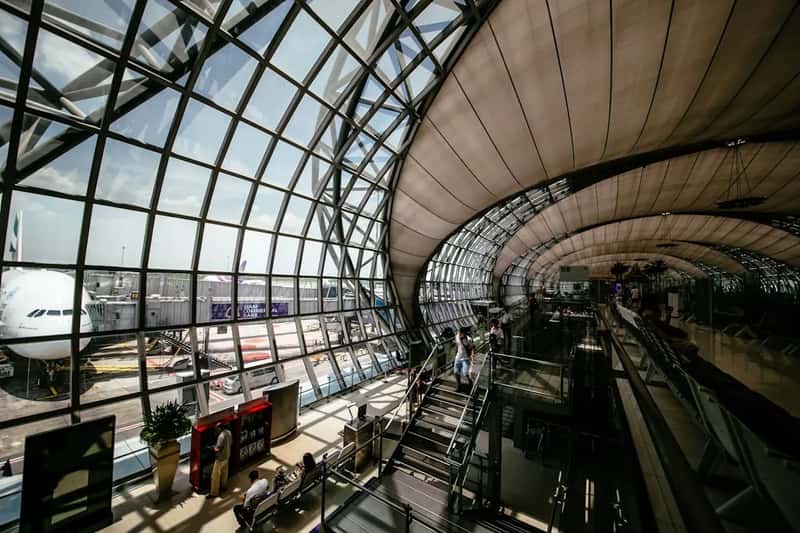
Paris might be the city of light, but its main airport has a different kind of reputation. That stressful airport is Charles de Gaulle in Paris, France, one of Europe’s busiest, hosting approximately 67 million travelers in 2023.[4] The scale alone makes navigation tricky, but travelers point to something more basic: the signage itself feels like an afterthought.
Frustration with CDG isn’t limited to tourists who don’t speak French. As one traveler put it in a widely shared complaint, “I speak French, and I still can’t navigate the place.” The layout compounds the confusion, since terminals are physically separated by narrow corridors that make pulling a wheelie suitcase or pushing a cart impossible, and they’re also connected by unreliable shuttles and split into confusing subdivisions.[5] That combination of distance, poor signage, and shuttle dependency is exactly why many seasoned flyers now build in extra buffer time or avoid connecting through Paris altogether.
London Heathrow Airport (LHR)
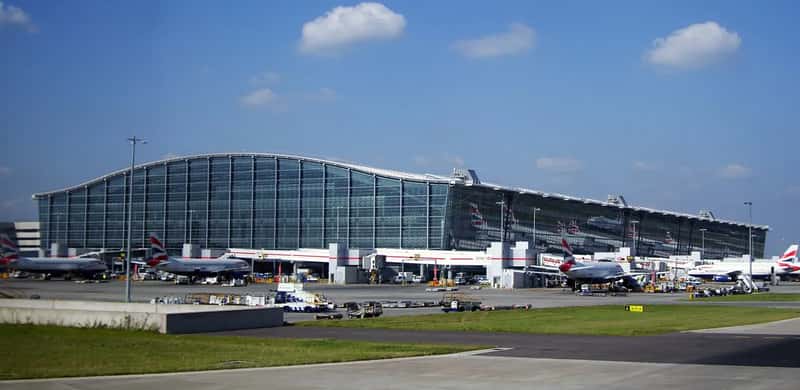
Heathrow’s size works against it in a specific way. Heathrow’s own guidance notes that connecting passengers may depart from a different terminal, should follow dedicated purple signs, and must pass security again, which adds friction when time is tight, and a traveler can do everything right and still feel rushed if the incoming gate is remote, the queue is heavy, and the onward flight boards early.[3] That mix of distance, procedure, and timing pressure is a recurring theme in traveler feedback.
Social media echoes the same frustration on a larger scale. In one 2025 survey of travel complaints, Heathrow claimed roughly three in ten of all international airport mentions, with travelers highlighting gate confusion and stressful security procedures.[6] For a hub that handles enormous transfer volumes, the layout’s demand for split second decision making under time pressure is exactly what leaves visitors rattled.
Ninoy Aquino International Airport (NAIA), Manila
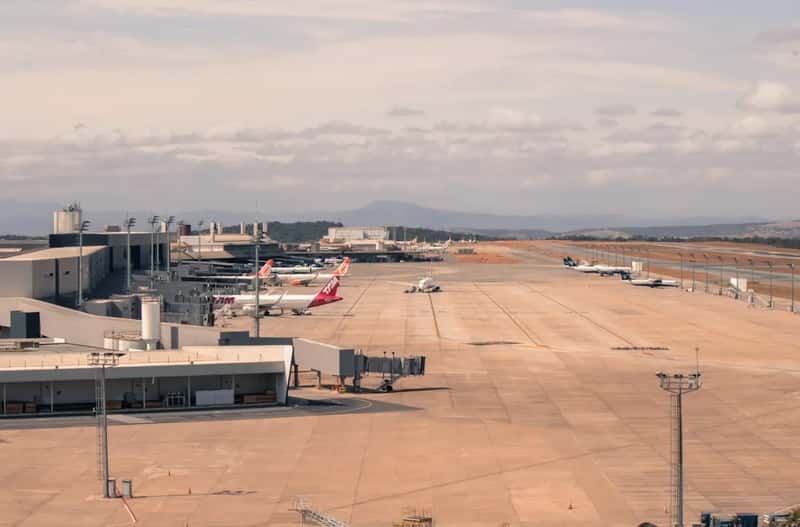
Manila’s main airport presents a challenge that catches many travelers off guard, because the terminals genuinely don’t connect to each other in any convenient way. Most big hubs let you connect airside, where you land, follow the signs, and never touch immigration or a shuttle, but Manila does not work like that since NAIA’s terminals are separate buildings, and there is no walkway, train, or airside corridor between any of them.[7] That means every transfer between terminals requires leaving the secure area entirely.
The process of moving between terminals adds real friction to what should be a simple connection. To go from one to another you exit into the arrivals hall, ride a landside shuttle on public roads, then queue for check-in and security again.[7] On top of that, common complaints include limited comfortable seating, inconsistent air conditioning, terminal-to-terminal challenges, confusing procedures, and difficulty finding reliable information.[8] With the airport currently mid-rehabilitation and terminal assignments still shifting through 2026, travelers are advised to double check their boarding pass rather than assume last year’s terminal still applies.
Newark Liberty International Airport (EWR)
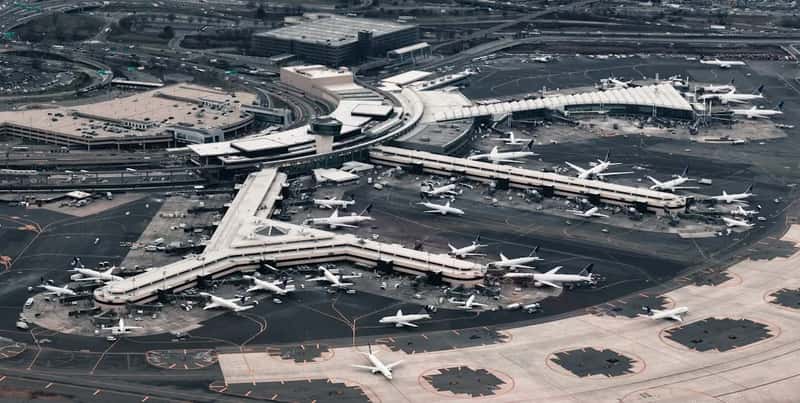
Newark’s issues go beyond layout, though the layout doesn’t help either. Recent satisfaction data backs up the frustration travelers describe firsthand. Newark Liberty International Airport was found to be the worst of its category among passengers, scoring 565 points out of a potential 1,000, almost 100 points below the top ranked airport, Minneapolis Saint Paul International.[9]
The disruption rate at Newark stands out even among other struggling U.S. hubs. Newark Liberty International Airport ranks worse, with 76% of travelers experiencing some form of disruption, the highest rate among major U.S. airports, and the airport’s chronic crowds, long lines, and frequent equipment problems contribute to its reputation.[10] Combine that with confusing terminal signage and a history of construction detours, and it’s clear why so many travelers try to route around Newark whenever a connection allows it.
What These Airports Have in Common

Looking across these five cases, a pattern emerges that has little to do with an airport’s age or even its overall size. Long distances between terminals, confusing layouts, and overcrowding due to poor planning are common complaints when it comes to the most frustrating airports in the world.[5] It’s rarely one single flaw that ruins the experience. It’s usually a combination of unclear signage, physically separated terminals, and volumes of passengers that outpace the infrastructure built to handle them.
What separates a smooth transfer from a stressful one often comes down to design choices made decades ago that are hard to undo now. Airports built with airside connections and centralized concourses tend to age better than those forcing travelers landside between terminals. For now, the five airports above remain fixtures on traveler complaint lists, and the safest strategy is simple: build in extra time, confirm terminal details in advance, and expect the unexpected.