You’ve probably seen those Instagram posts. Stunning waterfalls, ethereal blue lagoons, the Northern Lights dancing above dramatic black sand beaches. Iceland looks like a dream, right? The ads promise adventure without breaking the bank, flights from the US hover around surprisingly cheap rates, and suddenly that Icelandic getaway seems within reach.
Here’s the thing, though. Iceland has mastered the art of appearing affordable while subtly emptying your wallet in ways you won’t see coming until you’re already there. Let’s be real about what’s actually happening when travelers arrive in this Nordic wonderland.
The Sticker Shock at Mealtime
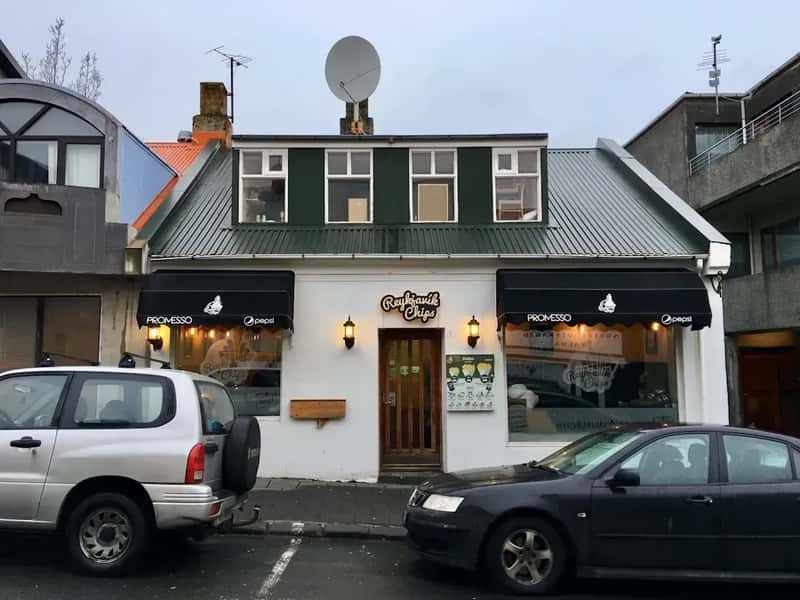
Based on experience visiting Iceland multiple times, experts recommend budgeting roughly between one hundred ten and one hundred fifty dollars per person daily just for meals. Think about that for a second. We’re talking breakfast, lunch, and dinner adding up to more than most people spend on an entire day of travel in Southern Europe.
A simple hot dog from a street vendor costs around six dollars, while restaurant entrees typically run between twenty-five and thirty dollars. That pasta dish you’d pay twelve bucks for in Rome? Double or triple it in Reykjavik. When people discuss Iceland being expensive, they’re usually referring to food, where meals can easily hit forty to fifty dollars per person.
The gut punch comes when you realize these aren’t fancy fine-dining establishments. Casual dining like pizza, burgers, or sandwiches falls in the same price range as more refined dining, with a pizza usually costing around fifteen to thirty-five dollars. You’re paying premium prices for what amounts to everyday food.
Accommodation Costs That Creep Upward
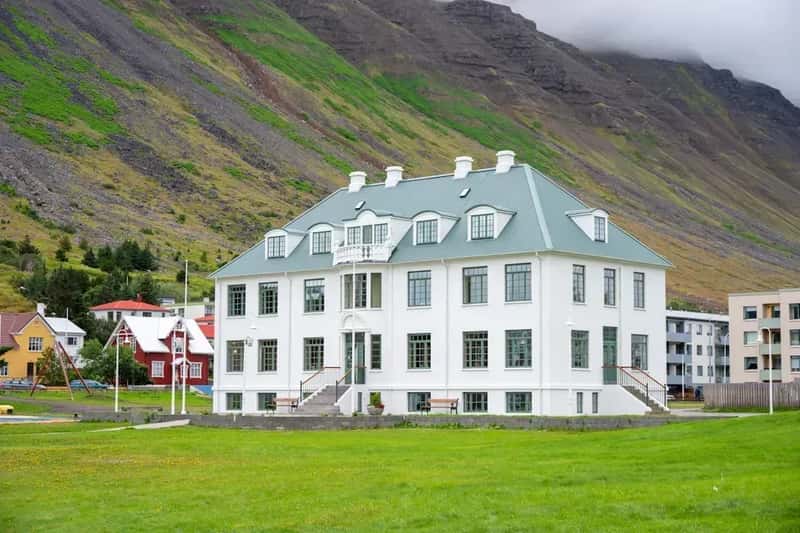
Hotels in Iceland have a fascinating pricing structure that catches budget travelers off guard. Hostels average forty to sixty dollars per night, which sounds reasonable until you factor in that you’re sharing a room with strangers. Want privacy? Clean private rooms in guesthouses or budget hotels run between one hundred twenty and two hundred twenty dollars per night, especially during peak season.
The cheapest non-terrible hotel rooms with shared bathrooms cost around eighty-two dollars per night, but in expensive areas like Lake Myvatn, that figure jumps to over three hundred dollars. Summer travel amplifies everything. Accommodation that cost a certain amount just a year ago has now doubled in price, creating a moving target for anyone trying to budget in advance.
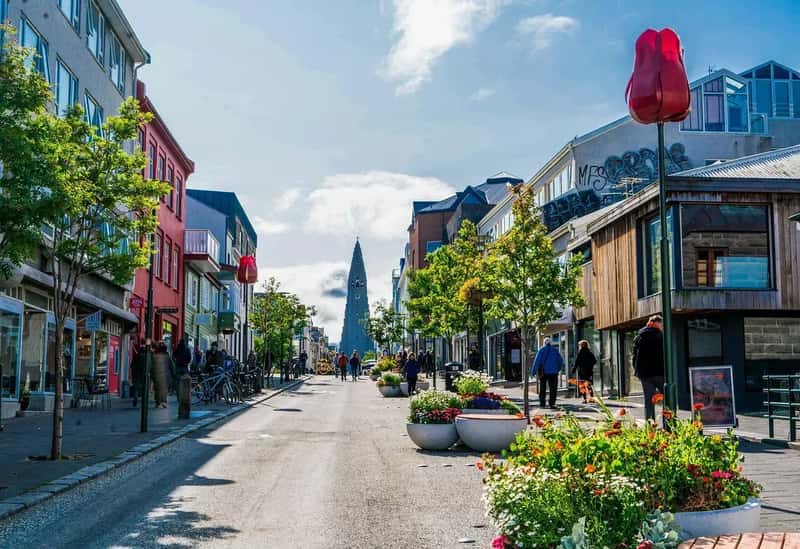
The sneaky part? Reykjavik runs generally twenty to thirty percent more expensive than rural areas for accommodation and dining. Yet most travelers base themselves in the capital, unknowingly choosing the priciest home base available.
Transportation Traps Most Visitors Fall Into
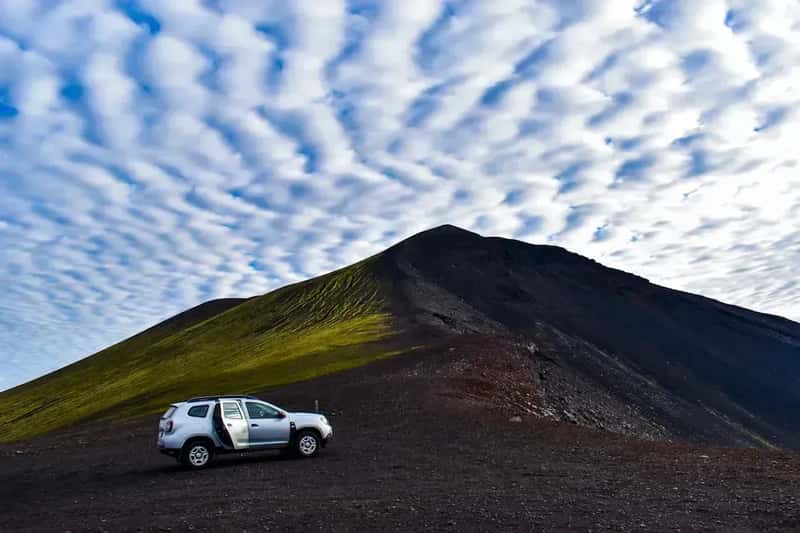
Let’s talk about getting around, because this is where things get interesting. Iceland lacks trains and has limited public transportation, forcing travelers into a choice between expensive tours or renting a vehicle. Basing yourself in Reykjavik and relying on tours and excursions can swell your budget nearly three times higher than planned.
Car rentals seemed like the escape route until you checked the actual numbers. Gas cost approximately eight dollars and thirty cents per gallon as of December 2024. Driving the entire Ring Road can add more than four hundred dollars to your budget in gas alone.
The rental itself? A station wagon with insurance and unlimited miles runs approximately six hundred to nine hundred dollars for a week, plus about three hundred dollars for gas if you’re driving extensively. Suddenly that “cheap flight” to Iceland looks like bait for a much more expensive trap.
The Daily Spending Reality Nobody Mentions
Tour companies and tourism boards love throwing around vague daily estimates, but the real numbers paint a sobering picture. The average Iceland trip cost adds up to about three hundred dollars per person daily including airfare, assuming budget airfare, budget accommodations, limited organized activities, self-driving, and being careful in food choices.
Notice what that includes. Budget everything. Being careful. Limited activities. That’s three hundred dollars a day just to exist in Iceland at the bare minimum comfort level. Mid-range travelers spend around two hundred fifty-two dollars per day, which aligns with that three hundred dollar estimate when you factor in any splurges or unexpected costs.
An average trip costs approximately three hundred to four hundred dollars daily, excluding flight, car rental, and gas. Read that again. Excluding major expenses. The daily burn rate assumes you’ve already paid for transportation and lodging.
The Summer Season Price Multiplication Effect
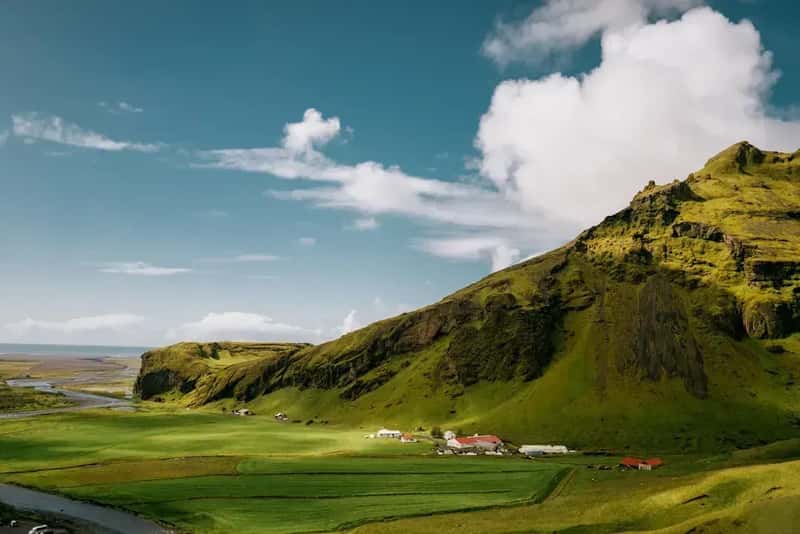
Here’s where Iceland’s pricing becomes truly brutal. The most expensive time of year runs mid-June through August, and prices can double again during these summer months. Everything doubles. Not just hotels, but tours, car rentals, and even some restaurant prices nudge upward.
During high season from June to August, prices for hotels and rentals peak. Travelers booking for July or August face a completely different financial reality than someone visiting in April. Prices can double during summer months, meaning that budget-friendly November trip becomes twice as expensive in July.
The cruelty lies in the timing. Summer offers the midnight sun, accessible highland roads, and Iceland’s best weather. Essentially, you pay double to visit when the country is actually enjoyable to explore. Winter saves money but brings four hours of daylight and treacherous driving conditions.
Activities and Tours That Multiply Your Budget
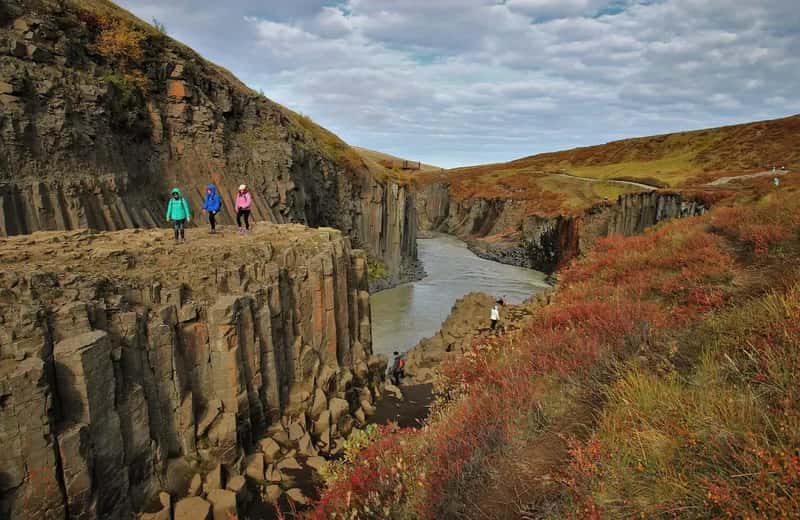
Iceland’s natural wonders are supposedly free, which technically holds true. Waterfalls, beaches, and hiking trails don’t charge admission. The catch? Getting there requires that expensive rental car, and once you arrive, the temptation to join organized activities becomes nearly irresistible.
The average price for an organized tour package in Iceland is four hundred eighty-three dollars per day. Per day. For one person. Glacier hikes, whale watching, snorkeling between tectonic plates, ice cave tours – these signature Icelandic experiences demand both a guide and serious cash.
The psychological trap works brilliantly. You’ve already spent thousands getting to Iceland. What’s another hundred or two hundred for that once-in-a-lifetime glacier trek? Except it’s never just one activity. Tours costing over one hundred dollars take you whale watching, glacier hiking, and snorkeling between tectonic plates, and suddenly you’re committed to multiple expensive excursions.
The Grocery Store Disappointment

Budget travelers arrive with a plan: cook your own meals, save money, beat the system. Smart thinking, except grocery prices in Iceland destroy that strategy faster than you can say “Bónus supermarket.” Iceland is an isolated island that must import the vast majority of supplies, with most fresh produce grown outside Iceland and shipped in.
Even at budget chains, prices shock. At Bónus grocery store – the Aldi of Iceland – bread costs three dollars, peanut butter two dollars, jelly three dollars, and a bag of chips three dollars. Those are basics. Simple sandwich ingredients. Nothing exotic or imported beyond the norm.
Ben & Jerry’s ice cream actually costs eighteen dollars and ninety-nine cents per pint at some stores. Cooking your own meals saves money compared to restaurants, sure, but you’re still spending substantially more than grocery shopping at home. The “budget” option remains expensive.
Hidden Fees and Unexpected Add-Ons

Iceland excels at nickel-and-diming visitors in ways that slowly drain accounts without obvious culpability. Some examples? Parking fees at popular attractions, campsite per-person charges, and equipment rental costs that aren’t clearly advertised upfront.
Camping fees average fifteen dollars per night per person, turning that “cheap” camping option into sixty dollars nightly for a family of four. Showers at campsites? Often extra. Kitchen facilities? Sometimes an additional fee. Each small charge seems reasonable until you tally the cumulative damage.
Car rental insurance represents another minefield. Basic coverage doesn’t protect against gravel damage, incredibly common on Iceland’s roads, forcing travelers into expensive upgrades. Iceland is an isolated island, which explains why everything costs more, but explanation doesn’t soften the financial blow when these hidden expenses emerge.
The Currency and Perception Manipulation
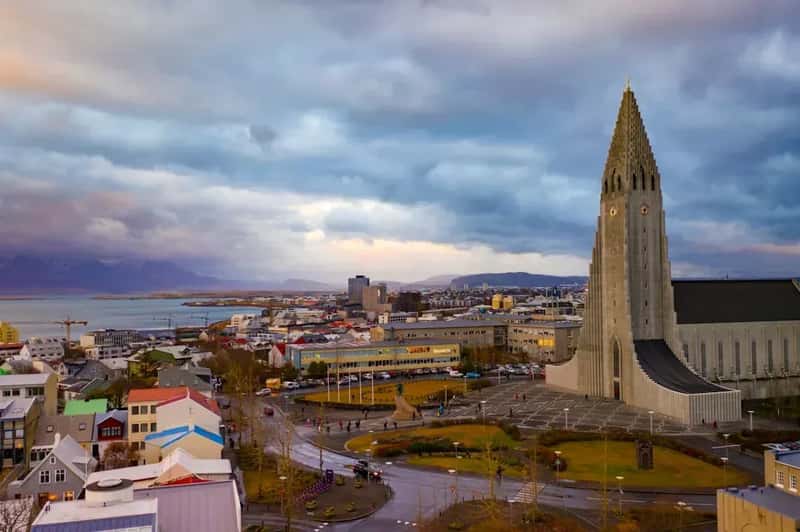
Though Iceland’s cost of living remains about fifteen point eight percent higher than in the US, the country has gotten remarkably good at managing perception. Recent cooling in demand, increased infrastructure, greater availability, and lower inflation rates have helped bring prices down, with many travel services now on par with or even more affordable than those in other Northern European destinations, according to tourism officials.
That statement deserves scrutiny. “On par with other Northern European destinations” means expensive. Norway, Sweden, and Denmark all rank among Europe’s priciest countries. Saying Iceland matches their costs isn’t reassuring – it’s a confession dressed as good news.
Recent changes like cooling demand, improved infrastructure, and lower inflation have made travel costs more competitive, though Iceland’s cost of living remains about fifteen point eight percent higher than in the US. Competitive doesn’t mean affordable. It means slightly less expensive than before, while still substantially exceeding most travelers’ expectations and budgets.
The Real Numbers Behind a Week-Long Trip
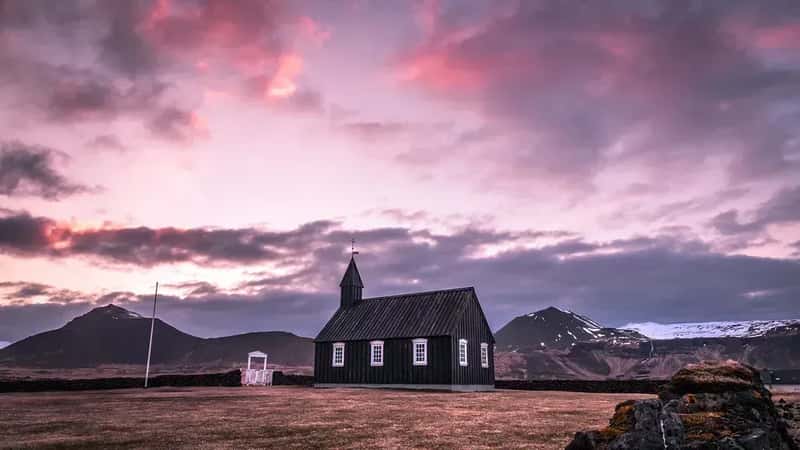
Let’s put this in concrete terms with actual traveler experiences. The average Iceland trip cost for a family spending a week in Iceland is around eighty-five hundred thirty-four dollars including airfare, which is about twelve hundred nineteen dollars daily for the entire family. For a family of four, that’s over three hundred dollars per person daily.
A one-week trip to Iceland usually costs around seventeen hundred sixty-three dollars for one person and thirty-five hundred twenty-seven dollars for two people, including accommodation, food, local transportation, and sightseeing. Those figures come from actual spending data, not theoretical minimums.
Real travelers spent just around $5,300 for two people to visit Iceland for two weeks in 2021, which would have converted to about $6,300 for the same trip in 2025. That’s with careful budgeting, cooking some meals, and conscious spending decisions. Roughly three hundred fifteen dollars per person daily, and that’s considered moderate spending.
Why Iceland Gets Away With It
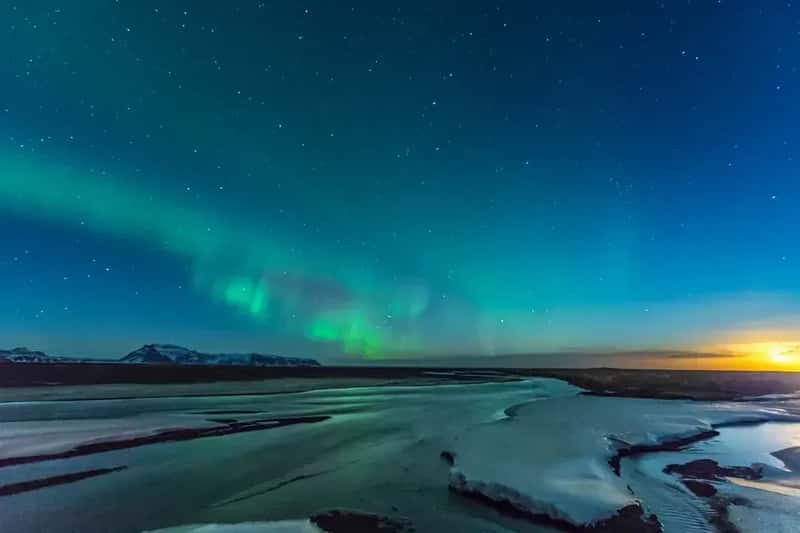
Iceland leverages its uniqueness brilliantly. Where else offers accessible glaciers, dramatic volcanic landscapes, the Northern Lights, and geothermal wonders packed into a relatively small area? The country has cultivated an image of otherworldly beauty that makes visitors willing to absorb costs they’d never tolerate elsewhere.
Iceland is an isolated island requiring import of the vast majority of supplies, with most fresh produce grown outside Iceland and shipped in, and like all Nordic countries, Iceland has a high cost of living. This explains the pricing structure but doesn’t change the impact on your bank account.
The budget-friendly marketing works because flights genuinely cost less than many European destinations. Reykjavik is one of the cheapest European destinations to fly into from the US, especially during the off-season. That affordable airfare creates an illusion of affordability that shatters upon arrival, but by then, you’re committed. You’ve used vacation days, made plans, built anticipation. Turning back isn’t realistic.
The country has perfected a pricing model where the barrier to entry feels low while the actual experience costs exponentially more than advertised. It’s not dishonest, exactly – information exists for anyone willing to dig – but the gap between perception and reality remains vast enough to shock even experienced travelers.
What do you think about Iceland’s true costs? Have you experienced this budget disconnect firsthand, or does the unique experience justify the expense? Share your thoughts below.