Something quietly shifted in America’s tourism landscape between 2024 and 2025. While the rest of the world kept welcoming record numbers of travelers, the United States found itself standing apart – and not in a good way. Streets that used to buzz with foreign accents and rolling suitcases felt a little emptier. Hotel lobbies a little quieter.
In 2025, the U.S. was the only one of 184 countries projected to see a decline in international visitor spending, according to the World Travel and Tourism Council’s annual report on travel’s global economic impact. That is a striking distinction. And behind that national headline, five American cities are shouldering the heaviest load. Let’s dive in.
New York City: The Crown Jewel Loses Its Shine
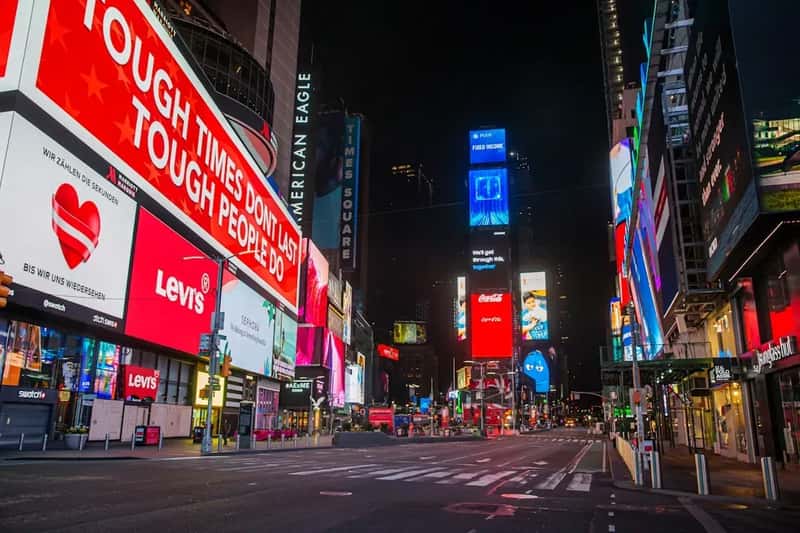
New York City has always been the undisputed king of American tourism. The lights, the skyline, the energy – there’s nothing else quite like it on the planet. So when New York starts hurting, you know the problem is serious.
New York City Tourism and Conventions, the city’s official marketing organization, cut its forecast for international tourists in 2026 by roughly seventeen percent, with the city expected to host 2 million fewer international travelers than in 2024. That is an enormous number for any destination to absorb.
International visitation dropped at a time when the city was expected to return to pre-pandemic levels. Foreign visitors make up only about a fifth of all visitors to the city, but they account for nearly half of all tourism revenue. Losing them hits the wallet hard and fast.
Las Vegas: What Happens When the High Rollers Stop Coming

Las Vegas sells itself on excess, spectacle, and the idea that anything is possible. It needs visitors – and specifically, it needs free-spending international visitors – to keep that machine running. Here’s the thing: those visitors are increasingly staying away.
Las Vegas has seen a drop in both domestic and international tourists. Data from the Las Vegas Convention and Visitors Authority covering January to July 2025 shows overall visitor volume is down roughly eight percent compared to the same period the year before.
Las Vegas tourism was particularly hurt by a drop in Canadian visitors, who represent the largest category of customers for casinos, hotels, and restaurants. Nearly 1.5 million Canadians visited the city in the prior year, contributing about $3.6 billion to the state’s economy. Losing that segment is like pulling the plug on a major revenue engine.
In September 2025, Vegas ran its first-ever city-wide sale to lure back visitors disillusioned with its hidden resort fees. Honestly, that tells you everything. When Las Vegas is running discount campaigns, the tourism drought is real. Las Vegas experienced a roughly seven and a half percent drop in tourism in 2025, marking its worst downturn since the pandemic, with the decrease in international visitors being particularly noticeable from markets such as China, Japan, and Europe.
Seattle: The Canadian Connection Unravels
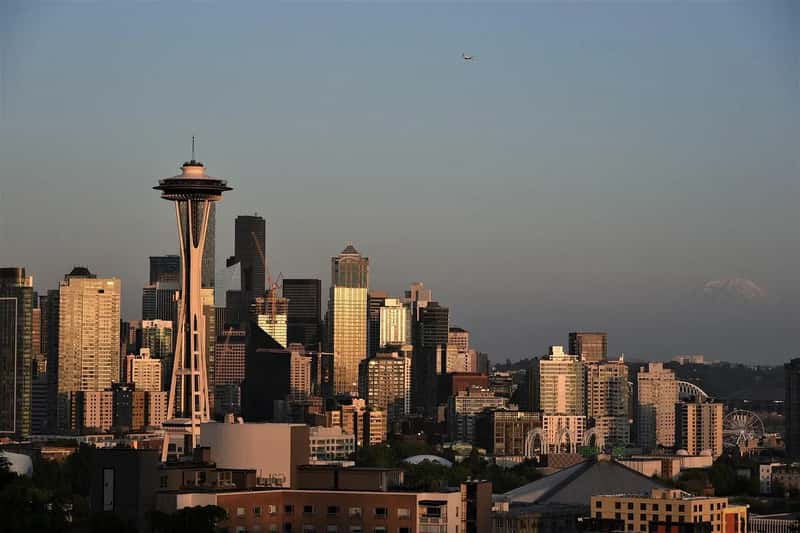
Few cities in America are as geographically and culturally tied to Canada as Seattle. It sits close to the border, welcomes millions of Canadians each year, and built much of its international tourism economy around that relationship. In 2025, that relationship frayed badly.
Visit Seattle forecast the city would see a roughly twenty-seven percent drop in international overnight visitors in 2026, driven by the fall-off in Canadian travel. In the prior year, 1.7 million Canadians visited Seattle and King County, making up nearly three quarters of all international tourists and spending $586 million.
Experts are cautiously optimistic about the long-term outlook, projecting tourism will begin to rebound in 2026, partly driven by Seattle’s role hosting FIFA World Cup matches. The city is set to host between four and six World Cup games, attracting an estimated 400,000 to 750,000 visitors – an event expected to significantly revitalize the tourism sector. A silver lining, at least, on a pretty dark cloud.
Miami: Sunshine State, Cloudy Numbers
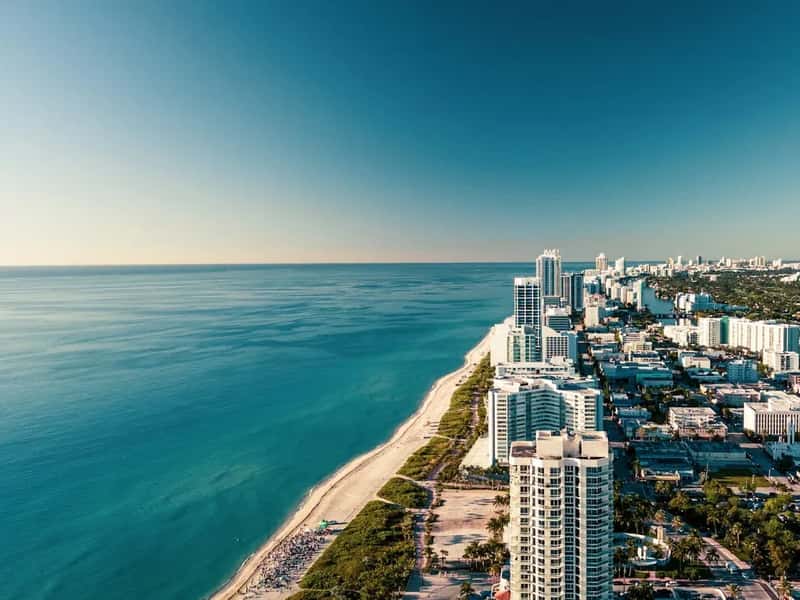
Miami is one of those cities that seems immune to tourism trouble. Gorgeous beaches, world-class nightlife, a thriving Latin American cultural scene. It attracts everyone from European jet-setters to South American families on holiday. Yet even Miami has not been spared.
Surprisingly, Miami is the second-hardest hit major U.S. city by the tourism downturn in 2025. May marked a low point for Miami, with a roughly ten and a half percent decline in international air arrivals, a negative trend that continued into summer with a further drop in June.
Miami has been heavily dependent on Canadian and Latin American tourists, making it more vulnerable amid global hesitation to visit the U.S. Adding to the problem, Miami International Airport reduced capacity, while Fort Lauderdale-Hollywood International Airport also cut its route network. Fewer flights means fewer tourists, full stop.
Miami’s hotels and attractions, though still drawing large crowds, are experiencing a decline in the number of overseas guests, particularly during off-peak months. While tourism from domestic visitors is holding steady, the international market’s struggles in 2026 underscore the city’s vulnerability to global economic shifts. It’s a reminder that even the most magnetic cities can feel the pull of a broader geopolitical tide.
Los Angeles: A Perfect Storm of Problems
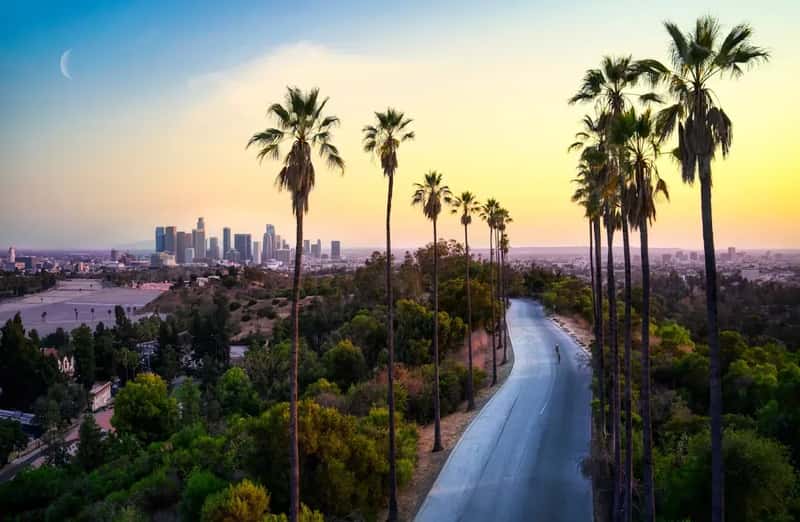
Los Angeles had more working against it in 2025 than perhaps any other major American city. The devastating January wildfires, already declining international confidence in U.S. travel, and a recovery from the pandemic that had never quite reached full speed – it all collided at once.
A report by the American Hotel and Lodging Association found that Los Angeles’ recovery of international visitors from 2019 levels lags behind every other major U.S. city, even as the city continues to recover from both the long-term effects of the pandemic and the devastating wildfires.
Visit California projected a nine percent decline in international tourism in 2025. Visitors from Canada dropped by nearly thirty-eight percent compared to the same period in 2024. That is a staggering drop for a city that historically counted on Canadian visitors as a cornerstone of its international market.
Los Angeles saw a decline of roughly eight percent in international tourists in 2025, especially from Asia and Europe. The reasons mirror those affecting other states – uncertainty surrounding U.S. immigration policies, increased visa processing times, and the political climate. Although California’s tourism remains somewhat supported by domestic travelers, the loss of international visitors is being felt. For a city where tourism supports more than half a million jobs, that pain has a very human face.
The Bigger Picture: What’s Really Driving the Slowdown
Step back from the individual cities for a moment and the pattern becomes impossible to ignore. This is not just bad luck or a slow season. There are structural, political, and economic forces driving international visitors away from the United States – and they are operating at scale.
International visits to the United States fell approximately fourteen percent in March 2025 compared to the same period the previous year, according to preliminary data from the Department of Commerce. Canada recorded a twenty-six percent annual decline in overnight land trips in March, while Western Europe saw a seventeen percent decline in visits – the first such decline since 2021.
Among the sharpest national-level drops, Germany recorded a steep fall in U.S. car rental interest, while Canada showed a staggering forty percent drop since the prior year. Ongoing trade tensions, geopolitical rhetoric, growing travel costs, and the weaker Canadian dollar all contributed to a sustained drop in Canadians opting for U.S. travel.
In July 2025, the U.S. government increased the Electronic System for Travel Authorization application fee from $21 to $40 – effectively doubling the cost for travelers from Visa Waiver Program countries. Combined with increasing costs of airlines, accommodation, and transportation, the total price of traveling to the U.S. has become prohibitively expensive for many international visitors. That kind of friction quietly kills bookings before they ever happen.
What do you think – will America’s biggest tourism hubs find a way to win back international travelers, or is this slowdown just the beginning of a longer shift? Share your thoughts in the comments.