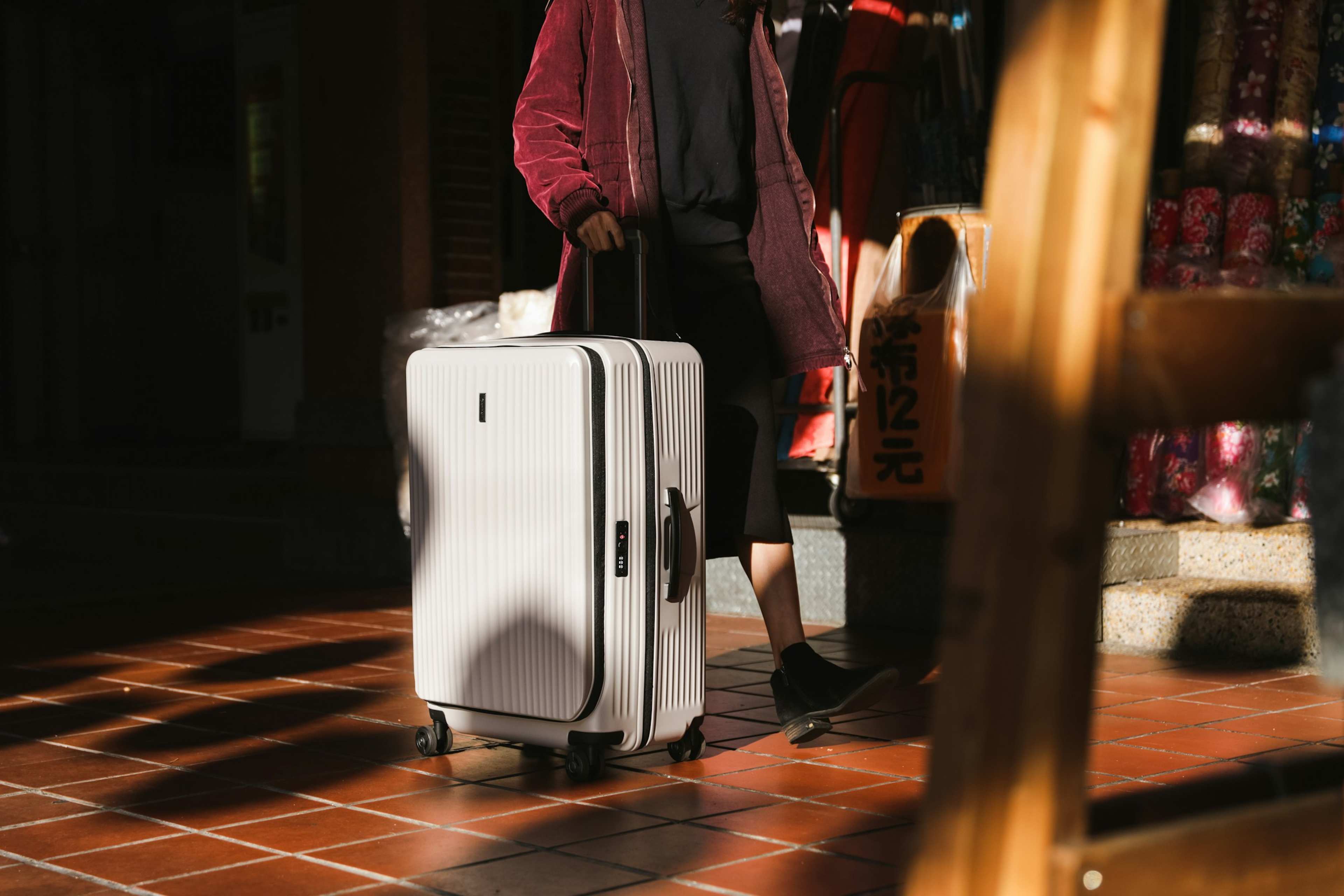
What to Pack for an International Trip – Image for illustrative purposes only (Image credits: Unsplash)
Seasoned travel bloggers with more than a decade of full-time experience abroad have noticed a consistent pattern. Most first-time international travelers pack the obvious items such as passports and medications yet still encounter avoidable frustrations once they land. The difference often comes down to a handful of targeted accessories that address power reliability, hydration safety, daily mobility, and data security in ways standard checklists rarely cover.
Power Solutions That Go Beyond Basic Adapters
Travelers frequently underestimate how quickly devices drain when used for navigation, translation, and photography in unfamiliar settings. A universal travel adapter with broad compatibility across more than 200 countries solves the immediate plug issue, yet experts favor models that also monitor voltage, wattage, and temperature in real time. These features reduce the risk of damaging expensive electronics in regions with inconsistent electrical systems. Many also carry a high-capacity power bank rated above 20,000 mAh. Such units provide multiple full charges for phones and other gadgets during long days away from outlets. The combination allows travelers to stay connected without constantly hunting for charging stations or relying on potentially unreliable hotel infrastructure.
Hydration Strategies That Account for Local Water Quality
Dehydration remains a common complaint on international trips, especially when water sources raise safety concerns. Rather than purchasing single-use bottles repeatedly, experienced travelers keep a reusable option on hand at all times. Self-cleaning models use built-in technology to purify water on the go, while lightweight insulated bottles work well in places where tap water is already reliable. This habit eliminates the need to calculate daily purchases or worry about plastic waste. It also encourages consistent fluid intake during long walks or transit days when access to stores may be limited.
Lightweight Carry Options for Changing Conditions
Even when a main backpack serves as carry-on luggage, a separate packable day bag proves valuable for extended outings. These compact options fold small enough to tuck away yet expand to hold extra layers, maps, or spontaneous purchases. The approach prevents overpacking the primary bag while offering flexibility for varying weather or last-minute detours. Protection for eyewear follows a similar logic. Instead of bulky cases that add weight, slim protective sleeves keep glasses and sunglasses secure without taking up valuable space. Travelers who once risked damage by tossing items loosely now maintain better organization and reduce replacement costs.
Backup Practices for Photos and Documents
Frequent photographers often learn the hard way after equipment loss or theft. Daily double backups – one copy on a laptop and another on a portable solid-state drive – provide peace of mind without adding significant bulk. The routine ensures that images and important files survive even if the primary device disappears. These practices turn potential disasters into minor inconveniences. They also free mental energy for enjoying the destination rather than worrying about irreplaceable content.
Key items that address overlooked needs include a smart universal adapter, high-capacity power bank, self-cleaning water bottle, packable day bag, protective eyewear sleeve, and portable SSD drive.
Ultimately, the most effective packing lists evolve from repeated real-world testing rather than generic advice. Focusing on these targeted accessories helps travelers move through international journeys with fewer interruptions and greater confidence.