There’s a quiet game being played at every airport in the world, and most travelers have no idea they’re even in it. The bag you choose to roll through the terminal says something about you before you ever open your mouth – and in some cases, it can make the difference between staying in economy or finding yourself in a premium seat with a glass of champagne in hand. It sounds almost too simple, but luggage has quietly become one of the most powerful yet overlooked signals in the modern travel experience. Understanding why that is, and what to do about it, could genuinely change how you fly.
First Impressions at the Gate: What Airline Staff Actually Notice
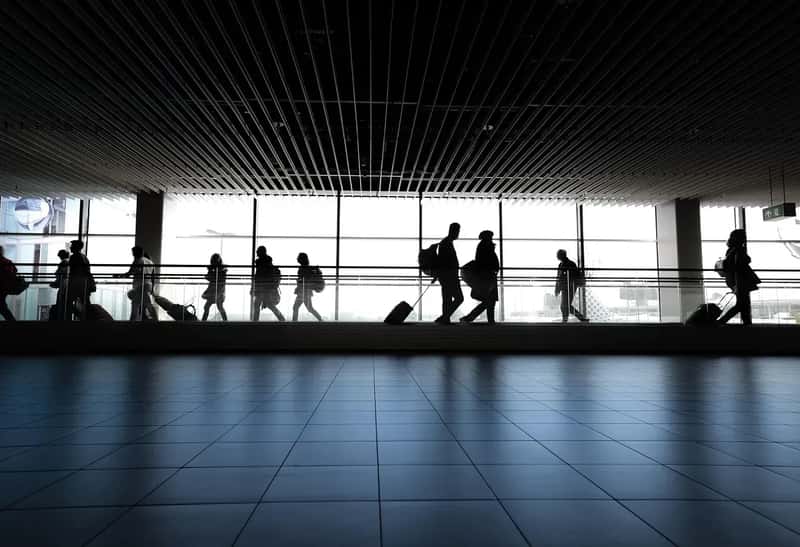
Airline employees will be looking at each bag as you approach the gate, and American Airlines even announced a decision to remove its metal bag sizers from boarding gates, shifting toward a more subjective system. According to an internal memo reported by the aviation website View From the Wing, gate agents were instructed to “use their judgement” about whether a bag was oversize. That judgement doesn’t stop at dimensions. Experienced gate agents and check-in staff are trained observers, and a battered, bulging, visibly cheap suitcase is an instant signal that can affect how a passenger is treated from the moment they approach the counter.
Gate agents have learned to spot expanded bags quickly, and the visual cue is obvious – your bag looks stuffed and bulges beyond its frame. Even if the bag technically measures within limits, an overstuffed appearance flags it for measurement. This principle doesn’t just apply to carry-on enforcement. A passenger who arrives at check-in with a pristine, structured, quality bag telegraphs a kind of personal organization and self-presentation that staff notice. Whether consciously or not, appearance shapes the interaction – and that interaction is the one where upgrades get offered or withheld.
The Luggage Market Is Booming, and Passengers Are Upgrading
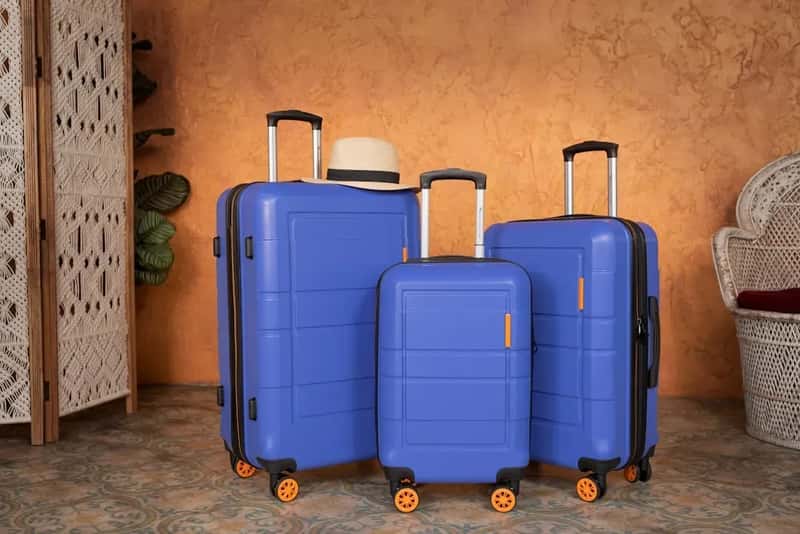
The luggage market was valued at USD 43.63 billion in 2024 and is expected to reach USD 101.29 billion by 2032, growing at a compound annual growth rate of 11.54% from 2026 to 2032. That kind of explosive growth reflects something real: travelers are increasingly willing to invest in quality bags, and not just for practical reasons. Higher spending on leisure and business trips is prompting more consumers to purchase new and replacement luggage products, and the fashion-conscious younger demographic is boosting demand for designer and tech-enabled luggage.
The World Tourism Organization reports that international tourist arrivals worldwide increased from 1.3 billion in 2023 to 1.4 billion in 2024, and the market is experiencing increased demand for premium luggage products featuring technological advancements such as GPS tracking, USB charging, digital locks, and smart weight sensors. This cultural shift matters because it changes the baseline of what passes for “standard” at check-in. The luggage industry is witnessing a trend toward smart luggage, there is growing demand for eco-friendly luggage made from sustainable materials, and the luxury segment is experiencing steady growth due to rising disposable incomes and consumers’ aspirational lifestyles. When the crowd upgrades, standing out with a truly high-end bag becomes even more meaningful.
The Status Symbol in the Overhead Bin: Rimowa, Tumi, and the Luxury Tier
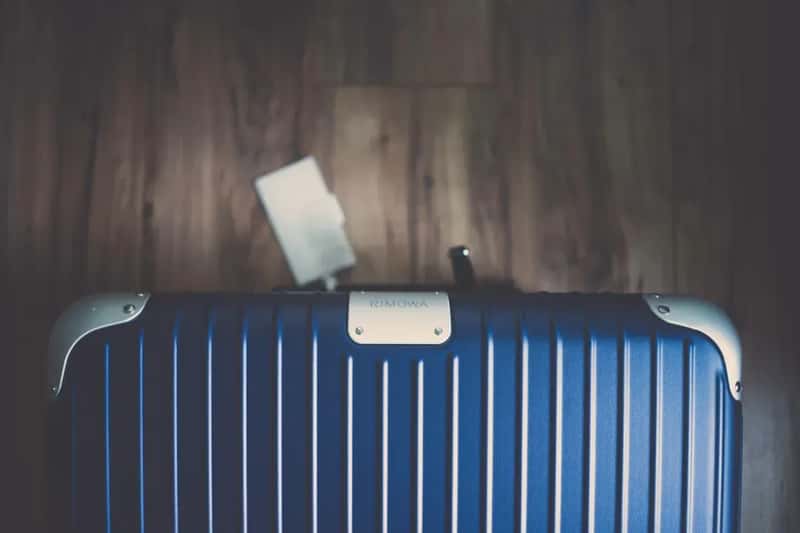
The Cologne-based luxury luggage brand Rimowa was crowned 2024’s most popular luggage brand, and their hardshell aluminum suitcases with parallel grooves have become a staple of the brand and a status symbol in airports worldwide. That word – status – is doing a lot of work here. Louis Vuitton’s Horizon 50 is a statement piece designed for travelers who value both luxury and performance, and the suitcase features Louis Vuitton’s iconic Monogram Eclipse canvas, making it immediately recognizable. Recognition is exactly the point. These bags are designed to be seen.
With the world becoming more accessible through affordable flights and the proliferation of travel culture, the demand for sophisticated and durable luggage is on the rise, with luxury luggage offering features such as advanced security, ergonomic design, and superior aesthetics that appeal to frequent travelers who prioritize convenience and style. The luxury luggage market was valued at USD 11.34 billion in 2024 and is projected to reach USD 14.51 billion by 2032. When a frequent business traveler walks up to check-in with a Tumi or a Rimowa, they are communicating a very specific thing: they do this regularly, they take it seriously, and they belong in the premium cabin. Right or wrong, those associations exist – and they influence decisions.
The Dark Suitcase Problem: Why Your Bag Color Could Work Against You
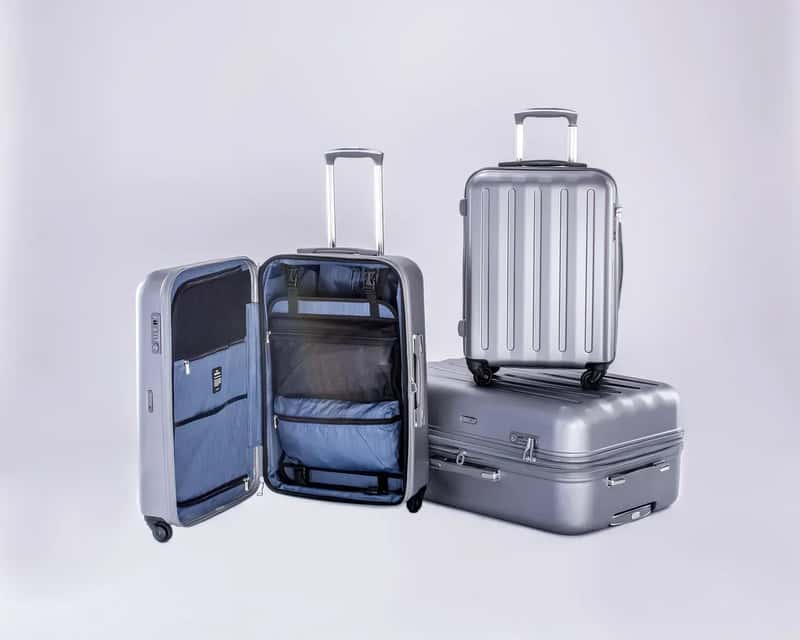
Europe’s prominent low-cost carrier Ryanair recently issued a public advisory specifically targeting passengers who travel with dark-colored baggage, and their statement highlighted a striking statistic: approximately 99.9% of travelers choose black, navy blue, or gray suitcases, creating massive identification challenges. The sea of identical bags is more than an operational headache for airlines. It is, paradoxically, a missed opportunity for travelers. Business travelers and frequent flyers consistently choose sophisticated colors like black, navy blue, and gray for their suitcases, as these neutral tones project professionalism while effectively concealing dirt and wear, but this collective preference has created an unintended consequence that disrupts airport operations worldwide.
Lost or misidentified luggage doesn’t just create inconvenience for passengers – it also impacts the airlines’ reputation and adds operational costs, as airport staff spend extra time sorting and tracking down bags that get mixed up in the jumble. A distinctively styled bag that stands apart from the crowd serves a dual purpose. It is easier for staff to identify and track, which can create a more seamless, positive interaction at check-in. Travelers can implement several cost-effective strategies to make their baggage instantly recognizable without sacrificing professional appearance. A bold color, a unique hard-shell design, or a recognizable brand logo all achieve this – and they quietly signal confidence and intentionality in how you travel.
Smart Luggage and the Tech Traveler Advantage
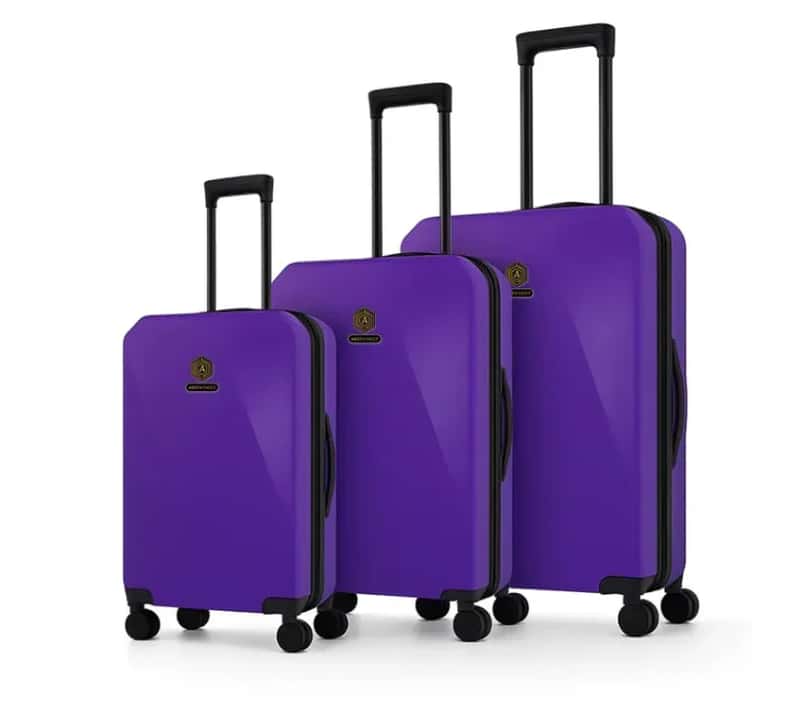
The market is experiencing increased demand for premium luggage products featuring technological advancements such as GPS tracking, USB charging, digital locks, and smart weight sensors. Travelers who show up with smart luggage are sending a clear signal: they are organized, tech-forward, and serious about travel. The luggage industry is witnessing a trend toward smart luggage equipped with features like GPS tracking, USB charging ports, and built-in scales. A built-in scale alone – preventing overweight baggage surprises – is the kind of detail that keeps a check-in interaction smooth and positive, setting the right tone for any upgrade conversation that follows.
On domestic flights, business and first-class fares can sometimes be as little as a few hundred dollars more than an economy ticket and can be worth the extra cost, especially if it helps you avoid paying for other add-ons like checked luggage, priority boarding, or lounge access – and if you are going to pay for one of these add-ons anyway, you might as well get a better seat too. The traveler who arrives with a smart, efficient bag, no baggage-fee drama, and a polished overall appearance is exactly the profile that gate agents remember when discretionary upgrades need to be filled. It is not luck. It is the cumulative effect of small, deliberate choices.
How to Actually Use Your Luggage to Get Closer to First Class
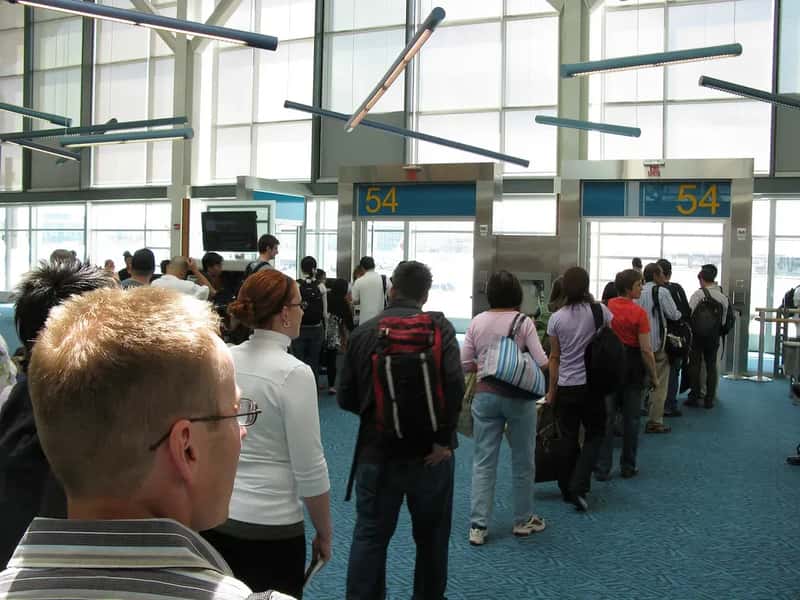
The price for premium cabin fares decreases as you get closer to departure, and to see upgrade options, travelers can go to their airline’s app or website, open their reservation, and click on “Upgrade Options,” while also taking advantage of a last-minute upgrade while checking in on the app or at the airline kiosk. The traveler who is already presenting well – quality bag, composed demeanor, organized documents – is the one most likely to be offered that last-minute upgrade. If bidding for an upgrade or relying on status for a bump, paying attention to the fare class of your economy ticket when buying it is key, as airlines will prioritize certain fare classes and classes of passengers over others – and if you have a flexible economy ticket, you are more likely to get the upgrade than someone with a plain old economy ticket.
Premium cabin customers on many airlines, including Delta, American, and JetBlue, often receive a more generous 70-pound checked baggage limit, while budget carriers rigidly enforce weight restrictions to capture revenue from overweight bags. The vast majority of passenger baggage travels as planned, with globally 99.5% of baggage arriving with the passenger. Choosing a well-constructed bag that handles the journey without drama, stays within size limits, and looks sharp at every stage is not vanity – it is strategy. The whole airport experience is a series of brief human judgements, and your luggage participates in every single one of them.