Nobody expects to lose money while standing at a boarding gate with a coffee going cold. The phone buzzes, the message looks urgent, and a tired brain does what it always does, which is to fix the problem fast.
That reflex is exactly what the scams below are built around. Here is what verified reports from 2025 and 2026 show about WhatsApp messages tied to airports and flights, how the money actually disappears, and what holds up against it.
Why Airports Are Such Easy Ground for Scammers
Fodor’s 2026 round up of travel scams makes a simple point. Scammers still rely on travelers being tired, distracted, and trusting, but what has changed is the delivery system.[1] Today that means QR codes, delayed flight alerts, airport networks and charging ports.
Airports also produce a steady stream of real notifications about gates, delays and rebooking. Flight delay notices, urgent airline messages, and fake booking confirmations now look almost exactly like the real thing.[1] A fake one slips into a pile of genuine ones.
There Is No Single Named Message, Only a Pattern

It’s worth being plain about this. My research found no single, officially documented “airport message” with that name that empties accounts on its own. What exists is a family of scams that share the same steps.
First comes a message about a flight, a refund or a booking. Then the chat gets moved somewhere less protected, and finally the victim is steered into handing over a code, a login or a payment. The details change, but the sequence rarely does.
The Fake Cancellation Alert
The most common opener is a notice that your flight has been cancelled. New Hampshire’s banking regulators describe the typical version: the message looks official and even includes your real flight number[2]. The goal is to scare you into acting before you think.
If you call the number or tap the link, you reach a scammer posing as airline staff who asks for financial details to “rebook” you.[2] Fox News adds that many scammers now use AI tools to produce convincing language and fake confirmations.[3] The FTC has also warned about airline impersonation through texts and calls.
When the Conversation Moves to WhatsApp
Gen Digital’s June 2026 research notes that the message may push you off the official channel and into SMS, WhatsApp, Telegram, direct messages or a phone call.[4] One example line it lists is a claim that high call volume means you should continue on WhatsApp. That detail matters, because a real airline can confirm any change through its own app or website.
Some of these messages are unnervingly specific. You might get a WhatsApp message that knows your hotel name, travel dates or booking reference.[4] Personal details make a stranger sound like a service desk, though they don’t prove it is one.
A Real Case That Cost Thousands

A case reported in May 2026 shows how this plays out. A North Vancouver woman lost $6,000 after scammers impersonated airline customer support accounts on social media[5] while her family dealt with a cancelled flight.
The fraud involved fake social media replies, WhatsApp calls, refund promises, and money transfers through payment platforms.[5] She grew suspicious at one point, yet the scammer used the urgency of the cancelled flight and the family’s distress to keep the conversation going.[5] Suspicion alone doesn’t stop the loss if the pressure keeps building.
Airport QR Codes and the Linked Devices Trick
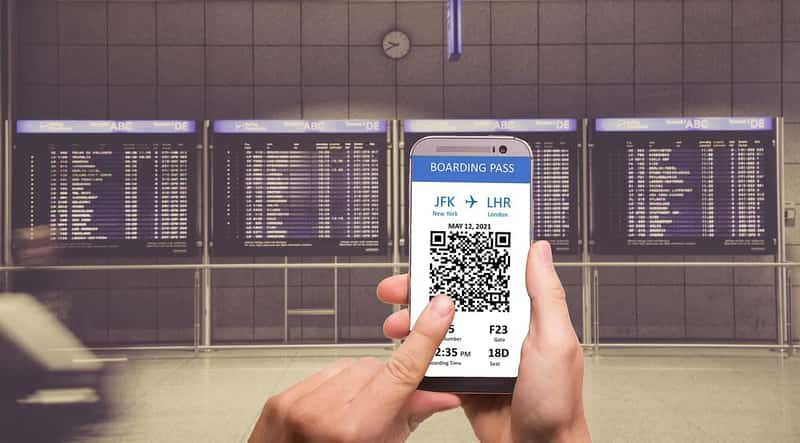
QR codes add a second route. Airports and transit stations are full of QR codes for Wi-Fi, directions, tickets, luggage storage, forms, lounge access, and service information.[6] Fodor’s notes that if a scammer replaces an official code with their own, it could redirect you to a scam site.[7]
WhatsApp has its own QR risk. In Switzerland, BACS reported more than 50 reports of a WhatsApp voting scam in October 2026, many of them successful.[8] Some fake pages ask you to scan a code through Linked devices, which quietly links your account to the criminals’ system.[8] The bait there was a vote, not a flight, but the mechanism would work with any story.
The Hijacked Friend Problem
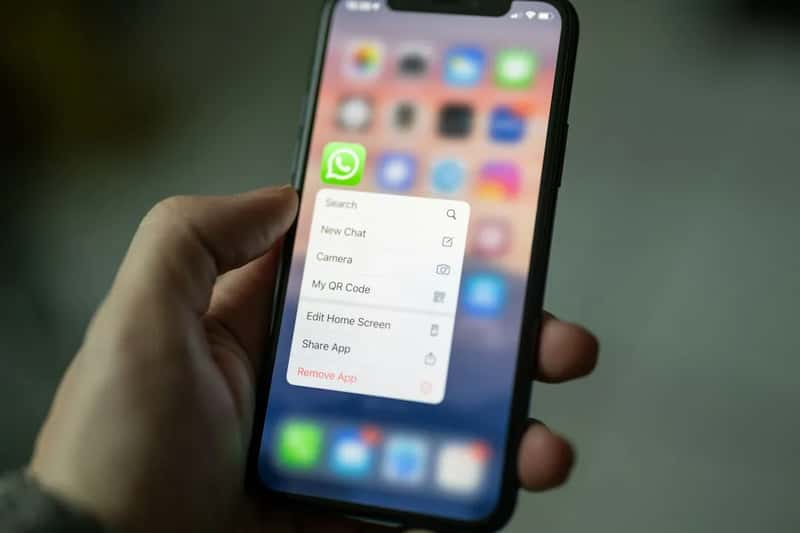
Sometimes the message isn’t aimed at you at all. It arrives from a contact whose account was taken over. On October 28, 2026, Mothership reported a Singapore man whose account was apparently hacked, after which his friend received messages asking her to help transfer S$1,300 to a bank account.[9]
She nearly went along with it. What stopped her was noticing that the phone number linked to the bank account was registered in South Africa.[9] Scamadviser’s guidance is just as direct: never share a WhatsApp verification code, even if the message appears to come from someone you know.[10]
The Fake Bank Alert That Asks You to Reply
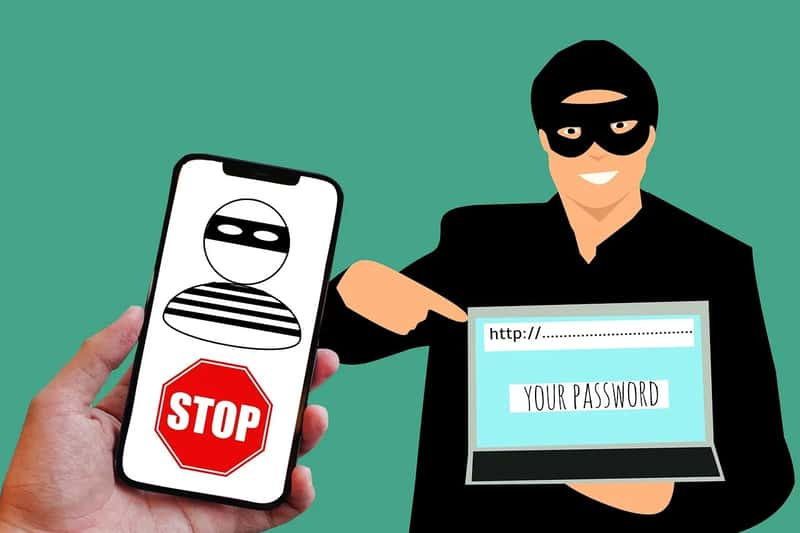
Another message doing the rounds in October 2026 claims a wrong debit has hit your account and asks you to reply NO to cancel it. Reports said it was spiking on 14 October 2026 across student groups[11] in India. Police there call it a trap, not a banking process.
The practical advice is consistent across sources. Open your bank or UPI app directly and check transactions[11] instead of answering in the chat. Banks don’t confirm transactions through WhatsApp replies.
Public WiFi Makes Everything Worse
Airport networks give attackers another way in. One of the trickiest is the evil twin, where fake networks mimic real airport or café Wi-Fi, and your device might connect automatically without you noticing.[7] Even a genuine airport network isn’t a safe place for sensitive tasks.
Fodor’s suggests asking at the information desk for the official network name. It also advises that even on the proper airport Wi-Fi, you should avoid signing into banking apps until you have a password protected network.[12] Mobile data is the safer choice for anything involving money.
Steps That Actually Hold Up
Start with the channel. If a message claims a flight change, go directly to your airline’s portal, and rebook only with the airline or booking system you originally used.[13] Don’t tap links sent by text, and don’t trust phone numbers that arrive in a message.
On WhatsApp, turn on two step verification, never share the six digit code, and check Settings, then Linked devices, for anything you don’t recognise. If you clicked a link or paid money, contact your bank, secure your accounts, save screenshots, and report the number.[10] In the UK, the short number 159 reaches the fraud departments of most major banks.[14] In the US, fake airline messages can be reported at reportfraud.ftc.gov.
Where This Leaves You
The pattern is steady. A message creates urgency about a flight or a payment, pulls the conversation onto WhatsApp, and then asks for a code, a scan or a transfer.
Check the claim in the airline’s own app, keep your verification code to yourself, and don’t scan or reply until you’ve confirmed the sender another way.