


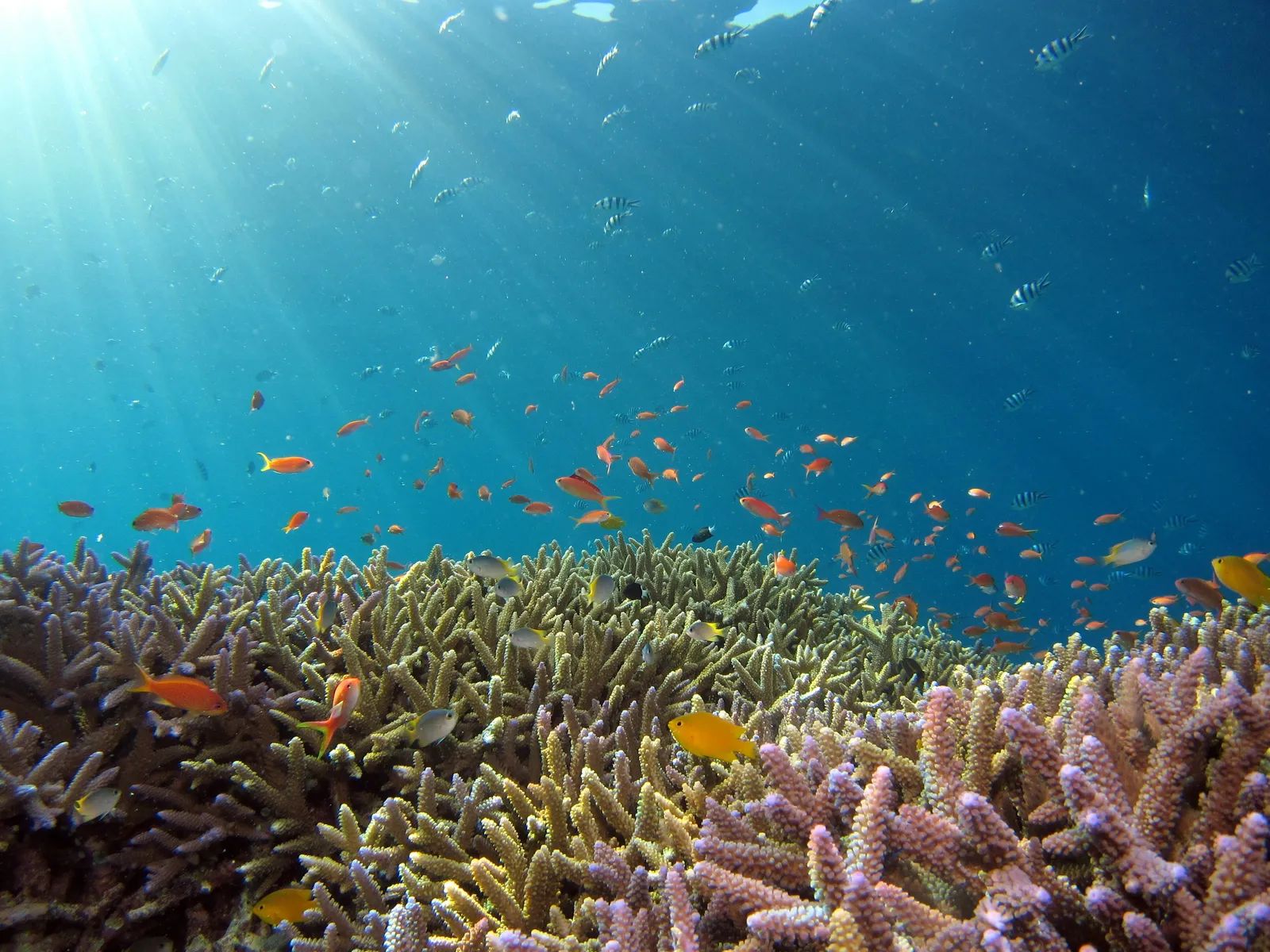
Bruges, Belgium – More than 800 people gathered for the 7th World Conference on Marine Biodiversity, held Nov. 17 to 20, to examine how much of the sea’s life remains unrecorded. The agenda ran from deep-sea mining to environmental DNA and citizen science, yet a broader question ran through many sessions: how people value the ocean, and whether current approaches are doing enough to protect it. ([1])
Topics that reached well beyond the lab
The program was wide ranging. Speakers addressed the effects of deep-sea mining, along with ocean-related art, citizen science projects, and methods for handling very large datasets. Environmental DNA and the work of naming and classifying species also received attention, reflecting how central identification has become to marine research.
That breadth mattered to organizers and attendees alike. A conference on ocean life that covered art and public participation alongside technical methods suggested that the field is trying to connect laboratory findings with the people who depend on the sea.
A question of value, not only volume
The opening keynote came from David Obura, founder of the Kenyan marine research nonprofit CORDIO East Africa. He urged a change in how people think about using the sea. In an email to Mongabay recapping his talk, Obura warned that relying on the same values that have shaped current markets would push ocean health further downhill. “We’ve seen this already,” he wrote, arguing instead for values that put balance and sustainability first.
His argument centered on time horizons. Obura called for approaches that deliver long-term security and prosperity rather than short-term gains, and he emphasized benefits that extend across multiple areas rather than a single commercial return. For coastal communities, fisheries operators, and governments weighing ocean policy, that shift would change which projects get approved and how their costs and benefits are measured.
The species nobody has named yet
Many participants returned to a simpler point. Before the sea can be managed well, its inhabitants need to be counted and described. Bert Hoeksema, a guest researcher at Naturalis Biodiversity Center, a museum in the Netherlands, told Mongabay that the goal is practical. Scientists want to know how many species exist because that knowledge shapes what conservation must protect.
Hoeksema has studied corals for more than four decades, and he recently published a paper identifying key countries involved in the marine aquarium trade. His comments reflected a gap that many at the conference seemed to share. “There are so many species that are not known,” he said. Several recurring questions emerged from the discussions:
Related Stories From Travelbinger


- How many marine species are still undescribed?
- Which overlooked species play important roles in their ecosystems?
- What values should guide decisions about using the ocean?
- Do current approaches actually serve the health of marine ecosystems?
What the gap means going forward
The conference did not produce a single verdict on deep-sea mining or on any other specific policy, and the source material does not describe one. What it did show is that the inventory of ocean life is still incomplete while human activity in the sea continues to expand. Decisions made in the coming years will therefore rest on partial knowledge.
That tension gives the discussion its urgency. Researchers and advocates appear to agree on the need for better counts and broader values, even when they disagree on priorities. Whether those ideas reach policy in time to protect species that have never been formally named may be the question that matters most as the next meetings approach.




