You probably have a packing ritual. Passport. Charger. Headphones. Maybe a neck pillow you swore you’d finally use this time. Most travelers put real thought into entertainment, snacks, even their outfit. Yet there is one item so simple, so cheap, and so wildly effective that it addresses nearly every hidden health threat on a plane – and most people leave it at home without a second thought.
We are talking about something that fits in the palm of your hand, costs almost nothing, and could be the single best investment you make before any flight. Stick around, because what follows might completely change how you pack.
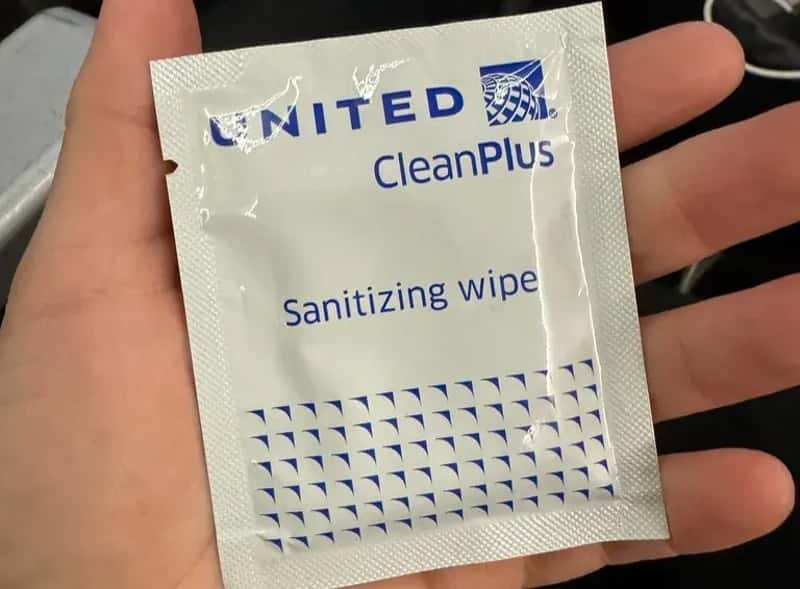
The Secret Weapon: Disinfectant Wipes
Let’s be real. When most people think about staying healthy on a flight, they think about the air. They imagine recirculated germs floating through the cabin like some invisible cloud of doom. Honestly? The air is not your biggest problem.
The tray table in front of you is the germiest surface on a plane, hosting roughly eight times more bacteria per square inch than the lavatory flush button. Eight times. That little fold-down table where you eat your in-flight pretzels is, microbiologically speaking, a disaster zone.
Disease-causing bacteria on airplane surfaces can linger for days, even up to a week, research shows. A team of microbiologists at Auburn University found that antibiotic-resistant bacteria and viruses can essentially hitchhike through multiple flights on armrests, window shades, tray tables, and toilet handles. There are no industry-wide regulations on how well or how often planes must be cleaned, and while airlines tidy up between flights, there is often not enough time to wipe down surfaces or clean out the seat-back pockets.
That small pack of disinfectant wipes in your carry-on changes everything.
Why the Tray Table Is Ground Zero for Germs
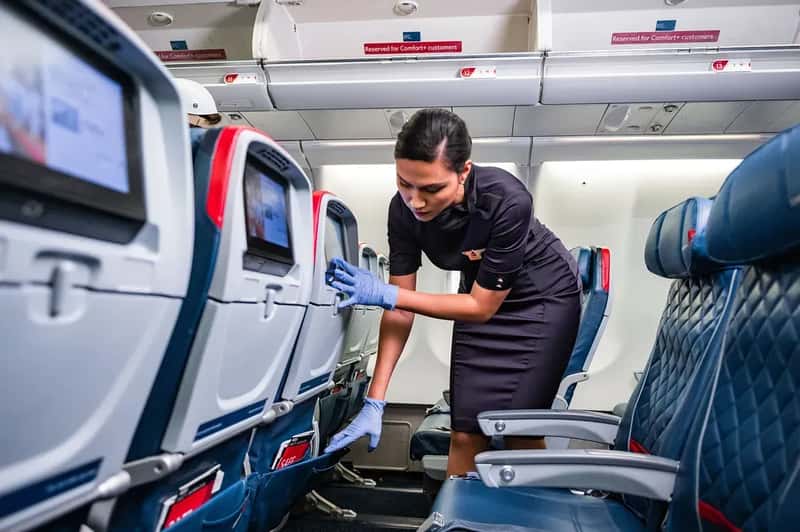
Here is the thing most passengers never stop to consider. One study found that airplane trays have a germ-meter score of 1,688 – compared to just 32 in the bathroom. Read that again. Your tray table is many times dirtier than the airplane toilet.
Swab tests reported by the Canadian Broadcasting Corporation revealed some seat headrests teeming with Staphylococcus, E. coli, and Hemolytic bacteria – all germs that can cause the flu and other nasty bugs. The same research found that seat-back pockets tested positive for aerobic bacteria, mould, coliforms, and E. coli.
Microbiologists and engineers at Auburn University found that antibiotic-resistant bacteria and viruses can survive on armrests, window shades, tray tables, toilet handles, and more. And there is a deeply unpleasant reason for all this. Flight attendants have seen people change diapers on tray tables, and other notoriously dirty spots include the seat belt, toilet flush button, and air vent. You have been warned.
How to Actually Use Wipes Correctly on a Plane
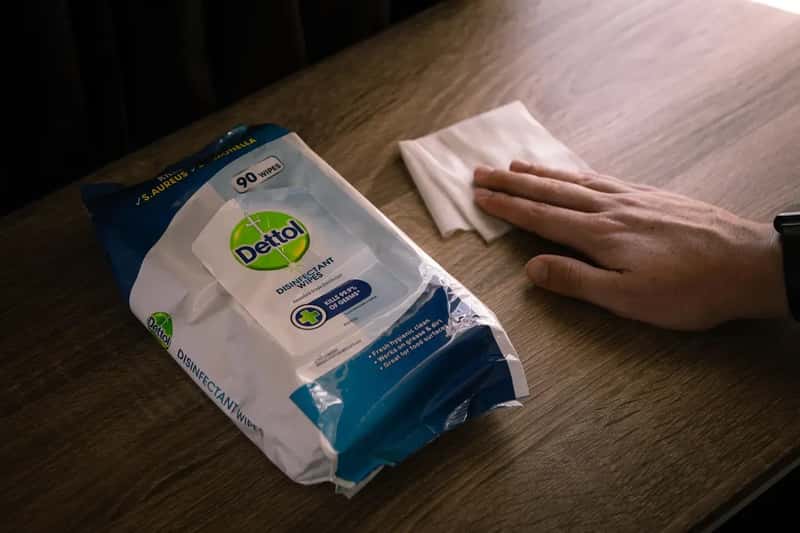
Most people who do bring wipes still use them wrong. They give the tray a quick swipe and move on. That is not how disinfection works.
Disinfecting wipes must keep surfaces visibly wet for anywhere from 30 seconds to four minutes, depending on the product. This is when the chemicals actually kill the germs. A fast wipe is basically just smearing bacteria around. Wipe down your tray table, the seat belt buckles, the armrests, the air vent knobs, the light buttons, the TV screen, and even the wall near your head if you have a window seat.
Pack EPA-registered disinfecting wipes before you fly. Travel-size packs hold plenty for an entire flight and slip easily into a bag pocket. Avoid hand sanitizer wipes designed for skin, baby wipes, or makeup remover wipes – these just smear the germs around rather than killing them.
The Hydration Problem Nobody Warns You About
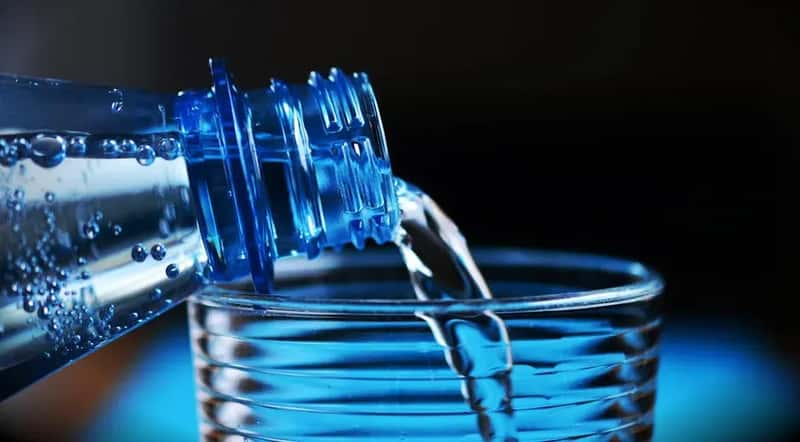
I know it sounds crazy, but the dry air inside an airplane cabin is something close to an environmental extreme. Airplane cabins are notorious for extremely low humidity, often as low as 5%, far below the comfortable 30 to 50 percent found indoors on the ground. For comparison, even the Sahara Desert sees higher typical humidity levels than that.
Resting ventilatory water losses can increase from 160 ml per hour to 360 ml per hour when relative humidity decreases from 60 percent to 12 percent, a drop entirely consistent with airline cabin environments. On a ten-hour flight, you may lose up to one and a half to two liters of water through breathing alone. That is before counting any sweating or bathroom visits.
Low humidity levels in the airplane also dry out sinuses and mucous membranes, which play an important role in protecting your body from airborne diseases. Besides just feeling thirsty, dehydration can cause fatigue, dizziness, and confusion. A reusable water bottle is the simplest fix and pairs perfectly with your wipes as part of a complete in-flight health kit.
What Dehydration Does to Your Skin, Eyes, and Taste Buds
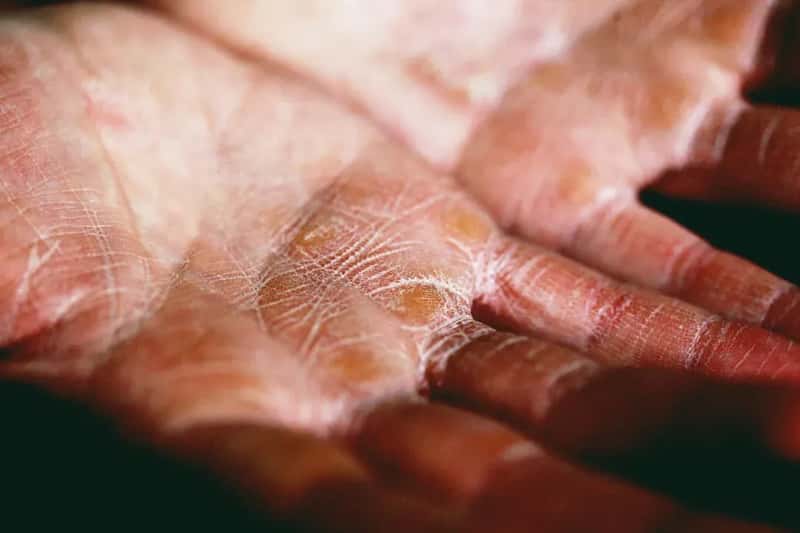
Dehydration on a plane goes far beyond a dry throat. The combination of dry nasal passages and a dry mouth means your sense of taste is diminished by up to 30 percent, with sweet and salty flavors particularly affected, making meals seem bland and less enjoyable. This is actually why airline food gets such a bad reputation – it is not always the food. It is your desiccated taste buds.
Lengthy air travel can dry out eyes, especially for people who wear contact lenses, and in a low-humidity zone like a plane, drying is worse than in a normal humid environment. Low humidity makes moisture evaporate faster from your skin, eyes, and throat, which explains the dryness you feel soon after takeoff.
It is unlikely that low humidity causes long-term harm, provided hydration is maintained by drinking adequate amounts of fluid. Dry skin can be alleviated by using moisturizing creams before flight, and dry eye irritation can be alleviated by moisturizing eye drops. A moisturizer and some eye drops added to your carry-on cost almost nothing and make a flight feel dramatically more comfortable.
The Surprisingly Strong Case for a Face Mask

Masks are no longer mandatory on flights, and most passengers have happily ditched them. Yet the science on their usefulness has not changed. Wearing a mask can help reduce the risk of catching or spreading respiratory viruses, especially during outbreaks.
Overcrowded airports and plane cabins with no free seats contribute to people getting sick, especially those with weakened immune systems. Experts suggest it is worth considering wearing a face mask if you are concerned about catching a bug while traveling. It is not about fear. It is just math – you are sealed in a metal tube with hundreds of strangers for hours at a time.
HEPA filters on modern aircraft are 99.9 percent or more effective at removing viruses, bacteria, and fungi, with cabin air comprising roughly half fresh air from outside and half HEPA-filtered recirculated air, renewed 20 to 30 times an hour. The air is genuinely cleaner than you think. A mask just adds one more useful layer of protection for the spaces right around you.
Your Medications Belong in Your Carry-On, Full Stop
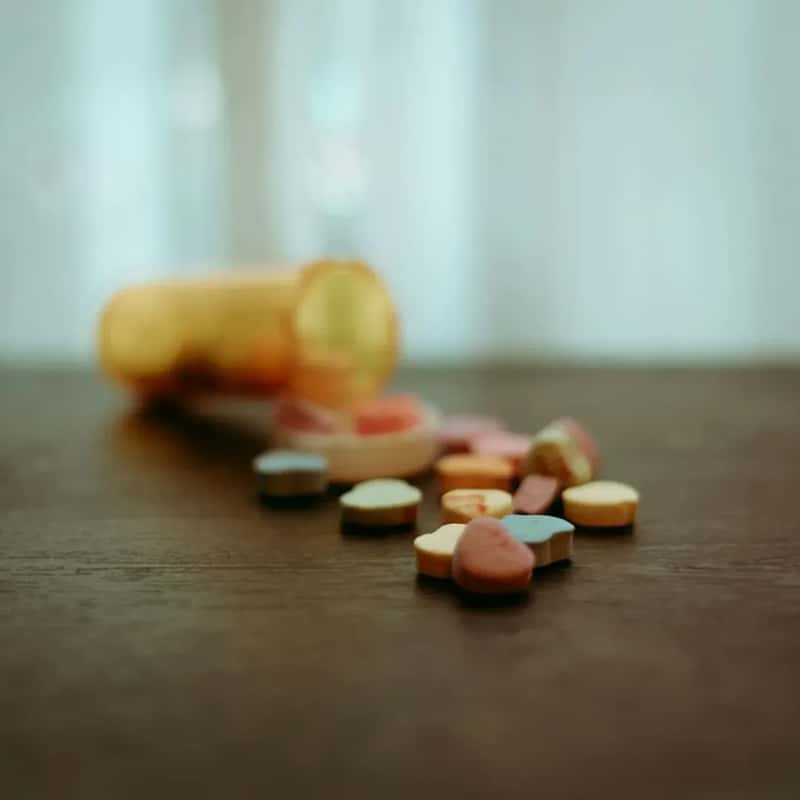
This one seems obvious until the moment it is not. Pack enough medicine in your carry-on bag to last your whole trip – this prepares you in case your checked baggage gets lost, and it is also smart to take extra in case your return trip gets delayed.
Carry a list of your medical conditions, allergies, and current medications. It sounds like overkill until you are sick in a foreign country and cannot remember the name of your prescription. It is also a good idea to carry a copy of your basic medical history, which your doctor can print for you, and which will help enormously if you need to see someone while on your trip.
Medication in liquid form is allowed in carry-on bags in excess of 3.4 ounces in reasonable quantities for the flight, and it does not need to be placed in a zip-top bag. Most travelers do not know this TSA rule, which removes one more excuse for leaving essential medications behind.
The Seat-Back Pocket: Just Don’t

Let’s talk about the seat-back pocket. It looks convenient. It is a biological hazard. Flight attendants consistently recommend never using the seat pocket or putting anything in it, noting that pockets are cleared of rubbish but are never actually cleaned.
While airlines tidy up between flights, there is not enough time to wipe down surfaces or clean out the seat-back pockets. Your disinfectant wipes cannot help you here because fabric surfaces do not respond to wipes the same way hard surfaces do. You cannot really disinfect fabric easily, so there are not many options to protect you from any bacteria lurking in the cushions.
The lesson: keep your own belongings in your lap or overhead bin, and treat the seat pocket as if it does not exist. It is a small behavioral change that costs nothing and keeps your hands away from one of the dirtiest spots on the plane.
The Power of Hand Sanitizer as Your In-Flight Best Friend
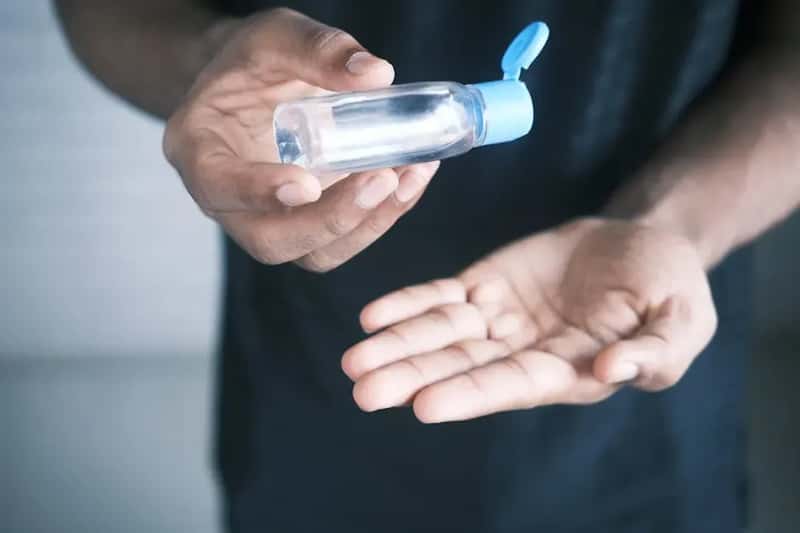
If you only bring one thing on a flight, it should probably be disinfectant wipes. But if you are bringing a second thing, make it hand sanitizer. You can pack disposable wipes to clean the tray tables, but your best lines of defense also include washing or sanitizing your hands, especially before eating.
According to one study of travelers and the spread of germs on airplanes, nearly 20 percent of passengers have flown sick, and roughly 19 percent do not always wash their hands after using the airplane bathroom. That is a sobering statistic to carry with you. Use hand sanitizer with at least 60 percent alcohol before eating or touching your face.
Staying hydrated helps you avoid getting sick by supporting your immune system, allowing your body to naturally flush toxins, and maintaining healthy mucous membranes that trap pathogens, making it harder for viruses and bacteria to thrive. Water and hand sanitizer together form a remarkably cheap and effective one-two punch against in-flight illness. Most people bring neither. Now you know better.
Putting It All Together: Your Minimal Health Kit for Any Flight
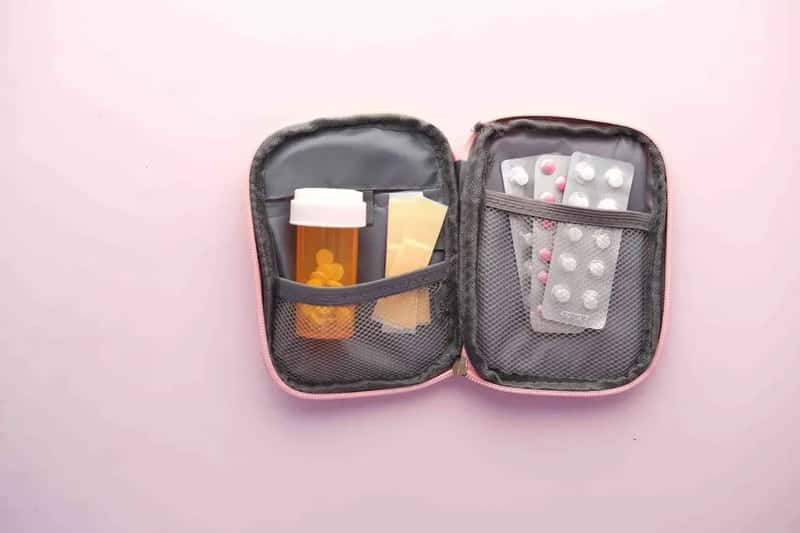
Here is the bottom line. You do not need to turn your carry-on into a pharmacy. You just need a few very small, very cheap items that work quietly and powerfully in your favor. A small pack of EPA-registered disinfectant wipes. A reusable water bottle. Hand sanitizer with at least 60 percent alcohol. A travel moisturizer and eye drops for long-haul flights. Compression socks for anything over four hours. Your medications in their original containers.
Airplane travel is a dehydrating experience, and dehydration increases the effects of jet lag and makes it difficult for your circadian rhythm to get settled into a new location. Dehydration also worsens jet lag, making it harder for your body to adjust to new time zones and amplifying feelings of fatigue, confusion, and poor sleep quality, meaning you may take longer to recover after landing.
None of this is complicated. It does not require a doctor’s appointment or a special product subscription. It just requires remembering that a plane is a shared, high-traffic, rarely-cleaned environment – and packing accordingly. The next time you board, that small pack of disinfectant wipes sitting in your bag is probably doing more for your health than anything else you packed.
What do you think – are you already packing any of these items, or has something here surprised you? Tell us in the comments below.