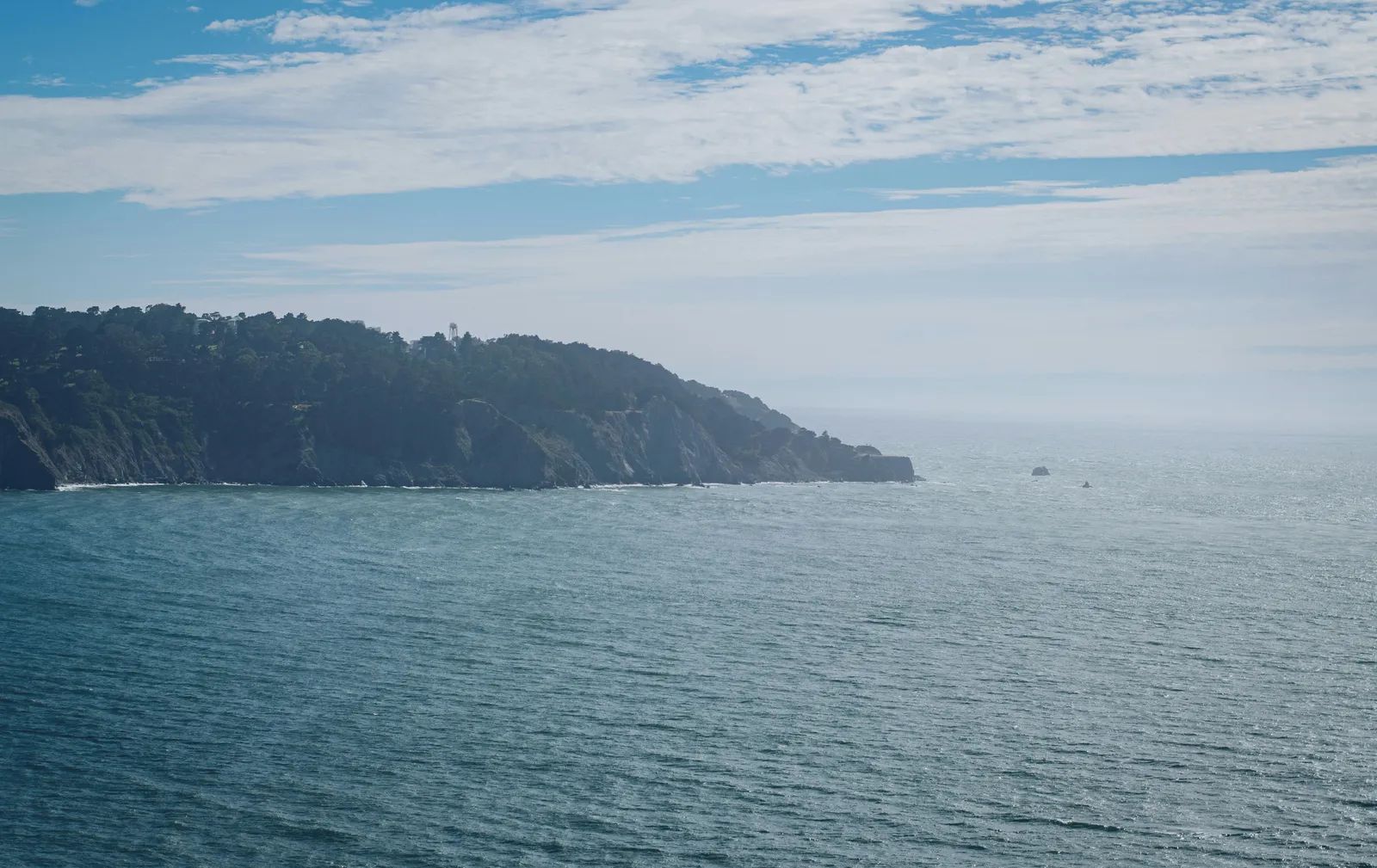
San Francisco draws visitors for its iconic skyline and Silicon Valley commands attention as a global technology center, yet the corridor connecting them receives far less notice. The San Francisco Peninsula stretches just south of the city through San Mateo County, bordered by the Pacific Ocean on one side and the bay on the other, with the Santa Cruz Mountains rising in between. This compact region preserves more than 40 percent of its land as open space while supporting dozens of working farms and historic towns. Travelers who pass through on Highway 280 often overlook the chance to explore a route that combines coastal drives, mountain views, and easy access to both urban amenities and wilderness.
Why the Peninsula Route Matters for Bay Area Travelers
Many visitors arrive in the region with tight schedules and head straight from the airport or city limits to well-known destinations. The peninsula offers a practical alternative that requires no long detours, allowing a single day or weekend to combine ocean access with inland scenery. Its location means travelers can start near San Francisco and finish within a short drive of Silicon Valley offices or the airport. The mix of protected coastline, redwood groves, and small agricultural communities creates a distinct experience that contrasts with the density of the city to the north and the suburban sprawl to the south. This balance also supports a range of activities without requiring extensive planning. Morning surf sessions or tide pooling can lead into afternoon hikes or visits to historic estates, followed by evening events at preserved properties. Local farms supply fresh ingredients to restaurants that range from casual diners to more refined spots, reflecting the area’s agricultural roots and proximity to culinary talent.
Coastal Highlights from Pacifica Southward
The drive begins along the Pacific Coast Highway, where Pacifica provides an immediate shift from urban traffic to beach communities. The town divides into distinct sections separated by rugged terrain, with a pier popular among anglers, coastal trails offering views toward the Golden Gate Bridge, and surf breaks suitable for beginners. Nearby reserves protect tide pools rich in marine life, though visitors must follow guidelines to avoid disturbing sensitive habitats. Further south, Half Moon Bay presents a historic main street lined with 19th-century buildings now occupied by local shops and eateries. Pillar Point Harbor supports kayaking and wildlife viewing, while nearby farms invite seasonal visits for produce and agritourism. The area’s long Native American and early California settlement history adds context to the present-day landscape of boutiques and harbor activity.
Inland Passage Through the Mountains
Highway 92 provides a scenic inland option that climbs into the Santa Cruz Mountains and reveals simultaneous views of the ocean and the bay. The route passes family farms and leads to the Upper Crystal Springs Reservoir before descending toward Woodside. This stretch highlights the peninsula’s topography and the foresight that has kept large portions of the mountains in public or preserved status. Woodside itself combines understated residential character with access to redwood trails and historic sites. The town’s early role in lumber and its later connection to technology leaders create an unusual juxtaposition of old and new California. Nearby estates such as Filoli offer both architectural interest and extensive gardens open for public events.
Planning Considerations for a Peninsula Drive
A typical itinerary can begin in Pacifica and proceed south along the coast before cutting inland, or reverse the order depending on starting point and weather. Rental car options are widely available, and the entire loop fits comfortably into one or two days for those already in the Bay Area. Events calendars maintained by local tourism resources list seasonal activities that align with farm harvests or coastal conditions. Travelers should note that some coastal areas experience marine layer fog, while higher elevations often clear for broader vistas. Reservations for popular lodging or dining spots help during peak periods, and basic preparation for variable weather supports comfortable exploration of both beach and forest environments. The peninsula demonstrates how a short distance from major hubs can deliver a self-contained travel experience focused on natural preservation and local character rather than long-distance travel.