Something big is happening across America, and it’s reshaping the retirement landscape in ways few people could have predicted just a decade ago. Cities that once seemed like obvious places to grow old gracefully – with their hospitals, culture, and infrastructure – are now being abandoned by retirees at a striking pace. The numbers are real, the trend is accelerating, and honestly, the reasons are more complicated than you might think.
According to a SmartAsset study analyzing data from the Census Bureau’s American Community Survey, cities like New York, Los Angeles, Washington D.C., Denver, and San Diego experienced the highest net loss of residents aged 60 and over in 2023 – meaning significantly more seniors moved out than moved in. So what is actually pushing retirees out the door? Let’s dive in.
1. New York City, New York – The Great Senior Exodus

New York is not just losing retirees. It’s losing them at a scale that is frankly hard to believe. Nearly 24,000 seniors left New York City in a single year – more than triple the number who moved in, and more than three times the net outflow of the next-highest city. Think about that for a second. That’s not a trickle. That’s a flood.
WalletHub ranked New York City as the priciest city to retire in, and in New York state, retirees can expect to need around 1.3 million dollars in savings to retire comfortably, according to a GOBankingRates analysis. For people living on fixed incomes and Social Security, that kind of number is simply out of reach.
With the cost of living climbing nationwide, driven by inflation and soaring prices for essentials like housing, food, and transportation, where you choose to live has become critical – especially for those on fixed budgets or relying heavily on Social Security. New York just doesn’t pencil out anymore for most retirees.
2. Los Angeles, California – Sun, Glamour, and an Unaffordable Retirement

Los Angeles has long sold itself as a dream destination. Warm weather, beaches, entertainment. Let’s be real though – dreams don’t pay rent. At the state level, California lost the most retirees, with a net of 56,858 people aged 60 and over leaving in 2023. In particular, Los Angeles posted a net loss of over 3,000 seniors, second only to New York City.
Cost of living drives California departures, with housing expenses often double the national average and a median home price over 800,000 dollars. California carries the nation’s highest state income tax rate at 12.3 percent, while slow job growth and hundreds of businesses relocating headquarters since 2018 have created additional economic concerns. Retirees can sense a sinking ship.
In California, retirees need about 1.6 million dollars in savings to retire comfortably, according to the GOBankingRates analysis. That figure alone tells you everything you need to know about why older Angelenos are packing their bags and heading elsewhere.
3. San Diego, California – Paradise Priced Out

San Diego is one of those cities people fall in love with on vacation and then slowly realize they can’t afford to retire in. Los Angeles and San Diego had large net losses of retirees, with San Diego posting a net loss of over 2,600 seniors, third only to New York City. It’s a city losing its older community quietly but consistently.
Four of the top ten cities that retirees fled were located in California, which had the highest net loss of residents aged 60 and over in the entire country. San Diego is a prime example of a city where the lifestyle is wonderful in theory, but brutal in practice for anyone on a pension or retirement savings.
While nearly three out of four Southern and Midwestern respondents said it makes financial sense to retire in their cities or states, only about 63 percent of Western residents believed the same about their locations. That crisis of confidence is tangible in cities like San Diego, where even longtime residents are starting to question whether staying makes sense at all.
4. Washington, D.C. – The Policy Capital That Can’t Afford Its Own Retirees

There’s a certain irony in a city that sets national retirement policy being one of the worst places in the country to actually live out those retirement years. Washington D.C. is among the major cities experiencing significant retiree outflow, according to SmartAsset’s study analyzing Census Bureau data. The federal city is not as retiree-friendly as its reputation might suggest.
Many of these cities have a weighty combination of high living costs, low numbers of affordable housing, increased natural disaster risks, and overcrowding. Washington checks many of those boxes. Housing there has become crushingly expensive, and the cost of a typical lifestyle in the D.C. metro area consistently punishes anyone not drawing a generous income.
With housing up roughly a quarter over five years, groceries up by nearly a quarter, and transportation costs surging by almost half, the financial strain on retirees in expensive urban metros like Washington has become very real. The city offers prestige and history, but not the affordability that retirees increasingly demand.
5. Denver, Colorado – The Mountain City That Priced Out Its Elders
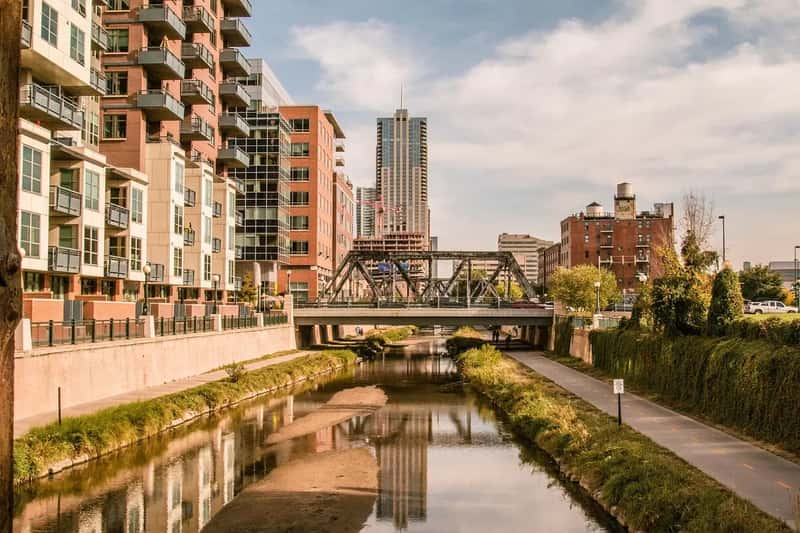
Denver’s rise in popularity over the past decade came with a price. A very literal one. Denver is listed among the cities experiencing the highest net loss of residents aged 60 and over, according to SmartAsset’s analysis based on Census Bureau data. Once celebrated as an affordable alternative to coastal cities, Denver has since transformed into one of the most expensive metros in the interior U.S.
Housing costs jumped considerably in 2024, with home prices soaring by more than half over just five years and nearly doubling over ten years, well outpacing what most people are earning. For retirees who may have bought property long ago and are now facing property tax bills and maintenance costs on depreciating savings, Denver has become untenable.
A nationwide survey found that roughly one in five of those living in the West expect to be forced to relocate to a more affordable area when they retire. Denver is a big part of that story. The mountains are still beautiful. The retirement math is just not working anymore.
6. Chicago, Illinois – Taxed Into Leaving

Chicago is a world-class city with incredible food, architecture, and culture. It’s also a city that retirees are walking away from in growing numbers. Chicago appeared on PODS’ list of the most moved-out-of cities in the U.S. in 2025. The reasons go beyond just cold winters, though those don’t help.
High housing costs drive most exits from California, New York, and New Jersey, while high taxes are the primary motivation for Illinois departures. Illinois’s property tax burden is one of the highest in the nation, and the state’s long-running pension funding crisis has made many retirees nervous about the financial stability of the entire region.
While the most popular destinations are mid-sized, affordable, and lifestyle-rich, the cities losing people tend to offer the opposite mix: high costs, limited growth, or fading opportunity. Chicago fits that description for its older residents. It’s a city with enormous charm, but one where the math of retirement is working against the people who need it most.
7. San Francisco, California – The City That Left Retirees Behind

San Francisco may be the starkest case study of a city simply no longer built for retirees. San Francisco appeared on the 2025 PODS list of America’s most moved-out-of cities. It is, without question, one of the most expensive places to live anywhere in the United States, and the retirement calculus there is nearly impossible to make work.
Nearly one million people aged 60 and over in the U.S. crossed state lines to make a new home in 2023, and with a lower risk tolerance for market fluctuations, retirees seek ways to maximize their income, including moving to places that better suit their budget, tax, and lifestyle needs. San Francisco offers none of those advantages for most retirees on fixed income.
Instead of staying in once-popular megacities, where skyrocketing costs of living and booming population numbers are the norm, people seem to be favoring more breathable cities and towns with a lower cost of living and a vibrant cultural scene. San Francisco had every chance to retain its aging population. Instead, it priced them out completely.
Where Are All These Retirees Actually Going?

So if retirees are leaving in droves, where on earth are they ending up? The answer might surprise you. Despite a preference for Southwestern cities, Florida and North Carolina are the most popular states for retirees. Florida gained the most retirees over one year at a net of over 44,000, while North Carolina ranked second at the state level with a net gain of over 20,000.
In 2024, nearly 94,000 baby boomers moved to Florida, more than twice the number who moved to any other single state. Florida took in about 38,000 more baby boomers than it lost, attracted by year-round mild temperatures, low property taxes, and no state income tax. The Sunbelt pull remains as strong as ever.
Housing-related factors also play a role, with roughly one in twelve retirees moving for cheaper housing and a similar share seeking new or better housing. Other reasons included changes in marital status and climate preferences. These trends show that while retirement remains a major driver, health, family, and financial considerations are shaping how and where retirees choose to move. The migration map of American retirement is being redrawn in real time.
The Bigger Picture: A Crisis Built on Cost

Here’s the thing: this isn’t really a story about cities failing. It’s a story about affordability failing an entire generation. In 2024, 258,000 Americans relocated for retirement, a steep drop of nearly a quarter from the year before. Even the act of moving has become harder, because selling a home in one expensive city and buying in another still-pricey place is its own financial trap.
Rising mortgage rates and high home prices have played a big role in slowing moves. In 2024, mortgage rates climbed to seven percent while the average home price reached over 500,000 dollars, making it harder for retirees to sell and afford new homes. For comparison, in 2018, mortgage rates averaged around 4.7 percent and the average home price was approximately 382,000 dollars, a much more manageable market.
Despite inflation cooling a bit, financial strain persists, especially for retirees, pushing many to prioritize affordability and quality of life in their choice of cities and states. The era of simply staying put in the city where you worked your whole life is quietly coming to an end for millions of Americans. What does that mean for the cities left behind? That is a question they will be wrestling with for years to come.
What would you do if you were facing retirement in one of these cities? Tell us in the comments.