English has become the default language of global business, science, and travel, yet the countries that speak it most fluently are rarely the ones people expect. Native English-speaking nations aside, a handful of countries, mostly in Europe, have quietly built education systems and cultural habits that produce remarkably confident non-native speakers. The rankings shift a little each year, but the newest data offers a clear snapshot of who’s leading the pack right now.
1. Netherlands
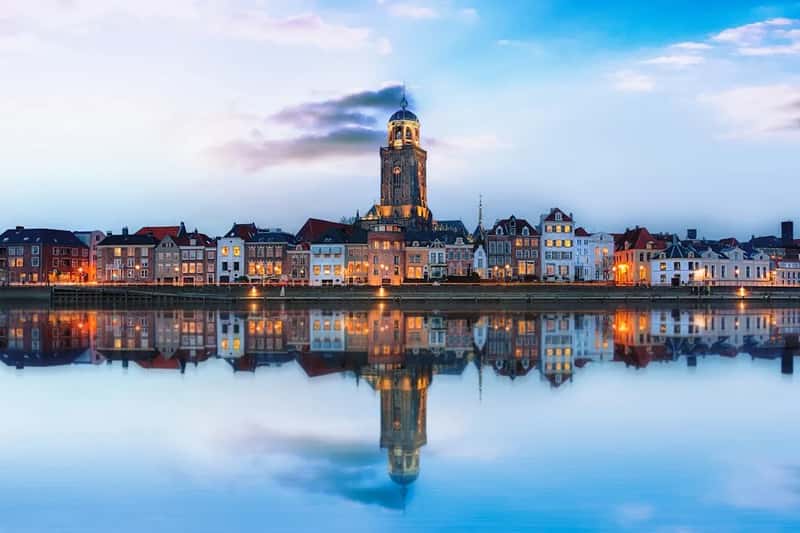
In the 2025 EF English Proficiency Index, the Netherlands ranked number one out of 123 countries and regions, with a proficiency level classified as very high. The country has held the top spot repeatedly over the past decade, a streak that reflects just how deeply English is woven into daily Dutch life. Part of the explanation is linguistic: Dutch and English share a Germanic root, which makes vocabulary and sentence structure feel familiar rather than foreign to Dutch learners.
Beyond language roots, the Netherlands leans heavily on English for trade, higher education, and media consumption. The Dutch attach great importance to mastering English, so much so that locals will often respond in English to someone attempting to speak Dutch, and their education system prioritizes English from an early age. That combination of exposure and instruction has made the Netherlands the benchmark against which other countries are measured.
2. Croatia

Croatia placed second in the 2025 EF EPI, scoring 617 points and improving its position from previous editions. This is a notable jump for a country that historically sat outside the very top tier of European rankings. Analysts at EF pointed to Croatia’s rise as one of the more significant movements in this year’s report.
The Netherlands remained number one in 2025, followed by Croatia and Austria, both of which improved their rankings compared to prior years. Tourism plays an outsized role in Croatia’s English fluency, since the country’s economy depends heavily on foreign visitors along the Adriatic coast. Younger Croatians also grow up watching a large share of English-language film and television without dubbing, which reinforces listening skills long before formal classroom study begins.
3. Austria

Austria came in third in the 2025 index with a score of 616, holding onto its position among the very highest tier of English proficiency worldwide. On a separate measure, Austria ranks first in TOEFL performance, which combined with its EF EPI standing makes it arguably the top country globally when different assessment methods are averaged together. Vienna in particular stands out as a hub of English use, driven by its large international business and diplomatic community.
Austria’s success reflects a broader European trend where smaller nations treat English proficiency as essential for economic competitiveness, combining rigorous academic standards with practical application. Austrian schools introduce English early and maintain it through nearly every level of secondary education. The result is a population that moves comfortably between German and English in professional and academic settings.
4. Germany

Germany climbed to fourth place in the 2025 EF EPI with a score of 615, one of its strongest showings in the index’s history. This marked one of the biggest gains recorded in Europe for that year’s edition. Given the size of Germany’s population, this proficiency level translates into an enormous absolute number of confident English speakers, far more than smaller countries ranked above it.
Germany has invested heavily in English education reforms, recognizing the language’s importance for international commerce and scientific collaboration, and German universities increasingly offer entire programs taught in English to attract international students. That university-level shift has had a ripple effect on younger generations, who now see English fluency as a practical requirement rather than an academic extra. Business, engineering, and research sectors in particular have pushed this trend forward.
5. Norway

Norway placed fifth in the 2025 rankings with a score of 613, continuing a long run near the top of the global index. Norwegian fluency in English is often described as near-universal among younger and middle-aged adults, a rarity even among high-scoring nations. Much of this comes down to media habits rather than classroom instruction alone.
Norway and Sweden are countries where dubbing is not developed, so residents watch most television series and films in their original language, which provides constant exposure to authentic English. This everyday immersion, paired with an education system that introduces English from the first years of primary school, gives Norwegians an unusually natural command of the language. Business meetings, academic papers, and even parliamentary debates often shift into English without much friction.
6. Portugal

Portugal ranked sixth in the 2025 EF EPI with a score of 612, a very high proficiency level by the index’s standards. This represents a genuine transformation for a country that lagged behind its Northern European neighbors for years. Portugal has climbed steadily in TOEFL rankings as well, and it represents something of a success story in language education, having improved dramatically over the past decade through curriculum reforms and increased exposure to English media.
Tourism, again, plays a role here, since Portugal’s coastal cities and islands host millions of English-speaking visitors annually. Lisbon and Porto have also become hubs for international remote workers and startups, which has pushed English further into daily commercial life. Younger Portuguese in particular now treat English less as a foreign subject and more as a practical second language.
7. Denmark
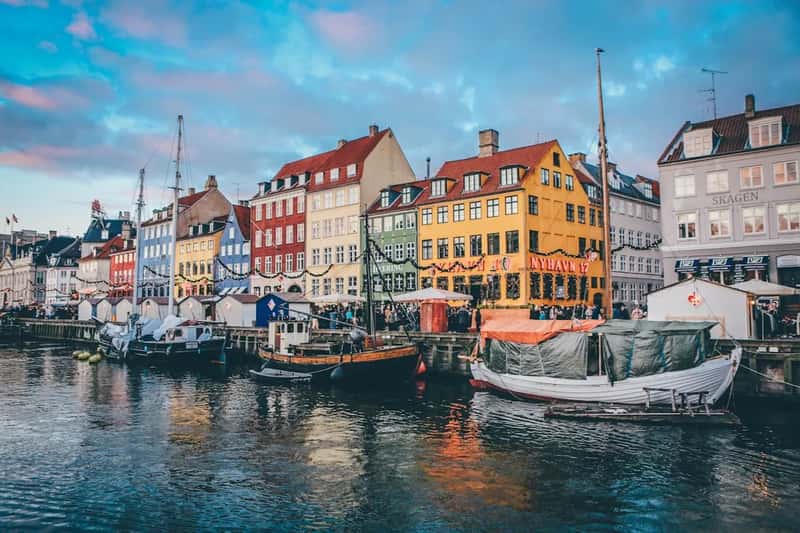
Denmark took seventh place in the 2025 index with a score of 611, maintaining its long-standing reputation as one of the most English-fluent nations in the Nordic region. Danish schools begin formal English instruction early, often around age six or seven, and continue it through the entirety of compulsory education. This consistency builds a foundation that carries into adulthood with little erosion over time.
Denmark has historically led the Nordic region, edging out Sweden and Norway by a fraction of a point in some rankings, a competitive dynamic that has pushed all three countries to keep improving. Danish television and streaming habits mirror Norway’s, favoring subtitles over dubbing, which keeps English audio present in households from childhood onward. The cumulative effect is a population that treats English less as a foreign skill and more as a second native tongue.
8. Sweden

Sweden placed eighth in the 2025 EF EPI, scoring 609 and staying comfortably within the very high proficiency band. English is not an official language in Sweden, yet it is widely regarded as a practical second language and taught as a foreign language throughout the school system. The gap between Swedish classroom teaching and everyday fluency has narrowed considerably over the past two decades.
Much like its Nordic neighbors, Sweden benefits from a media culture that rarely dubs foreign content. Sweden is one of the countries where dubbing has not taken hold, meaning residents grow up watching films and shows in their original English audio. Combined with strong university-level English programs, this has made Sweden one of the most consistently high-performing countries in the index for over a decade.
9. Belgium
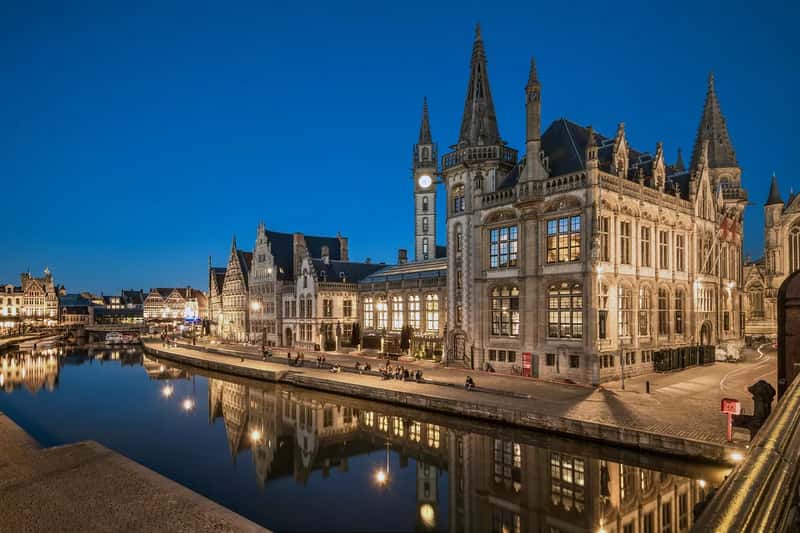
Belgium ranked ninth in the 2025 EF EPI with a score of 608, keeping its place among Europe’s most proficient English-speaking nations. Belgium’s inclusion continues a broader pattern in which Western European countries consistently outperform much of the rest of the world in English skills. What makes Belgium slightly unusual is its multilingual baseline, since Dutch, French, and German are all spoken domestically before English even enters the picture.
That existing multilingual comfort seems to make picking up a fourth language less daunting for many Belgians. Brussels, home to major EU institutions, adds another layer of English exposure through international business and diplomacy. Schools in both the Flemish and French-speaking regions treat English instruction as a near-universal requirement rather than an elective.
10. Slovakia

Slovakia rounded out the top ten in the 2025 EF EPI with a score of 606, a strong showing for a Central European nation. This placement reflects a steady climb over recent years rather than a sudden jump, as Slovakia has gradually closed the gap with wealthier Western European countries. Investment in English-language education, particularly at the secondary and university level, has been a consistent policy priority in the country.
Slovakia’s economy, closely tied to manufacturing and automotive industries with strong ties to Western European firms, has created practical incentives for English fluency in the workplace. Younger Slovaks in urban centers like Bratislava increasingly use English not just in business but in everyday social and digital life. That generational shift suggests Slovakia’s position in the rankings is likely to hold or even improve in coming years.
These rankings capture proficiency among people learning English as an additional language, not the raw number of English speakers worldwide, which tells a very different story once countries like India, Nigeria, and Pakistan enter the picture. What stands out across this list is how consistently small and mid-sized European nations dominate the top tier, driven by early education, subtitle-heavy media habits, and economies deeply tied to international trade. Whether these ten countries hold their positions next year will depend largely on how younger generations, who EF’s latest data shows are not rebounding as expected, perform against the older adults currently carrying these scores.