Ask ten remote workers where they’re headed next and you’ll get ten different answers, but lately a pattern has emerged across South America. Some cities keep pulling in laptop-toting travelers by the thousands each month, while others that used to top every “best of” list are quietly losing their shine.
The reasons vary. Currency swings, rising rents, safety perceptions, and simple fatigue with crowds all play a role. Here’s a look at where the momentum is building in 2026, and where it’s fading.
Medellín, Colombia
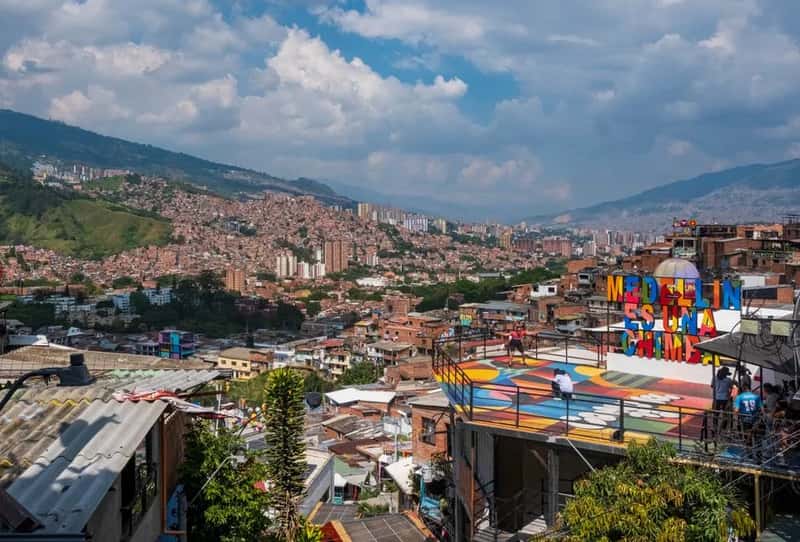
Medellín remains the reigning champion of South American nomad hubs, and the numbers back that up. An estimated 8,300 remote workers arrive in the city each month, making it one of the biggest digital nomad destinations in the world. The city earned its “City of Eternal Spring” nickname honestly, with mild temperatures that never require heating or air conditioning.
What keeps people coming back isn’t just the weather. Medellín has the strongest nomad community infrastructure in Latin America, with dozens of coworking spaces, weekly meetups, and language exchanges that draw hundreds of people. Most nomads spend $1,200 to $1,800 a month for a comfortable lifestyle including a furnished one-bedroom in Laureles or Envigado, coworking membership, food, transport, and entertainment, while budget-conscious nomads can get by on $800 to $1,200 a month. El Poblado, Laureles, and Envigado remain the three neighborhoods most nomads gravitate toward, each offering a slightly different pace of life.
Buenos Aires, Argentina
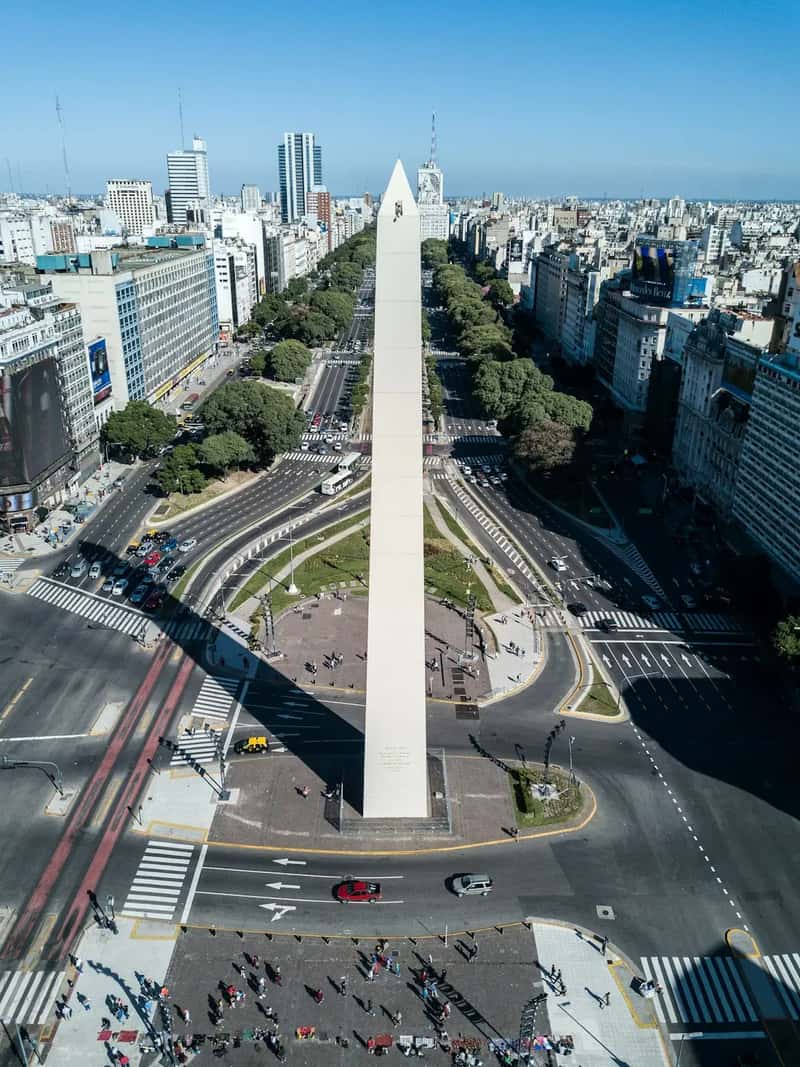
Buenos Aires still draws more digital workers than any other city in South America. Buenos Aires leads the way with an impressive 9,428 digital workers calling it home, according to earlier research that continues to hold up as the largest concentration on the continent. The European-style architecture, tango culture, and steak dinners that cost a fraction of what they would in Madrid or Paris haven’t lost their appeal.
The city’s finances have actually calmed down compared to the chaos of a couple of years back. Annual inflation dropped from nearly 118% in December 2024 to around 31.5% by the end of 2025, making it much easier to plan monthly budgets and negotiate contracts in Buenos Aires. That stability, paired with genuinely excellent food and walkable neighborhoods like Palermo and Recoleta, keeps new arrivals showing up even as old-timers grumble about the disappearing bargain-basement prices.
Florianópolis, Brazil
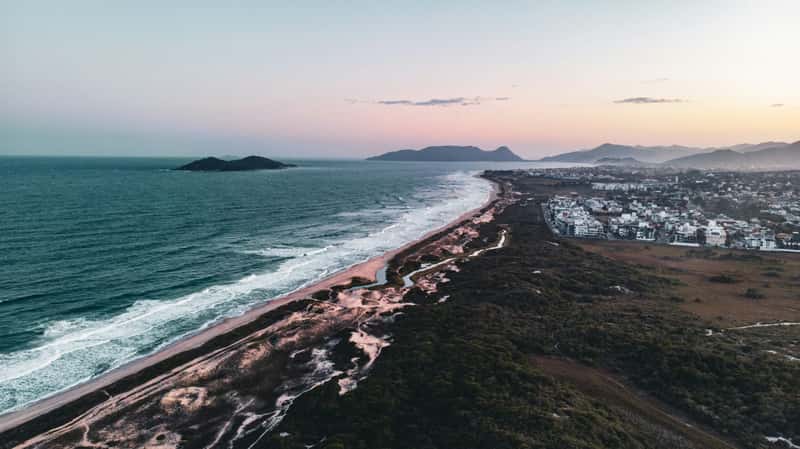
If there’s one city experiencing a genuine boom right now, it’s this island off the coast of southern Brazil. Florianópolis is the only southern-Brazil city in a 2026 ranking of the world’s fastest-growing remote-work destinations, ranked seventh, with check-ins up about 96%. Nicknamed “Silicon Island,” it has built a reputation as something more than a beach retreat.
The infrastructure has kept pace with the demand. The city is home to 6,000 tech companies and 1,300 startups, supporting 38,000 jobs in the sector. The draw is easy to see: clean beaches, a reputation as one of Brazil’s safest cities, a growing tech scene, and an established community of foreign residents, with estimates putting around 30,000 foreigners on the island, swelling with nomads in the warmer months. The trade-off is a cost of living that’s climbing fast, but for now the appeal of surfing before a Zoom call still wins out.
Lima, Peru

Lima doesn’t get the same social media buzz as Medellín or Buenos Aires, but it’s quietly become one of the most respected long-term bases on the continent. Lima is a Pacific coast capital of 11 million people and one of the most underrated cities for long-term nomad life in South America, with the best food scene on the continent, world-class infrastructure, and cliffside neighbourhoods in Miraflores and Barranco that sit directly above the ocean.
The one real adjustment is the weather pattern. A grey mist called the garúa covers the city from June to November, with temperatures dropping to 14 to 18°C and the sun largely disappearing, while from December to May the sun returns and the city opens up completely. Many nomads simply plan around it, spending the grey months elsewhere and returning for the Peruvian summer, which keeps Lima firmly in the rotation rather than a permanent base for everyone.
Rio de Janeiro, Brazil
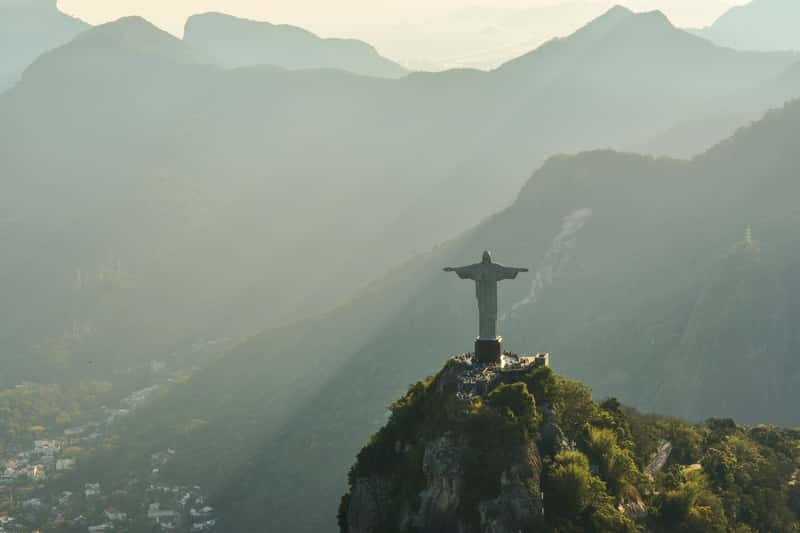
Rio still has the beaches, the energy, and the skyline that made it famous, but fewer nomads are choosing it as a home base compared to a few years ago. Part of the issue is straightforward economics. The cost of living runs $2,000 to $3,200 per month, with a one-bedroom in Botafogo or Flamengo costing R$2,500 to R$4,500, putting it well above cheaper Brazilian alternatives.
Safety concerns compound the cost issue. Security awareness is required, and the city carries a reputation as expensive by South American standards, with intense summer heat and humidity plus heavy traffic cited as recurring drawbacks. With Florianópolis offering similar coastal charm at a lower price and with less friction, many remote workers are simply routing around Rio rather than settling into it.
Santiago, Chile
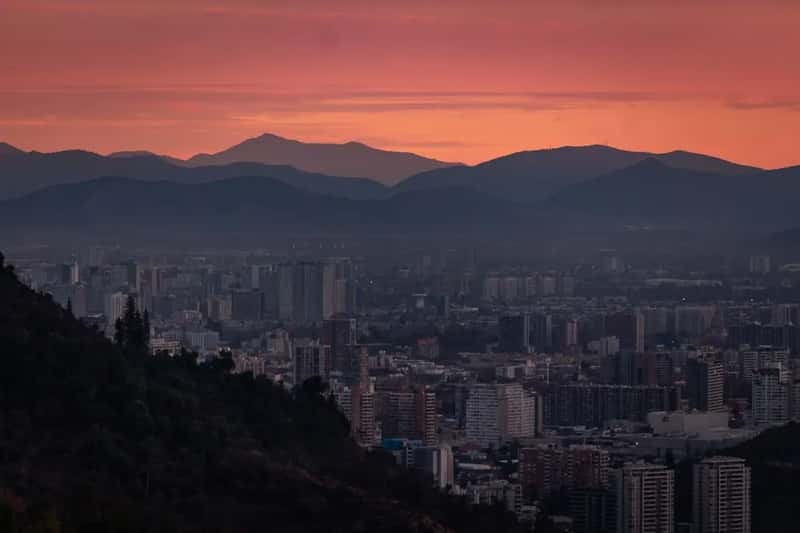
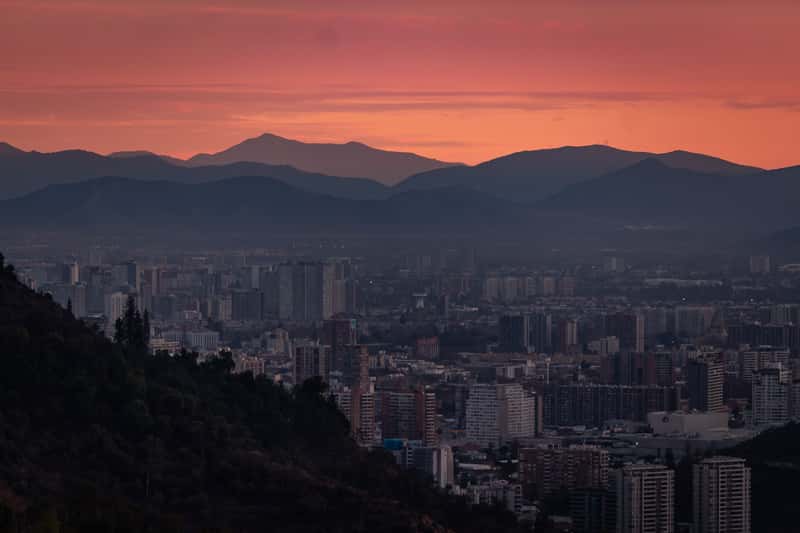
Santiago has plenty going for it on paper: clean streets, reliable infrastructure, and a backdrop of the Andes that few cities can match. Yet it’s increasingly become the city nomads visit briefly rather than settle into long term, largely because of price. The cost of living in Santiago is not as low as other South American cities, and that gap has only widened as neighboring countries hold their prices steadier.
A comfortable budget in Santiago now requires real income to back it up. A “safe and stable” base in Santiago comes with comfortable budgets typically landing around $2,500 to $3,300 a month, a figure that puts it closer to a European capital than a typical Latin American hub. For nomads chasing runway and flexibility, that math increasingly points elsewhere.
Quito, Ecuador
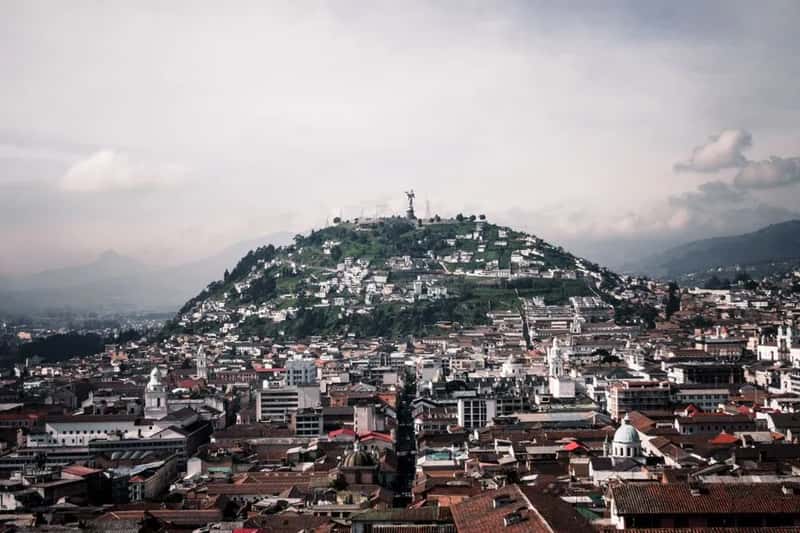
Quito was once a rising name on nomad shortlists thanks to its affordability, but it’s slipped in the rankings as other cities modernized faster. The connectivity gap is part of the story. The average internet speed in Quito is 16 Mbps, which is lower than in some other cities, though generally sufficient for most remote work tasks unless someone has specific bandwidth needs.
Cost is still genuinely low, with a one-bedroom apartment in the city center costing around $450 per month and a meal costing only $3.75, but low prices alone haven’t been enough to keep pace with cities offering faster fiber, denser coworking scenes, and more established English-speaking communities. Nomads passing through Ecuador increasingly treat Quito as a short stop en route to the Galápagos or Cuenca rather than a place to settle for months.
What’s clear across all seven cities is that the nomad map of South America isn’t fixed. Currency shifts, infrastructure investment, and simple word of mouth can reshuffle a city’s standing within a year or two. The cities winning right now share a common thread: they’ve managed to keep costs predictable while building the kind of community infrastructure that makes a stranger feel at home within a few weeks. The ones losing ground haven’t necessarily gotten worse, they’ve just been outpaced by neighbors moving faster.