Owning a home near the water still sounds like a luxury reserved for people with deep pockets, and in plenty of American beach towns that reputation is well earned. Yet the national housing market tells a more nuanced story. The median home price across the country sits at $398,771 as of May 2026, and a handful of genuine coastal cities remain comfortably below that number, not tucked away in obscure fishing villages, but in real cities with jobs, hospitals, and downtowns.
These six places prove that salt air and sandy beaches do not have to come with a seven figure price tag. Each one offers waterfront access, a working local economy, and a median home price that a middle income household can realistically approach. Here is a closer look at where coastal living still pencils out in 2026.
1. Pascagoula, Mississippi

Pascagoula consistently tops national rankings as the most affordable beach city in America, and the numbers back it up. The median home value there is about $165,610, according to Realtor.com. Other analyses put it even lower, with one report noting median home prices well under $300,000, including Pascagoula, Mississippi in the mid-$100,000s. The city sits on the Gulf of Mexico in Jackson County and has long been anchored by shipbuilding and energy industries rather than tourism alone.
That industrial backbone matters because it means Pascagoula does not rely purely on seasonal visitors to keep its economy afloat. Mississippi’s “Flagship City” has antebellum architecture, a thriving job market led by Chevron and Ingalls Shipbuilding, and a beach named after Jimmy Buffett. For buyers who want genuine waterfront living without competing against vacation rental investors and second home buyers, Pascagoula remains one of the clearest bargains on the Gulf Coast.
2. Corpus Christi, Texas
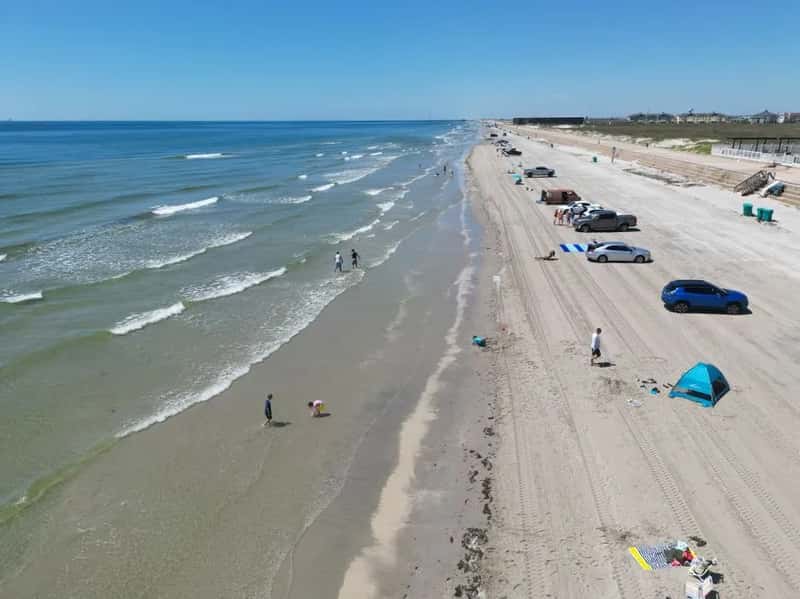
Corpus Christi has built a reputation as one of the few large coastal cities in Texas where housing has not spiraled out of reach. The typical home value in Corpus Christi is $218,988, and recent local market data pegs the median sale price at $262K last month, down 0.38% since last year. That combination of a low base price and a market that has actually cooled slightly gives buyers some rare breathing room.
What makes the city especially attractive is how much cheaper it runs compared with the rest of the country. Corpus Christi’s median sale price is 40% lower than the national average, and overall cost of living in Corpus Christi is 13% lower than the national average. The city sits close to North Padre Island and the Padre Island National Seashore, giving residents access to genuine Gulf Coast beaches, an active port economy tied to energy exports, and a downtown that has held onto its working class character even as the surrounding region has grown.
3. Atlantic City, New Jersey

Along the pricey Northeast corridor, Atlantic City stands out as an outlier in the best possible way. A recent study by Realtor.com found that Atlantic City, New Jersey, with a median home price of $242,450, is the third most affordable place in America for those looking to buy a home at the shore. That is a striking figure for a state where coastal real estate typically commands some of the highest prices in the nation.
The city offers more than just a low price tag. The “Las Vegas of the East Coast” offers wide beaches along the Jersey Shore, iconic boardwalks and other amenities for those looking to enjoy a trip to the shore. For buyers priced out of the Hamptons or the Jersey Shore’s more exclusive towns, Atlantic City delivers boardwalk culture, casino entertainment, and genuine beachfront access at a fraction of the typical Northeast coastal price.
4. Mobile, Alabama
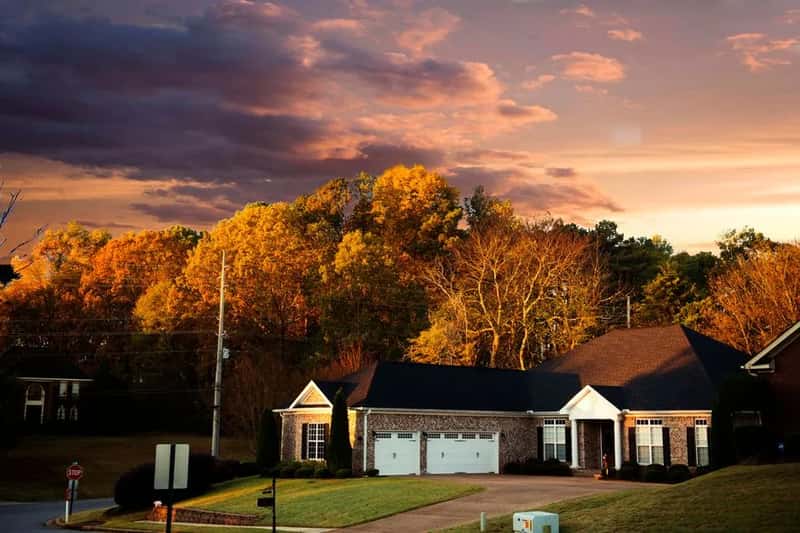
Mobile rarely gets the same attention as Gulf Shores or Orange Beach, but that may be exactly why it stays affordable. Located on Alabama’s Gulf Coast, Mobile is a port city with warm weather and an affordable lifestyle, and the average home value is just under $190,000. That places it well below both the national median and most other Gulf Coast markets.
Mobile’s economy benefits from its role as a working port city rather than a purely tourist destination, which historically has helped keep housing costs from being driven up by vacation rental demand the way many smaller beach towns experience. The city offers historic architecture, a walkable downtown, and proximity to Mobile Bay, giving residents coastal access without the premium pricing found in nearby Florida panhandle communities.
5. Pensacola, Florida
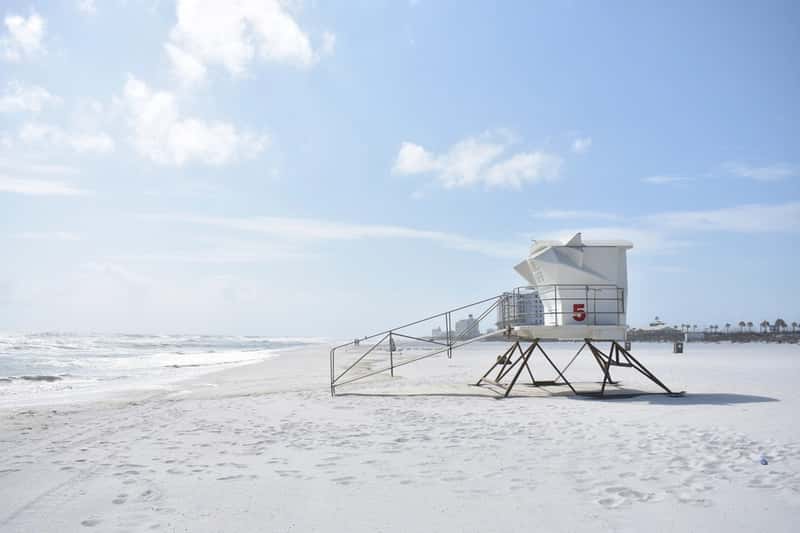
Pensacola sits in Florida’s western panhandle and has managed to stay reasonably priced even as much of the state’s coastline has grown far more expensive. Pensacola is a coastal town in Florida’s Panhandle, offering its residents affordable living by the waterfront, with a median home sale price of $280,000 as of February 2024. That is meaningfully below both the state and national medians.
Part of the appeal goes beyond housing costs alone. Pensacola is 13% more affordable than other cities thanks to its low housing prices, low cost options for fun, and deals on drinks and food at beach bars and beachfront restaurants. The city has also caught the attention of second home buyers, since Pensacola is becoming popular among second-home buyers looking for affordable alternatives to some of the more expensive communities along the coast. White sand beaches, a naval aviation heritage, and a relatively low cost of living round out the case for Pensacola.
6. Myrtle Beach, South Carolina
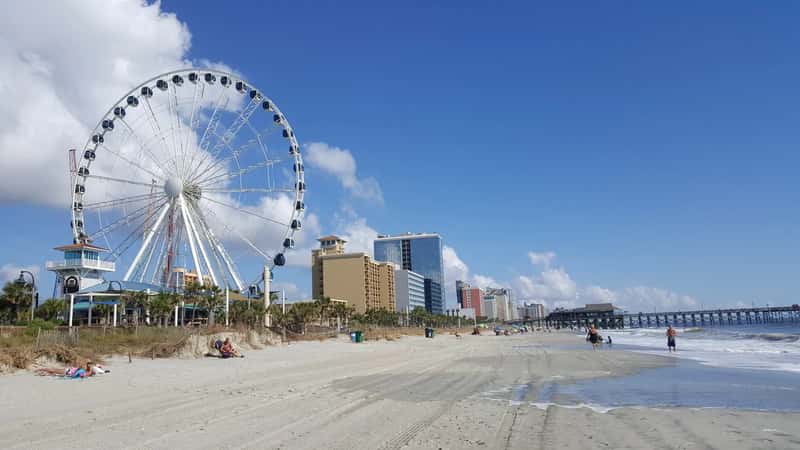
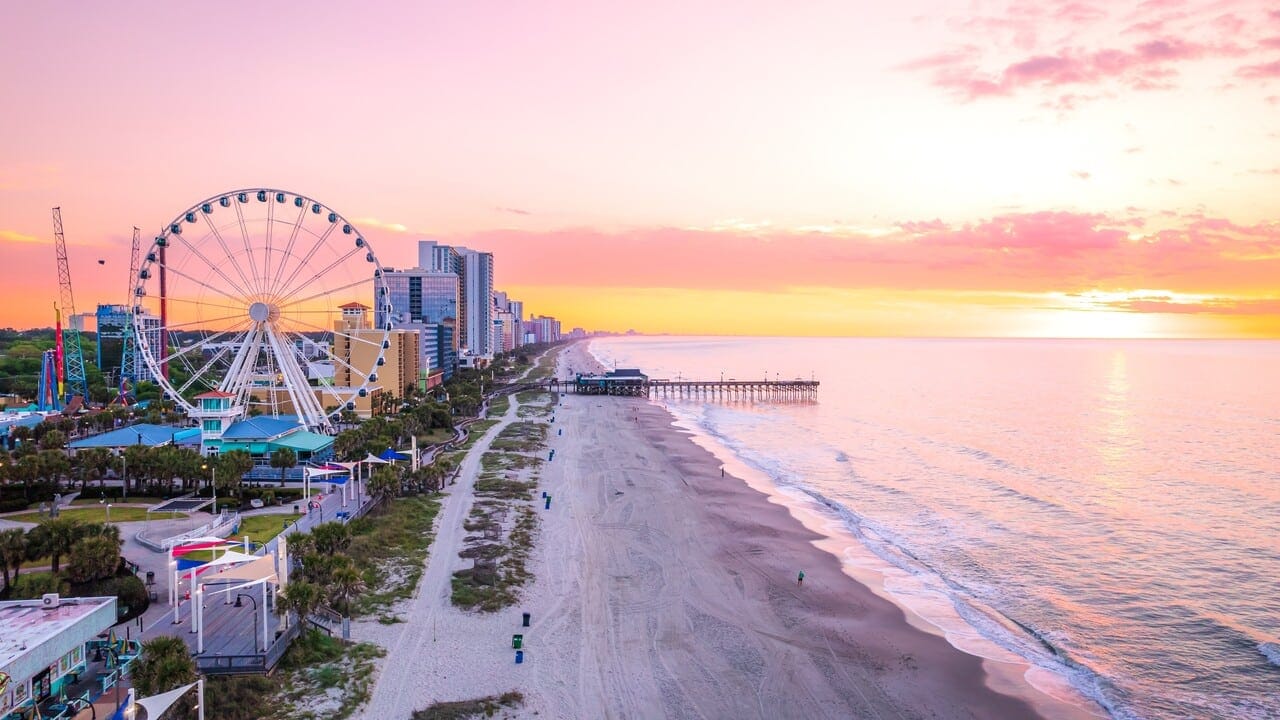
Myrtle Beach anchors South Carolina’s Grand Strand and remains one of the more accessible coastal markets on the Atlantic side of the country. Myrtle Beach boasts a plethora of high-density condos, contributing to the town’s $299,500 median property price, and other recent data places the median home listing price near $299,000, making Myrtle Beach one of the most affordable beach towns in the U.S. Either figure keeps the city well under the national median while still delivering genuine beachfront living.
The abundance of condominiums helps explain why prices have stayed manageable, since that housing stock tends to be less expensive per unit than single family waterfront homes. Myrtle Beach also draws retirees for reasons beyond price alone. South Carolina does not tax Social Security income, which is why retirees keep flocking here. Between the amusement parks, golf courses, and miles of public beach, the city offers a full time coastal lifestyle without the price tag typically associated with Atlantic beach living.
None of these six cities are secret. Real estate agents, retirees, and remote workers have already discovered most of them, and prices have crept upward in several as demand has grown. Still, compared with the eye-watering figures attached to places like Malibu, Nantucket, or Palm Beach, these cities remain genuinely within reach for buyers earning a typical American income.
What ties Pascagoula, Corpus Christi, Atlantic City, Mobile, Pensacola, and Myrtle Beach together is not luck. Each has an economy that does not depend entirely on tourism, a housing stock that includes smaller and older homes alongside newer construction, and a cost of living that has not been pushed sky high by outside investment. For anyone chasing the sound of waves without draining a retirement account to do it, these cities are worth a serious look before prices catch up to the rest of the coastline.