Walk into a casino in Las Vegas, Bucharest, or Belgrade and you’ll notice something curious: the games look almost identical, yet the rules governing them couldn’t be more different. Some nations have built entire economies around the roll of a dice, while others treat a single bet as a criminal offense. That gap says a lot about how culture, religion, and government shape the way people spend their money and their free time.
1. United States

The United States has the highest number of casinos worldwide, with 2186 casinos according to the World Casino Directory. It has more casinos within its borders and on Indian reservations than the next ten countries combined. Nevada and New Jersey get most of the attention, but tribal gaming operations spread the industry across dozens of states.
The scale of the American market is hard to overstate. Revenue for U.S. casinos, excluding casino hotels, was estimated to reach $21.83 billion in 2024, a slight increase of about $0.24 billion compared to 2023. Sports betting has only added fuel to that fire since several states began legalizing it in the past few years.
2. Serbia

Serbia is not the country most people picture when they think of casino gambling, yet the numbers tell a different story. The country ranks second in the world, with 522 casinos. Belgrade in particular has become something of a regional hub, drawing gamblers from neighboring Balkan states.
Much of Serbia’s growth stems from relatively relaxed licensing rules compared to Western Europe. Smaller gaming halls dominate the landscape rather than sprawling resort complexes, which helps explain the sheer volume of venues. It’s a model built more on accessibility than spectacle.
3. Romania

Romania holds third place worldwide with 448 casinos. What sets the country apart is the type of venue that dominates its market. A surprisingly large number of Romanian gambling spots are slots-focused halls rather than sprawling integrated resorts.
This contrasts sharply with places like the United States or parts of Asia, where casino development tends to revolve around massive resort destinations built to pull in international tourists. In Romania, the model is smaller, more local, and spread across cities rather than concentrated in one gambling capital. It still adds up to one of the densest casino markets in Europe.
4. Czech Republic

The Czech Republic is among the countries with a significant number of casinos, contributing notably to the global casino industry. Prague’s old town alone hosts a cluster of gaming venues that cater heavily to tourists rather than locals. That tourist-driven demand has kept the sector remarkably resilient even as regulations elsewhere in Europe have tightened.
Czech gambling law has historically been permissive compared to neighboring countries, which encouraged operators to set up shop there early. The result is a market where casinos often sit within a short walk of major hotels and landmarks. It’s less about luxury and more about convenience for visitors passing through.
5. Italy
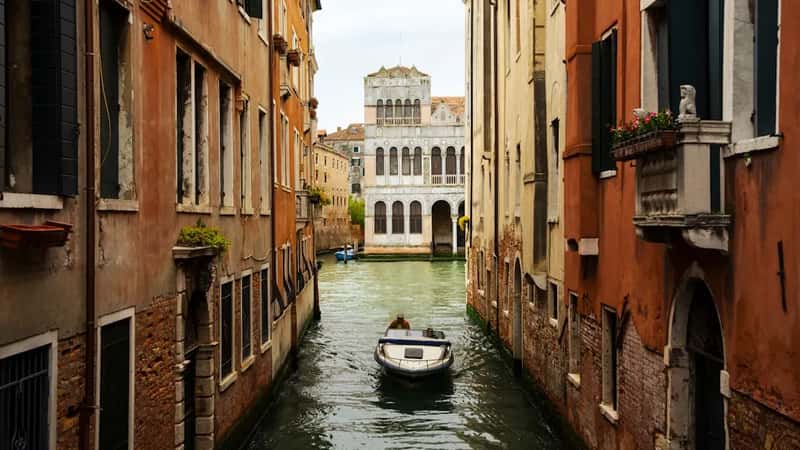
Italy earns its place on this list partly through history and partly through sheer density of venues. It’s listed among the countries contributing notably to the global casino industry, alongside the Czech Republic and Spain. That’s fitting for a country with a genuine claim to having invented the modern casino.
The world’s first casino, Casino Di Venezia, opened in Italy back in 1638. Nearly four centuries later, Italy still operates a mix of historic gaming houses and modern venues, particularly along its coastal resort towns. That blend of old and new gives the country a distinct identity in the European gambling scene.
6. Spain

Spain rounds out the group of European countries with a dense concentration of casinos. It is regularly cited among the nations contributing notably to the global casino industry. Coastal cities and major tourist regions host most of the country’s larger venues, feeding off steady visitor traffic year round.
Spanish casinos tend to skew toward a mid-sized model, neither as sprawling as American resorts nor as compact as some of Eastern Europe’s slot halls. Regional governments oversee licensing, which has allowed different parts of the country to develop their own gambling character. Madrid and Barcelona each have a noticeably different casino culture from the Costa del Sol.
7. Germany

Germany’s casino count places it firmly among the world’s leaders. One analysis puts the US at the top with 1,984 casinos, followed by Germany with 703 and the UK with 667. That’s a substantial number for a country where gambling has traditionally been treated with more caution than in some of its neighbors.
Germany’s gambling framework has shifted considerably in recent years. The 2021 Interstate Gambling Treaty created a national licensing system that opened the door for online casinos and betting platforms, though the government also capped online slot bets at just one euro per spin. Land-based casinos, meanwhile, remain a fixture in most major German cities, often tied to historic spa towns.
Saudi Arabia
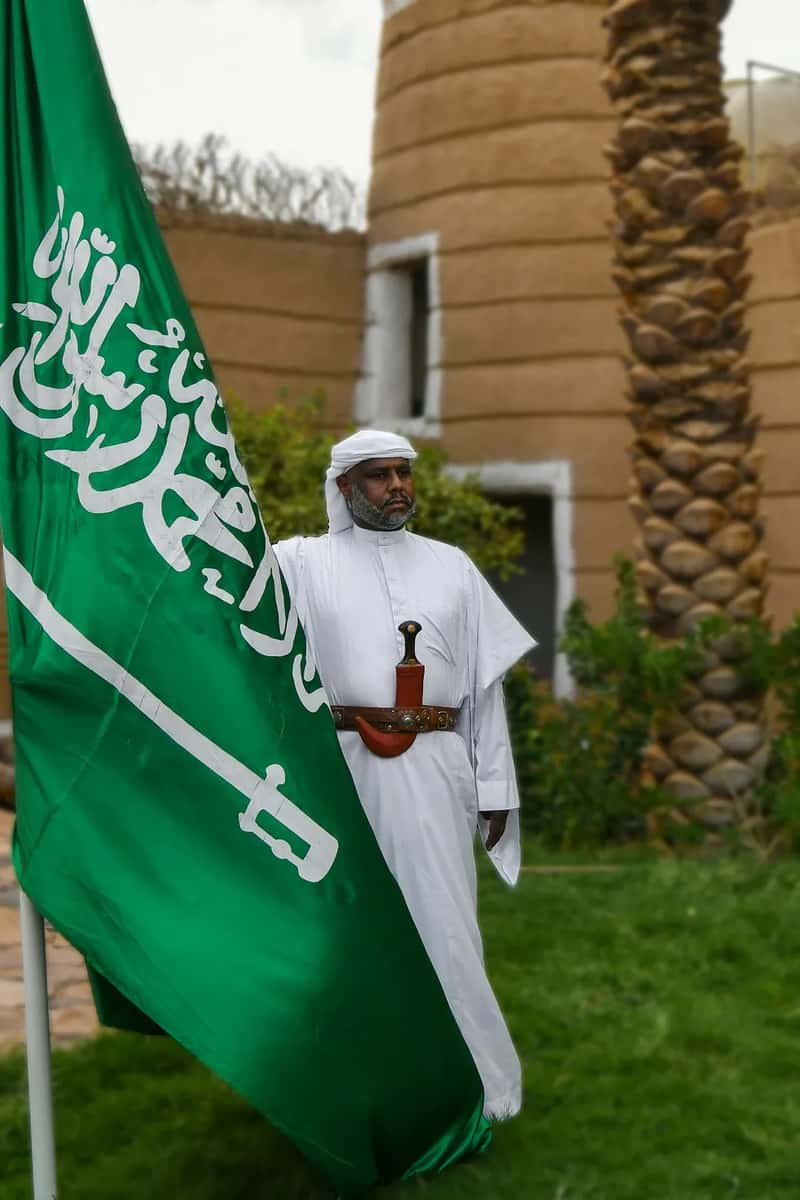
Saudi Arabia enforces one of the strictest gambling bans anywhere in the world. The country has some of the strictest anti-gambling laws globally, influenced by Islamic teachings that consider gambling, or maisir, haram or forbidden. There is no legal path to a casino license, online or offline.
The Saudi government enforces these laws rigorously, with severe penalties for those caught participating in or facilitating gambling activities. Even informal betting among friends can carry legal risk under this framework. The kingdom’s broader modernization push has not touched this particular restriction.
Qatar
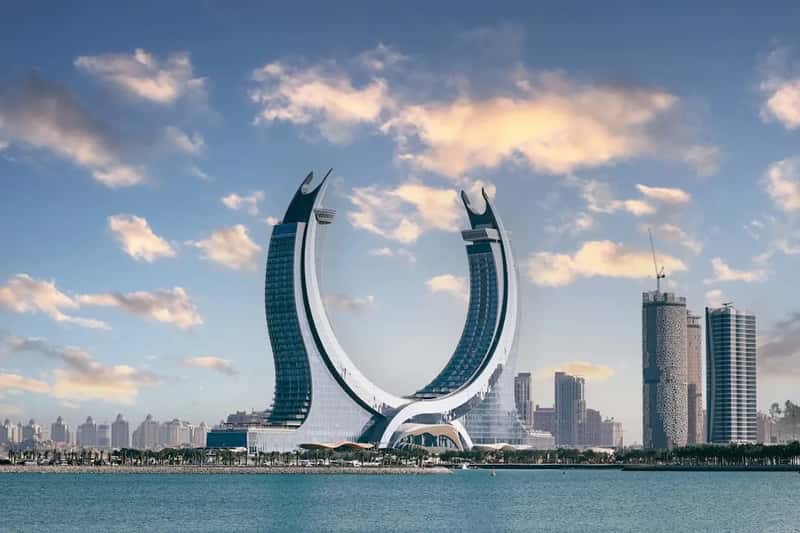
Qatar follows a similarly strict interpretation of Islamic law when it comes to gambling. Strict Islamic law forbids gambling in Middle Eastern nations like Saudi Arabia and Qatar, where violations typically result in severe penalties. This holds true despite Qatar’s growing profile as a host for major international sporting events.
Visitors attending World Cup matches or other global gatherings in Qatar will find no casinos or legal betting shops anywhere in the country. The ban applies equally to residents and tourists, with no carve out for foreigners as exists in some other nations. Enforcement tends to be quiet but consistent.
Kuwait
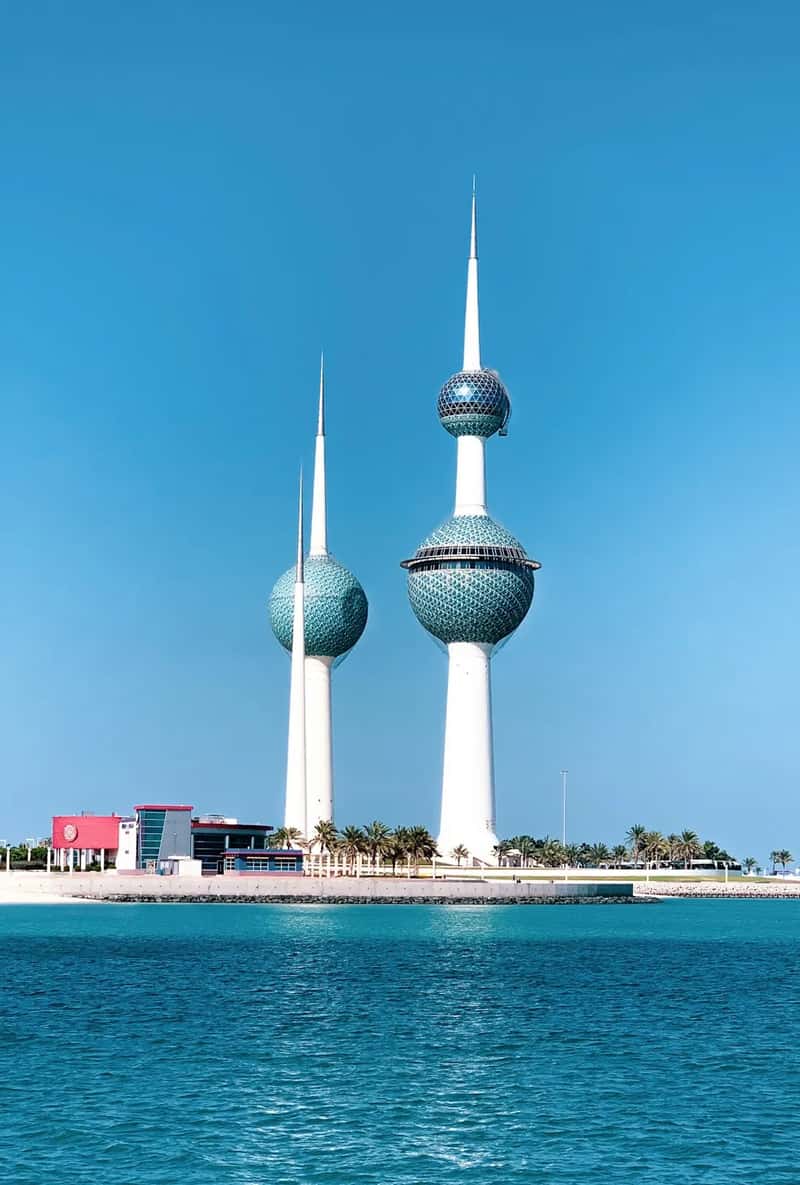
Kuwait maintains a complete prohibition on gambling as part of its broader legal and religious framework. The country is listed among those that maintain blanket bans on all gambling, alongside Saudi Arabia, Brunei, Iran, and several others. There is no legal lottery, no licensed casino, and no regulated betting of any kind.
Kuwaiti law treats gambling as incompatible with Islamic teachings, and enforcement extends to online platforms as well as physical venues. Residents who wish to gamble typically travel abroad to do so legally. The government has shown no indication of revisiting this policy.
Brunei
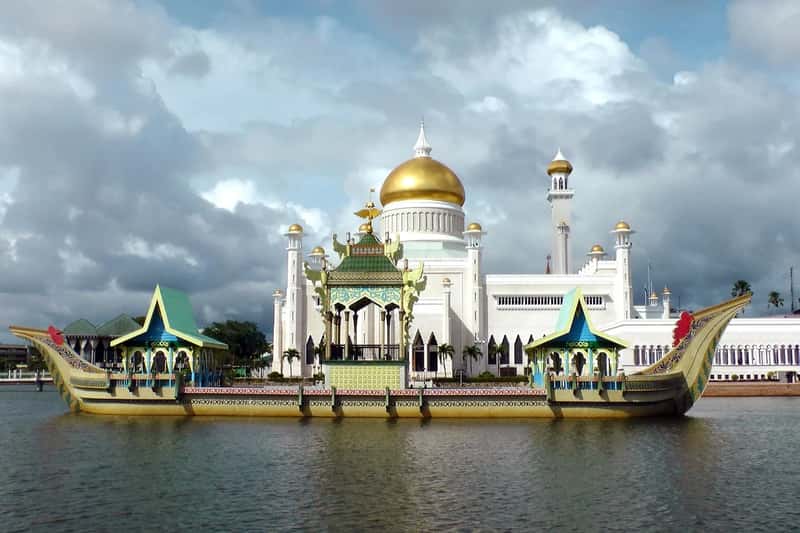
Brunei’s approach to gambling is rooted directly in its Islamic legal code. Islam is the dominant religion in Brunei Darussalam, and gambling is extremely discouraged according to its religious teachings, which led to the creation of the Common Gaming Houses Acts that prohibits gambling. The penalties for violations are notably severe.
Brunei imposes caning for repeat gambling offenses under its Sharia Penal Code. That level of punishment places Brunei among the most stringent enforcement regimes anywhere in the world. Foreign visitors are not exempt from these rules once inside the country’s borders.
Iran
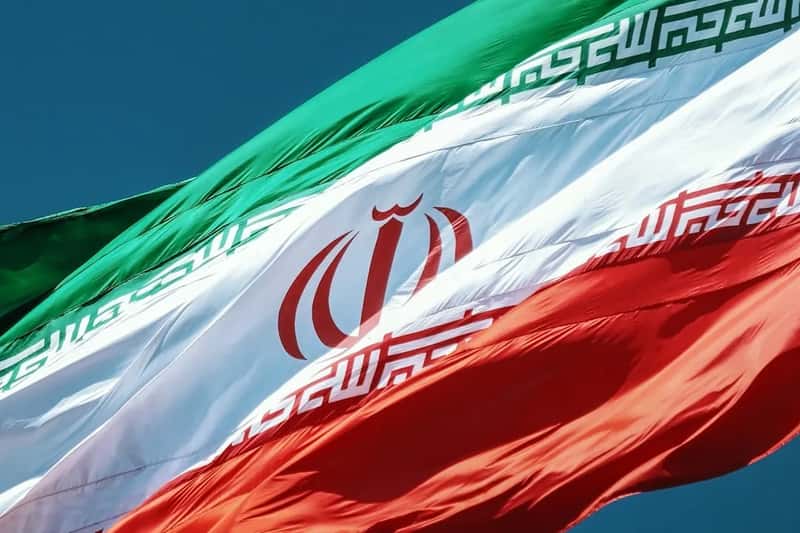
Iran treats gambling as both a legal and moral violation under its Islamic governance system. Gambling is seen as a significant moral failing in Iran, where the focus on Islamic values means activities considered haram are heavily stigmatised. This cultural weight reinforces the legal ban rather than existing separately from it.
This cultural perspective ensures that gambling remains a taboo subject, with little to no presence in everyday life. Unlike some neighboring countries, Iran offers no designated zones or exceptions for tourists. The prohibition is treated as absolute and non-negotiable within domestic policy.
Libya

Libya enforces a complete gambling ban rooted in religious and cultural tradition. Brunei, Somalia, and Libya enforce complete prohibitions, aligning with religious and cultural values that consider betting a moral vice rather than a legitimate industry. This stance has remained consistent even through years of political instability within the country.
Ongoing internal conflict has made enforcement uneven in practice, though the legal framework itself has not changed. There are no licensed casinos or betting operations anywhere in Libyan territory. Any gambling that does occur happens entirely outside the law.
Somalia
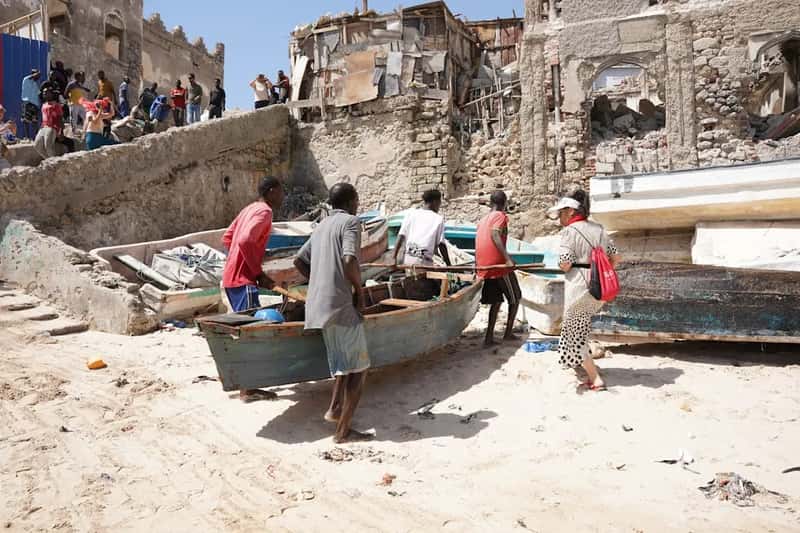
Somalia’s ban on gambling reflects both religious conviction and decades of fractured governance. The country enforces a complete prohibition, viewing betting as a moral vice rather than a legitimate industry. This places it firmly alongside other nations that treat gambling as fundamentally incompatible with public life.
With limited central authority in parts of the country, enforcement varies by region, though the legal stance remains unified on paper. There is no formal casino industry to speak of, licensed or otherwise. The ban is less a matter of active policing and more a reflection of deep cultural consensus.
Sudan
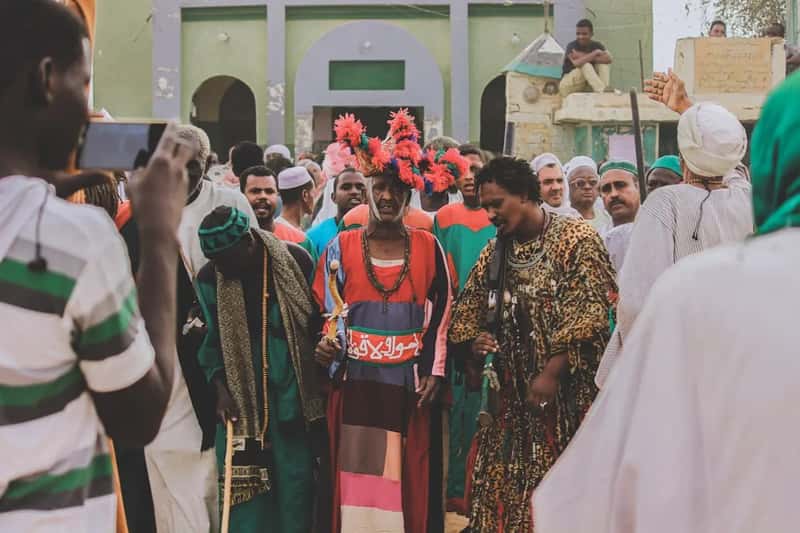
Sudan maintains a total ban on gambling as part of its legal code. It appears among the countries that maintain blanket bans on all gambling activity, alongside nations like Saudi Arabia and Iran. The restriction covers both physical venues and online platforms.
Political upheaval in recent years has shifted many of Sudan’s governing priorities, but its stance on gambling has not been part of that debate. There is no licensing framework for operators of any kind. Anyone caught gambling faces prosecution under existing criminal statutes.
Afghanistan
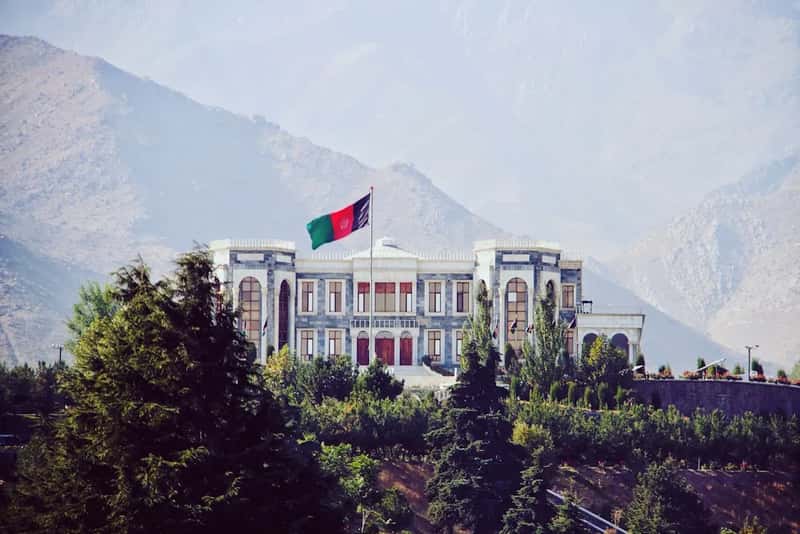
Afghanistan enforces one of the most absolute gambling prohibitions in the world today. The country is grouped with Saudi Arabia, Iran, and others that maintain blanket bans on all gambling. Under current governance, there is essentially zero tolerance for any form of betting.
The strict interpretation of religious law that governs much of daily life in Afghanistan leaves no room for licensed gambling of any kind. There are no casinos, no lotteries, and no legal betting shops anywhere in the country. Enforcement is thorough and penalties can be severe.
North Korea
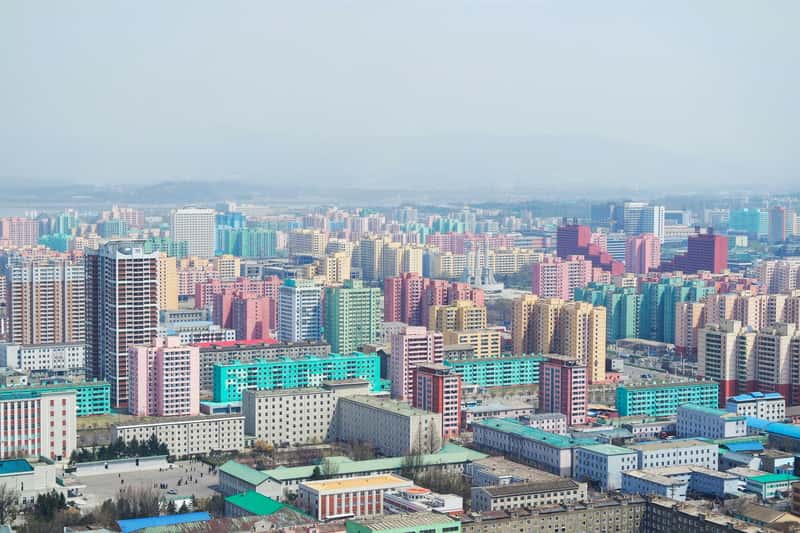
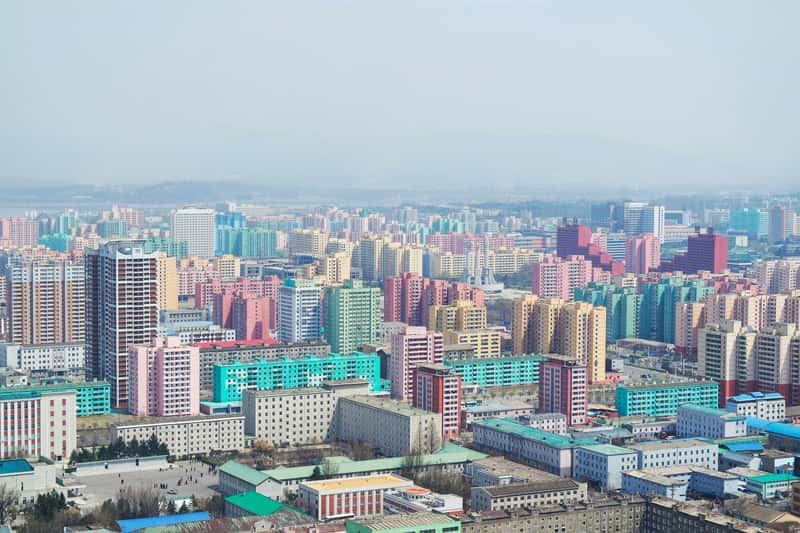
North Korea presents one of the more unusual cases on this list because the ban applies almost exclusively to its own citizens. The country maintains an almost complete ban on gambling for its citizens, reflecting the government’s control over all aspects of life, though it allows gambling for foreign tourists in specially designated areas, such as certain hotels in Pyongyang. That split reflects a broader pattern in how the state treats foreign visitors differently from its own population.
The North Korean government views gambling as a capitalist vice that could undermine the socialist principles upon which the country is founded, and Kim Jong Un has made clear that gambling is considered a threat to the social order. For ordinary North Koreans, gambling is not just illegal but essentially unimaginable given the level of state oversight. The contrast with the foreigner-only casinos makes this one of the starkest examples of a two-tier gambling policy anywhere in the world.
Syria
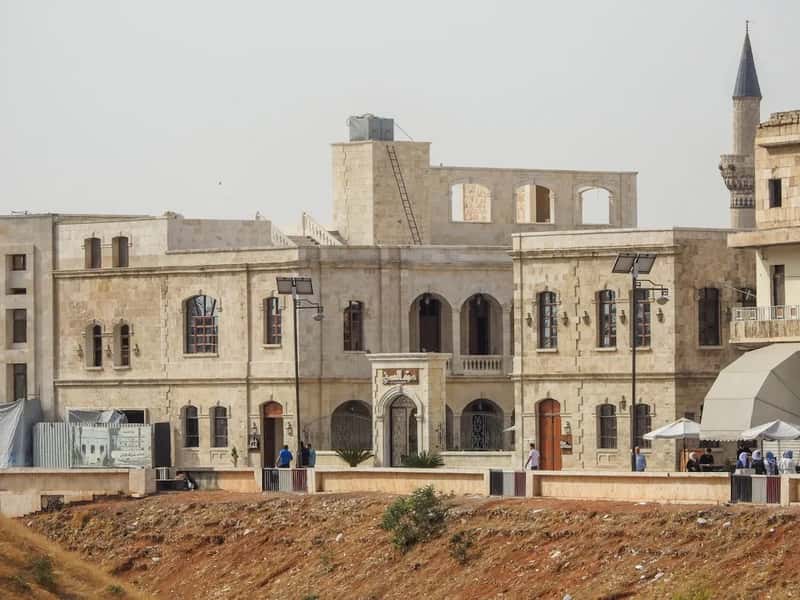
Syria’s gambling laws remain firmly restrictive despite years of civil conflict reshaping much of the country’s governance. It is listed among the states that maintain blanket bans on all gambling, alongside countries like Saudi Arabia, Sudan, and Yemen. There is no legal path to operating a casino or betting shop anywhere within Syrian territory.
Enforcement has become inconsistent in practice given the fractured control over different regions of the country, but the underlying law has not shifted. No licensing body exists to regulate gambling in any form. Any activity that does take place happens entirely underground.
Yemen
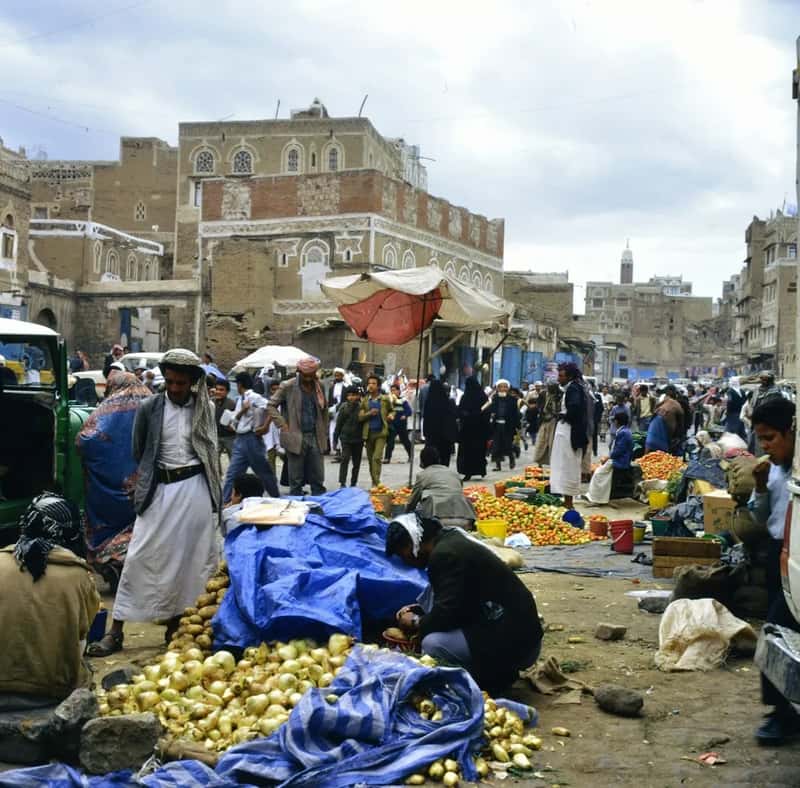
Yemen rounds out this list of nations with a total prohibition on gambling. The country maintains a blanket ban on all gambling activity, grouped alongside Saudi Arabia, Syria, and several other nations in the region. This reflects both the country’s dominant religious framework and years of conflict that have limited any push toward regulated gaming.
There is no domestic casino industry, legal or otherwise, and no framework exists for licensing operators. Online gambling falls under the same restrictions as physical betting. For most Yemenis, the question of legal gambling has simply never been part of public policy debate.
Taken together, these two lists show just how differently nations approach the same basic activity. A handful of countries have turned casinos into major economic engines, while a similar number treat any form of betting as fundamentally at odds with their laws and values. The distance between those two positions is unlikely to close anytime soon.