Ask any frequent traveler about their favorite trip, and there’s a decent chance it wasn’t the postcard destination everyone expects. It was some place a friend mentioned almost as an afterthought, a city that never quite made it onto the standard itinerary but left a stronger impression than the famous stop next door. That pattern repeats itself all over the world, and locals in these places tend to have mixed feelings about it: proud of what they have, a little puzzled that so few outsiders bother to look.
Nara, Japan
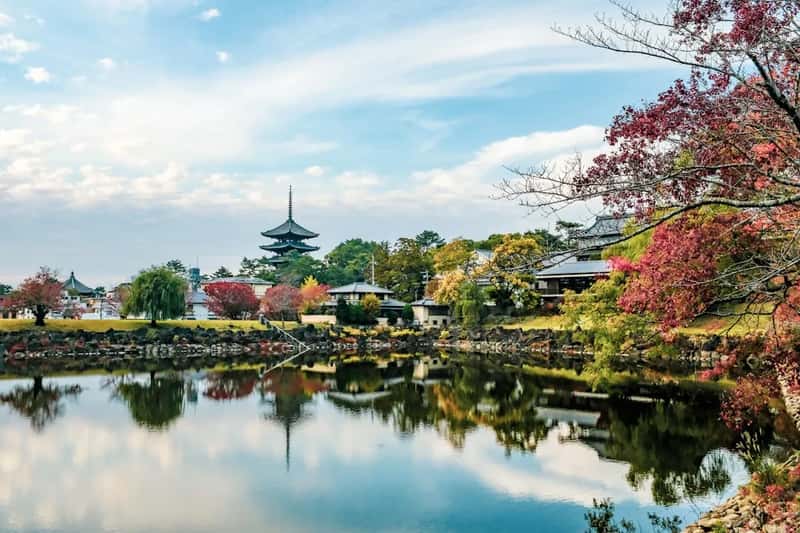
Most visitors to the Kansai region treat Nara as a rushed half day trip squeezed between Kyoto and Osaka, which locals find a bit frustrating given what the city actually holds. Japan’s first permanent capital before the seat of power moved to Kyoto in 794, Nara packs eight UNESCO World Heritage Sites into a single city. The temples here are also older and less reconstructed than their Kyoto counterparts, since the temples and shrines of Nara are much older than the oft-rebuilt buildings in Kyoto, and much more unique.
The famous deer get most of the attention, and fairly so, since around 1,300 wild deer roam freely and are protected as a national treasure in Nara Park. But residents will tell you the real reward comes from staying past the afternoon tour buses, when visitors can expect fewer crowds than Kyoto and a more leisurely sightseeing experience. Spend a full day rather than a rushed morning, and the Nara period history starts to feel less like a museum exhibit and more like a living backdrop.
Ghent, Belgium
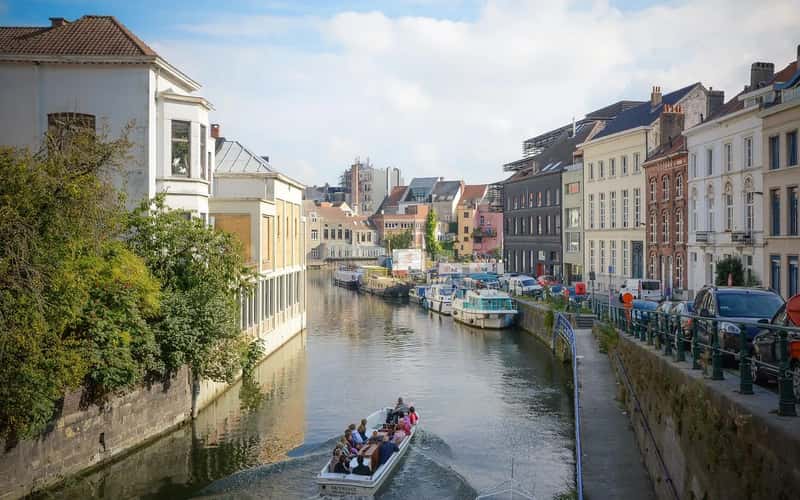
Ghent sits an easy train ride from Bruges and Brussels, yet somehow gets treated as a footnote rather than a destination in its own right. It shouldn’t be, considering Ghent is renowned for its well-preserved medieval buildings, including the Castle of the Counts and the three towers of St. Bavo’s Cathedral, St. Nicholas’ Church, and the Belfry. The city also holds one of Belgium’s genuine masterpieces, since the Ghent Altarpiece by the Van Eyck brothers is a world-famous artwork housed in St. Bavo’s Cathedral.
What sets Ghent apart from its more photographed neighbors is the mix of old stone and student energy, since the city has a population of nearly 250,000, of which 45,000 are students, which makes it one of the liveliest cities in Europe. Locals often point to a quieter civic pride too, noting that Ghent was one of Europe’s most vegetarian-friendly cities, the first in the world to launch a weekly meat-free day. Wander the Graslei canal quays at dusk, and it becomes clear why many Belgians themselves prefer this city to its more famous rival.
Timișoara, Romania
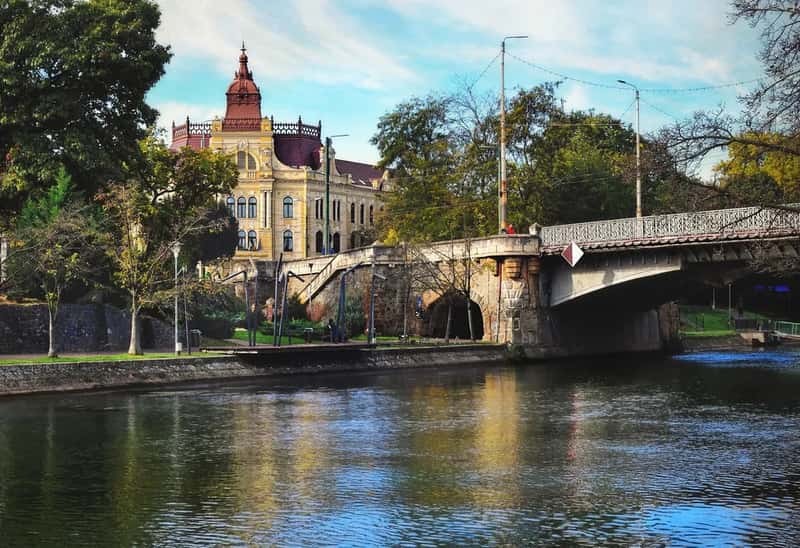
Romania’s third-largest city carries a reputation as a footnote to Bucharest, which locals consider a genuine oversight. Timișoara earned its stripes as the country’s third-largest city and its second European Capital of Culture, a title it held in 2023 after Sibiu became the first Romanian city to receive it back in 2006. The city’s architecture reflects that Habsburg past, since its captivating Viennese Baroque buildings have earned it the nickname of ‘Little Vienna’, while its abundant green spaces have earned it another: the ‘City of Parks’.
There’s also real historical weight behind the charm. In 1884, Timișoara was the first city on mainland Europe to have electric street lighting, and just over a century later, in 1989, the sparks of the Revolution against Ceaușescu’s regime were ignited on the streets of Timișoara. Locals will happily point out the fourteen bridges crossing the Bega river and the old fortress bastions, details that rarely make it into standard European itineraries despite the city’s outsized role in Romanian history.
Guanajuato, Mexico
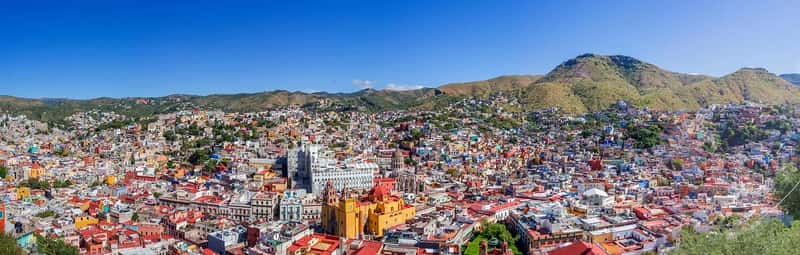
While Mexico City and the beach resorts pull in most international attention, Guanajuato quietly holds one of the country’s most striking colonial cores. Founded by the Spanish in the early 16th century, Guanajuato became the world’s leading silver-extraction centre in the 18th century, and that wealth built a city unlike any other in the region. The layout itself is unusual, since unlike many colonial towns in the region that were laid out on a grid pattern, Guanajuato became a sprawling town stretching along the narrow winding valley with a network of underground streets running beneath it.
The mining history left behind more than tunnels. The town’s fine Baroque and neoclassical buildings, resulting from the prosperity of the mines, have influenced buildings throughout central Mexico, and the churches of La Compañía and La Valenciana are considered to be among the most beautiful examples of Baroque architecture in Central and South America. The city has held UNESCO World Heritage status since 1988, yet it remains overshadowed by Oaxaca and San Miguel de Allende on most travelers’ shortlists, something residents find a little baffling given the setting.
Chattanooga, Tennessee
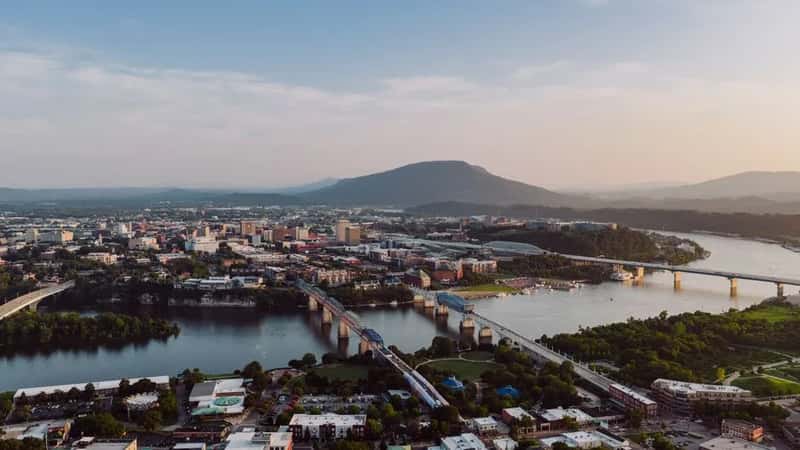
Tucked between Nashville and Atlanta, Chattanooga rarely gets mentioned in the same breath as its flashier neighbors, though locals argue that’s exactly the point. The city built an identity around infrastructure rather than nightlife, since Chattanooga became the first place in the US to introduce a citywide gigabit network in 2010, resulting in the country’s fastest internet connection. That investment reshaped the local economy, drawing a steady influx of businesses and residents, namely tech startups and millennials moving to the area from bigger markets like Nashville and Atlanta.
Beyond the tech reputation, the setting itself is the draw. Sitting astride the Tennessee River and wedged within the hilltops of the Cumberland Plateau, Chattanooga is one of the South’s prettiest cities, with rock climbing, hiking, and paddling all within minutes of downtown. The outdoor scene has earned recognition too, since Chattanooga has twice been voted OUTSIDE Magazine’s “Best Town Ever,” thanks to its flourishing outdoor scene, from mountain biking to paddle boarding and hiking. It’s a city that rewards a slower visit rather than a quick pass-through.
Valparaíso, Chile
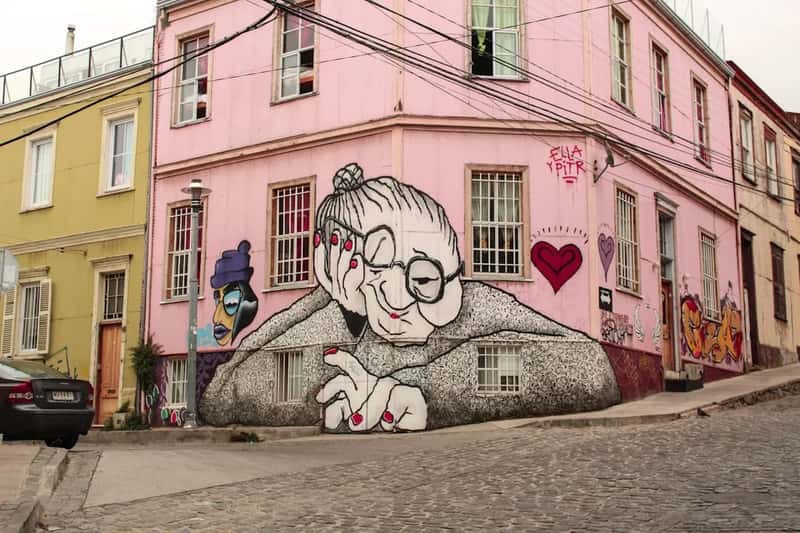
Santiago tends to absorb most of the attention that Chile receives from international visitors, leaving its port city neighbor as something of an open secret. Valparaíso climbs across dozens of steep hills overlooking the Pacific, its houses painted in a patchwork of colors that locals have maintained for generations rather than staged for tourism. The city’s historic quarter earned UNESCO World Heritage status in 2003, recognized for its funiculars, winding stairways, and a layout that grew organically rather than by design, much like the port towns of the Mediterranean it was once compared to.
What keeps Valparaíso distinct from a typical scenic stop is its lived-in creative energy. Street art covers entire facades, not as a novelty but as an ongoing tradition tied to the city’s bohemian and literary history, including its long association with poet Pablo Neruda, who kept a home here. Locals often note that visitors treat it as a day trip from Santiago when it genuinely rewards an overnight stay, since the funiculars and hillside cafes take on a different character once the day-trip crowds head back down the coast.
Fremantle, Australia
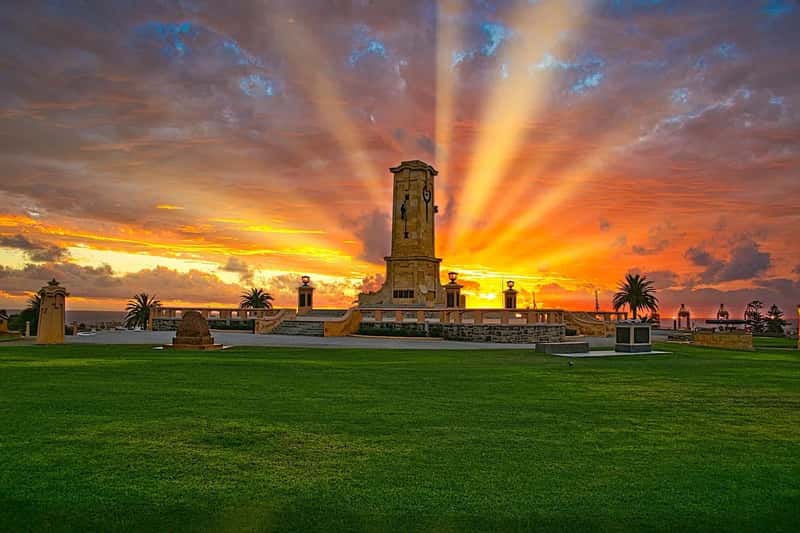
Perth gets the tourism spotlight in Western Australia, while its port neighbor Fremantle tends to register as an afterthought for visitors working through a checklist. That’s despite Fremantle holding one of the best-preserved collections of nineteenth century streetscapes in the country, a legacy of its gold rush era boom when the port served as the gateway for prospectors heading inland. The old Fremantle Prison, now a heritage-listed site, offers a genuinely unusual look at the harsher side of colonial Australian history, something locals feel gets lost next to Perth’s more polished attractions.
The city’s character today leans heavily on its maritime roots and a relaxed, market town pace that contrasts with Perth’s more corporate feel. Fremantle Markets have run continuously since the late nineteenth century, and the weekend cappuccino strip along South Terrace still functions as a genuine local gathering spot rather than a manufactured tourist zone. Residents tend to describe it as the more interesting half of the Perth metropolitan area, a claim that holds up reasonably well once you’ve spent an afternoon wandering its port and harbor districts.
Each of these cities carries something the bigger names nearby simply cannot replicate, whether that’s Nara’s older and quieter temples, Ghent’s balance of medieval stone and student energy, or Chattanooga’s unlikely reinvention around fiber optic cable. None of them require abandoning the classic destinations altogether. They just ask for an extra day or two of curiosity, which, according to the people who actually live there, tends to pay off more than expected.