Tuition bills in places like the United States or the United Kingdom can easily top twenty thousand euros a year, which makes the idea of studying abroad feel out of reach for a lot of families. Yet across parts of Europe and beyond, a very different model still exists, one where public universities are funded largely by taxpayers rather than students. The rules keep shifting, especially as some countries introduce new fees for non-EU applicants, so knowing where things actually stand in 2026 matters more than ever.
1. Germany
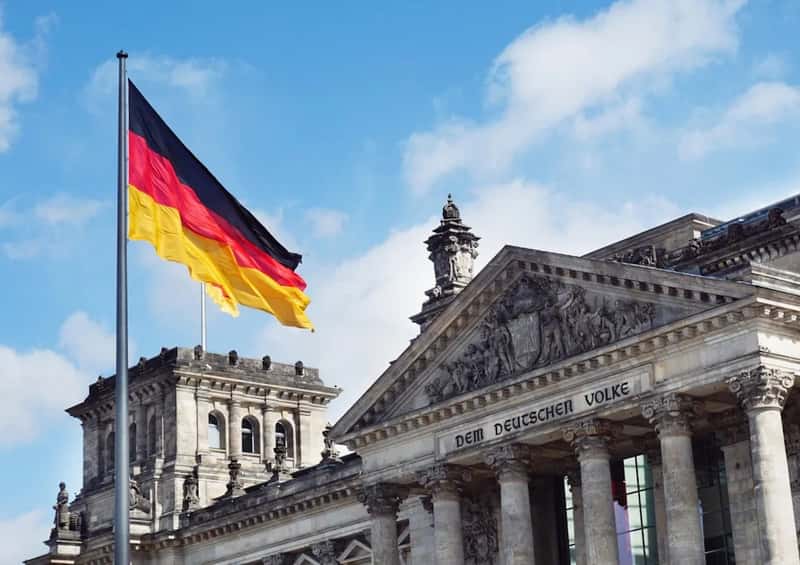
Germany remains the benchmark for tuition-free higher education, and that reputation still holds up in 2026. Germany’s public universities charge zero tuition fees in 2026 for international students of every nationality, at every level. The only real cost is a semester contribution, and students pay only a small semester contribution of €150 to €350 for a world-class Bachelor’s, Master’s, or PhD.
There is one notable exception worth knowing about before applying. The only exception is Baden-Württemberg, which charges €1,500 per semester for non-EU students. Everywhere else in the country, from Berlin to Leipzig, the policy holds firm, and over 420,000 international students are currently enrolled, a number that keeps growing.
2. Norway

Norway used to be the last truly universal free-tuition country in Europe, open to absolutely everyone regardless of passport. That changed a few years ago. Since 2023, most non-EU/EEA students are required to pay tuition fees, following a government reform, while EU/EEA students can still study tuition-free at public universities for undergraduate degrees, Master’s programmes, and PhDs.
The situation for non-EU applicants has kept evolving. Since 2025, universities have been allowed to set their own tuition fees rather than charging the full cost of each programme, and as a result, some institutions have already reduced their fees significantly. All students, regardless of nationality, still pay a modest semester fee of approximately 1000 NOK per semester to the student welfare organisation, which is a small price for access to Norway’s high-quality public system.
3. Czech Republic
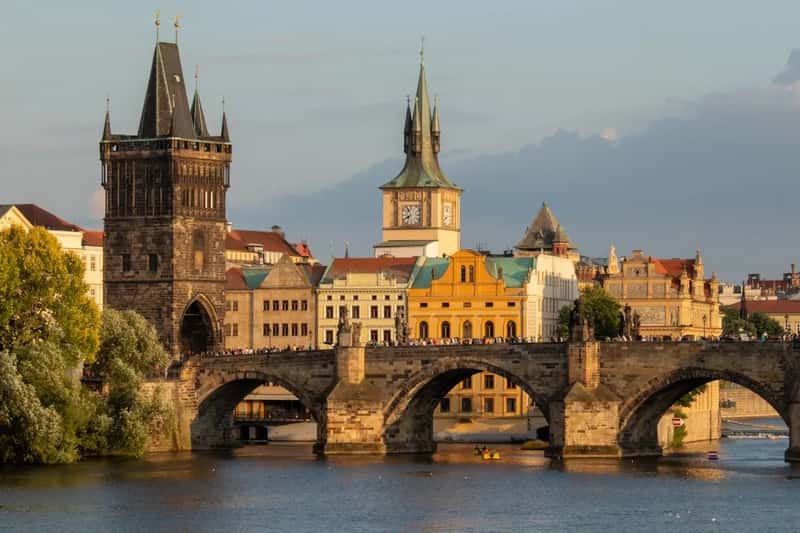
The Czech Republic offers one of the more interesting bargains in Europe, but it comes with a language condition. If you study a degree programme taught entirely in the Czech language at a public or state university, there are no tuition fees, according to the country’s Higher Education Act. That rule applies no matter where you are from, and foreign students have the same rights and duties as their Czech colleagues.
Naturally, most international students don’t arrive fluent in Czech, so the alternative is enrolling in an English-taught program instead. If you choose a programme taught in English or another foreign language, you will pay tuition fees between 0 and 18,500 EUR per academic year. Even with those fees, living costs stay reasonable, and over 50,000 international students choose the Czech Republic as their study abroad destination every year.
4. France

France doesn’t advertise itself as a free-tuition country, but its public university fees are so heavily subsidized that they barely register as a cost. For citizens of the EU, EEA, and Switzerland, the numbers are close to symbolic. For the 2025-2026 academic year, tuition fees for these students are €178 per year for Bachelor’s studies, €254 per year for Master’s, and €397 per year for a Doctorate.
Non-EU students pay more, though still far less than in most English-speaking destinations. French Higher Education Minister Philippe Baptiste announced that almost all non-EU students coming to France for the 2026/27 academic year will be required to pay annual tuition of €2,895 for undergraduate study. Officials frame this as a small price by international standards, noting that in Canada, the UK, the US, and Australia, international student tuition is at least US$15,000 and more often US$20,000 or more per year.
5. Finland
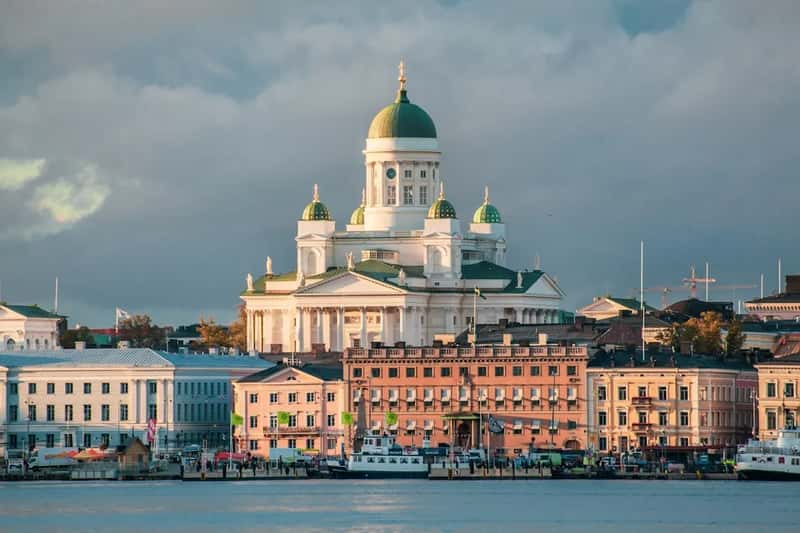
Finland’s free-tuition policy narrowed nearly a decade ago, but it still offers real value depending on your citizenship and degree level. Finland abolished free tuition for non-EU students in 2017, and non-EU students now pay €4,000 to €18,000 per year, while EU/EEA students still study for free. That’s a meaningful gap, so nationality genuinely shapes the price tag here.
Doctoral candidates, however, get a unique break that applies to everyone. The country’s universities do not charge tuition for doctoral programs, regardless of nationality. Non-EU bachelor’s and master’s students shouldn’t be too discouraged either, since most universities offer automatic tuition waivers of 50 to 100 percent based on academic merit.
6. Austria
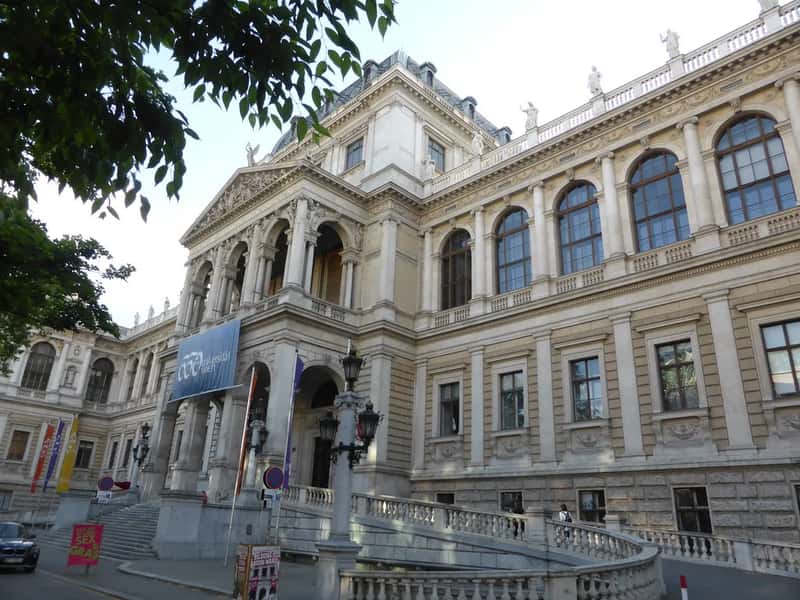
Austria sits comfortably between Germany’s free-for-all model and France’s modest fee system. Tuition at public universities is free for Europeans who want to study in Austria, while non-Europeans are charged a still very affordable 1,500 euros per year in many programs, though newer figures suggest even lower rates at some institutions. Austria charges €726.72 per year for non-EU students at several public universities, which puts it well below what comparable degrees cost in North America or the UK.
Vienna, Graz, and Innsbruck host the country’s largest public universities, and the language of instruction and a student’s home region matter more to the final bill than almost anything else. German-language programs tend to come with the lowest costs, while English-taught master’s degrees can carry somewhat higher fees depending on the field of study.
7. Greece

Greece runs a system that closely mirrors much of continental Europe, favoring EU citizens while opening a different path for everyone else. Greek public universities offer free education at the undergraduate level for EU students, with fully funded scholarships available for non-EU students. This scholarship route is significant because it means the sticker price for outsiders isn’t necessarily the final cost.
For non-EU applicants who don’t secure a scholarship, fees remain modest by Western European standards. Greece charges non-EU students roughly €1,500 per year, a figure that stays well under what students would face in the United States or United Kingdom. Combined with Greece’s lower cost of living, the country has quietly become an attractive option for budget-conscious students chasing a European degree.
8. Argentina

Outside of Europe, Argentina stands out as one of the few countries offering genuinely free public university education to international students as well as its own citizens. Argentina offers free college tuition for citizens and international students, though the free tuition only applies to undergraduate programs at public universities, and those enrolling at private universities still pay tuition. This is a rare policy globally, since most countries reserve free access for their own residents.
The catch, if there is one, is practical rather than financial. Most programs are taught in Spanish, requiring a minimum of B2 proficiency, so incoming students need solid language skills before enrolling. Living costs also stay low, with living costs relatively low, averaging €400 to €600 per month, making Argentina one of the most affordable full university experiences available anywhere.
Policies like these rarely stay fixed for long. Norway’s shift away from universal free tuition and France’s newly raised fees for non-EU students both show how quickly the landscape can change, sometimes within a single admissions cycle. Anyone seriously considering one of these countries should check the specific university’s current fee schedule directly, since national headlines don’t always capture what an individual institution actually charges.