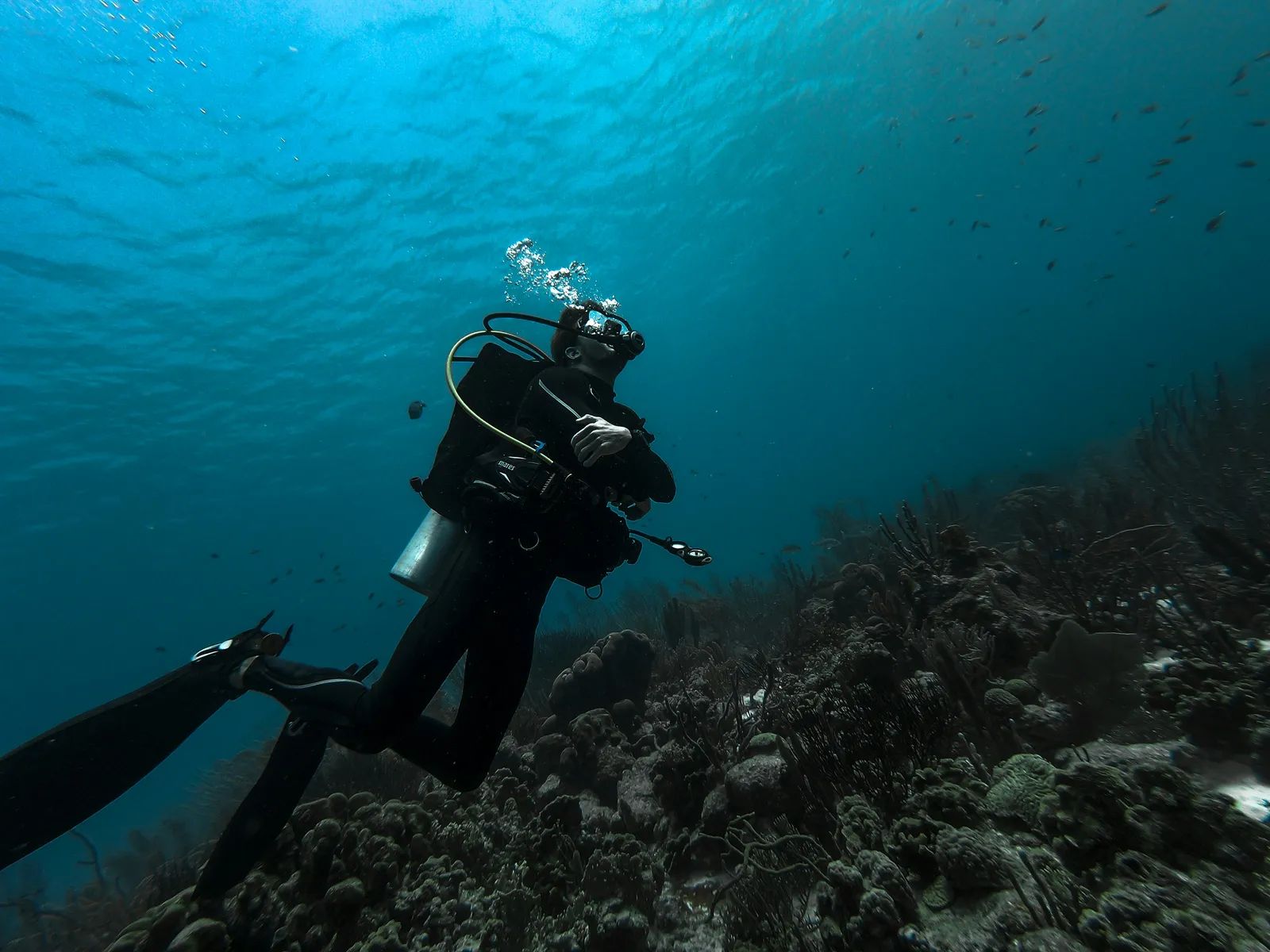
Brazil’s coastal waters host an unusual conservation effort. Divers are deliberately removing colonies of a vivid yellow coral to protect native marine life. The species, known as sun coral, arrived decades ago and has expanded rapidly along thousands of kilometers of shoreline.
An Unchecked Invasion Begins
Sun coral first appeared in Brazil during the 1980s on an offshore oil platform near Rio de Janeiro state. Two species, Tubastraea coccinea and Tubastraea tagusensis, both native to the Indo-Pacific, took hold without natural predators to limit their growth. The coral now covers roughly 3,500 kilometers of the Brazilian coast. It advances at an estimated rate of 2 kilometers per year. Rocky reefs provide ideal surfaces for attachment, allowing the invader to spread steadily outward from its initial point of arrival.
Effects on Native Ecosystems
Sun coral quickly dominates available space on reefs. It releases chemicals that damage neighboring native corals, including brain and star varieties found in Brazilian waters. Small organisms that depend on healthy reefs begin to vanish as coverage increases. Fish populations can decline once the invader takes over large areas. Research indicates that when sun coral reaches 45 percent coverage on a rocky reef, the ecosystem shows clear signs of alteration. These changes affect the broader food web and reduce overall biodiversity in affected zones.
Targeted Removal Operations
In 2018 Brazil launched a national plan to control the invasion. The effort unites scientists, conservation groups, and government agencies. Marine biologist Adriana Gomes of the Chico Mendes Institute for Biodiversity Conservation leads volunteer divers in the waters around the Cagarras Islands. Teams work methodically to detach and remove individual colonies. The work focuses on protected areas where early intervention can limit further spread. Ongoing monitoring helps track progress and adjust tactics as needed.
Broader Implications for Reefs
The Brazilian experience offers practical insights for other regions facing similar invasions. Coordinated action that combines policy, research, and hands-on removal shows measurable results in slowing expansion. Continued vigilance remains essential because complete eradication is difficult once a species establishes itself widely. Divers and researchers continue their work along the coast. Their efforts highlight the trade-offs sometimes required to maintain healthy marine environments. The outcome will shape how future conservation teams respond to comparable threats elsewhere.