English has long stopped being just the language of London or New York. It has become the connective tissue of global business, education, and travel, spoken fluently in call centers in Manila, boardrooms in Berlin, and university lecture halls in Lagos. While the United Kingdom and the United States remain the historical anchors of the language, they are far from the only places where English thrives on a massive scale.
Millions of people across Asia, Africa, Europe, and the Commonwealth use English every day, whether as a native tongue, a second language learned in school, or a practical bridge language between communities that speak dozens of different mother tongues. Here are nine countries, ranked by the sheer scale of their English-speaking populations, that prove just how far the language has traveled beyond its original borders.
1. India

India sits at the very top of this list by a wide margin. India’s total English-speaking population is second only to that of the U.S., where a little over 300 million people speak the language. By total numbers, India has the most English speakers of all post-colonial nations, and of all countries outside the Anglosphere. Most estimates now put the figure at around 265 million people, whether they use it as a first, second, or even third language.
What makes India’s case interesting is the gap between raw numbers and proficiency. On a national scale, roughly 1 in 10 people in India speak English, though the share of English speakers varies greatly from one part of the country to another, with nearly 1 in 2 people speaking English in certain regions where proficiency runs high. English remains deeply tied to higher education, the civil service, and India’s enormous IT and outsourcing industries, which keeps demand for the language strong even as regional languages dominate everyday life.
2. Nigeria
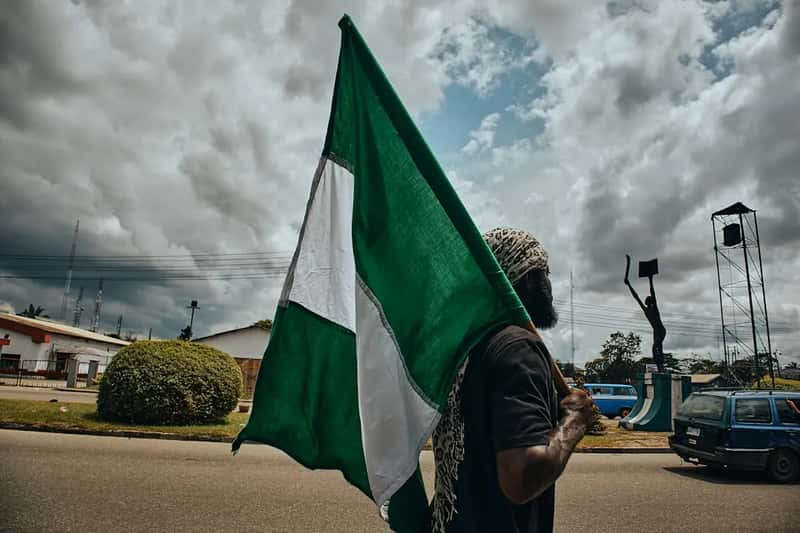
Nigeria is Africa’s clearest example of English as a unifying national language. Population estimates for Nigerian English speakers vary considerably depending on methodology, with some counts putting the country’s total speakers at around 125 million, and whichever figure proves most accurate, Nigeria’s sheer population size, now well over 200 million people, guarantees it a place among the countries with the largest second-language English communities anywhere on earth. Other widely cited estimates land closer to 100 to 111 million speakers, which still ranks the country among the largest English-using populations on the planet.
English became Nigeria’s official language during British colonial rule and stuck around after independence largely out of necessity, since the country is home to more than 500 distinct indigenous languages. It remains the language of federal government, higher education, and most national media, even though Nigerian Pidgin and local languages dominate everyday conversation in homes and markets. That blend has also made Nigeria a growing hub for English-language content creation and remote digital work.
3. Pakistan

Pakistan is frequently cited as the third-largest English-speaking country in the world by total population. Pakistan is widely recognized as the third largest English-speaking country by population, following the United States and India, with a significant number of fluent English speakers. Estimates for the actual number of speakers vary quite a bit depending on the source and methodology, ranging from around 25 million to over 100 million, largely because surveys differ on what counts as “speaking” English versus simply understanding it.
English holds official status in Pakistan alongside Urdu and is the primary language of higher education, the judiciary, and much of government administration. Elite schools across the country teach almost entirely in English, which has created a noticeable divide between English-medium education and the Urdu-medium schooling that most of the population actually experiences. Still, the sheer size of Pakistan’s population, now over 240 million, keeps it firmly among the world’s largest English-speaking nations by any measure.
4. Philippines
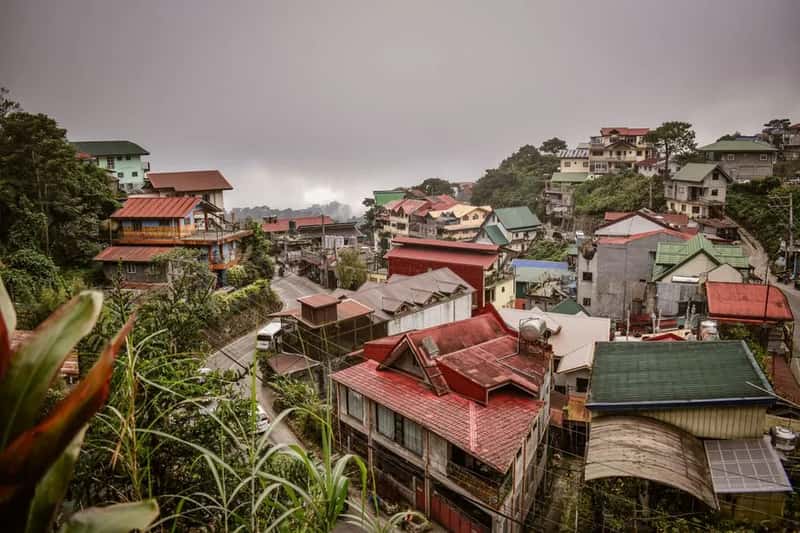
Few countries have built as visible an economic identity around English as the Philippines. English is co-official alongside Filipino, and the Philippines rounds out the top countries by total English speakers with around 70 million speakers, where English is integral to public life. Other estimates place the figure closer to 50 million, but virtually every source agrees the Philippines belongs near the top of this ranking.
Few countries have turned English proficiency into as visible an economic asset as the Philippines, where schools teach heavily in English from an early age and the language appears constantly in media, signage, and everyday professional settings, with call centers, business process outsourcing firms, and remote work platforms relying on this deep pool of English-speaking talent. That combination of colonial history and modern economic strategy has made the Philippines one of the most commercially significant English-speaking populations in Asia.
5. Germany
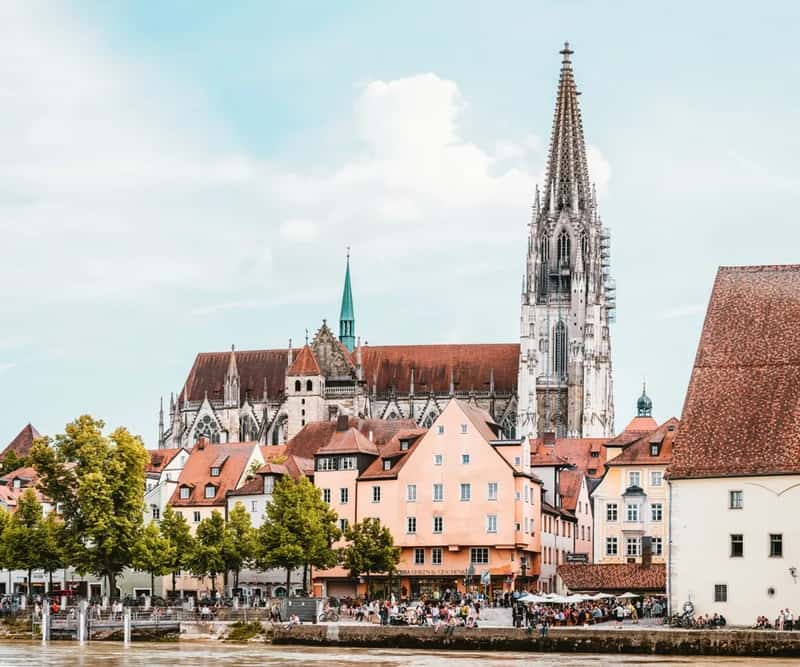
Germany stands out on this list as the rare country where English proficiency has grown almost entirely through education and economic pragmatism rather than colonial history. Germany has an estimated 45.8 million English speakers. Some broader estimates push that figure even higher, with one source noting that in Germany, English speakers account for roughly 56 percent of the population, considerably higher than in other European nations such as France, Italy, and Spain, where English is spoken by just 35 to 40 percent of the population.
Germany has also climbed steadily in global proficiency rankings in recent years. Germany posted one of the more striking improvements in the latest index, climbing to fourth place with one of the biggest gains in Europe, reaching a score of 615. Strong secondary education, widespread university programs taught in English, and heavy exposure through media and international business have all played a part in that rise.
6. Canada

Canada occupies an unusual spot on this list because English is a native language for the majority of its population, yet the country sits outside the traditional UK-US axis this ranking focuses on. English is one of Canada’s two official languages alongside French, and it dominates daily life across most provinces outside Quebec. Canada’s overall population of roughly 40 million includes tens of millions of native and highly fluent English speakers, making it one of the largest Anglophone nations by raw numbers.
Canada’s English carries its own distinct character, blending British and American influences into something recognizably its own. The English speaking colony in Canada was developed using a combination of American and British English, and the English being spoken in Canada is a kind of North American English comparable to that used in the Western United States. Immigration has also added a steady stream of new English learners to the country, with Canada regularly ranking among the top destinations for people studying English as a foreign language.
7. Australia

Australia rounds out the traditional Anglophone nations with a population where English is overwhelmingly the first language. Australian English has 18.5 million native speakers along with roughly 5 million second-language speakers of English in the country. Other estimates put the number of native speakers slightly higher, closer to 22 million, reflecting differences in how surveys define fluency and household language use.
Within the Oceania region, about 30 million people speak English, with twenty-two million being native English speakers from Australia alone. Australia’s relatively small population compared to nations like India or Nigeria means it never competes on sheer volume, yet its near-universal English fluency and steady immigration from English-learning populations keep it firmly on any serious list of major English-speaking countries.
8. South Africa

South Africa presents one of the more layered English stories on this list, since the language is one of eleven official languages rather than the dominant mother tongue for most citizens. One of the most prominent dialects of English found in Africa is the South African English dialect, with roughly 3 million first-language speakers. When second-language speakers are included, the number jumps dramatically, with several estimates placing South Africa’s total English-speaking population at around 16 million people.
English functions as South Africa’s primary language of business, higher education, and national government, even though isiZulu, isiXhosa, and Afrikaans have larger numbers of native speakers overall. South Africa is grouped among the Inner Circle nations where English is considered a native language for a meaningful share of the population, alongside countries like the United States, United Kingdom, Ireland, Australia, and New Zealand. That dual status, official language and practical lingua franca, keeps South Africa firmly in the conversation about major English-speaking nations.
9. Bangladesh
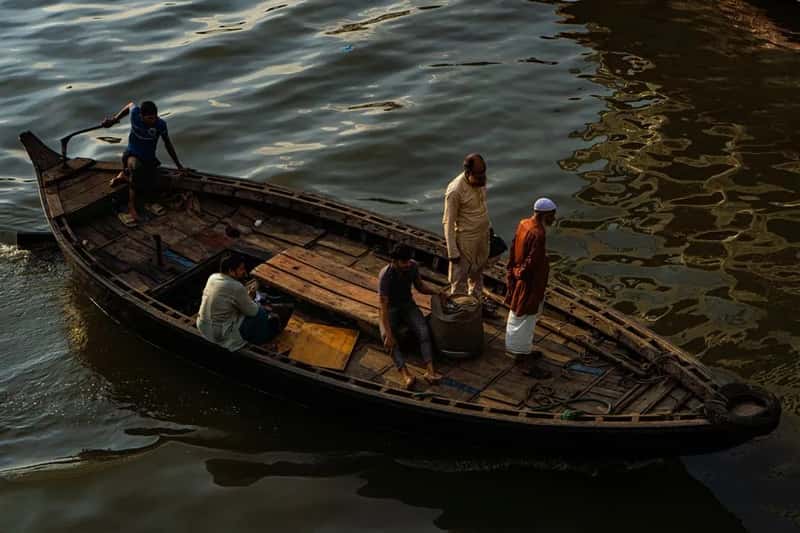
Bangladesh rounds out this list with a large and steadily growing population of English speakers, despite Bengali being the overwhelmingly dominant native language. Bangladesh has an estimated 29 million English speakers. That figure has been echoed across multiple independent sources, suggesting it holds up reasonably well as a working estimate for the country’s English-using population.
English retains an important role in Bangladesh’s higher education system, private sector, and international trade relationships, a legacy of its history as part of British India before independence. Government schools increasingly emphasize English instruction as families push for better job prospects in a globalized economy, particularly in the growing garment and technology export sectors. With a population exceeding 170 million, even a modest percentage of English speakers translates into tens of millions of people, keeping Bangladesh solidly on the global map of major English-speaking nations.
Taken together, these nine countries tell a story that goes well beyond simple colonial history. Some, like India, Pakistan, Nigeria, Bangladesh, and the Philippines, inherited English through British rule and then reshaped it into something distinctly their own. Others, like Germany, built their fluency almost entirely through modern education systems and economic necessity rather than historical ties. Canada, Australia, and South Africa sit somewhere in between, blending native English populations with waves of immigration and multilingual reality. Whatever the path, the numbers make one thing clear: English’s future as a global language depends far more on these nine nations than it does on the two countries most people associate with it first.